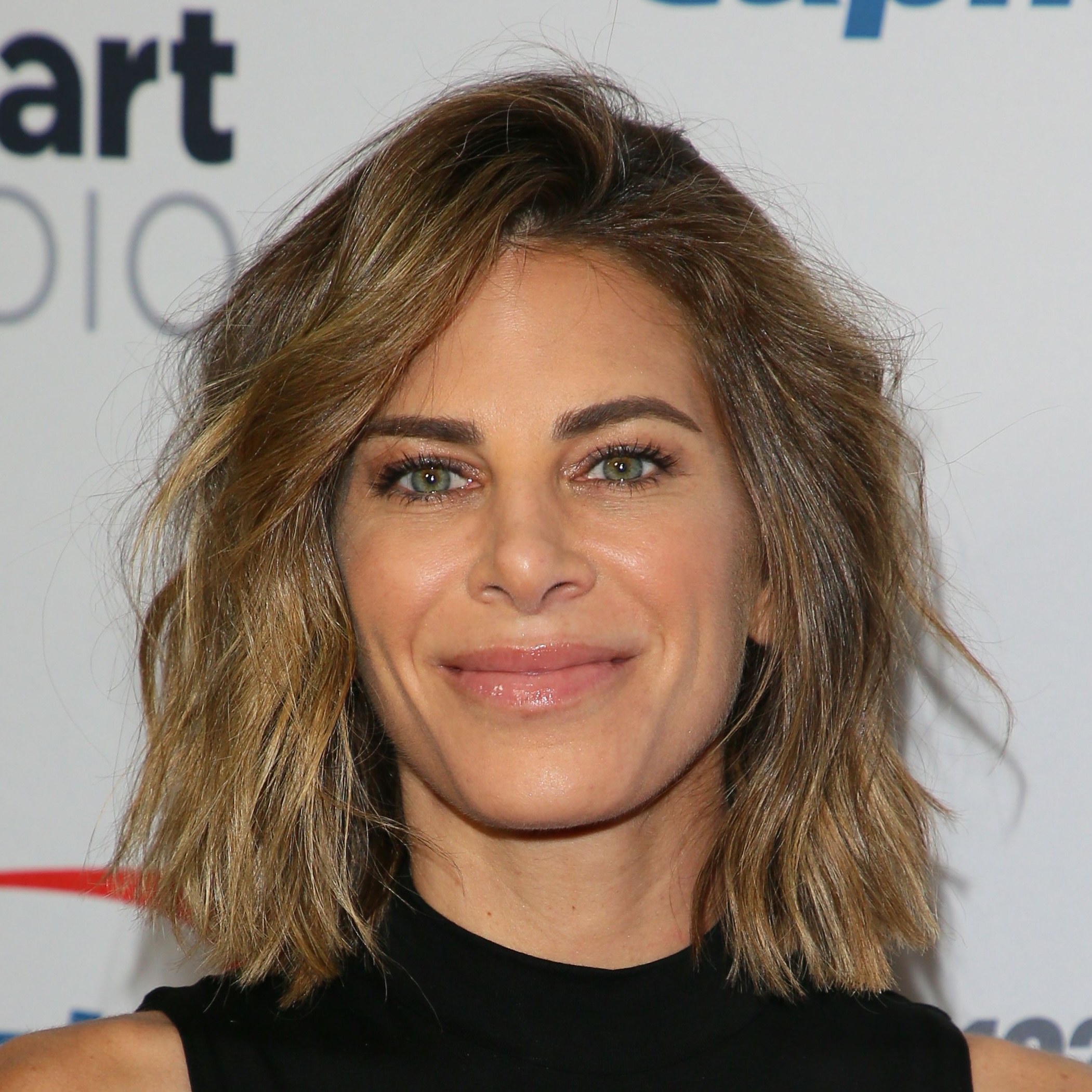
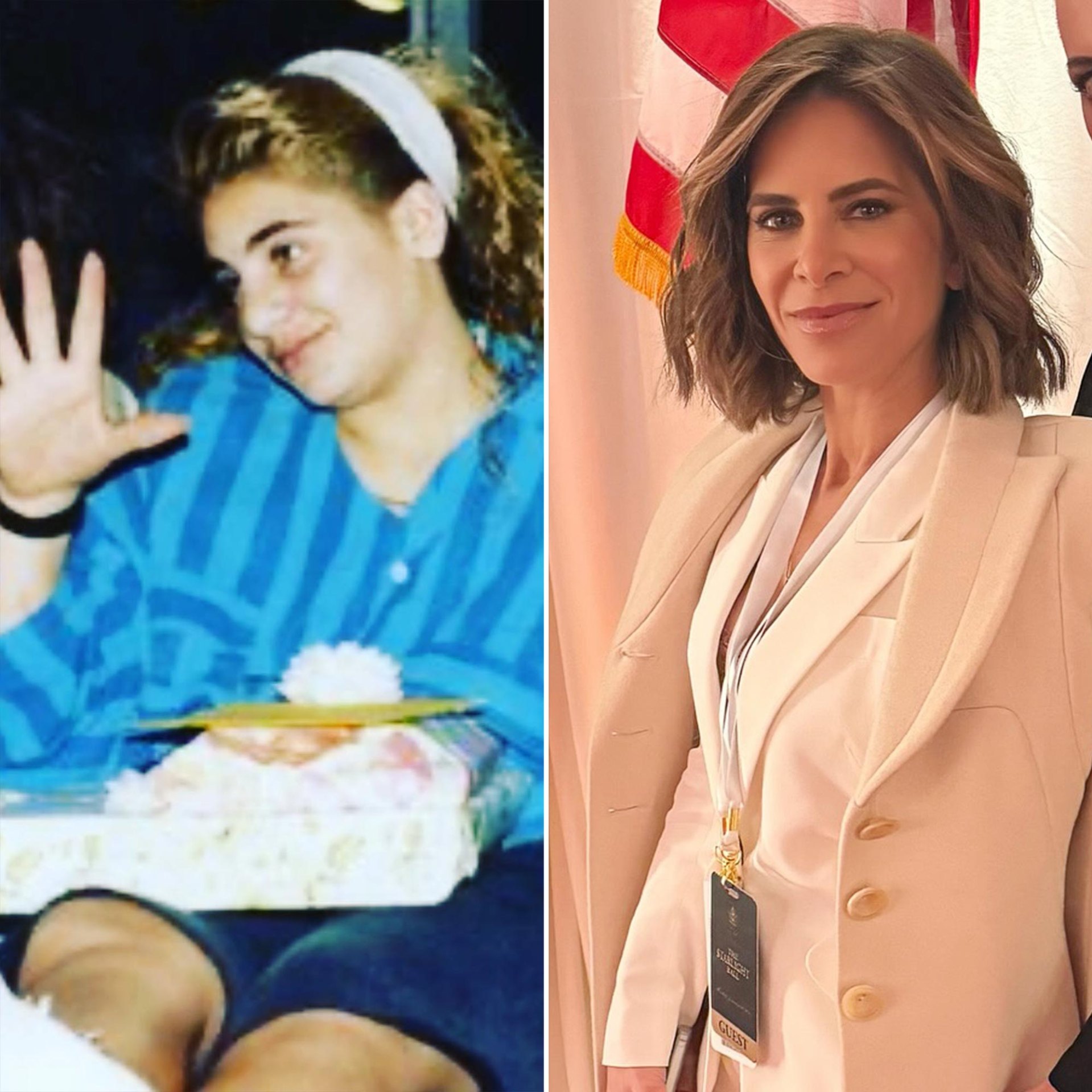
Is Jillian Michaels a Trump Supporter? Inside Her Political Stances and Public Statements
Jillian Michaels is not a registered Republican or a self-proclaimed Donald Trump supporter, though public commentators frequently label her conservative due to her outspoken critiques of progressive policies. Michaels publicly defines...
Jillian Michaels is not a registered Republican or a self-proclaimed Donald Trump supporter, though public commentators frequently label her conservative due to her outspoken critiques of progressive policies. Michaels publicly defines herself as a political independent with libertarian-leaning views, emphasizing individual liberty, fiscal conservatism, and deregulation while maintaining socially liberal positions on personal autonomy.
Contents
The Origin of the Political Labels Surrounding Jillian Michaels
Public interest in Jillian Michaels' political views escalated significantly between 2020 and 2022, a period during which cultural and political debates increasingly intersected with public health policies, tax structures, and lifestyle choices. Best known for her long-standing role as a trainer on NBC's The Biggest Loser and her wellness platforms, Michaels built her public brand around personal accountability, physical discipline, and individual determination.
For much of her early television career, Michaels kept her specific voting history private. However, as cultural polarization deepened across the United States, her commentary on government regulation, state taxes, and public health mandates drew intense public scrutiny. Media outlets and social media commentators began questioning whether her views aligned with the Republican Party or the political movement surrounding former President Donald Trump.
The label "Trumper" emerged largely from partisan framing in political discourse. In modern political commentary, public figures who voice sharp criticisms of Democratic leadership, progressive social policies, or state-level COVID-19 restrictions are often categorized as aligned with Donald Trump. For Michaels, public statements questioning California’s state governance, rising crime, high state income taxes, and prolonged business closures led critics to place her firmly in the conservative camp, despite her repeated explicit statements rejecting party loyalty.
In Her Own Words: Jillian Michaels on Political Parties and Donald Trump
To understand Jillian Michaels' true political alignment, it is essential to examine her direct statements made during media interviews, podcast appearances, and public commentary.
Michaels has repeatedly stated that she does not belong to either major American political party. In long-form discussions on podcasts such as Club Random with Bill Maher and interviews on major news outlets, she has described her political philosophy as independent, centrist, or classical liberal with strong libertarian instincts.
Political Self-Identification Spectrum: [ Progressive Left ] <--- (Social Liberalism) ---> [ Jillian Michaels: Centrist / Libertarian Independent ] <--- (Fiscal Conservatism) ---> [ MAGA / GOP Right ]
When addressing questions about Donald Trump specifically, Michaels has consistently refused to endorse him or align herself with the MAGA movement. While she has occasionally agreed with specific deregulatory policies or economic points championed by conservatives, she has also expressed skepticism toward partisan dogma on both sides of the aisle. Her primary grievance with contemporary American politics is hyper-partisanship—the demand that individuals accept a complete slate of political opinions based on party affiliation rather than evaluating policy issues independently.
Michaels has frequently noted that her refusal to adhere strictly to progressive orthodoxy in Hollywood resulted in backlash, but she has maintained that being critical of left-wing policy choices does not automatically make someone a Trump loyalist or a right-wing activist.
Key Policy Positions and Public Stances
Understanding Michaels' political commentary requires examining the specific policy areas where she has taken public stands. Her positions cross traditional partisan boundaries, blending fiscal conservatism with social liberal values.
1. State Governance, Taxation, and Relocation to Florida
One of the most visible triggers for political discussion around Michaels was her decision to relocate her primary residency and businesses from California to Miami, Florida.
Michaels spoke openly about her frustration with California state government policies under Governor Gavin Newsom. Her critiques focused on several structural issues:
- Taxation: Michaels argued that California’s high state income tax rates failed to deliver proportional public benefits, infrastructure improvements, or effective civic management.
- Public Safety and Crime: She publicly voiced concerns over rising crime rates and property law enforcement, arguing that municipal and state policies were undermining quality of life for residents and business owners.
- Regulatory Environment: She cited commercial regulations and bureaucratic friction in California as detrimental to entrepreneurship and economic growth.
Her decision to move to Florida—a state governed by Republican leadership that promoted lower taxes and fewer business restrictions—was cited by political commentators as evidence of a rightward shift. Michaels, however, framed the move as a pragmatic economic and quality-of-life decision rather than an endorsement of Florida's entire political agenda.
2. COVID-19 Mandates and Public Health Policies
During the COVID-19 pandemic, Michaels became a prominent voice questioning public health restrictions, particularly school closures, gym lockdowns, and vaccine mandates.
As a health and fitness professional, Michaels advocated for focused protection of vulnerable populations while maintaining open access to exercise facilities, outdoor activity, and general economic operation. She argued that physical health, metabolic well-being, and mental fitness were vital components of immune resilience that were severely compromised by extended isolation and business shutdowns.
Her public opposition to government-enforced vaccine mandates and business restrictions positioned her alongside conservative policy advocates. However, Michaels defended her stance through the lens of bodily autonomy and personal health responsibility rather than partisan opposition to government authority.
3. Social Issues and Personal Identity
Unlike traditional conservative political figures, Michaels’ personal background and social views align more closely with liberal or libertarian principles:
- LGBTQ+ Rights: As an openly gay woman married to designer Deshanna Marie Minuto and raising children, Michaels is an outspoken supporter of marriage equality and civil rights for sexual minorities.
- Personal Autonomy: She supports individual freedom regarding private lifestyle choices, family structure, and personal expression.
- Critique of Identity Politics: While supporting civil rights, Michaels has frequently criticized modern identity politics and cultural activism. She has argued that emphasizing group identity over individual achievement fosters societal division and undermines merit-based systems in business and athletics.
Comparing Public Perception vs. Stated Positions
The gap between media headlines and Michaels' actual statements demonstrates how political labels can obscure nuanced public policy positions.
| Policy Area | Popular Media Label | Jillian Michaels' Stated Position | Policy Context & Reality |
|---|---|---|---|
| Party Alignment | Pro-Trump / MAGA Republican | Independent / Libertarian-leaning | Refuses registration with either major party; rejects partisan platforms. |
| State Governance | Right-wing California critic | Fiscal conservative / Anti-high tax | Relocated to Florida citing tax rates, public safety, and state regulations. |
| Public Health | Anti-science / Right-wing commentator | Anti-mandate / Pro-individual choice | Opposed extended gym/school closures and mandates; advocated personal wellness. |
| Social Issues | Traditionalist conservative | Social liberal / Anti-identity politics | Supports LGBTQ+ rights and individual liberty; rejects identity-focused activism. |
| Economic Policy | Free-market capitalist | Free-market libertarian | Favors deregulation, lower corporate taxation, and individual accountability. |
Why Cultural Polarization Drives Celebrity Political Categorization
The frequent categorization of Jillian Michaels as a "Trumper" highlights a broader trend in political discourse: the elimination of the political center in public commentary.
In the modern media environment, public figures who dissent from prevailing ideological orthodoxies are often swiftly categorized into opposing camps. For figures living in major metropolitan hubs like Los Angeles or New York, criticizing local Democratic governance or progressive cultural norms often leads commentators to assume full alignment with the Republican Party.
Michaels has repeatedly pushed back against this binary classification system. She has highlighted that millions of American voters hold hybrid political views—supporting fiscal responsibility and free markets on one hand, while supporting civil rights, personal privacy, and social tolerance on the other.
By voicing positions that combine these viewpoints, Michaels represents a segment of the electorate that feels unrepresented by either the progressive wing of the Democratic Party or the populist, religious conservative wing of the Republican Party.
Frequently Asked Questions
Is Jillian Michaels a registered member of the Republican Party?
No. Jillian Michaels is not registered as a Republican. She consistently identifies as a political independent and has publicly stated that she does not belong to or support any single political party.
Did Jillian Michaels endorse Donald Trump for President?
No. Michaels has not issued an official endorsement for Donald Trump. While she has expressed agreement with certain economic deregulation concepts, she has declined to join the Trump campaign or align herself with partisan PACs.
Why did Jillian Michaels move from California to Florida?
Michaels relocated from Los Angeles to Miami, Florida, citing concerns over California’s high state income taxes, business regulations, rising crime rates, and governance during the COVID-19 pandemic. She framed the move as a practical lifestyle and business decision.
What are Jillian Michaels' views on social and LGBTQ+ issues?
Michaels is socially liberal regarding personal rights. As an openly gay woman in a same-sex marriage, she strongly supports LGBTQ+ rights and individual freedoms, though she frequently criticizes contemporary identity politics and ideological activism.
How does Jillian Michaels describe her political philosophy?
Michaels describes her political philosophy as classic liberal, centrist, or libertarian-leaning. She prioritizes individual responsibility, fiscal discipline, limited government intervention, and personal liberty over party loyalties.
How to Evaluate Public Figure Statements in Media
When evaluating claims about the political affiliations of public figures like Jillian Michaels, media consumers should look beyond sensationalized headlines and social media tags. A balanced approach involves examining primary sources, including direct interview transcripts, long-form podcast commentary, and verified public statements.
Rather than relying on third-party political labels, reviewing how a public figure speaks about specific economic, legal, and social policies yields a far more accurate understanding of their true political orientation.
Image Gallery