SpongeBob SquarePants' Home: Lore, Architecture, and Real-World Replicas
SpongeBob SquarePants lives in a fully furnished, three-story pineapple located at 124 Conch Street in Bikini Bottom. Originally dropped from a surface ship, this iconic underwater residence features distinct nautical decor, custom she...
SpongeBob SquarePants lives in a fully furnished, three-story pineapple located at 124 Conch Street in Bikini Bottom. Originally dropped from a surface ship, this iconic underwater residence features distinct nautical decor, custom shell fixtures, and an expansive floor plan that has been recreated in real-life luxury resort accommodations for animation fans worldwide.
Contents
The Origins and Lore of 124 Conch Street
In the fictional underwater city of Bikini Bottom, few locations are as recognizable as 124 Conch Street. Positioned on a quiet suburban thoroughfare alongside the homes of Patrick Star and Squidward Tentacles, SpongeBob SquarePants’ pineapple home serves as the primary setting for countless narrative arcs in the long-running Nickelodeon animated series created by marine biologist and animator Stephen Hillenburg.
According to series lore established in early episodes and confirmed in the backstory episode "Truth or Square," the home originated as a real, surface-grown fruit. It fell off a passing nautical vessel above the Pacific Ocean, sinking to the sea floor intact. SpongeBob, who was actively house-hunting after moving out of his parents' home, discovered the organic structure moments after it landed. The natural pineapple shell quickly became his permanent residence, outfitted with custom portholes, a chimney, and a wooden front door with a brass latch.
The house is situated between two distinct structures:
- 120 Conch Street: A rounded brown rock belonging to SpongeBob’s best friend, Patrick Star.
- 122 Conch Street: A majestic blue Easter Island Moai (head statue) belonging to his co-worker, Squidward Tentacles.
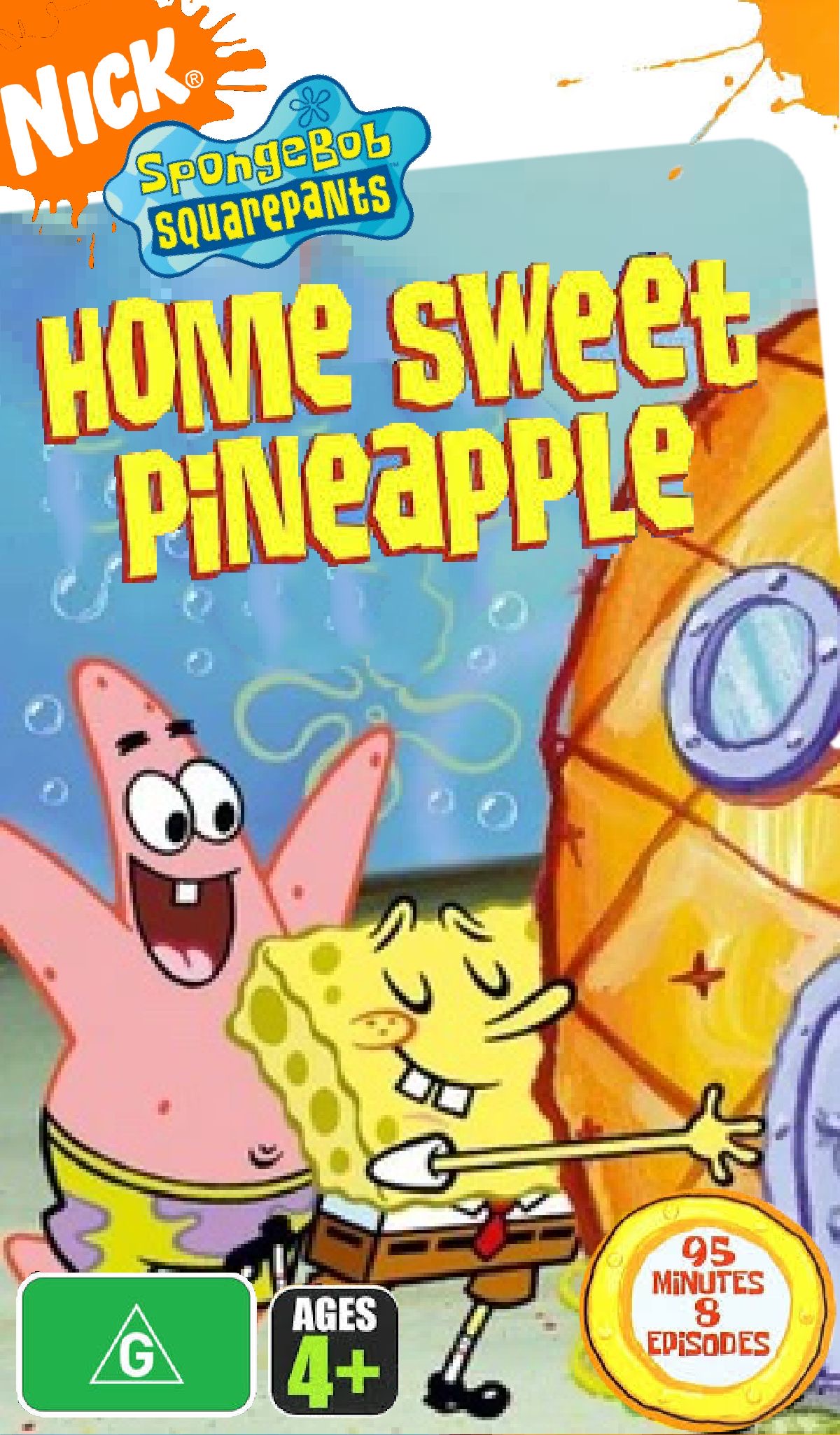
This three-home row forms one of the most famous residential streets in modern television history. Throughout the series, the organic nature of the pineapple makes it susceptible to unique underwater hazards. It has been destroyed multiple times by microscopic nematodes, environmental pests, rocket launches, and accidental explosions, only to be regrown or restored—most notably in the season one episode "Home Sweet Pineapple," where a single remaining seed absorbed a tear, instantly sprouting back into a fully formed house.
Room-by-Room Interior Architecture and Layout
While cartoon geometry frequently adapts to suit specific comedic needs, the internal layout of 124 Conch Street follows a surprisingly consistent spatial framework across its three primary levels.
- ROOFTOP OBSERVATION DECK
- Fruit Stem Balcony & Lookout
- THIRD FLOOR
- SpongeBob's Bedroom & Foghorn Alarm Clock
- SECOND FLOOR
- Library, Study Fireplace & Bathroom
- GROUND FLOOR
- Living Room, Kitchen & Main Entry Foyer
Ground Floor: Foyer, Living Room, and Kitchen
Upon entering through the heavy wooden front door, visitors step into a spacious open-concept ground floor decorated in a blend of mid-century tiki aesthetics and recycled maritime debris.
- The Living Room: The central social hub of the house features a bright orange armchair patterned with dark flowers, a green couch made from an overstuffed cushion set, and a television built inside a heavy vintage diving helmet. The room is accented by life preserver wall hangings, aquatic wallpaper patterns, and a bamboo coffee table.
- The Kitchen: Located adjacent to the living room, the kitchen features wooden cabinets, a sink constructed from salvaged boat parts, and a stove shaped like a nautical steam boiler. This is also where SpongeBob prepares meals for his pet snail, Gary, whose food bowls sit in a dedicated corner of the dining area.
Second Floor: Bathroom and Extensive Library
Access to the second floor is provided by a wooden staircase running along the curved inner wall of the pineapple hull.
- The Bathroom: Equipped with a porcelain bathtub, shell-shaped faucets, and a toilet operated by a pull-chain flush system.
- The Library: One of the most elaborate rooms in the house, the library features floor-to-ceiling bookshelves crammed with aquatic literature, legal texts, and cookbooks. The room includes a cozy brick fireplace (an amusing paradoxical element under the sea), a plush reading chair, and a writing desk where SpongeBob drafts letters and diary entries.
Third Floor: Bedroom and Roof Access
The topmost living space houses SpongeBob’s personal sanctuary.
- The Bedroom: The defining feature of the third floor is SpongeBob’s bed—a simple mattress mounted directly on top of heavy-duty metal coils. Next to the bed sits a table holding his famous oversized foghorn alarm clock, which emits a deafening blast every morning at 6:00 AM. The room also contains a wooden wardrobe for his signature square trousers and white collared shirts, alongside Gary's sleeping pillow.
- Roof Stem Balcony: A trapdoor in the ceiling leads up to the stem of the pineapple, which acts as a rooftop observation deck giving SpongeBob a panoramic view of the entire Conch Street neighborhood.
Nautical Aesthetics and Interior Design Elements
The artistic design of SpongeBob's home reflects Stephen Hillenburg’s intention to blend real marine artifacts with vibrant pop culture styling. The interior decor captures a distinct vintage Polynesian Pop/Tiki style, popular in mid-20th-century American architecture, merged seamlessly with functional ocean salvage.
key design elements include:
- Porthle Windows: Reinforced circular portholes serve as primary windows on every floor, providing light while preserving structural integrity under ocean water pressure.
- Exposed Pipework and Gauges: Pressure gauges, rusted iron pipes, and bronze valves are visible throughout the home, emphasizing the submerged underwater environment.
- Natural Wood and Bamboo Finishings: Hand-carved bamboo supports, driftwood shelving, and plank flooring contrast with the exterior's bright orange, diamond-patterned fruit rind.
- Maritime Lighting: Ceiling fixtures are constructed from glass fishing floats, brass ship lanterns, and hanging clam shells that emit a soft glow.
Fictional Residence vs. Real-World Accommodations
For fans wishing to experience the iconic fruit home in person, real-world lodging operators and entertainment companies have translated the animated residence into physical architecture. The most notable realization is "The Pineapple Villa," located at Nickelodeon Hotels & Resorts.
| Feature / Detail | Animated 124 Conch Street (Bikini Bottom) | The Pineapple Villa (Resort Accommodation) |
|---|---|---|
| Location | Ocean floor below Bikini Atoll, Pacific Ocean | Punta Cana, Dominican Republic / Riviera Maya, Mexico |
| Primary Material | Dehydrated real pineapple fruit hull | Concrete, plaster, steel, and custom sculptural materials |
| Living Space | 3 stories (Foyer, Library, Bedroom, Attic) | 2 stories (2 Bedrooms, 3 Bathrooms, Living Area) |
| Square Footage | Variable (cartoon spatial flexibility) | Approx. 2,292 sq. ft. (Punta Cana property) |
| Signature Decor | Foghorn clock, diving helmet TV, snail bowl | Exact replica living room, Gary statue, luxury modern furnishings |
| Outdoor Area | Sandy seabed yard with pet snail post | Private infinity pool, patio, private garden suite |
| Primary Purpose | Residential housing for SpongeBob SquarePants | Luxury resort villa for vacationing families |
| Butler Service | Self-cared (assisted by Gary the Snail) | 24-hour dedicated resort butler service |
Experiencing SpongeBob's Pineapple House in Real Life
Translating an iconic cartoon structure into functional real-world building codes required careful architectural planning. Nickelodeon partnered with luxury hospitality designers to create The Pineapple Villa at Nickelodeon Hotels & Resorts Punta Cana.
Architectural Reproduction Features
The exterior of the villa features an exact 1:1 scale recreation of the bright orange pineapple casing, complete with the green leaf stem crowning the top and real metallic porthole windows embedded into the walls.
Upon passing through the entry door, guests walk into a faithful recreation of SpongeBob's animated living room. Key decor elements reproduced in real life include:
- The orange flower-patterned armchair.
- A life-sized, non-functional replica of the diving-helmet television set.
- A sculpted figure of Gary the Snail sitting on the rug.
- Bamboo wall framing and marine light fixtures matching the show's color palette.
Beyond the immersive foyer and living room, the rest of the villa transitions into high-end luxury resort accommodations. It includes a master suite with a king bed, a second bedroom with twin beds, marble bathrooms, smart technology installations, and an outdoor courtyard featuring a private plunge pool and lounge deck.
Common Misconceptions and Lore Trivia
Despite appearing in hundreds of episodes since the show's debut in 1999, several common misunderstandings exist regarding SpongeBob’s home.
1. Is the house made of real fruit?
Yes. Unlike Squidward’s home (which is carved stone) or Patrick’s home (which is a hollowed-out rock), SpongeBob’s house is a true organic pineapple. This explains why it requires occasional maintenance against decay, rots when infected by ocean parasites, and can be consumed by sea life like nematodes.
2. Does the house have a garage?
While SpongeBob famously struggles to pass his boat-driving exam at Mrs. Puff's Boating School, the pineapple house does not feature a traditional garage. However, in select episodes, a back shed or storage area is shown holding his lawnmower, jellyfish nets, and bubble-blowing gear.
3. How many times has the home been destroyed?
The home has been completely destroyed or dissolved over a dozen times throughout the series run. Causes range from nematode infestations ("Home Sweet Pineapple") and worm attacks to Sandy Cheeks’ experimental inventions and accidental demolition by Krusty Krab machinery. In almost all instances, it is restored by the end of the episode via seed replanting or cartoon reset logic.
How to Incorporate SpongeBob Home Design into Personal Spaces
For interior design enthusiasts and pop culture fans looking to incorporate elements of 124 Conch Street into real-world living spaces, design professionals suggest drawing from the broader Tiki / Tropical Mid-Century Modern style while avoiding excessive novelty clutter.
- Use Nautical Salvage Lighting: Incorporate rope-wrapped pendant lights, brass ship lanterns, or glass float lamps to capture the underwater ambient lighting seen in the animated series.
- Integrate Warm Bamboo and Rattan: SpongeBob’s home relies heavily on warm natural textures. Rattan armchairs, bamboo wall accents, and woven jute rugs reflect the organic feel of the pineapple's interior without looking cartoonish.
- Adopt a Vintage Ocean Color Palette: Combine bright turquoise blues, burnt orange, warm sand tones, and deep seafoam greens to emulate the background art created by Nickelodeon's original background painters.
- Display Select Retro Decor: Look for retro 1950s hawaiian prints, brass porthole mirrors, and round wall shelves that pay homage to the show’s distinctive visual heritage.
Frequently Asked Questions
What is the full address of SpongeBob SquarePants' house?
The full fictional address is 124 Conch Street, Bikini Bottom, Pacific Ocean. It sits on the main residential drag of the city, flanked by Patrick Star's home at 120 Conch Street and Squidward Tentacles' home at 122 Conch Street.
Who built SpongeBob's pineapple house?
The house was not built by hand; it fell into the ocean from a surface ship. SpongeBob purchased it immediately after it landed on the seabed floor, fitting it out with custom furniture, doors, plumbing, and portholes.
Where can fans stay in a real-life version of SpongeBob's pineapple house?
Fans can book an official stay at The Pineapple Villa, located at Nickelodeon Hotels & Resorts in Punta Cana (Dominican Republic) or Riviera Maya (Mexico). The property features a full-scale physical replica of the exterior and main living room.
Why did Stephen Hillenburg choose a pineapple for SpongeBob's home?
Creator Stephen Hillenburg chose a pineapple because he wanted a house shape that reflected SpongeBob's optimistic, cheerful personality. After sketching various potential underwater homes—including sea sponges, rocks, and shells—he found that the tropical pineapple had the most distinctive silhouette and inviting visual charm.
What pet lives in SpongeBob's pineapple home?
SpongeBob shares his house with his pet sea snail, Gary, who meows like a cat and occupies his own sleeping cushion and feeding station in the ground-floor living area.
Practical Action Steps for Fans and Travelers
Whether planning a family trip or creating a fan-inspired media room, use these actionable next steps:
- Book an Authentic Resort Stay: If planning a real-world trip to experience the physical architecture, verify availability directly through official resort portals like Nickelodeon Hotels & Resorts well in advance, as the single Pineapple Villa at each property books months ahead of peak holiday seasons.
- Explore Animated Behind-the-Scenes Art: To study the production design and spatial layouts of Bikini Bottom, review official art books such as The SpongeBob SquarePants Experience: A Tribute to the Art of Bikini Bottom for original concept sketches by Stephen Hillenburg and his animation team.
- Replicate the Look with Mid-Century Decor: For subtle interior design projects inspired by the series, search for vintage mid-century tiki furnishings, tropical upholstery prints, and brass porthole mirrors from verified vintage furniture dealers.
Image Gallery