Why the Matt Damon Cast Matters for The Odyssey
The casting of Matt Damon in the role of Odysseus within modern cinematic reinterpretations of Homer’s epic serves as a pivotal focal point for discussing how contemporary star power shifts audience expectations, narrative focus, and t...
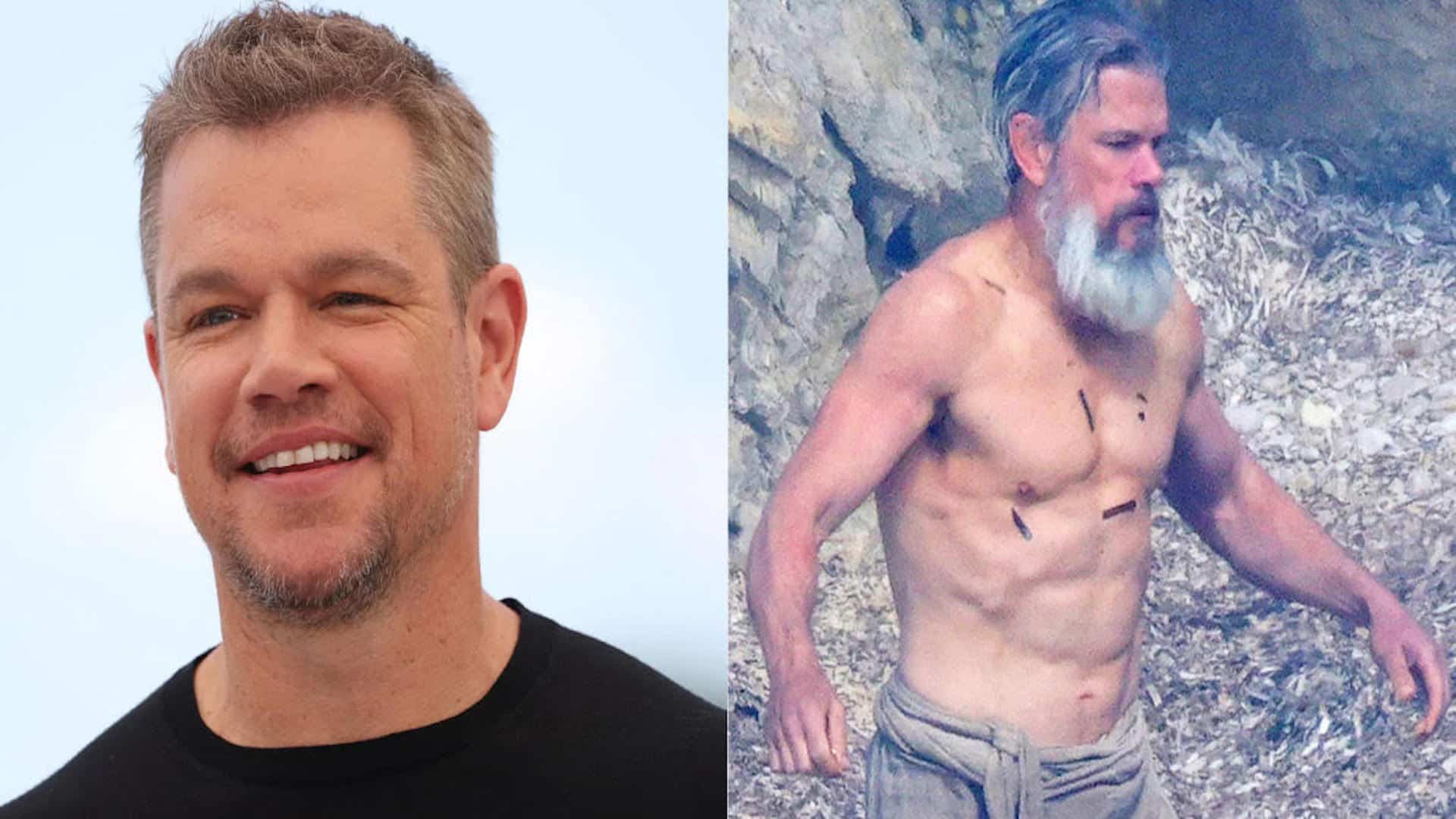
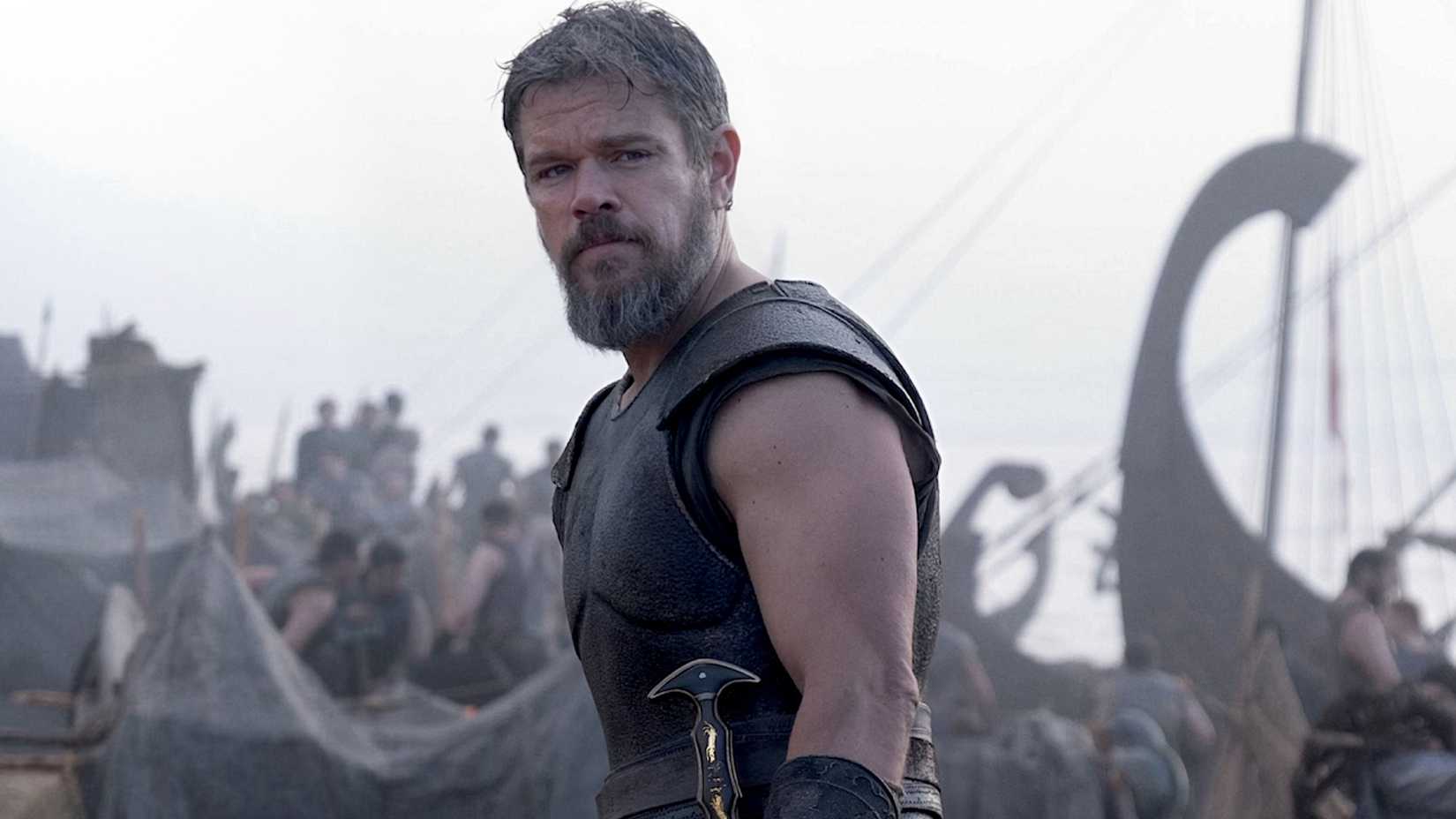
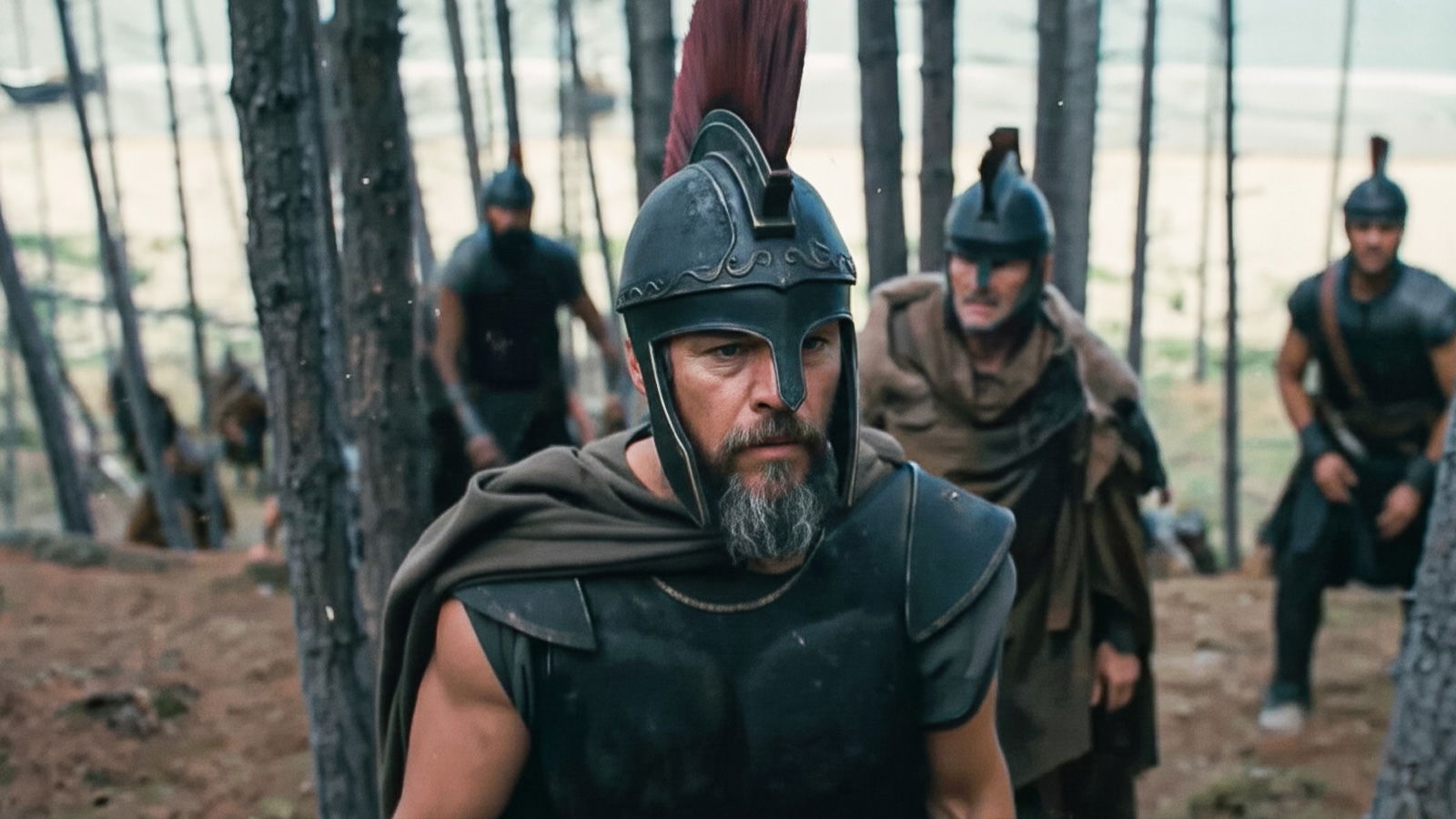
The casting of Matt Damon in the role of Odysseus within modern cinematic reinterpretations of Homer’s epic serves as a pivotal focal point for discussing how contemporary star power shifts audience expectations, narrative focus, and the thematic interpretation of ancient literature. By anchoring a classical hero to a globally recognized actor known for specific tropes—such as the "everyman survivor"—the production fundamentally alters the viewer's entry point into the myth.
Contents
The Evolution of the Classical Hero
For centuries, the figure of Odysseus has been interpreted through various lenses: the cunning strategist, the hubristic traveler, and the desperate husband. When a modern production chooses a performer like Matt Damon, the selection is rarely incidental. Damon’s career portfolio is heavily defined by roles involving competence under extreme pressure and long-term isolation—most notably seen in his portrayals in The Martian or Saving Private Ryan.
When audiences see Damon cast as Odysseus, they do not see a remote, marble-statue figure from antiquity. They see a protagonist whose primary characteristic is endurance. This casting choice effectively strips away some of the more archaic, mythical distance of the Odyssey, forcing the audience to engage with the character as a pragmatic problem-solver rather than an epic demigod. The "why" behind this casting decision rests on the need to make a complex, often morally ambiguous character relatable to a 21st-century demographic that values resilience and individual ingenuity over divine lineage.
Comparative Casting Approaches
To understand why the Matt Damon casting choice is significant, it is helpful to look at how different types of actors frame the narrative of the Odyssey. The following table illustrates how casting choices dictate the "flavor" of the adaptation.
| Casting Archetype | Likely Narrative Focus | Thematic Implication |
|---|---|---|
| The "Action Hero" (e.g., Dwayne Johnson) | Physical dominance and battle | Focuses on the "Iliad-adjacent" violence of the hero. |
| The "Everyman" (e.g., Matt Damon) | Psychological endurance and home | Focuses on the tragedy of separation and recovery. |
| The "Character Actor" (e.g., Tilda Swinton) | Philosophy, guile, and deception | Focuses on the mental gymnastics of the protagonist. |
| The "Classical Lead" (e.g., Kenneth Branagh) | Hubris, nobility, and status | Focuses on the tragedy of a fallen king. |
Damon represents the "Everyman" archetype. By casting him, filmmakers commit to a version of the Odyssey that emphasizes the human cost of war and the exhausting nature of the long journey home. This choice prioritizes the internal life of the character, which is often harder to convey in an epic poem than on film.
The Burden of Expectations: Star Power as Narrative Lens
The selection of an A-list actor like Damon comes with an inherent set of baggage that the film must navigate. His public persona—earnest, intelligent, and often seen as the "underdog who wins"—projects onto the character of Odysseus. In the original text, Odysseus is often described as polytropos (many-turned or devious). If the actor chosen lacks the capacity to show the darker, more manipulative sides of the Greek king, the adaptation risks losing the tension that makes the Odyssey compelling.
However, the "Matt Damon cast" matters because it acts as a shorthand for the production’s budget and ambition. High-profile casting is a signal to investors and the public that the project aims to be a definitive, mainstream interpretation. It shifts the project from an academic exercise in adaptation to a commercial tentpole. This visibility brings the Odyssey to audiences who might otherwise never engage with Greek literature, creating a cultural bridge between the ancient epic and contemporary cinema.
Technical Limitations and Character Growth
One of the primary challenges in adapting the Odyssey is the sheer length and episodic nature of the story. Unlike a contained mystery, the epic spans ten years of wandering. An actor must be able to sell the concept of aging and existential fatigue.
By leveraging an actor of Damon’s stature, the production can utilize close-up, character-focused cinematography that would be wasted on a lesser-known performer. The nuances of guilt, longing, and trauma—essential elements of Odysseus's return to Ithaca—become the centerpiece. The casting matters here because it creates a tether for the audience: they are not watching "an ancient Greek hero"; they are watching a familiar actor navigate a series of impossible situations, which encourages a deeper emotional investment in the character’s survival.
Addressing the Moral Ambiguity
A critical aspect of the Odyssey that often baffles modern audiences is Odysseus’s moral complexity. He is a hero who lies, manipulates, and survives through trickery. The Matt Damon brand is generally associated with protagonists who, despite their flaws, are fundamentally seeking the "right" path.
When this persona is placed in the role of Odysseus, it creates an interesting friction. Does the actor play against his usual type, or does the script rewrite Odysseus to be more palatable to contemporary sensibilities? This is the central tension of the casting choice: the potential for a "whitewashed" hero who is easier to root for but lacks the true complexity of Homer’s original character.
Frequently Asked Questions
Why does the actor's background influence the interpretation of an ancient text? An actor’s previous roles build a psychological shorthand with the audience. When a viewer sees a familiar face, they subconsciously apply the traits of that actor’s previous characters to the new role, which can influence how the audience perceives the character's motivations and morality.
Does casting an A-list star like Matt Damon limit the artistic freedom of an adaptation? Often, yes. Star power requires a certain level of commercial viability, which may pressure directors to focus on broad-appeal action sequences rather than the dense, philosophical nature of the original poem.
How does the "Everyman" portrayal of Odysseus compare to the original epic? The Homeric Odysseus is a King and a warrior of noble, if flawed, stature. The "Everyman" portrayal seeks to emphasize his vulnerability and his relatable struggle to reach his family, arguably trading some of the epic’s inherent "distance" for increased viewer empathy.
Can an actor change the historical context of the Odyssey? While the actor cannot change the setting or the plot points of the 2026 production, they change the emotional tone. An actor’s delivery of key monologues—such as those regarding the nature of mortality or the longing for home—can make a 3,000-year-old text feel immediate and urgent.
What is the biggest risk of casting a high-profile star in this role? The risk is "personality overshadowing the character." If the audience spends the film thinking, "That's Matt Damon playing a hero," rather than "That is Odysseus," the suspension of disbelief required for a fantasy epic is broken.
Recommendation
If you are analyzing the impact of this casting, prioritize viewing the work as a bridge between classical literature and modern audience expectations. The casting of Matt Damon represents a strategic pivot toward psychological realism. To understand the production fully, focus on the director’s choice to either lean into or subvert Damon’s established onscreen persona. If the adaptation successfully balances the actor's natural charisma with the darker, more cunning aspects of Odysseus, it will likely stand as a benchmark for how we recontextualize antiquity for the modern era.
Image Gallery