Unpacking the Tragedy: What Went Wrong at the Aunt Diane Crime Scene and Crash Site
Disambiguation Note: This article examines the forensic timeline, investigative findings, and public safety implications surrounding the tragic 2009 Taconic State Parkway crash involving Diane Schuler, frequently queried online through...
Disambiguation Note: This article examines the forensic timeline, investigative findings, and public safety implications surrounding the tragic 2009 Taconic State Parkway crash involving Diane Schuler, frequently queried online through true crime discussions and psychological analyses as the "Aunt Diane crime scene."
Contents
Seventeen years after the harrowing events of July 26, 2009, the Taconic State Parkway tragedy remains one of the most polarizing and intensively analyzed vehicular incidents in modern American forensic history. The investigation into what happened when Diane Schuler drove the wrong way for nearly two miles before colliding head-on with an SUV continues to draw massive public interest. True crime researchers, forensic toxicologists, and highway safety experts still dissect the event, examining the physical evidence recovered from the crash scene, the toxicology reports, and the systemic failures that preceded the disaster.
Reviewing the physical layout of the accident scene, the forensic methodologies utilized by New York State Police, and the psychological interpretations of the event requires an objective look at the data. As we examine the case in 2026, advancing forensic standards and improved corridor safety provide fresh context for understanding how such a catastrophic failure of human and infrastructural systems occurred.
Reconstructing the Physical Layout of the Taconic State Parkway Incident
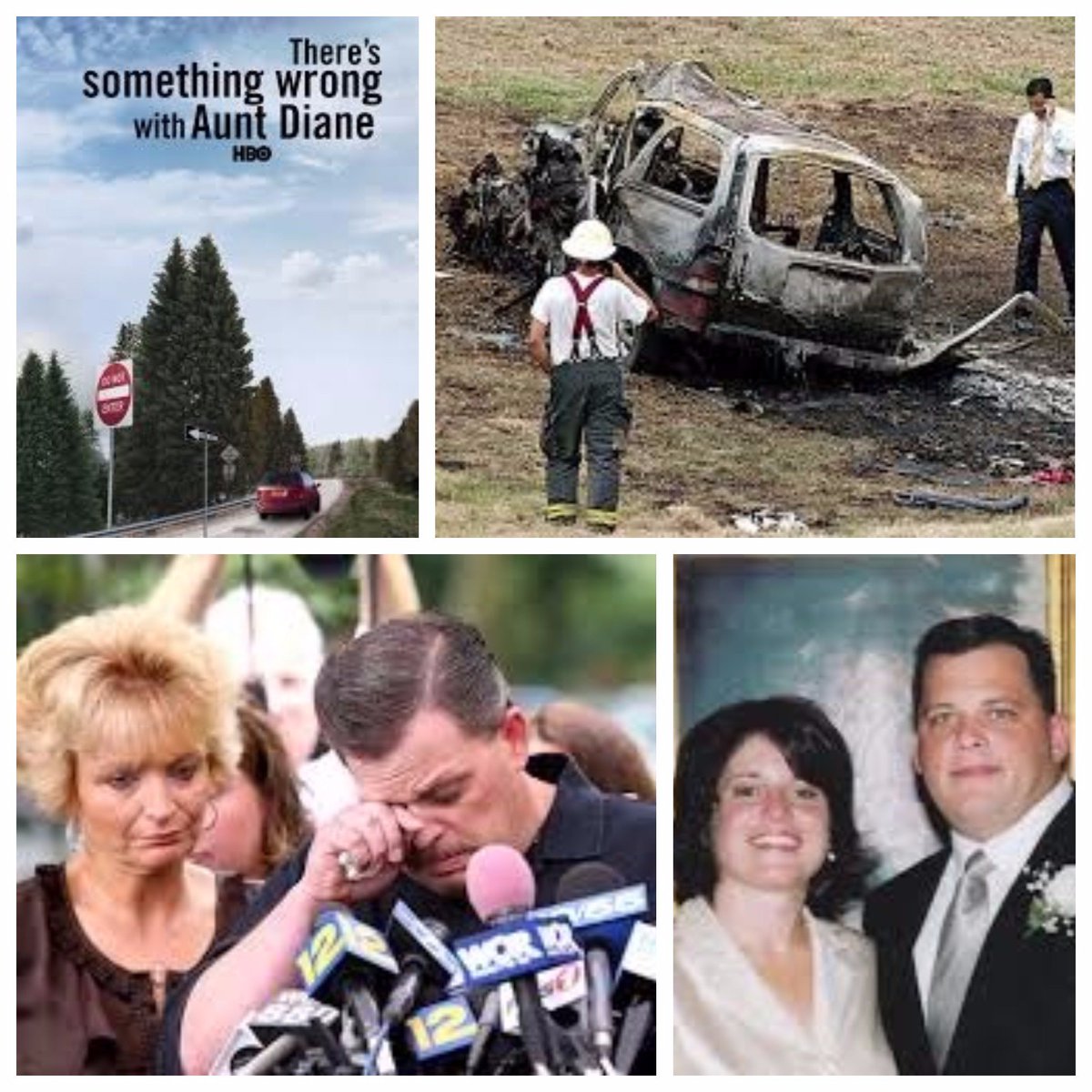
The physical evidence documented at the accident scene on the Taconic State Parkway in Westchester County, New York, paints a devastating picture of kinetic energy and high-speed impact. Investigators mapped a complex debris field stretching across the northbound lanes near Exit 42. Understanding the physical layout requires reviewing the sequence of structural markers and vehicle telemetry.
- The Point of Origin: Evidence suggests the Ford Windstar minivan entered the parkway traveling southbound in the northbound lanes at a high-rate-of-speed interchange section, confusing the directional signage.
- The Traversal Distance: Eyewitness accounts and 911 dispatch logs confirmed that Schuler drove approximately 1.7 miles against oncoming traffic while ignoring frantic flashing lights, horn blasts, and screaming motorists.
- The Impact Zone: The final collision occurred on a slight curve, severely limiting the reaction time of oncoming drivers, most notably Guy Bastardi, who was driving a Chevrolet Trailblazer with his father and family friends as passengers.
- The Forensic Vehicle Inspection: Mechanical inspections of the minivan revealed no steering, braking, or structural failures predating the impact, shifting the primary focus entirely to human factors and environmental triggers.
| Forensic Marker | Observed Evidence | Investigative Significance |
|---|---|---|
| Brake Application Data | Minimal to absent pre-impact braking | Indicates delayed reaction time, severe cognitive impairment, or intentional direction |
| Tire Contact Patches | Consistent with continuous high-speed driving | Confirms the vehicle maintained forward momentum without mechanical hesitation |
| Point of Rest | Severe front-end structural intrusion | Demonstrates extreme velocity at the moment of impact, leading to instant fatalities |
| Cabin Contamination | Alcohol bottles and botanical cannabis residue | Provided the foundational evidence for subsequent toxicological screening |
Forensic Toxicology and the Central Controversy
The most contentious aspect of the investigation centers on the toxicology findings released by the Westchester County Medical Examiner's Office. Post-mortem examinations of Diane Schuler revealed a blood alcohol concentration (BAC) of 0.19 percent—more than double the legal driving limit in New York—alongside a high concentration of un-metabolized THC in her system.
Toxicologists and independent accident reconstructionists have debated the timeline of consumption. Family members vehemently maintained that Schuler was a responsible mother and corporate executive who would never drive intoxicated with children in the vehicle. Conversely, forensic experts underscored that a BAC of 0.19 coupled with active cannabis metabolites points to acute impairment that severely degrades spatial awareness, motor function, and decision-making capabilities.
Understanding Acute Intoxication and Driving Performance
- Visual Processing Degradation: High levels of alcohol restrict peripheral vision and slow the brain's ability to process rapidly changing road signs, particularly at dusk or night.
- Cognitive Tunneling: Impaired drivers often fixate on a single visual point, which explains why Schuler allegedly stared straight ahead, unresponsive to oncoming headlights and blaring horns.
- Delayed Motor Responses: The physical lag between recognizing a hazard and lifting the foot from the accelerator increases exponentially under the influence, preventing corrective maneuvers like pulling onto the shoulder.
Forensic Toxicology Standards Post-mortem toxicology requires evaluating multiple biological specimens, including vitreous humor, peripheral blood, and liver tissue, to account for post-mortem redistribution. In this case, independent reviews consistently confirmed the presence of both alcohol and active cannabinoids, establishing intoxication as a primary contributing factor.
Psychological Autopsy and Hidden Stressors
Beyond the physical toxicology, investigators conducted a psychological autopsy to determine what internal or external stressors might have precipitated the disaster. Witnesses noted that Schuler had returned from a camping trip earlier that day, complaining of a toothache and general fatigue. However, no prior history of chronic substance abuse was documented by friends or colleagues.
Behavioral analysts suggest that acute compartmentalized stress or an unexpected medical episode, such as a severe migraine, temporal lobe seizure, or a sudden dissociative state, could have interacted with the substances in her system. This intersection of physiological distress and chemical impairment forms the core of ongoing academic debates in forensic psychology.
Infrastructure and Wayfinding Failures on Historical Parkways
While driver impairment remains the central pillar of the official conclusion, highway safety engineers have continuously scrutinized the design of the Taconic State Parkway itself. Built during the early-to-mid 20th century, the parkway features narrow lanes, limited shoulders, and historical exit ramps that can disorient drivers unfamiliar with the specific interchanges, particularly under low-visibility conditions.
| Engineering Factor | Historical Design (2009) | Modern Remediation Standards (2026) |
|---|---|---|
| Signage Visibility | Standard retroreflective aluminum plates | High-intensity prismatic sheeting with overhead illumination |
| Wrong-Way Delineation | Basic single "Do Not Enter" markers | Flashing LED-embedded warning systems and directional spike strips |
| Median Separation | Grass medians with minimal physical barriers | High-tension cable barriers preventing crossover collisions |
| Ramp Geometry | Tight, acute-angle merge lanes | Expanded taper lengths and widened acceleration lanes |
Frequently Asked Questions
What officially caused the Taconic State Parkway crash?
The official investigation concluded that Diane Schuler drove the wrong way while heavily intoxicated and impaired by alcohol and cannabis, leading to the head-on collision. Comprehensive forensic testing and reconstruction reports supported this finding.
Was mechanical failure ruled out during the investigation?
Yes. Thorough mechanical inspections of the Ford Windstar minivan confirmed that the steering, braking, and powertrain systems were fully operational prior to the impact.
How much alcohol was found in the driver's system?
Post-mortem toxicology reports indicated a blood alcohol concentration (BAC) of 0.19 percent, alongside evidence of recent cannabis use.
Why did the driver continue traveling the wrong way despite warnings?
Experts attribute the failure to yield or correct direction to severe cognitive and visual impairment caused by the substances found in her system, resulting in delayed reaction times and tunnel vision.
What safety improvements have been made to the Taconic State Parkway since the incident?
Transportation authorities have deployed advanced wrong-way detection systems, enhanced reflective signage, and improved median barriers to mitigate the risk of similar crossover accidents.
Securing Highway Safety and Forensic Integrity
The tragedy on the Taconic State Parkway serves as a sobering reminder of the devastating consequences of impaired driving and the vital importance of rigorous forensic science. Understanding what went wrong requires balancing objective toxicological data with an ongoing commitment to modernizing highway infrastructure. For motorists, families, and safety advocates, studying these historical cases reinforces the absolute necessity of sober driving, vigilant monitoring of physical well-being behind the wheel, and continuous technological upgrades to our transportation networks.
Image Gallery