What Professional Mold Remediators Do
Professional mold remediators identify, isolate, and eliminate indoor fungal growth while addressing the underlying moisture source to prevent recurrence. By following the IICRC S520 standard, they use containment barriers, HEPA-filter...
Professional mold remediators identify, isolate, and eliminate indoor fungal growth while addressing the underlying moisture source to prevent recurrence. By following the IICRC S520 standard, they use containment barriers, HEPA-filtered air scrubbers, and controlled demolition to remove contaminated materials, ensuring that spores do not spread to unaffected areas during the restoration process.
Contents
The Foundation of Professional Remediation: Beyond Surface Cleaning
To understand what professional mold remediators do, it is essential to distinguish between "cleaning" and "remediation." While cleaning involves wiping away visible spots, remediation is a comprehensive structural process aimed at returning an indoor environment to a normal fungal ecology (often referred to as Condition 1). As of 2026, the industry continues to lean heavily on the standards set by the Institute of Inspection, Cleaning and Restoration Certification (IICRC), specifically the S520 Standard for Professional Mold Remediation.
Remediators are not just "mold cleaners"; they are environmental technicians trained in microbiology, building science, and health and safety. Their primary objective is to protect the occupants and the structure by managing the lifecycle of mold spores, which are microscopic and easily aerosolized. If a DIY approach is taken with a major infestation, the simple act of scrubbing can launch millions of spores into the HVAC system, contaminating the entire property. Professionals prevent this through a rigorous, multi-step engineering control process.
Step 1: Comprehensive Assessment and Moisture Mapping
Before any physical work begins, a professional remediator must act as a detective. Mold is a symptom of a moisture problem; without fixing the water source, the mold will inevitably return.
Infrared Thermography and Moisture Meters
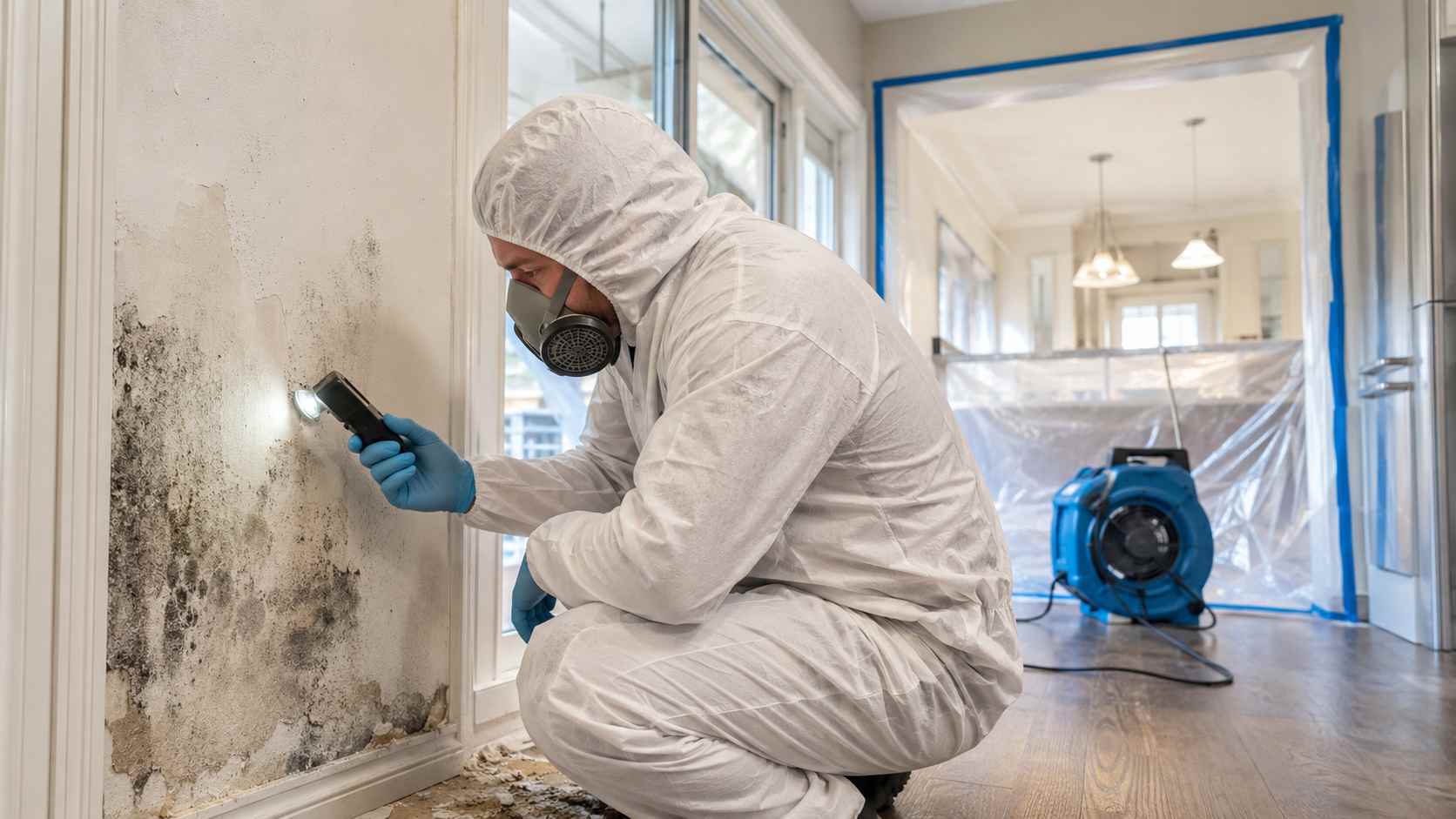
In 2026, technicians utilize advanced infrared (IR) cameras to detect temperature differentials behind drywall. These "cool spots" often indicate hidden moisture from leaking pipes or failing insulation. They supplement this with invasive and non-invasive moisture meters to determine the moisture content of wood, gypsum, and masonry.
Developing the Scope of Work
The assessment phase concludes with a written remediation plan. This document outlines the "Category" of water involved (e.g., clean water from a pipe vs. "black water" from a sewer) and the "Class" of the intrusion (the scale of evaporation needed). This roadmap ensures that the remediation team knows exactly which walls need to come down and which can be salvaged through "sand-off" or "wire-brush" techniques.
Step 2: Establishing Containment Barriers
One of the most critical things a professional remediator does is "boxing in" the problem. Without containment, the remediation process itself becomes a health hazard.
Physical Barriers
Technicians construct critical barriers using 6-mil fire-retardant polyethylene sheeting. They seal off doorways, windows, and, most importantly, the HVAC registers. If the air handling system is not isolated, the furnace or air conditioner will act as a distribution hub for mold spores the moment work begins.
Negative Air Pressure
This is the hallmark of a professional setup. Remediators use Negative Air Machines (NAMs) equipped with HEPA (High-Efficiency Particulate Air) filters. By venting the exhaust from these machines to the outdoors, they create a vacuum effect within the containment zone. This ensures that whenever a technician enters or exits the "dirty" area, air is pulled into the containment rather than spores leaking out into the rest of the home.
Step 3: Air Filtration and Spore Management
Even with containment, the air inside the work zone becomes thick with spores during demolition. Professional remediators use "air scrubbing" to manage this.
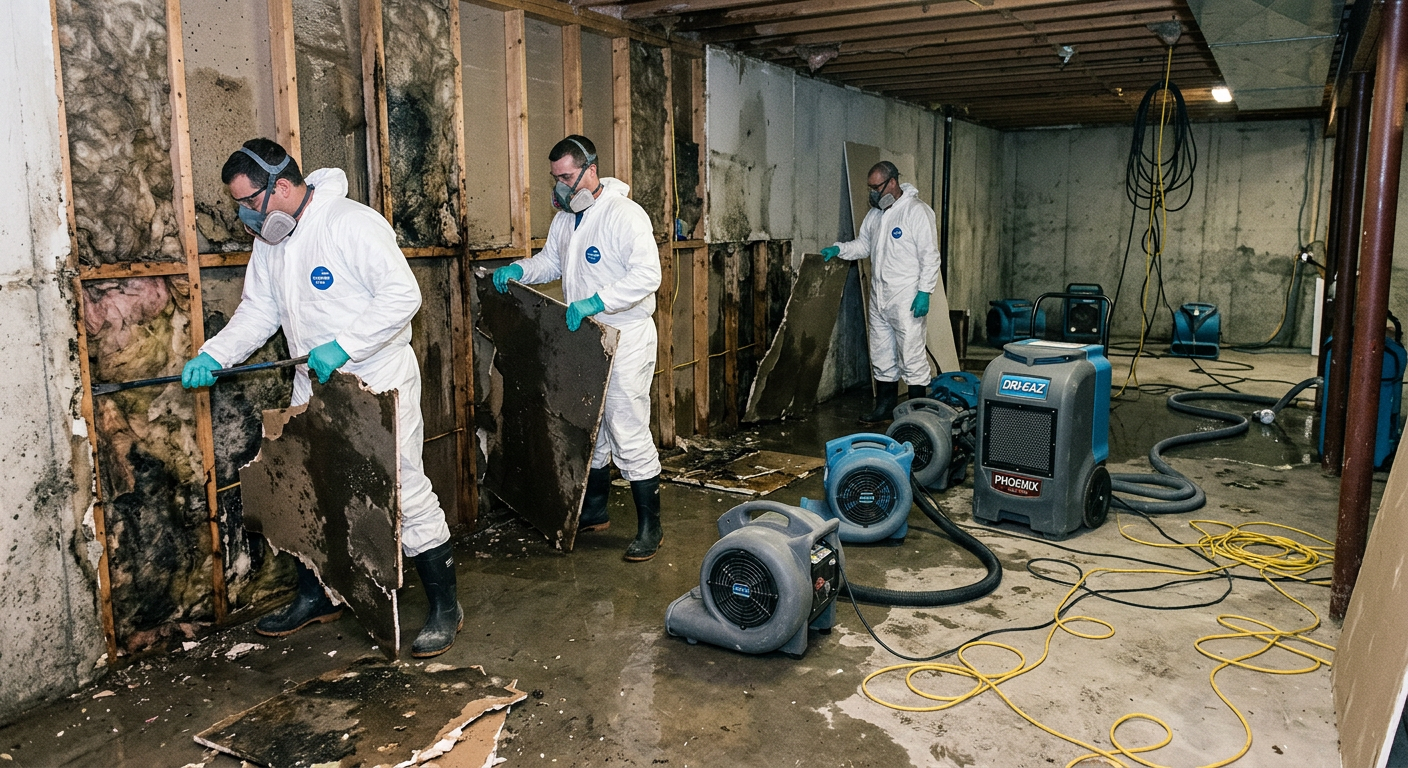
Air scrubbers are high-volume filtration systems that recirculate the air within the containment area multiple times per hour. To meet professional standards, these machines must be fitted with HEPA filters capable of capturing 99.97% of particles as small as 0.3 microns. This process continues throughout the remediation and usually for 24 to 48 hours after the physical cleaning is complete to ensure "air scrubbing" is finalized before the containment is taken down.
Step 4: Controlled Demolition and Material Removal
Not all moldy materials can be saved. Professional remediators categorize materials into three types to determine their fate:
- Porous Materials: Drywall, insulation, carpet, and ceiling tiles. If these are "Condition 3" (visible growth) or "Condition 2" (settled spores), they are typically removed and discarded.
- Semi-Porous Materials: Structural wood and masonry. These are often salvaged through abrasive cleaning (sanding, wire brushing, or dry-ice blasting).
- Non-Porous Materials: Metal, glass, and hard plastics. These can usually be effectively cleaned and sanitized.
When removing porous materials, professionals utilize "double-bagging" techniques. Contaminated debris is placed in heavy-duty bags, the exterior of the bag is wiped down with an antimicrobial solution, and it is then passed through a "decompression chamber" or airlock to prevent cross-contamination of the hallway or exit path.
Step 5: HEPA Vacuuming and Detailed Cleaning
Once the bulk of the moldy material is gone, the remediator focuses on the microscopic remnants. This is a labor-intensive process that follows a specific order: Top to Bottom, Back to Front.
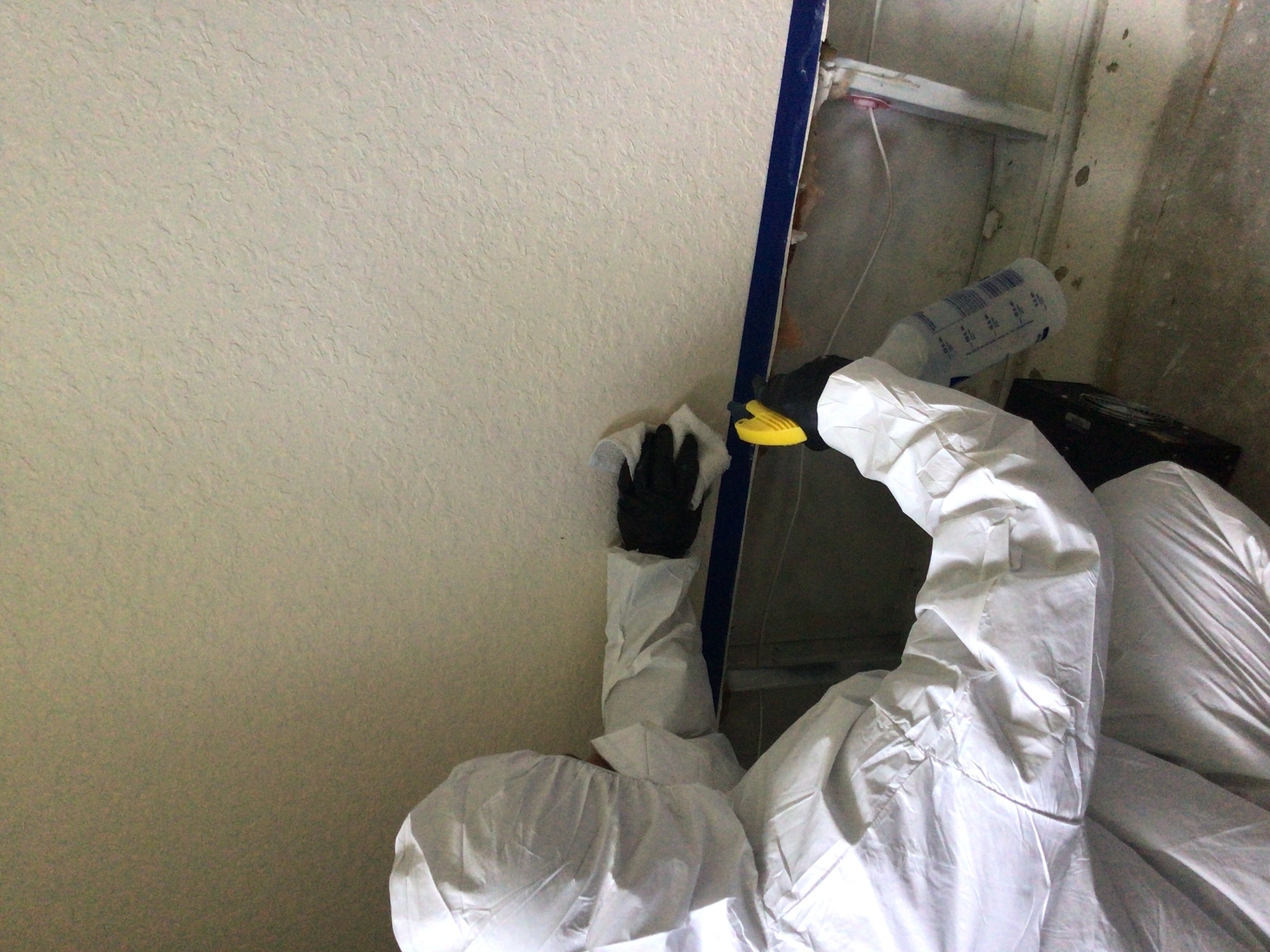
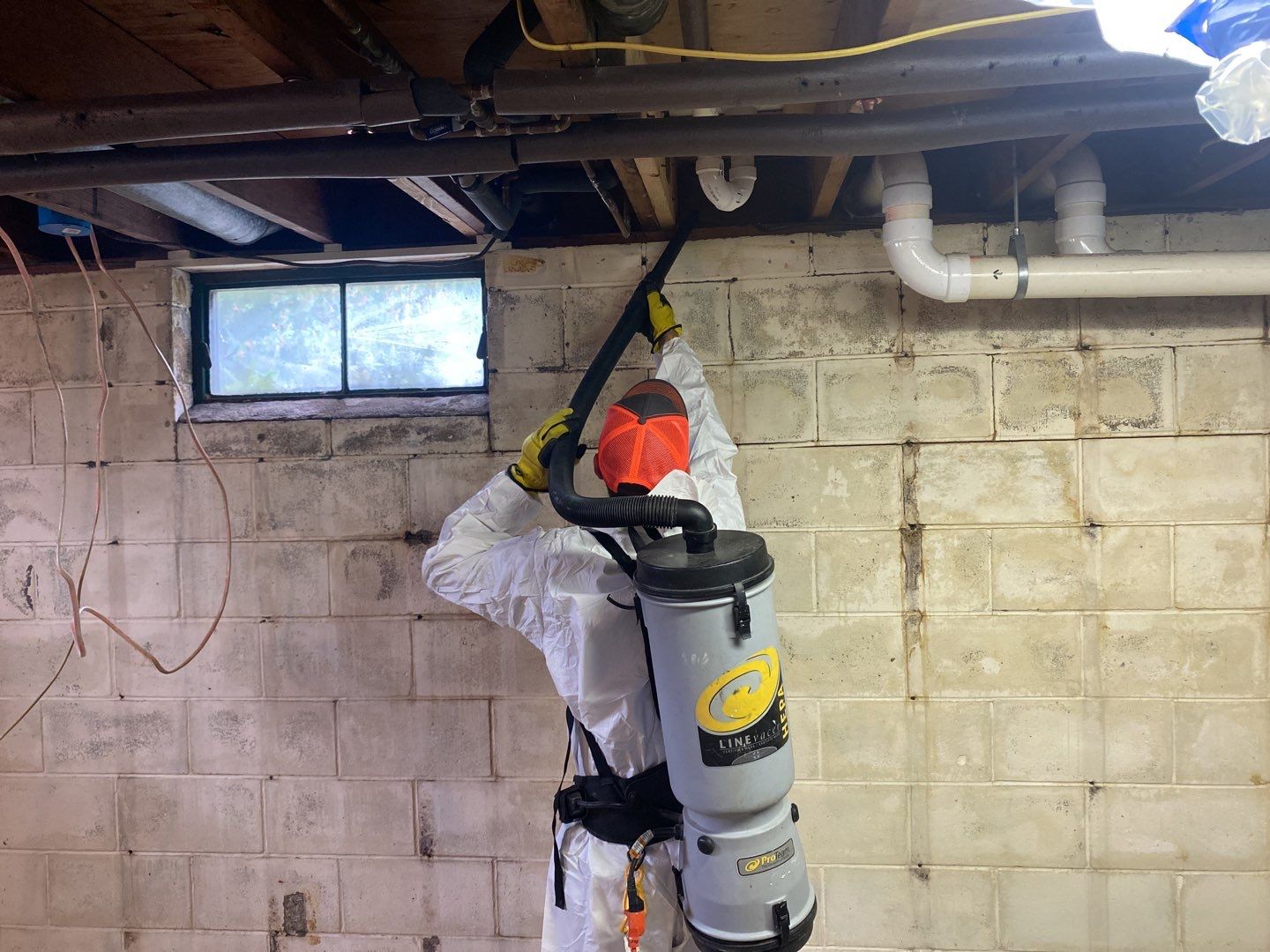
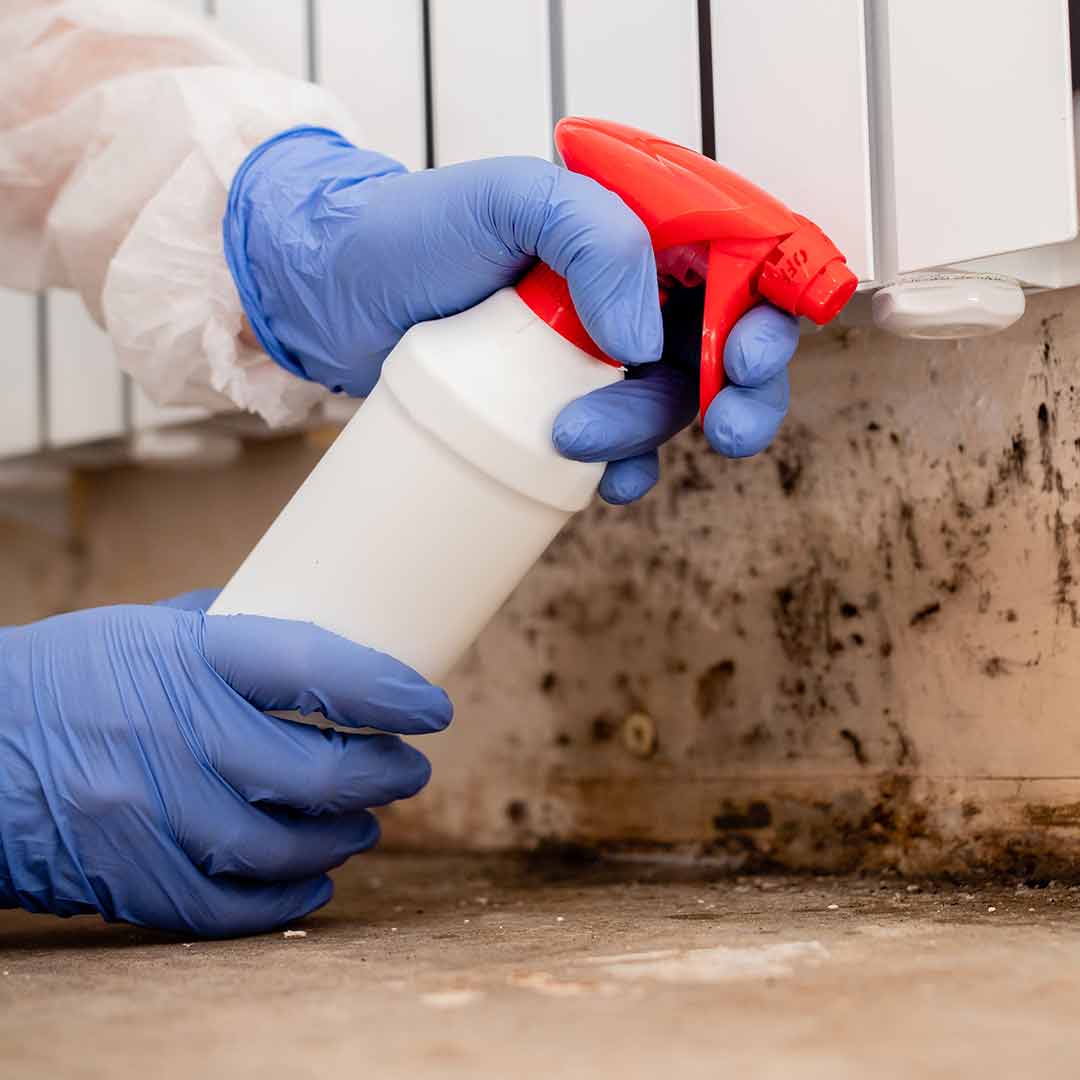
The technicians use HEPA vacuums on every square inch of the containment area, including the studs, the floor, and the interior of the polyethylene sheeting. They then perform a "wet wipe" using specialized EPA-registered antimicrobials. This is not just a generic disinfectant; these are industrial-grade solutions designed to penetrate the cellular walls of fungi.
| Equipment / Method | Purpose in Remediation | Primary Benefit |
|---|---|---|
| HEPA Vacuum | Captures microscopic spores from surfaces. | Prevents spores from becoming airborne again. |
| Air Scrubber | Continuously cleans the air inside containment. | Lowers the spore count to safe levels. |
| Antimicrobial Wash | Kills remaining fungal roots (hyphae). | Prevents immediate regrowth on semi-porous surfaces. |
| Dehumidifier | Drops Relative Humidity (RH) below 50%. | Eliminates the environment mold needs to survive. |
| Thermal Imaging | Identifies hidden moisture behind walls. | Ensures the root cause of the mold is identified. |
Step 6: Encapsulation (Optional but Common)
In some instances, particularly in crawlspaces or attics, a professional may apply an encapsulant. This is a specialized coating (similar to paint but with fungicidal properties) that seals the surface of structural wood. It serves two purposes: it locks down any remaining microscopic spores and provides a moisture-resistant barrier that prevents new spores from taking root if humidity spikes in the future.
Step 7: Post-Remediation Verification (PRV)
A key sign of a reputable professional is their insistence on third-party verification. A remediator should not "clear" their own work, as this represents a conflict of interest.
Once the cleaning is done but before the containment is removed, an independent Environmental Consultant or Industrial Hygienist is brought in. They perform:
- Visual Inspections: Checking for any dust or debris (which could harbor spores).
- Air Sampling: Comparing the spore count inside the containment area to the spore count outdoors.
- Surface Sampling: Tape lifts or swabs to ensure no active colonies remain.
Only after the independent lab results confirm the area is "clear" does the remediator dismantle the containment and allow for the reconstruction (repairing drywall, etc.) to begin.
Safety Protocols and Personal Protective Equipment (PPE)
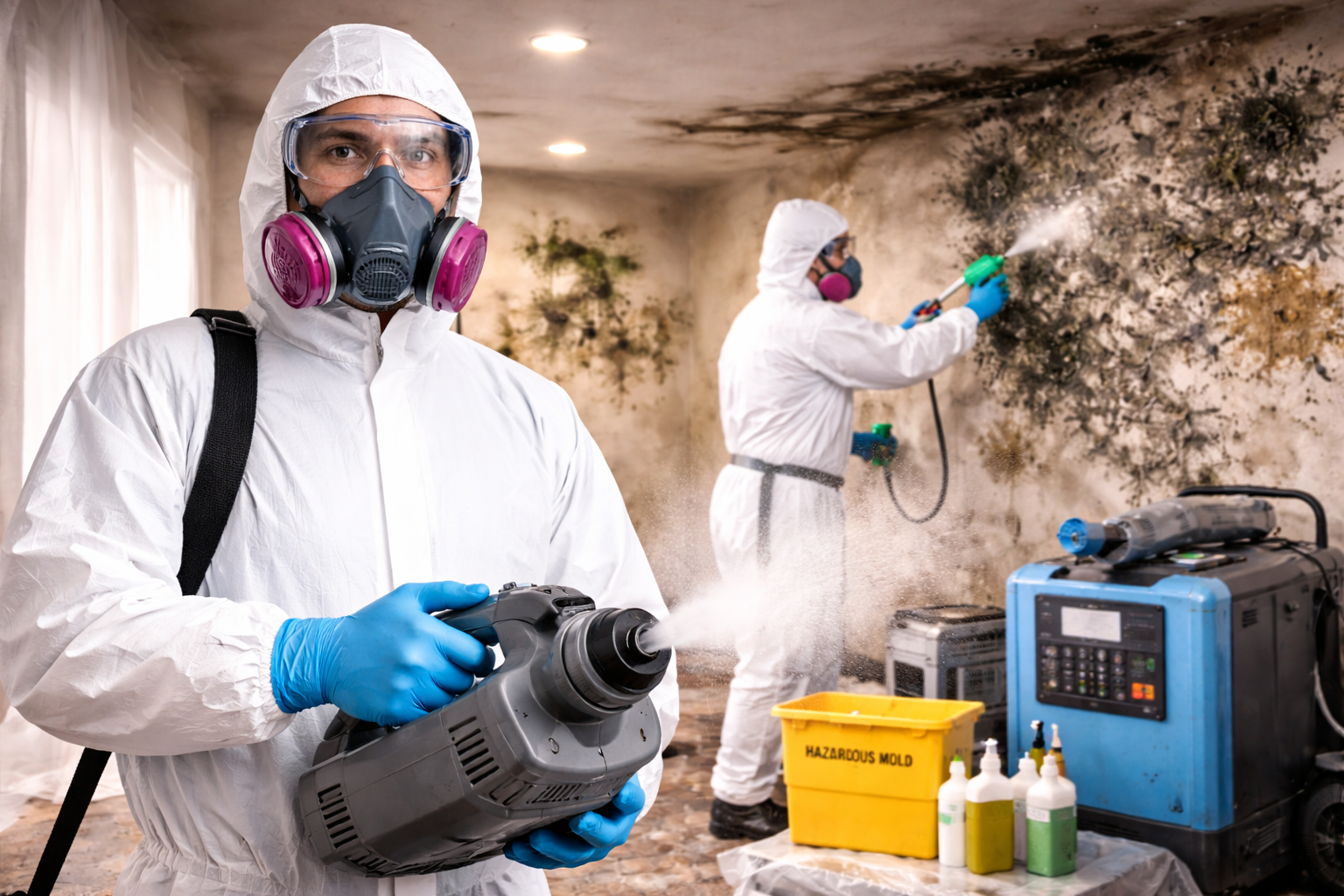
Remediation is hazardous work. Professionals are required by OSHA (Occupational Safety and Health Administration) guidelines to wear specific PPE. This typically includes:
- Full-body Tyvek suits to prevent spores from hitchhiking on clothing.
- N95 or P100 respirators to protect the lungs from mycotoxins and spores.
- Gloves and goggles to protect against chemical irritants and fungal infection.
2026 Cost Considerations for Professional Services
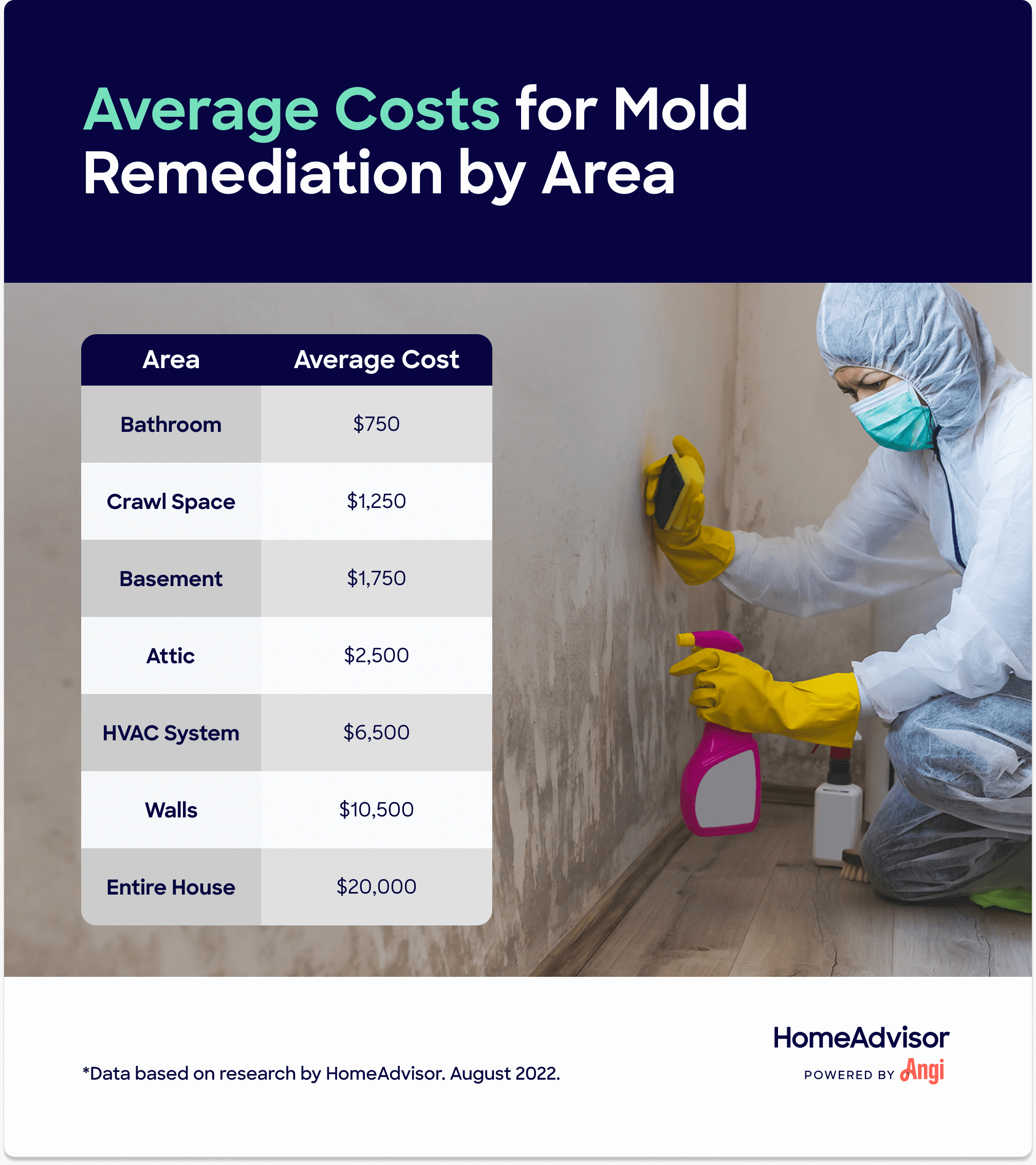
As of 2026, the cost of professional mold remediation remains dependent on the square footage of the affected area and the complexity of the containment. On average, homeowners can expect to pay:
- Minor Remediation (under 100 sq ft): $1,500 – $4,000.
- Moderate Remediation (Whole room/Attic): $4,500 – $9,000.
- Major Remediation (Multiple floors/HVAC): $10,000 – $30,000+.
These costs cover the specialized labor, the high-end equipment rental (which runs 24/7), and the legal disposal of hazardous waste.
Frequently Asked Questions
Can I just use bleach instead of hiring a professional?
No. The EPA and professional standards advise against using bleach on porous surfaces like drywall or wood. Bleach contains roughly 90% water; while the chlorine stays on the surface, the water soaks into the material, potentially feeding the mold roots (hyphae) deeper into the structure. Professionals use surfactants and antimicrobials that break the surface tension to kill the mold at its source.
How long does the professional remediation process take?
Generally, the process takes between 3 to 7 days. This includes the setup of containment, the physical removal of materials, and the 24-48 hour window required for air scrubbing and post-remediation testing. If structural drying is required due to a recent flood, the timeline may extend.
Does homeowners insurance cover professional mold remediation?
Coverage depends on the "cause of loss." If the mold resulted from a "sudden and accidental" event, such as a burst pipe, it is often covered. However, if the mold was caused by long-term neglect, a slow roof leak, or high humidity, insurance companies frequently deny the claim. Many policies in 2026 have a specific "Mold Limitation" cap, often ranging from $5,000 to $10,000.
Is it safe to stay in the house during remediation?
If the mold is confined to a single room (like a bathroom) and the remediator has established proper negative pressure containment, it is usually safe to stay. However, for large-scale projects or if a member of the household is immunocompromised, has asthma, or is elderly, relocation is highly recommended during the active demolition phase.
Why do remediators cut out more drywall than what looks moldy?
Mold often grows invisibly on the backside of drywall where condensation occurs. Professionals follow the "one-foot rule" or "two-foot rule," removing material at least 12 to 24 inches beyond the last visible sign of mold to ensure they have reached "clean" studs and captured the entire colony.
Final Recommendation
If you suspect a mold problem, the first step is to identify the moisture source. If the affected area is larger than 10 square feet (roughly a 3x3 patch), the EPA recommends hiring a professional. When selecting a contractor, ensure they are IICRC certified, carry Pollution Liability Insurance, and are willing to provide a detailed, written scope of work. Never settle for a company that does not use containment or negative air pressure, as this significantly increases the risk of cross-contaminating your property.
Image Gallery