O2P Overview and Practical Considerations
O2P—frequently denoting concepts such as Office-to-Print or various operational platform frameworks depending on the exact engineering context—involves streamlining document delivery, data transformation, or pipeline workflows to bridg...
O2P—frequently denoting concepts such as Office-to-Print or various operational platform frameworks depending on the exact engineering context—involves streamlining document delivery, data transformation, or pipeline workflows to bridge disparate systems. Understanding its architectural foundations, workflow stages, and operational constraints is essential for successful technical implementation and performance optimization.
Contents
Introduction to O2P Architecture and Core Concepts
In modern technical environments, workflow orchestration often requires dedicated mechanisms to translate inputs from one format or domain into a reliable output format. The O2P model functions as a structured pipeline designed to ingest raw operational inputs, apply transformation rules, and deliver finalized outputs efficiently. While the acronym can apply across multiple technical verticals, its foundational goal remains consistent: eliminating friction in data processing and reducing manual intervention.
At its core, an O2P system comprises three primary layers: the ingestion layer, the processing engine, and the delivery destination. The ingestion layer captures incoming payloads via APIs, watched directories, or message queues. The processing engine handles data sanitization, schema validation, transformation, and rendering. Finally, the delivery layer routes the finished artifact to physical printers, cloud storage repositories, or downstream application endpoints.
Implementing an O2P framework successfully requires a thorough understanding of system prerequisites, hardware and software dependencies, security compliance, and potential bottlenecks. Organizations adopting these methodologies must evaluate both immediate technical requirements and long-term maintenance overhead to ensure sustainable operations.
Prerequisites and System Requirements
Before deploying an O2P pipeline or integrating a related platform into an existing enterprise infrastructure, administrators must verify that all baseline prerequisites are met. Overlooking these requirements often leads to performance degradation, security vulnerabilities, or synchronization failures during peak operational loads.
Hardware and Resource Allocation
Processing complex transformation jobs or high-volume data streams demands adequate computational headroom.
- CPU Specifications: Multi-core processors are typically required to handle concurrent parsing and rendering threads without blocking the main event loop.
- Memory (RAM): Sufficient RAM must be allocated to buffer large payloads in memory, preventing frequent disk swapping and reducing latency.
- Storage Performance: Solid-state drives (SSDs) with high input/output operations per second (IOPS) are strongly recommended for staging directories and temporary cache storage.
Software Environment and Dependencies
The software stack supporting an O2P workflow must be meticulously maintained. Operating system dependencies, runtime libraries, and third-party utility packages must align with the specifications of the processing engine. Containerization technologies, such as Docker, and orchestration platforms like Kubernetes are frequently utilized to ensure consistent deployment environments across development, staging, and production clusters.
Workflow Stages and Technical Implementation
The lifecycle of an O2P job moves through a predictable sequence of programmatic states. Each stage introduces specific error-handling requirements and performance considerations that engineers must address during design and coding.
- Ingestion Source
- Ingestion and Job Queuing: Incoming requests enter the system through secure endpoints. To prevent resource exhaustion during traffic spikes, requests are placed into a durable job queue (such as RabbitMQ, Apache Kafka, or Redis-backed queues). This decouples the ingestion rate from the processing capacity, ensuring system stability.
- Validation and Sanitization
- Before any transformation occurs, the pipeline must inspect the incoming payload. Schema validation ensures that all mandatory fields, formatting constraints, and security tokens are present. Payloads failing validation are immediately routed to a dead-letter queue (DLQ) for inspection, preventing malformed data from crashing downstream workers.
- Processing and Transformation
- Processing and Rendering: Once validated, the core engine transforms the data according to predefined templates or business logic rules. This step may involve applying style sheets, merging dynamic datasets, compressing assets, or compiling code. Resource isolation is critical here to prevent runaway processes from consuming all available server memory.
- Delivery and Archival
- Delivery and Archival: The final output is dispatched to its intended destination—whether that is a physical network printer, an enterprise resource planning (ERP) system, or an S3-compatible object storage bucket. Concurrently, audit logs are updated, and temporary staging files are purged from the system.
1. Ingestion and Job Queuing
Incoming requests enter the system through secure endpoints. To prevent resource exhaustion during traffic spikes, requests are placed into a durable job queue (such as RabbitMQ, Apache Kafka, or Redis-backed queues). This decouples the ingestion rate from the processing capacity, ensuring system stability.
2. Validation and Sanitization
Before any transformation occurs, the pipeline must inspect the incoming payload. Schema validation ensures that all mandatory fields, formatting constraints, and security tokens are present. Payloads failing validation are immediately routed to a dead-letter queue (DLQ) for inspection, preventing malformed data from crashing downstream workers.
3. Processing and Rendering
Once validated, the core engine transforms the data according to predefined templates or business logic rules. This step may involve applying style sheets, merging dynamic datasets, compressing assets, or compiling code. Resource isolation is critical here to prevent runaway processes from consuming all available server memory.
4. Delivery and Archival
The final output is dispatched to its intended destination—whether that is a physical network printer, an enterprise resource planning (ERP) system, or an S3-compatible object storage bucket. Concurrently, audit logs are updated, and temporary staging files are purged from the system.
Comparison of O2P Integration Strategies
Organizations can approach O2P implementation through several architectural models, depending on existing infrastructure, scalability needs, and budgetary constraints.
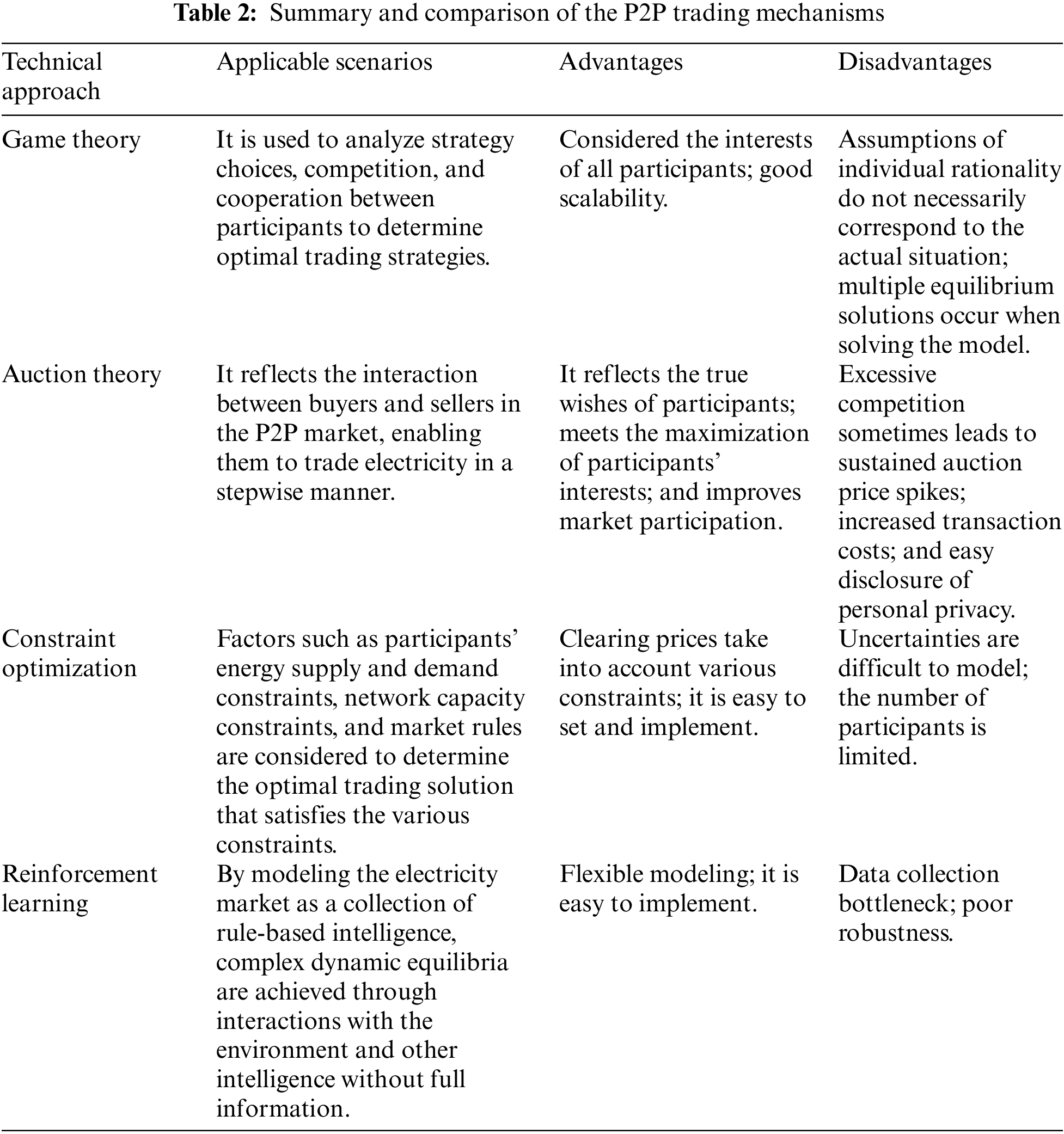
| Integration Strategy | Primary Advantage | Key Disadvantage | Best Suited For |
|---|---|---|---|
| On-Premises Monolith | Complete data control and security | High maintenance and capital expense | Highly regulated sectors with strict data residency rules |
| Cloud-Managed Service | Rapid deployment and auto-scaling | Ongoing subscription costs and vendor lock-in | Fast-growing enterprises prioritizing agility |
| Hybrid Pipeline | Balanced cost and workload distribution | Complex networking and synchronization setup | Organizations migrating legacy data centers to the cloud |
Operational Considerations and Cost Management
Deploying an O2P solution involves ongoing operational commitments that extend far beyond initial software licensing or setup. Financial planning must account for compute scaling, network bandwidth, storage retention policies, and administrative overhead.
Cloud-based architectures scale dynamically with demand, which optimizes costs during low-traffic periods but can lead to unexpected expenses if infinite loops or unoptimized queries occur. Setting up strict billing alerts, resource quotas, and autoscaling thresholds is vital for financial predictability. Furthermore, compliance frameworks such as GDPR, HIPAA, or SOC 2 dictate how long operational logs and processed payloads can be stored, directly influencing cloud storage and database sizing calculations.
Common Pitfalls and Troubleshooting Strategies
Even well-designed O2P systems encounter operational friction. Recognizing common failure modes helps engineering teams build resilient pipelines with robust self-healing characteristics.
Memory Leaks in Processing Workers
Extended runtime operations or poorly managed third-party rendering libraries can cause gradual memory leaks.
- Mitigation: Configure worker processes to automatically restart after completing a specific number of jobs or when memory consumption exceeds a defined threshold.
Queue Starvation and Bottlenecks
When processing capacity fails to keep pace with ingestion volume, queues grow rapidly, increasing latency for end users.
- Mitigation: Implement horizontal autoscaling rules based on queue depth metrics rather than CPU utilization alone.
Incomplete Error Logging
Troubleshooting sporadic failures becomes nearly impossible without comprehensive telemetry.
- Mitigation: Adopt centralized log management (such as the ELK stack or Grafana Loki) and ensure every job carries a unique correlation ID from ingestion to final delivery.
Frequently Asked Questions
What is the primary purpose of an O2P pipeline?
An O2P pipeline streamlines the ingestion, transformation, and delivery of operational data or documents, bridging disparate systems while minimizing manual intervention and reducing error rates.
How does job queuing improve O2P system stability?
Job queuing decouples the incoming request rate from the active processing capacity. This buffers traffic spikes, prevents server crashes, and ensures that payloads are processed reliably in the correct sequence.
What security precautions should be taken during data ingestion?
Administrators should enforce strict payload validation, require secure transport protocols (HTTPS/TLS), implement robust authentication and authorization tokens, and sandbox processing environments to isolate potential vulnerabilities.
How can organizations prevent memory exhaustion during heavy rendering tasks?
Engineers can mitigate memory exhaustion by limiting concurrent thread execution per worker, utilizing container resource limits (cgroups), and configuring workers to recycle periodically after processing a set batch of jobs.
What factors drive the total cost of ownership for an O2P architecture?
Total cost of ownership is driven by cloud compute and storage consumption, software licensing, network bandwidth, developer and administrative maintenance hours, and compliance storage mandates.
Conclusion and Next Actions
Implementing or optimizing an O2P workflow requires careful alignment between architectural design, infrastructure capacity, and security requirements. Organizations should begin by auditing their current data ingestion and processing bottlenecks, establishing baseline performance metrics, and conducting a proof-of-concept deployment in a non-production environment before scaling to full enterprise production.
Image Gallery