The Chow Chow Giant Explained: Myth, Reality, and Breed Standards
A "giant" Chow Chow is not an officially recognized sub-breed, but rather a term used to describe specimens that significantly exceed the standard weight of 45 to 70 pounds. These dogs often result from specific breeding for size or ar...
A "giant" Chow Chow is not an officially recognized sub-breed, but rather a term used to describe specimens that significantly exceed the standard weight of 45 to 70 pounds. These dogs often result from specific breeding for size or are misidentified Tibetan Mastiffs. In 2026, kennel clubs maintain strict size regulations to preserve the breed's health and agility.
Contents
Understanding the Official Breed Standards in 2026
To understand what constitutes a "giant" Chow Chow, one must first establish the baseline of the standard breed. The Chow Chow is an ancient Northern Chinese breed, historically utilized for guarding, hauling, and hunting. As of 2026, major cynological organizations like the American Kennel Club (AKC) and the Fédération Cynologique Internationale (FCI) maintain consistent height and weight requirements.
The standard male Chow Chow typically stands between 18 and 21 inches at the withers, while females range from 17 to 20 inches. Weight is proportionate to the frame, usually landing between 45 and 70 pounds. When a dog is marketed or labeled as a "giant," it generally implies a weight exceeding 85 or 90 pounds. It is vital to distinguish between a dog that is "large for the breed" and one that is bred specifically for "giant" proportions, as the latter often involves a departure from the functional anatomy that defines the breed.
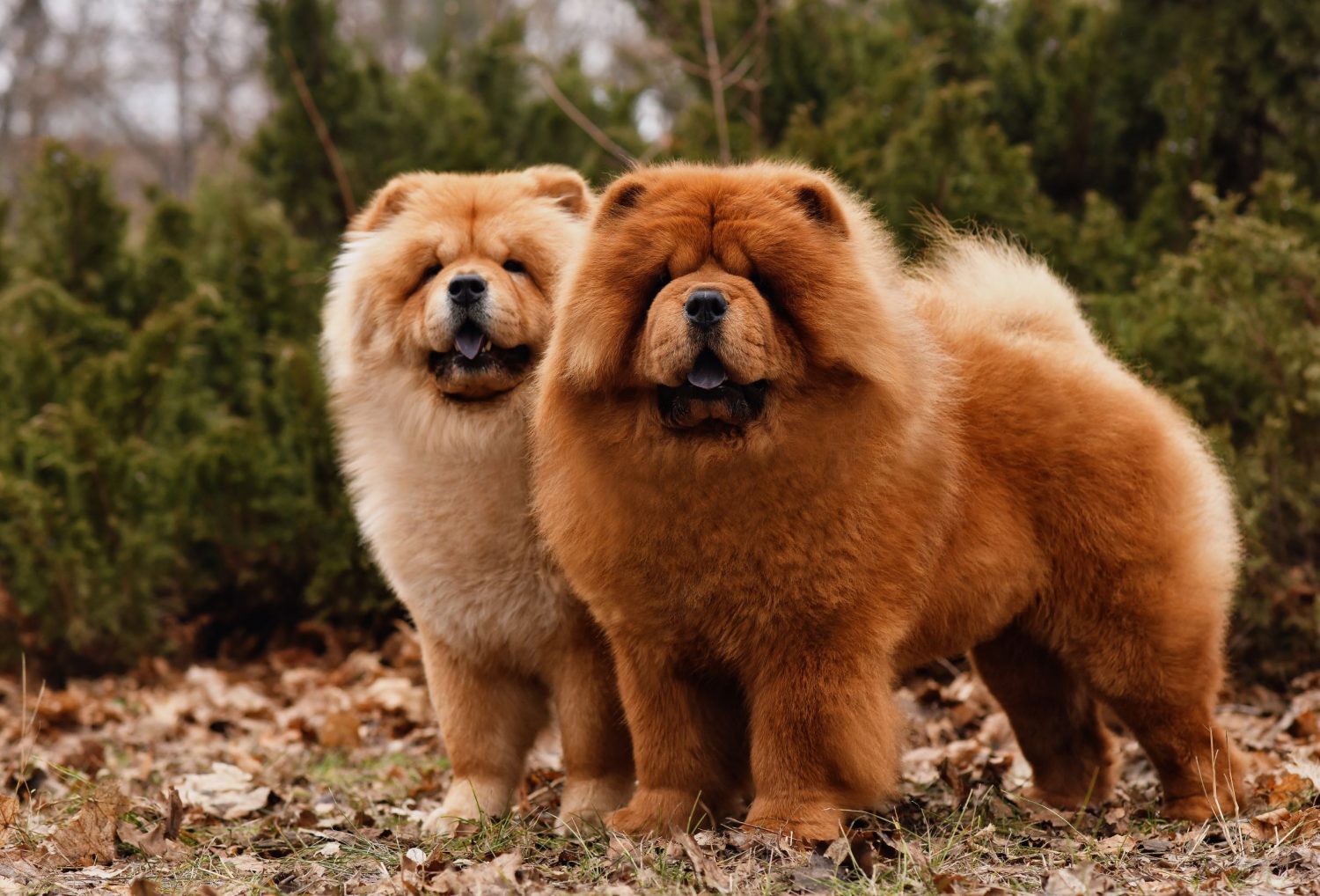
The breed is characterized by its stilted gait, blue-black tongue, and a massive ruff of fur that gives it a lion-like appearance. This thick double coat—whether "rough" or "smooth"—frequently creates a visual illusion of greater mass than the dog actually possesses. A well-groomed rough-coated Chow Chow can appear significantly larger than a smooth-coated individual of the same weight, leading many novice owners to believe they have a "giant" specimen when, in fact, they have a standard dog with a voluminous coat.
The "Giant" Label: Marketing vs. Biology
The term "Chow Chow Giant" is frequently encountered in the context of commercial breeding and social media trends. In the pet market of 2026, "boutique" breeders often use descriptors like "Giant," "King," or "Royal" to command higher prices for puppies. This mirrors the "Teacup" trend seen in smaller breeds but focuses on the opposite end of the size spectrum.
Biologically, a Chow Chow that is significantly larger than the breed standard usually arrives there through one of three pathways:
- Selective Breeding for Bulk: Breeders may pair the largest individuals in their lineage over several generations to emphasize size over agility and health.
- Crossbreeding: Some "giant" Chows are actually hybrids, often crossed with larger breeds like the Tibetan Mastiff or the Caucasian Shepherd. These crosses retain the Chow Chow's facial features but inherit the massive skeletal structure of the giant parent.
- Endocrine Issues: In rare cases, individual dogs may suffer from hormonal imbalances, such as pituitary gigantism, though these cases are clinically distinct from "giant" bloodlines.
Prospective owners must realize that kennel clubs do not reward size for the sake of size. In fact, a Chow Chow that is too large may be penalized in the show ring because excessive weight interferes with the breed's unique "stilted" gait, which requires a compact and square profile.
Physical Characteristics: Why They Look Larger Than They Are
One of the primary reasons for the "giant" label's persistence is the Chow Chow's unique anatomy. The breed possesses a very heavy bone structure for its height. Unlike a Greyhound, which is tall but light, the Chow Chow is a powerhouse of density.
The Illusion of Mass
The coat of a rough-coated Chow Chow consists of a thick, woolly undercoat and a coarse outer coat. The ruff around the neck is particularly dense, often extending the visual width of the head by several inches. When this coat is "blown" or during high-humidity seasons, the dog can look like it weighs 100 pounds, even if the scale says 65.
Bone Density and Substance
The breed standard calls for "substance," which refers to the thickness of the limbs and the depth of the chest. A Chow Chow with heavy bone will appear much more imposing than a more lightly framed dog. In 2026, breeders who prioritize "bone" over height often produce dogs that look like "giants" due to their sheer breadth, even while staying within the height limits.
Health Implications of Breeding for Size
Breeding dogs to be larger than their biological blueprint carries significant risks. The Chow Chow is already prone to certain orthopedic and systemic health issues; adding excessive weight and height can exacerbate these problems significantly.
Orthopedic Challenges
The most common concern for oversized Chow Chows is Hip and Elbow Dysplasia. These are hereditary conditions where the joints do not fit together perfectly, leading to painful arthritis and mobility issues. The Orthopedic Foundation for Animals (OFA) consistently ranks the Chow Chow as a breed requiring careful screening. A "giant" specimen puts exponentially more stress on these joints, often leading to a shorter working life and the need for expensive surgical interventions by mid-life.
Gastric Dilatation-Volvulus (Bloat)
Large, deep-chested breeds are at high risk for Bloat, a life-threatening condition where the stomach fills with gas and twists. As breeders push for larger, deeper chests to fit the "giant" aesthetic, the risk of GDV increases. This remains one of the leading causes of sudden death in large-framed Chow Chows in 2026.
Entropion and Ectropion
The heavy skin folds associated with "giant" types often lead to eyelid issues. Entropion occurs when the eyelid rolls inward, causing the lashes to rub against the cornea. This is not only painful but can lead to blindness if not corrected surgically. Larger heads with more loose skin increase the likelihood of this condition.
Comparing the Chow Chow to Actual Giant Breeds
To help readers understand where the Chow Chow fits into the canine world, the following table compares the standard Chow Chow with the "Giant" marketing variant and the breeds often confused with it.
| Breed / Type | Avg. Height (Inches) | Avg. Weight (lbs) | Official Recognition | Primary Purpose |
|---|---|---|---|---|
| Standard Chow Chow | 17–21" | 45–70 lbs | Yes (AKC, KC, FCI) | Companion / Guard |
| "Giant" Chow Variant | 22–26" | 85–110 lbs | No (Unofficial Term) | Aesthetic / Pet |
| Tibetan Mastiff | 24–30" | 70–150 lbs | Yes (AKC) | Livestock Guardian |
| Newfoundland | 26–28" | 100–150 lbs | Yes (AKC) | Water Rescue |
| Caucasian Shepherd | 25–30" | 100–170 lbs | Yes (FCI) | Guardian |
Dietary and Exercise Requirements for Large Chow Chows
If you find yourself caring for a Chow Chow that is larger than the standard, their maintenance requirements shift significantly. Proper management is essential to ensure a long lifespan, which typically averages 8 to 12 years for this breed.
Nutritional Balance
Overfeeding a "giant" puppy to encourage growth is a dangerous mistake. Rapid growth can lead to permanent skeletal deformities. In 2026, veterinarians recommend "large breed" puppy formulas for oversized Chows. These formulas have a specific calcium-to-phosphorus ratio designed to slow down bone growth, allowing the joints to develop properly before they have to support the dog's full adult weight.
Low-Impact Exercise
Because of their straight hocks (back legs), Chow Chows are not built for long-distance running. This is especially true for larger individuals. Exercise should focus on:
- Steady walking: 20–30 minutes twice daily on soft surfaces (grass or dirt).
- Mental stimulation: The breed is highly intelligent and independent; puzzles and scent work can tire them out more safely than physical exertion.
- Heat Management: Chow Chows are extremely susceptible to heatstroke. In 2026, with rising global temperatures, owners of large-coated Chows must limit exercise to early morning or late evening.
Finding a Responsible Breeder vs. "Giant" Specialists
When searching for a Chow Chow, the terminology a breeder uses is the most significant red flag. Reputable breeders, such as those registered with the Chow Chow Club Inc., rarely use the word "giant." They focus on words like "balance," "temperament," and "health clearances."
Questions to Ask Breeders
- Do you provide OFA clearances for hips, elbows, and eyes? A breeder selling "giants" without these is likely prioritizing size over the dog's ability to walk without pain.
- Why are these dogs larger than the AKC standard? If the answer is "to make them more impressive," exercise caution.
- Can I see the parents? Viewing the sire and dam will give you the best indication of the puppy's eventual size and, more importantly, its temperament.
A responsible breeder in 2026 will be more interested in finding a home that understands the breed's aloof and protective nature than in selling a "giant" status symbol.
Frequently Asked Questions
Do Giant Chow Chows live as long as standard ones?
Generally, no. In the canine world, larger size is almost always correlated with a shorter lifespan. Oversized Chows face higher risks of heart failure and joint degradation, which can lead to a decrease in quality of life earlier than in standard-sized individuals. A standard Chow Chow may live 12 years, whereas an oversized specimen often struggles past age 9.
Are Giant Chow Chows more aggressive?
Size does not dictate temperament, but a larger dog is harder to manage. The Chow Chow is naturally protective and can be aggressive toward strangers if not socialized. If a dog is bred for "giant" size by an unethical breeder, it is likely that temperament was also neglected in the breeding program, potentially leading to a dog that is both powerful and unpredictable.
Is there a "King" Chow Chow breed?
No. "King Chow" is another marketing term similar to "Giant Chow." Neither is a recognized breed or variety. These terms are used to justify higher price tags for dogs that do not meet the official breed standard.
Why does my Chow Chow look like a giant but only weighs 60 pounds?
This is almost always due to the "Rough Coat" variety. The fur on a Chow Chow can be several inches thick and stands away from the body. If the coat is clean and brushed, it creates a "halo" effect that can make the dog appear double its actual size.
Are Giant Chows good with children?
Chow Chows, regardless of size, are generally better suited for families with older children who respect a dog's boundaries. Because larger Chows may have joint pain, they may be less tolerant of the clumsy movements or unintentional rough play of small children.
Practical Recommendation
If you are drawn to the "giant" aesthetic of the Chow Chow, your best course of action is to seek out a standard, well-bred male from a breeder who emphasizes "heavy bone." This will provide the massive, lion-like appearance you desire without the life-shortening health complications associated with breeding for extreme size. Always prioritize health certifications (OFA/PennHIP) over marketing labels like "Giant" or "King." For those who truly want a dog in the 100lb+ range, researching the Tibetan Mastiff—a breed with a similar appearance but naturally giant proportions—is a more responsible path than seeking out an oversized Chow Chow.
Image Gallery