How to Discover Your Skin Undertone: A Comprehensive Guide for 2026
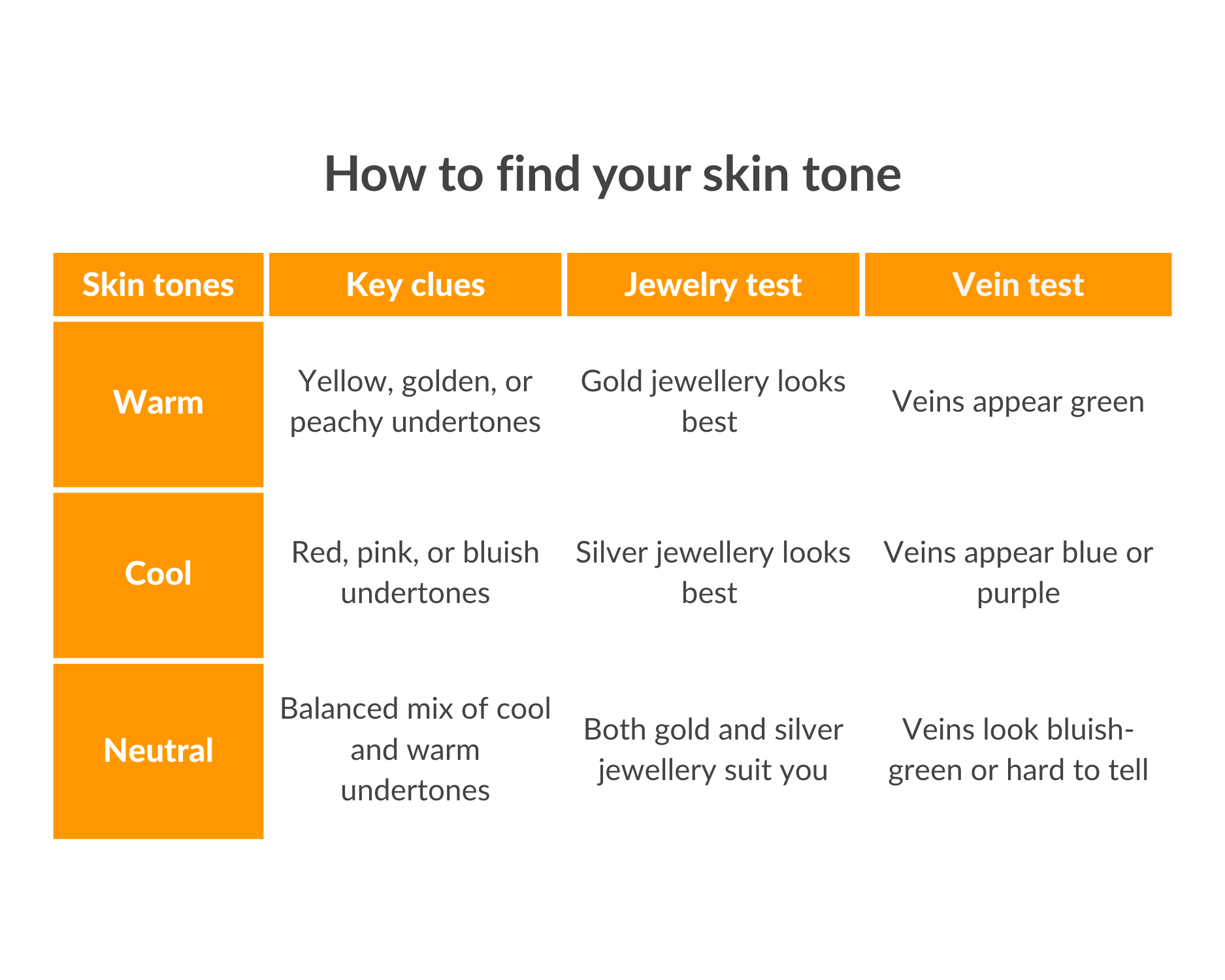
To discover your skin undertone, observe your wrist veins under natural light: blue or purple indicates a cool undertone, while green suggests a warm undertone. If you see both or cannot distinguish a dominant color, you likely have a...
To discover your skin undertone, observe your wrist veins under natural light: blue or purple indicates a cool undertone, while green suggests a warm undertone. If you see both or cannot distinguish a dominant color, you likely have a neutral undertone. Supplement this by testing how your skin reacts to gold versus silver jewelry or pure white fabric.
Contents
Understanding the Science of Skin Undertones
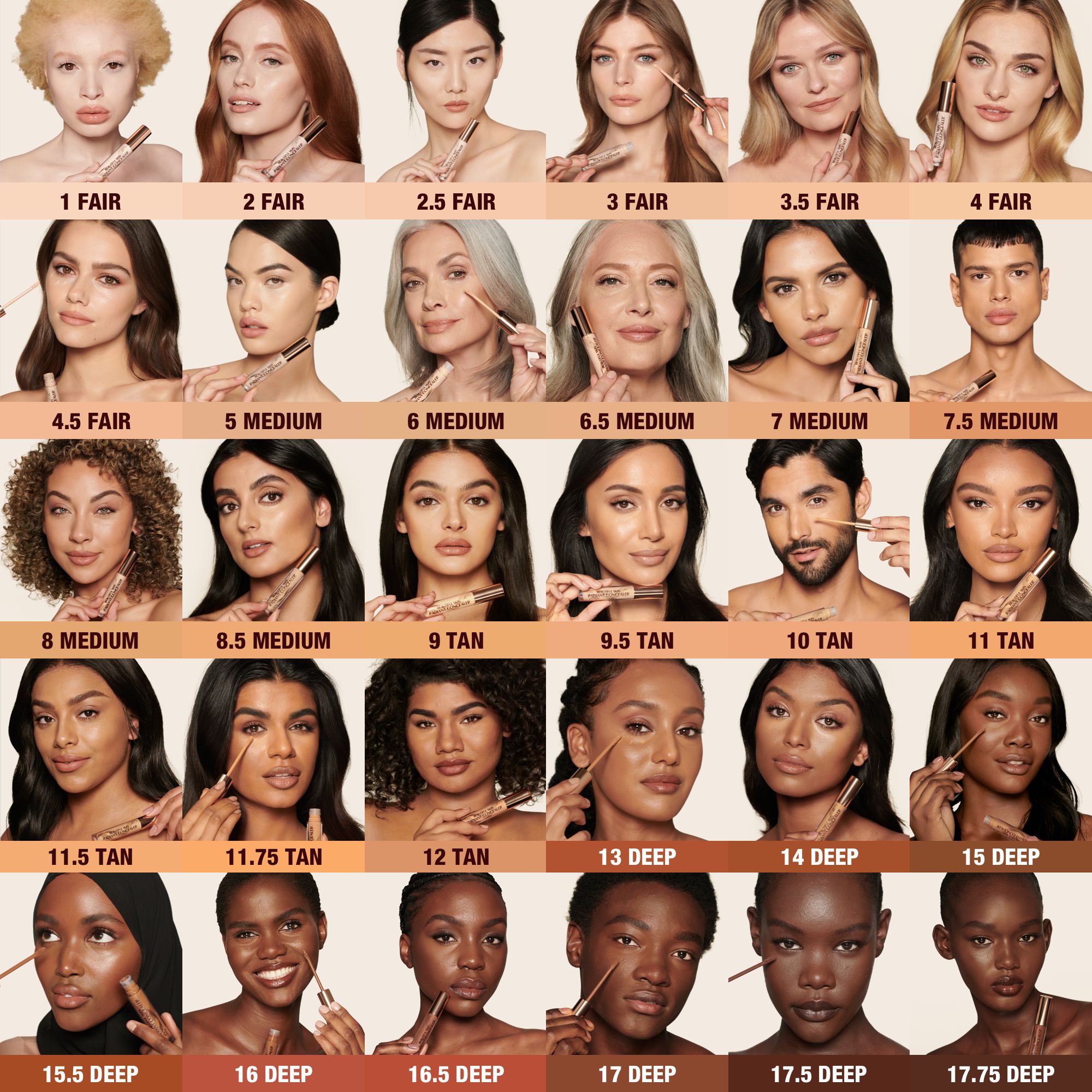
Before attempting to identify your specific category, it is essential to distinguish between skin "overtone" and "undertone." The overtone is the surface color of your skin, often described as fair, light, medium, tan, or deep. This surface shade can change due to sun exposure, age, or skin conditions like rosacea or hyperpigmentation. In contrast, the skin undertone is the permanent, muted color beneath the surface that never changes, regardless of tanning or environmental factors.
Biological factors determine these nuances. The presence of melanin, specifically eumelanin (brown/black) and pheomelanin (red/yellow), dictates the surface shade. However, the undertone is influenced by how light reflects off the various layers of the dermis and the underlying vascular system. Hemoglobin (red) and carotene (yellow/orange) play significant roles here. When light hits the skin, it penetrates the epidermis and scatters. In individuals with cool undertones, the blue light from the veins and the pinkish hue of the blood vessels are more visible. In those with warm undertones, the yellow-toned carotene and specific melanin distributions shift the reflected light toward the warmer end of the spectrum.
Identifying this subtle distinction is the foundational step for professional color matching in 2026. Whether you are selecting a high-definition foundation for digital meetings or choosing a wardrobe that enhances your natural complexion, the undertone acts as the biological "primer" for all color-related decisions.
The Three Primary Undertone Categories
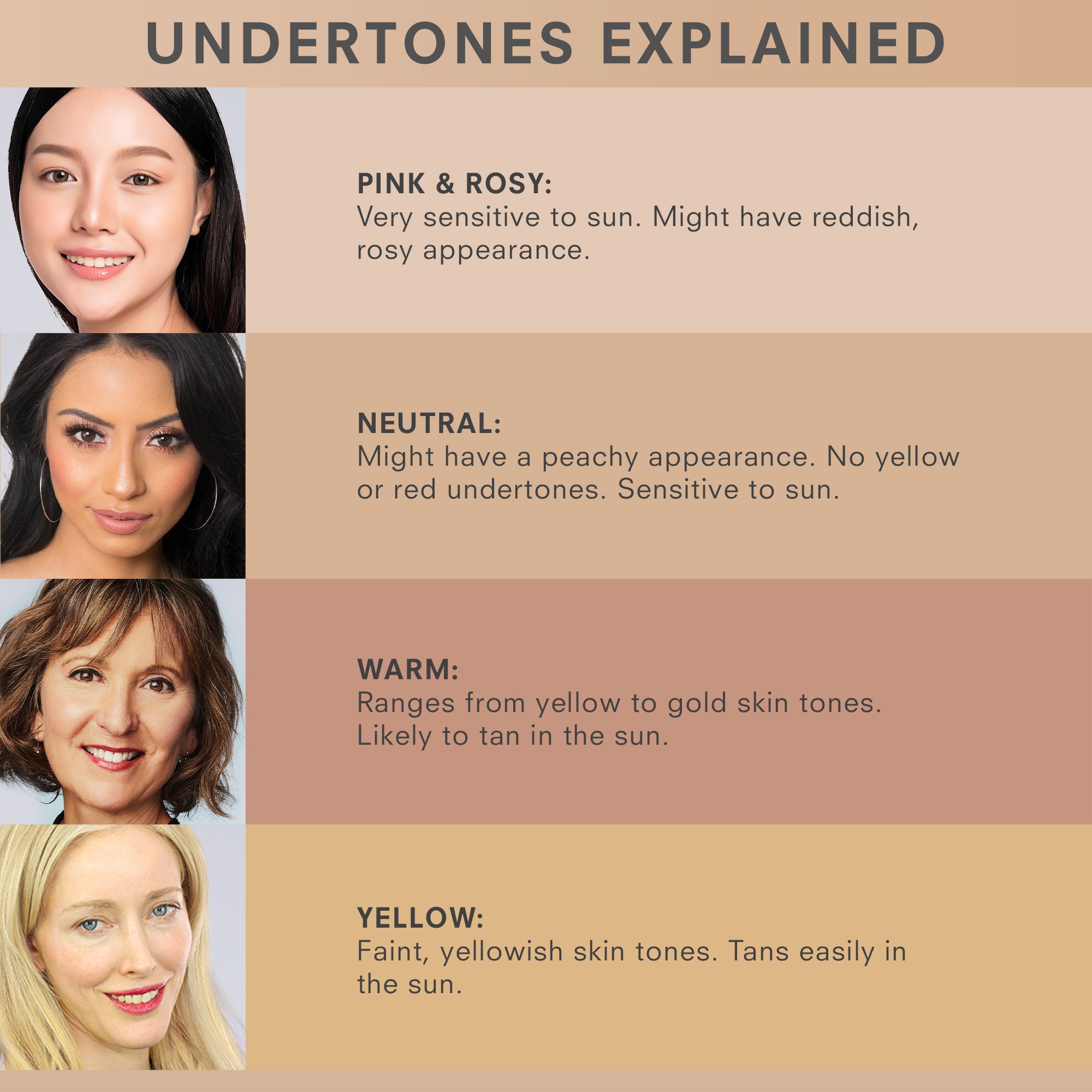
Skin undertones are globally classified into three primary categories, though a fourth "olive" category is frequently recognized in professional dermatology and cosmetics.
Cool Undertones
If you have a cool undertone, your skin possesses hints of pink, red, or bluish hues. This is often associated with individuals who have very fair skin that burns easily, but it is a misconception that only fair people are "cool." Deep skin tones can also have cool, blue-based undertones. In professional color theory, cool undertones align with "Winter" or "Summer" palettes.
Warm Undertones
Warm undertones are characterized by yellow, peachy, or golden hues. This undertone is common in individuals who tan easily and have a natural "glow" even without makeup. Warmth is not exclusive to medium or olive skin; very pale skin can have a distinctly yellow base, just as deep skin can have rich golden or honey-like qualities.
Neutral Undertones
Neutral undertones are a balanced mixture of both warm and cool qualities. Your skin does not lean heavily toward pink or yellow; rather, it sits comfortably in the middle. Neutral skin tones are often the most versatile for makeup and clothing, as they can pull from both warm and cool palettes without clashing significantly.
The Olive Nuance
Olive skin is often grouped with neutral or warm, but it is distinct enough to warrant its own mention. Olive skin has a subtle green or ashen hue. It is unique because it combines yellow (warm) with a hint of blue (cool) to create a greenish cast. Olive skin can range from very light to very deep, and identifying it is crucial because traditional "warm" foundations often look too orange on olive skin, while "cool" foundations look too pink.
Essential Tests to Discover Your Undertone
To ensure accuracy, perform these tests in natural daylight. Artificial indoor lighting—especially fluorescent or yellow-tinted bulbs—can significantly distort the way colors appear on your skin.
1. The Wrist Vein Test
This is the most common method for a quick assessment. Turn your palm up and look at the veins in your wrist.
- Blue or Purple Veins: You likely have a cool undertone. The blue wavelengths of light are being reflected back through the skin with minimal interference from yellow pigments.
- Greenish Veins: You likely have a warm undertone. The veins themselves are still blue, but because you are looking at them through a yellow-toned (warm) skin filter, the blue appears green (Blue + Yellow = Green).
- Indistinguishable or Teal: If you see both green and blue, or if the veins seem to match your skin color, you are likely neutral.
2. The Jewelry Test (Gold vs. Silver)
This test relies on the concept of color harmony. Metals have distinct reflective properties that either complement or clash with your skin’s base temperature.
- Silver or White Gold: If silver jewelry makes your skin look vibrant and clear, while gold looks slightly dull or "cheap" against your skin, you are cool.
- Yellow Gold: If yellow gold enhances your skin’s glow and makes you look healthy, while silver looks harsh or disconnected, you are warm.
- Both: If you can wear both gold and silver with equal success, you are neutral.
3. The White Paper Test
For this test, hold a piece of pure white paper (not off-white or cream) up to your face in front of a mirror in natural light. Observe how your skin looks in contrast to the stark white.
- Pink or Rosy: If your skin looks pink, red, or blue next to the paper, you are cool.
- Yellow or Sallow: If your skin looks yellowish or golden, you are warm.
- Grey or Ashen: If your skin looks greyish, you might have an olive undertone.
- None of the Above: If your skin just looks "skin-colored" without a dominant hue appearing next to the white, you are neutral.
4. The Sun Reaction Test
How your skin reacts to UV exposure (with proper SPF applied, of course) provides a biological hint about your undertone.
- Burn then Peel: If you burn easily and rarely tan, you likely have a cool undertone.
- Tan Easily: If you tan quickly and rarely burn, you likely have a warm or olive undertone.
- Moderate Reaction: If you burn slightly but then turn into a tan, you are likely neutral.
| Feature | Cool Undertone | Warm Undertone | Neutral Undertone |
|---|---|---|---|
| Vein Color | Blue, Purple | Green, Olive | Teal, Indistinguishable |
| Best Metals | Silver, Platinum | Yellow Gold, Copper | Both Gold & Silver |
| Sun Reaction | Burns easily, rarely tans | Tans easily, rarely burns | Tans after initial burn |
| Flattering Neutrals | Pure White, Black, Navy | Cream, Tan, Olive Green | Almost any neutral |
| Common Hues | Pink, Red, Blue | Yellow, Peach, Golden | Balanced, No dominant hue |
Common Mistakes When Identifying Undertones
Even with the tests above, many individuals misidentify their undertones due to several common misconceptions.
Confusing Redness with Coolness: Many people have surface redness due to sensitivity, acne, or rosacea. They often assume they have a cool undertone because their face looks "pink." However, you must look at the skin on your neck or chest to find your true undertone. If your face is red but your neck is golden, your undertone is warm, and you need a warm-toned foundation to neutralize the surface redness.
Assuming Pale Skin is Always Cool: While many fair-skinned people are cool, many are also "warm-fair." These individuals have very light skin with a distinctly yellow or peachy base. Using a cool-toned foundation on a warm-fair person results in a "ghostly" or "ashy" appearance.
Ignoring the Seasons: While your undertone is permanent, your overtone can change. In the summer of 2026, you might be three shades darker than in the winter. However, the temperature of the foundation should remain the same. You simply need a deeper version of the same warm, cool, or neutral base.
Applying Your Undertone Knowledge
Once you have discovered your skin undertone, you can streamline your personal styling and cosmetic purchases.
Cosmetic Selection
When shopping for foundation, look for labels that indicate the undertone. Most professional brands in 2026 use a coding system: "C" for Cool, "W" for Warm, and "N" for Neutral. Some brands also include "O" for Olive.
- Cool foundations will look slightly pink in the bottle.
- Warm foundations will look yellowish or golden.
- Neutral foundations will look beige or "nude."
Clothing and Wardrobe
Color theory suggests that wearing colors that match your undertone's temperature will make your eyes look brighter and your skin look more even.
- Cool: Look for "jewel tones" like emerald green, sapphire blue, and royal purple. Cool-toned pastels and icy blues also work well.
- Warm: Look for "earth tones" like terracotta, mustard yellow, olive green, and warm browns. Corals and peaches are also highly flattering.
- Neutral: You have the flexibility to wear colors from both sides of the spectrum, but often look best in "muted" versions of colors, such as dusty rose or sage green.
Frequently Asked Questions
Can my skin undertone change as I age?
No, your skin undertone is determined by your genetics and the way light interacts with your skin's deeper layers. While your surface skin may become thinner, paler, or develop age spots (overtone changes), the underlying temperature remains constant throughout your life.
What if I have dark skin? Can I still have a cool undertone?
Yes. It is a common myth that deep skin tones are automatically warm. Many people with deep complexions have beautiful cool, reddish-blue, or "espresso" undertones. Choosing a warm foundation for a cool-toned deep skin complexion often results in an unnatural orange cast.
Why does my foundation turn orange after a few hours?
This is usually caused by oxidation, where the foundation reacts with the oils in your skin or the air. However, it can also happen if you are using a warm-toned foundation on a cool or neutral skin tone. The yellow/red pigments in the makeup are emphasized by your skin's chemistry, making it appear orange.
Does my hair color affect my skin undertone?
Your hair color does not change your undertone, but it can certainly clash with it. For example, a person with a cool undertone who dyes their hair a warm, golden honey blonde might find that their skin suddenly looks washed out or sallow. Aligning your hair's "temperature" with your skin's undertone creates the most harmonious look.
How does lighting affect the white paper test?
Lighting is critical. If you perform the test under warm indoor lights, the paper itself will appear yellow, which will make your skin look cooler by comparison (or simply mask the results). Always use indirect, natural sunlight—such as standing near a window during mid-morning.
Next Steps for Success
Now that you have identified your undertone using the tests provided, the next logical step is a "closet purge" or a makeup "shade match." Visit a professional cosmetics counter and ask for a sample of a foundation that matches your identified undertone. Wear it in natural light for a full day to confirm that it blends seamlessly with your neck and chest. Understanding this single element of your biology will significantly reduce "buyer's remorse" when investing in new clothing or expensive skincare and cosmetics.
Image Gallery