Understanding the Story of Long Island's Most Wanted: Tracking Fugitives and Public Safety
The story of Long Island’s "Most Wanted" is a complex narrative involving two of the largest suburban police departments in the United States, federal task forces, and a decades-long evolution of public-police cooperation. In 2026, thi...
The story of Long Island’s "Most Wanted" is a complex narrative involving two of the largest suburban police departments in the United States, federal task forces, and a decades-long evolution of public-police cooperation. In 2026, this system operates through a sophisticated blend of digital forensics, community-based reporting via Crime Stoppers, and multi-jurisdictional coordination designed to apprehend high-profile fugitives.
Contents
Long Island, partitioned into Nassau and Suffolk Counties, maintains distinct but overlapping "Most Wanted" protocols. These lists are not merely static galleries of mugshots; they represent active criminal investigations where law enforcement has exhausted traditional leads and requires the public’s "eyes and ears" to close a case. Understanding this story requires looking at the legal mechanisms of warrant issuance, the technological shift in fugitive tracking, and the high-profile cases that have shaped regional policy.
The Jurisdictional Framework: Nassau vs. Suffolk
To understand how a person becomes "Most Wanted" on Long Island, one must first distinguish between the two primary law enforcement entities. While they share a landmass, their administrative approaches to fugitive tracking differ based on population density and local crime trends.
Nassau County Police Department (NCPD)
The NCPD serves a densely populated area bordering New York City. Their "Most Wanted" list often features individuals involved in violent felonies, significant narcotics distribution, and high-value financial crimes. In Nassau, the Fugitive Squad works in tandem with the Detective Division to prioritize cases where the suspect poses an immediate threat to public safety. As of 2026, the NCPD utilizes a Real-Time Crime Center (RTCC) that integrates license plate readers and facial recognition software to cross-reference "Most Wanted" databases with live feeds in high-traffic corridors.
Suffolk County Police Department (SCPD)
Suffolk County, covering the central and eastern portions of the island, manages a geographically larger area. The SCPD "Most Wanted" story is often defined by its specialized task forces. Following the high-profile nature of cases like the Gilgo Beach investigation, Suffolk has refined its public interface for fugitive tracking. Their list frequently highlights suspects from various precincts, ranging from the more urbanized areas like Brentwood and Bay Shore to the East End. The SCPD relies heavily on its "Crime Stoppers" partnership to bridge the gap between rural and suburban investigative hurdles.
The Role of Crime Stoppers in Fugitive Recovery
The backbone of the "Most Wanted" narrative is the Crime Stoppers program. Established locally in the late 20th century, this non-profit organization serves as a liaison between the public and the police.
The Mechanism of Anonymity
The primary hurdle in catching "Most Wanted" individuals is the fear of retaliation. Crime Stoppers solves this by providing a legal "buffer." When a citizen provides a tip about a fugitive on Long Island, they are assigned a code number. This number is used for all future communications, including the collection of rewards. In 2026, this process is largely handled through encrypted mobile applications like "P3 Tips," which allow for the two-way exchange of photos and video without revealing the sender's identity or location.
Reward Structures
Rewards are a significant motivator in the "Most Wanted" ecosystem. Standard rewards for information leading to an arrest typically range from $1,000 to $5,000. However, for "Most Wanted" individuals—those specifically flagged for their danger or the severity of their crimes—these amounts can be significantly higher, sometimes bolstered by federal contributions or private donations.
Case Studies: Significant Figures and the LISK Impact
The "story" of Long Island’s most wanted is inextricably linked to specific cases that changed how the public perceives crime in the region.
The Gilgo Beach/LISK Investigation
While Rex Heuermann was arrested in 2023, the decades-long search for the "Long Island Serial Killer" (LISK) fundamentally altered the region's fugitive tracking infrastructure. It led to the creation of the Gilgo Beach Task Force, a collaborative unit involving the SCPD, NCPD, New York State Police, and the FBI. This case demonstrated the necessity of inter-agency data sharing. Today, in 2026, the lessons learned from that investigation—such as the importance of DNA archiving and digital footprint analysis—are applied to every name that makes the "Most Wanted" list.
Gang-Related Fugitives (MS-13)
In the mid-2010s and early 2020s, the rise of transnational gangs like MS-13 on Long Island placed a specific type of fugitive on the map. These individuals often appeared on "Most Wanted" lists not just locally, but also on the FBI’s Ten Most Wanted Fugitives list. Tracking these suspects requires a global approach, as they often flee across state lines or international borders. This has made the U.S. Marshals Service a permanent fixture in Long Island’s fugitive recovery story.
The Legal Path to "Most Wanted" Status
A person does not become "Most Wanted" simply by committing a crime. There is a specific legal and administrative threshold that must be met.
- Issuance of an Arrest Warrant: A judge must sign a warrant based on probable cause presented by detectives or a grand jury indictment.
- Exhaustion of Standard Leads: The Fugitive Squad attempts to locate the suspect at known addresses, workplaces, and through associates.
- Risk Assessment: If the suspect remains at large and is deemed a high risk to the community or a flight risk, the department elevates the case to "Most Wanted" status.
- Public Dissemination: The suspect’s information is released to the media, posted on official police websites, and distributed via social media alerts.
Comparison of Long Island Fugitive Programs
| Feature | Nassau County (NCPD) | Suffolk County (SCPD) | Federal (FBI/Marshals) |
|---|---|---|---|
| Primary Focus | Local violent crime & financial fraud | Regional felony warrants & gang activity | Transnational crime & interstate flight |
| Public Interface | NCPD website & social media | SCPD website & P3 Tips app | FBI "Ten Most Wanted" & Marshals alerts |
| Typical Reward | $1,000 - $5,000 | $1,000 - $5,000 | $10,000 - $100,000+ |
| Lead Agency | Fugitive Squad | Warrant Section | NY/NJ Regional Task Force |
| Tech Integration | Real-Time Crime Center (RTCC) | VICAP (Violent Criminal Apprehension) | National Crime Information Center (NCIC) |
The Technology of 2026: Modern Fugitive Tracking
In 2026, the hunt for Long Island’s most wanted has moved into the digital realm. Law enforcement no longer relies solely on physical posters in post offices.
Digital Footprints and Social Media
Most fugitives today leave behind a digital trail. The "story" of their capture often begins with forensic social media analysis. Investigators monitor the accounts of known associates for "check-ins" or background clues in photos. Geofencing warrants—which allow police to see which devices were in a specific area at a specific time—have become a vital tool for narrowing down a fugitive’s location.
Facial Recognition and License Plate Readers (LPR)
Long Island’s major thoroughfares, including the Long Island Expressway (I-495) and the Northern and Southern State Parkways, are equipped with LPR technology. When a vehicle associated with a "Most Wanted" individual passes a scanner, an automated alert is sent to the nearest patrol unit. This technology has shortened the "at-large" time for many fugitives who attempt to flee the island.
Public Safety: What to Do if You Encounter a Fugitive
The "Most Wanted" list is a public safety tool, but it also carries inherent risks. Law enforcement emphasizes that these individuals should be considered armed and dangerous.
- Do Not Approach: If you recognize someone from a "Most Wanted" list, do not attempt to confront or detain them.
- Observe Details: Note their location, direction of travel, vehicle description (including license plate), and what they are wearing.
- Contact Authorities Immediately: Call 911 or the specific Crime Stoppers hotline. Providing the "code name" from your tip app ensures that your identity remains protected.
- Verification: Remember that "Most Wanted" status is a snapshot in time. Always verify via official portals, as warrants can be cleared or suspects apprehended within hours of a public posting.
The Ethical and Social Considerations
The story of Long Island’s most wanted also includes a discussion on the ethics of public shaming and the potential for mistaken identity. As databases become more accessible, the risk of "digital vigilantism" increases. Law enforcement agencies in 2026 work to balance the need for public assistance with the constitutional right to a fair trial. The "Most Wanted" designation is a tool for apprehension, not a declaration of guilt, and maintaining this distinction is crucial for the integrity of the justice system.
Frequently Asked Questions
How often are the "Most Wanted" lists on Long Island updated? Lists are typically updated in real-time on digital portals. When a suspect is apprehended, their profile is marked as "Captured" or removed within 24 to 48 hours to prevent redundant tips. Major updates to the high-priority lists often occur weekly as new warrants are prioritized.
Can I get the reward if the fugitive is caught in another state? Yes. If your tip provided to a Long Island Crime Stoppers unit leads directly to the arrest of a fugitive, even if they are apprehended by authorities in another state or country, you are still eligible for the reward through the local program where the warrant originated.
What is the difference between a "Wanted" person and a "Person of Interest"? A "Wanted" person has an active arrest warrant issued by a court. A "Person of Interest" is someone law enforcement believes may have information regarding a crime but for whom there is not yet enough evidence to charge. Only "Wanted" individuals appear on the "Most Wanted" lists.
Are Crime Stoppers tips really anonymous? Yes. The system is designed so that the tipster's phone number or IP address is stripped from the message before it reaches the police. The software used by Nassau and Suffolk counties is specifically built to ensure that not even the detectives receiving the information know the source.
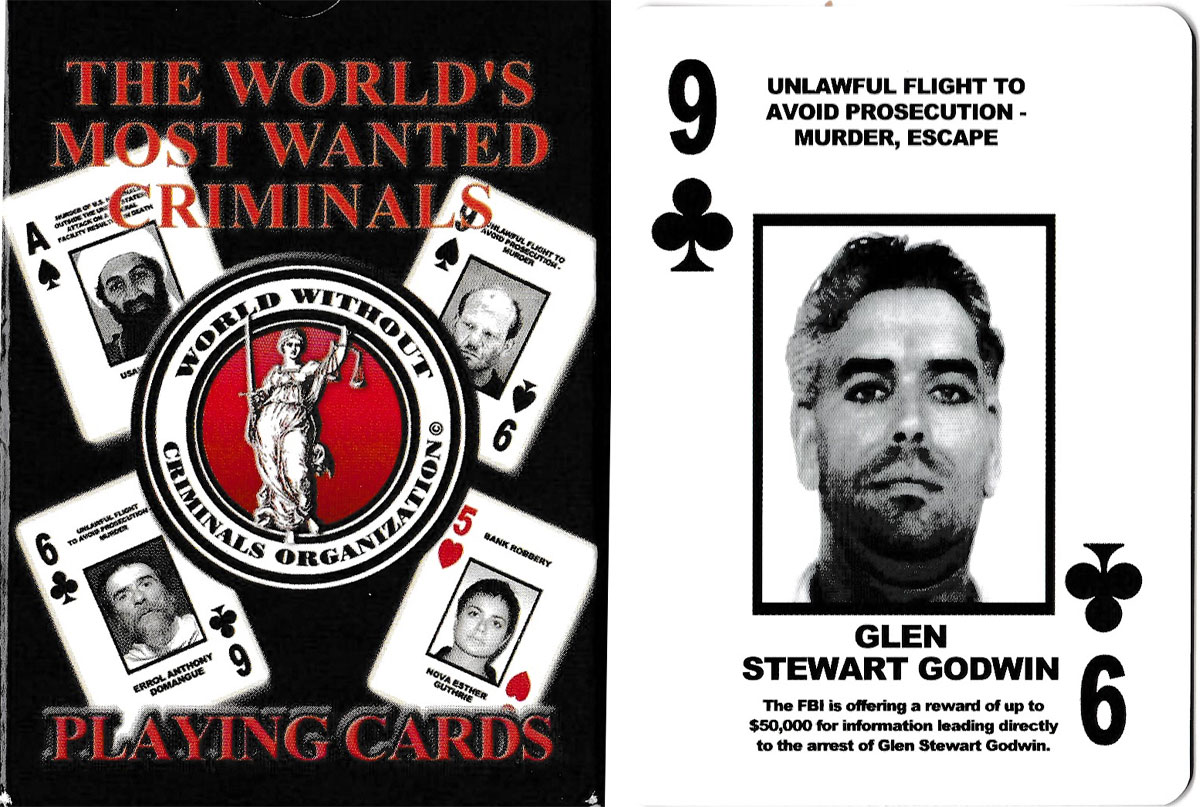
How does the FBI interact with Long Island's Most Wanted? The FBI typically gets involved when a fugitive is believed to have crossed state lines (violating the Unlawful Flight to Avoid Prosecution statute) or if the crime involves federal jurisdictions, such as organized crime, major drug trafficking, or civil rights violations.
Final Actionable Recommendation
To stay informed and contribute to community safety, residents should download the P3 Tips mobile application and select their local precinct or county (Nassau or Suffolk). Regularly reviewing the official Crime Stoppers websites for both counties ensures you are aware of high-risk individuals in your immediate area. If you possess information about a fugitive, use these anonymous channels rather than social media to report it, as this preserves the integrity of the investigation and your eligibility for a potential reward.
Image Gallery