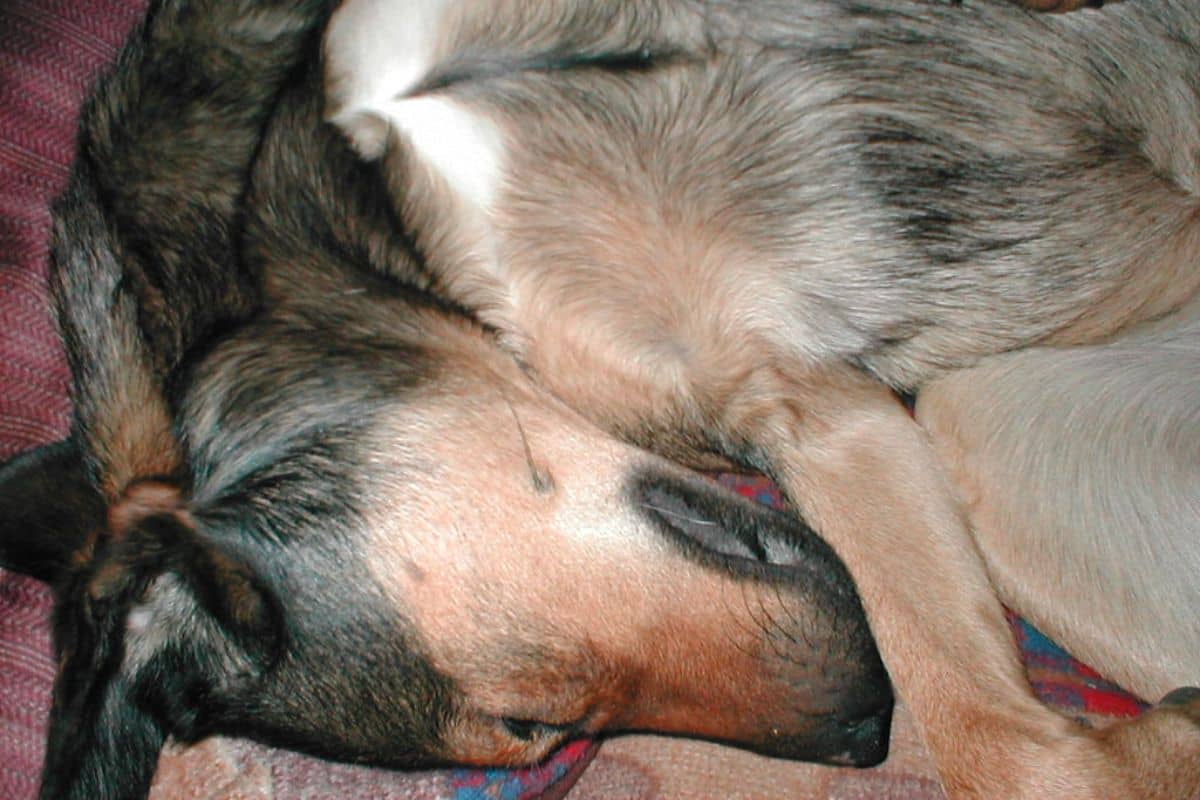
Understanding Why Dogs Sleep With Their Ears Up
Dogs often sleep with their ears alert and upright as a subconscious survival mechanism, allowing them to monitor their environment for potential threats or familiar sounds even while in a state of rest. Because canines are crepuscular...
Dogs often sleep with their ears alert and upright as a subconscious survival mechanism, allowing them to monitor their environment for potential threats or familiar sounds even while in a state of rest. Because canines are crepuscular hunters with acute hearing, they maintain a "light sleep" mode that keeps their auditory receptors engaged to ensure they can react instantaneously to stimuli.
Contents
When you observe your dog drifting into a nap with their ears pricked up, you are witnessing an evolutionary trait inherited from their wild ancestors. Domestic dogs retain many of the biological imperatives of wolves, including the need to remain partially vigilant. While humans generally undergo a deep, unconscious state during REM sleep, dogs frequently cycle through different stages of rest. During the lighter phases, their muscles may be relaxed, but their autonomic nervous system continues to process environmental data.
The orientation of the ears serves as a biological radar. By keeping their pinnae—the external part of the ear—in an upright or forward-facing position, dogs maximize their ability to funnel sound waves into the ear canal. If a twig snaps or a distant door opens, a dog sleeping with ears "up" can pinpoint the direction and distance of the sound significantly faster than if their ears were folded or tucked against their head.
The Science of Canine Sleep Cycles
To understand why a dog might keep its ears alert, it is helpful to look at the structure of canine sleep. Dogs do not typically sleep in one long, unbroken block of eight hours like many humans. Instead, they operate on a polyphasic sleep pattern, meaning they take frequent, shorter naps throughout the day and night.
Approximately 75% of a dog's sleep is considered "slow-wave" sleep, during which their breathing slows and their heart rate drops, but they remain physically responsive. In this state, a dog can be easily awakened by environmental triggers. It is during this lighter phase that you will most commonly see their ears twitching, rotating, or remaining held in an upright position. The remaining 25% of their sleep is Rapid Eye Movement (REM) sleep, where the muscles are more profoundly relaxed, and the brain is highly active—this is the phase where you might see "dreaming" behaviors like paw twitching or whimpering.
Breed-Specific Differences and Ear Anatomy
It is important to recognize that not all dogs possess the physical capacity to sleep with their ears "up." The anatomy of the canine ear varies drastically between breeds, which dictates how they rest.
- Prick-Eared Breeds: Dogs like German Shepherds, Siberian Huskies, or French Bulldogs have stiff cartilage that keeps the pinnae upright. These dogs can naturally maintain an alert ear position even in a state of deep relaxation because the structure does not require active muscular tension to stay erect.
- Floppy-Eared Breeds: Dogs like Beagles, Golden Retrievers, or Basset Hounds have heavy, pendulous ears. Their anatomy makes it physically impossible to keep their ears "up" while sleeping. Instead, these dogs rely on the internal mobility of the ear canal and their highly sensitive hearing to detect sound, even if the external leather of the ear remains draped over their head.
The following table provides a quick reference for how ear structure influences rest habits:
| Ear Type | Typical Resting Position | Detection Capability |
|---|---|---|
| Erect (Prick) | Upright or slightly tilted | High; visual and auditory priority |
| Semi-Prick | Variable; often partially folded | Moderate; requires muscular adjustment |
| Pendulous (Floppy) | Folded against the head | High; relies on internal ear canal sensitivity |
| Button/Rose | Folded forward or back | Moderate; provides partial sound shielding |
Environmental Factors and Security
Beyond biology, your dog’s immediate environment plays a massive role in their sleeping posture. A dog that feels secure in their home—having established their territory—is more likely to enter deeper, more restorative stages of sleep where their ears might droop or relax.
Conversely, if a dog is in an unfamiliar location, is experiencing anxiety, or detects persistent background noise, they are prone to "hyper-vigilance." In this state, the dog’s brain remains on high alert. If you notice your dog sleeping with their ears pointed toward a specific window or door, they are likely tracking auditory movement in that specific zone. This is a common behavior in rescue dogs during their adjustment period or in household pets during periods of high activity or construction noise.
When Is It Time to Consult a Veterinarian?
While sleeping with ears up is perfectly normal for most dogs, there are scenarios where your dog’s ear behavior might indicate an underlying issue rather than a behavioral choice.
If you observe your dog constantly keeping their ears in a rigid, fixed, or painful-looking position while sleeping, or if they appear unable to relax them even when they seem to be in a deep sleep, they might be experiencing discomfort. Common medical issues to consider include:
- Ear Infections (Otitis Externa): Inflammation of the ear canal can cause a dog to hold their ears in a fixed position to minimize movement and pain.
- Foreign Bodies: Small debris like grass seeds can become trapped in the ear, leading to constant irritation.
- Neurological Issues: In rare cases, abnormal ear carriage during sleep could signal nerve damage or neurological sensitivity.
If the ear carriage is accompanied by shaking the head, scratching at the ears, or a foul odor, prioritize a veterinary check-up. These symptoms are distinct from the relaxed, alert, yet peaceful posture of a dog simply keeping watch.
Establishing a Secure Sleeping Environment
To help your dog transition from a state of constant monitoring to one of restorative rest, consider the following environmental adjustments:
- Reduce Audible Triggers: Use white noise machines or calm background music to mask startling sounds from outside the home.
- Create a Den-like Space: Provide a crate or a bed with high sides. This gives the dog a sense of perimeter security, which can reduce their perceived need to stay alert.
- Establish Routine: Consistency in feeding and walking times helps a dog understand when it is "time to wind down," which psychologically signals to them that they do not need to be on guard duty.
- Temperature Control: Ensure the sleeping area is at a comfortable ambient temperature. A dog that is too hot or too cold will naturally sleep lighter, making them more likely to keep their ears pinned in an alert position.
Frequently Asked Questions
Does a dog with ears up mean they aren't actually sleeping? Not necessarily. Dogs often sleep in a state of "dozing," where they are resting but remain aware of their surroundings. Their ears may be up, but their brain is still gaining the benefits of rest.
Should I wake my dog if they are sleeping with their ears alert? No. If your dog appears to be resting, it is best to let them be. Disrupting their sleep can lead to irritability and increased anxiety, which may make them more hyper-vigilant in the future.
Do dogs dream with their ears up? Typically, no. During the dreaming phase (REM), a dog’s muscles usually go into a state of atonia, or temporary paralysis. Their ears are more likely to be relaxed or twitching during this time.
Can puppies learn to relax their ears while sleeping? Yes. Puppies often experience "FOMO" (fear of missing out) and keep their ears perked up to hear what the rest of the family is doing. As they grow and feel safer, they will naturally begin to relax their ear carriage.
Is it a sign of intelligence if a dog sleeps with ears up? It is a sign of sensory focus, not necessarily cognitive intelligence. It reflects the dog’s historical role as a guardian or hunter, prioritizing the gathering of environmental data.
Your dog’s choice to sleep with their ears up is a fascinating glimpse into their heritage as a predator. By ensuring they have a secure, quiet, and predictable environment, you allow them to move from a state of active listening to a state of total, healthy rejuvenation.
Image Gallery