The Largest Rodent in the United States: A Comprehensive Guide to the North American Beaver
The North American beaver (Castor canadensis) is the largest rodent in the United States, typically weighing between 35 and 70 pounds, with some exceptional individuals reaching up to 100 pounds. These semi-aquatic mammals are distingu...
The North American beaver (Castor canadensis) is the largest rodent in the United States, typically weighing between 35 and 70 pounds, with some exceptional individuals reaching up to 100 pounds. These semi-aquatic mammals are distinguished by their large orange incisors, waterproof fur, and iconic flat, paddle-like tails used for swimming and communication.
Contents
As of 2026, the North American beaver remains one of the most influential "ecosystem engineers" on the continent. Their ability to modify landscapes is second only to humans, making them a critical subject for ecologists, land managers, and nature enthusiasts. Understanding the largest rodent in the United States requires looking beyond its impressive size and into its complex social structures, physiological adaptations, and the vital role it plays in water conservation and biodiversity.
Anatomy and Physical Specifications of the North American Beaver
The physical build of the North American beaver is a masterpiece of evolutionary engineering, specifically designed for a dual life on land and in water. While they may appear clumsy on solid ground, their bodies are streamlined for efficient aquatic movement.
Size and Weight Dynamics
Adult beavers typically measure between 34 and 50 inches in length, including the tail. Their weight is their most defining characteristic as the "largest rodent." While the average adult weighs about 45 pounds, the species exhibits indeterminate growth in some contexts, meaning they can continue to gain mass throughout their lives if food sources are abundant and predators are scarce. By 2026, climate-driven changes in vegetation in certain northern states have led to observations of slightly higher average weights in populations with extended growing seasons.
The Tail: A Multi-Purpose Tool
The beaver’s tail is perhaps its most recognizable feature. It is a broad, flat, leathery appendage that can grow up to 15 inches long and 6 inches wide. It serves four primary functions:
- Propulsion and Steering: While the webbed hind feet provide the main swimming power, the tail acts as a rudder.
- Communication: Beavers slap their tails against the water's surface to create a loud "crack" that warns the colony of approaching predators.
- Fat Storage: The tail serves as a biological pantry, storing fat that the animal utilizes during the lean winter months.
- Thermoregulation: In the summer, blood vessels in the tail can dilate to help release excess body heat.
Dental Structure and Adaptations
As rodents, beavers possess teeth that never stop growing. Their front incisors are coated with a hard, orange enamel rich in iron, which makes them incredibly strong and resistant to chipping. The back of the tooth is softer dentin, which wears down faster than the front. This uneven wear creates a self-sharpening "chisel" edge, allowing the beaver to cut through hardwoods like aspen, willow, and birch with ease.
Habitat and Geographic Range in the United States
The North American beaver is remarkably resilient and can be found in nearly every state in the U.S., with the exception of the most arid regions of the Southwest and the Florida Keys. They thrive anywhere there is a reliable source of permanent water, such as lakes, ponds, streams, and rivers.
Preferred Environments
Beavers are most successful in areas with access to their preferred food sources—deciduous trees and aquatic plants. They are particularly fond of "soft" hardwoods. In 2026, urban planners and ecologists have noted an increase in beaver populations within suburban greenbelts, as the animals adapt to human-modified landscapes that provide constant water flow and ornamental plantings.
Range Expansion and Conservation
Historically, the beaver was nearly extirpated from the United States due to the fur trade in the 18th and 19th centuries. However, aggressive conservation efforts throughout the 20th and early 21st centuries have allowed the species to reclaim almost all of its historical range. Today, they are managed as both a protected furbearer and, in some agricultural contexts, a nuisance species, requiring a balanced approach to wildlife management.
Behavioral Engineering: Dams and Lodges
The beaver’s status as the largest rodent is matched by its status as a premier builder. They are the only animals in the U.S. that actively create their own habitat by blocking moving water.
Dam Construction
Beavers build dams to create deep, still pools of water. These ponds serve as a moat that protects their lodges from terrestrial predators like wolves, coyotes, and bears. To build a dam, a beaver first wedges branches and logs into the stream bed. They then layer the structure with smaller sticks, stones, and "plaster" it with mud and vegetation. A well-maintained dam can stand several feet high and stretch hundreds of feet across a valley.
The Lodge: A Secure Home
Lodges are the conical homes beavers build in the middle of their ponds or against the banks. These structures have underwater entrances, leading to a dry, elevated living chamber above the water line. The walls of a lodge are thick—often several feet of packed mud and wood—which provides excellent insulation against freezing winter temperatures. Inside, a family group, or "colony," typically consisting of a monogamous breeding pair, their kits (infants), and the previous year’s offspring (yearlings), lives together.
Comparing the Largest Rodents in the US
While the North American beaver holds the title of the largest native rodent, other species are often confused with it due to their size or similar aquatic habits.
| Feature | North American Beaver | Nutria (Invasive) | Muskrat | Capybara (Non-Native) |
|---|---|---|---|---|
| Scientific Name | Castor canadensis | Myocastor coypus | Ondatra zibethicus | Hydrochoerus hydrochaeris |
| Average Weight | 35–70 lbs | 15–22 lbs | 2–5 lbs | 75–150 lbs |
| Tail Shape | Flat, paddle-like | Round, rat-like | Vertically flattened | Vestigial (No tail) |
| Primary Diet | Tree bark, cambium | Aquatic roots, stems | Cattails, greens | Grasses, aquatic plants |
| Native Status | Native | Invasive (South America) | Native | Non-native (Escaped) |
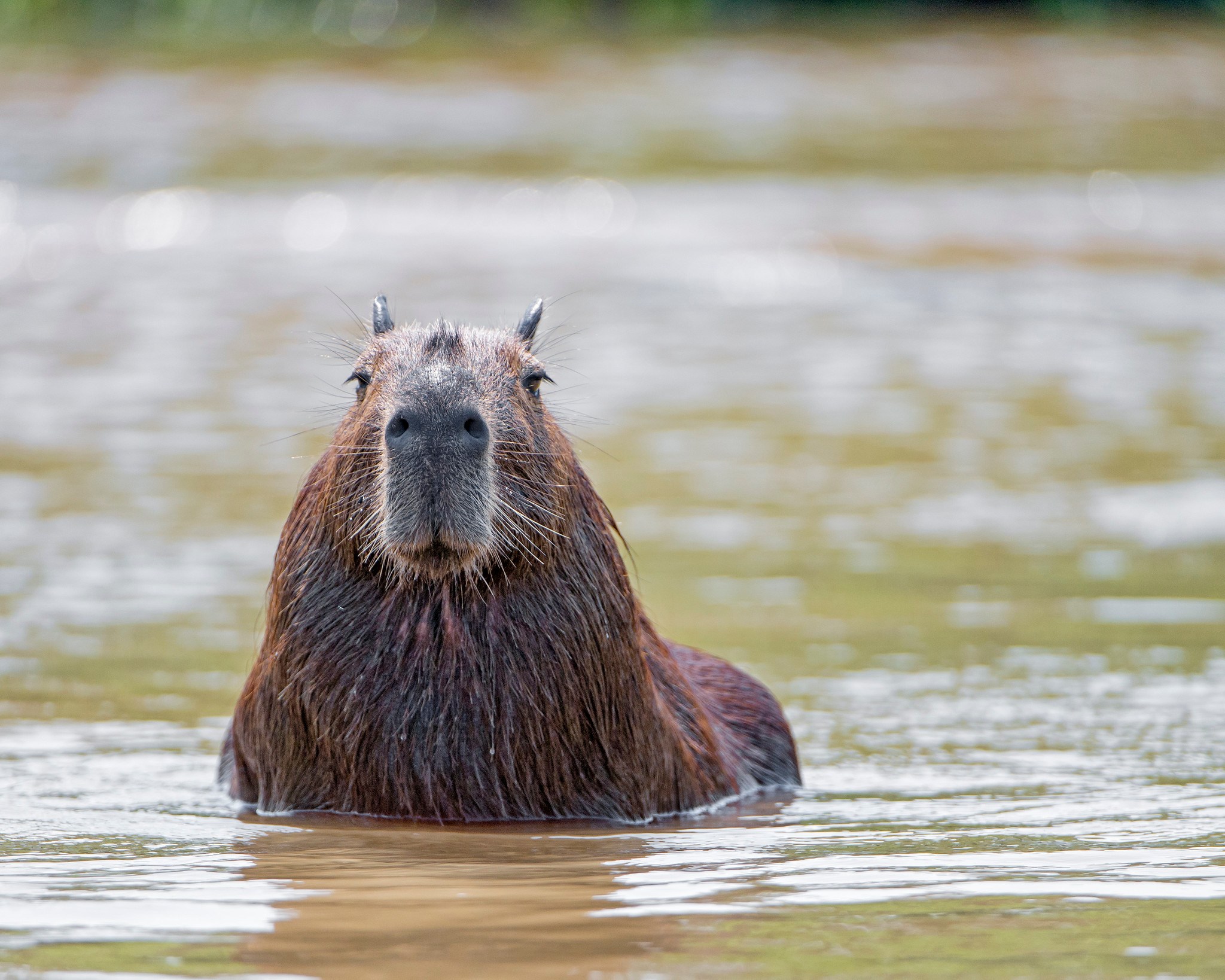
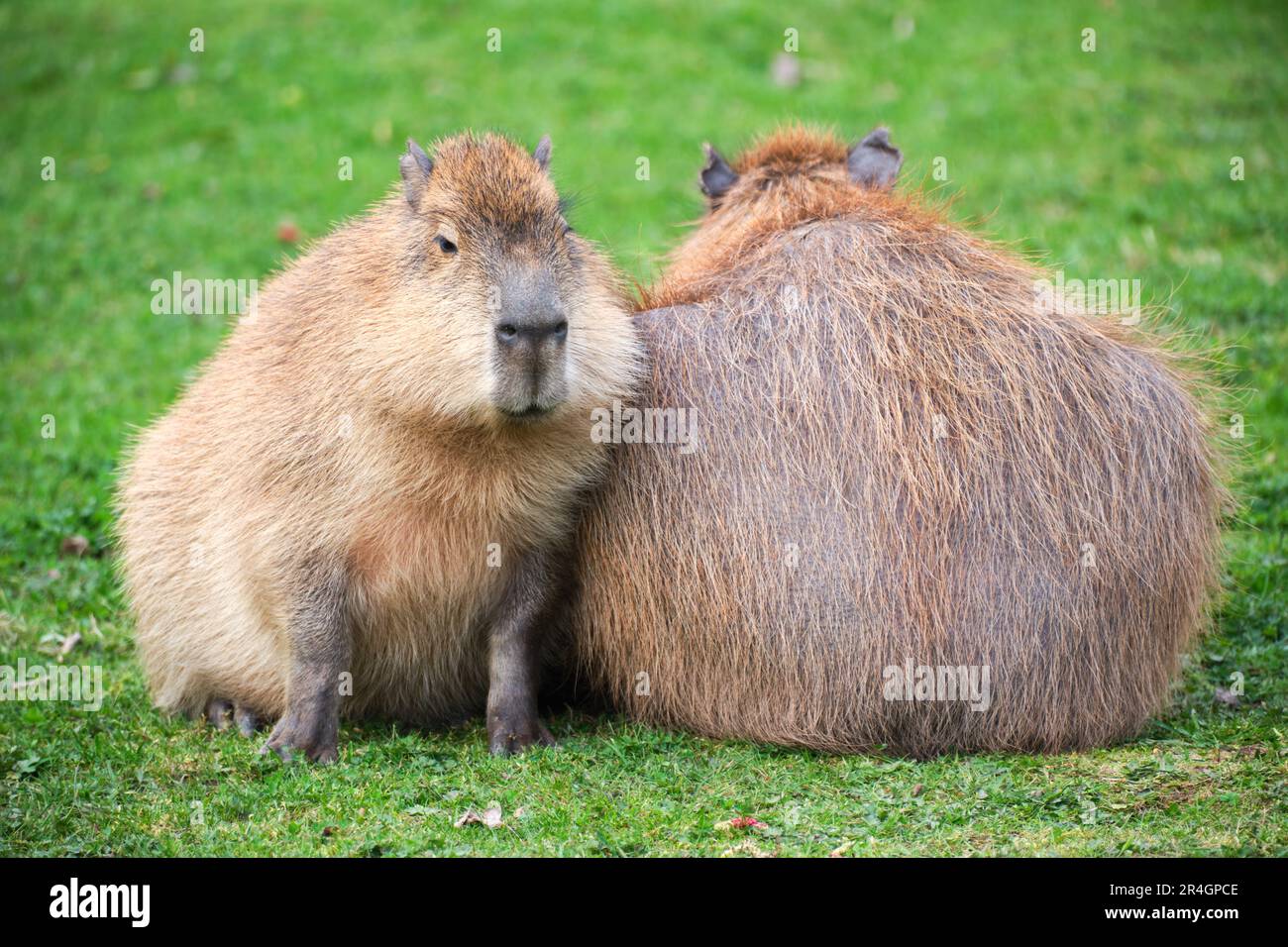
It is important to note the presence of the Capybara in the United States. While the Capybara is the largest rodent in the world, it is native to South America. As of 2026, small, breeding populations have been documented in Florida, largely resulting from escaped exotic pets. However, because they are an introduced species and not widely distributed, the North American beaver remains the recognized "largest rodent" of the American wilderness.
Ecological Impact and Keystone Status
Ecologists refer to beavers as a keystone species, meaning their presence has a disproportionately large impact on the environment relative to their population size.
Biodiversity and Wetland Creation
By creating ponds, beavers facilitate the growth of wetlands. These areas become breeding grounds for fish, amphibians, and waterfowl. The dead trees (snags) created when a beaver floods an area provide nesting sites for woodpeckers and owls. In 2026, research continues to show that "beaver-mediated" landscapes support up to 25% more species richness than sections of streams without beaver activity.
Water Quality and Climate Resilience
Beaver dams act as natural filtration systems. As water slows down behind a dam, sediment and pollutants settle to the bottom, resulting in cleaner water downstream. Furthermore, beaver ponds help recharge groundwater aquifers. In the face of 2026's increasingly frequent summer droughts, the water stored in beaver complexes has proven vital for maintaining stream flow and providing fire breaks in the Western United States.
Management and Human-Wildlife Conflict in 2026
Despite their benefits, beavers can cause significant economic damage. Their penchant for cutting down valuable timber and their ability to flood roads or agricultural fields often puts them at odds with property owners.
Modern Mitigation Strategies
Rather than relying solely on lethal removal, 2026 management practices emphasize "beaver coexistence." Tools such as Beaver Deceivers (flow-leveling pipes hidden within the dam) allow managers to control the maximum height of a pond, preventing road flooding while allowing the beavers to remain in place.
State wildlife agencies, such as the U.S. Fish and Wildlife Service, provide guidelines for land owners to protect individual trees using heavy-gauge wire mesh or sand-infused paint, which discourages gnawing.
The Role of Trapping
Regulated trapping remains a component of management in many states. It is used to control populations in areas where infrastructure damage cannot be mitigated by other means. In 2026, trapping regulations are strictly monitored to ensure the long-term health of the species while addressing the concerns of the timber and agricultural industries.
FAQs About the Largest Rodent in the US
Are beavers dangerous to humans?
Beavers are generally shy and will retreat to the water if they sense a human approaching. However, they are powerful animals with very sharp teeth. If cornered or if they feel their young are threatened, they can become aggressive. There are very few recorded instances of beaver attacks, and most occur when a human or dog gets too close to a lodge or a trapped animal.
Do beavers eat fish?
No. Despite living in the water, beavers are strict herbivores. Their diet consists of the inner bark (cambium) of trees, leaves, twigs, and various aquatic plants like water lilies and cattails. The misconception that they eat fish likely stems from their presence in the same habitats as otters, which are carnivorous.
How long can a beaver stay underwater?
The North American beaver is an expert diver and can stay submerged for up to 15 minutes. They have several physiological adaptations for this, including a high lung capacity and specialized "valves" in their ears and nostrils that close automatically when they dive. They also have a nictitating membrane—a clear third eyelid—that acts like goggles.
Is the Nutria the same as a Beaver?
No. While they look somewhat similar, the Nutria is much smaller and has a long, thin, rat-like tail. Nutria are an invasive species in the U.S., particularly in the Gulf Coast and the Pacific Northwest, where they cause significant damage to marshlands by overgrazing on root systems.
Next Steps for Coexisting with North American Beavers
If you have discovered beaver activity on your property or in a local park, the first step is observation rather than intervention. Most beaver activity is beneficial to the local water table and bird populations. However, if the water levels begin to threaten structures or road drainage, consult with your state’s department of natural resources or a certified wildlife biologist.
Modern solutions allow for the preservation of these remarkable rodents while protecting human interests. Supporting "beaver-led" restoration projects is increasingly recognized as one of the most cost-effective ways to restore degraded stream ecosystems and build climate resilience in 2026 and beyond.
Image Gallery