Williamson County Homestead Exemption Guide 2026: Maximize Your Property Tax Savings
Navigating property taxes in Central Texas requires a firm grasp of local exemptions, filing deadlines, and statutory qualifications. For homeowners in Williamson County, Texas, the homestead exemption serves as the single most effecti...
Navigating property taxes in Central Texas requires a firm grasp of local exemptions, filing deadlines, and statutory qualifications. For homeowners in Williamson County, Texas, the homestead exemption serves as the single most effective financial tool to mitigate rising appraised values and curb annual property tax liabilities. As valuation models shift through 2026, understanding how to properly apply for, maintain, and optimize your residential exemptions is essential for protecting your home equity.
Contents
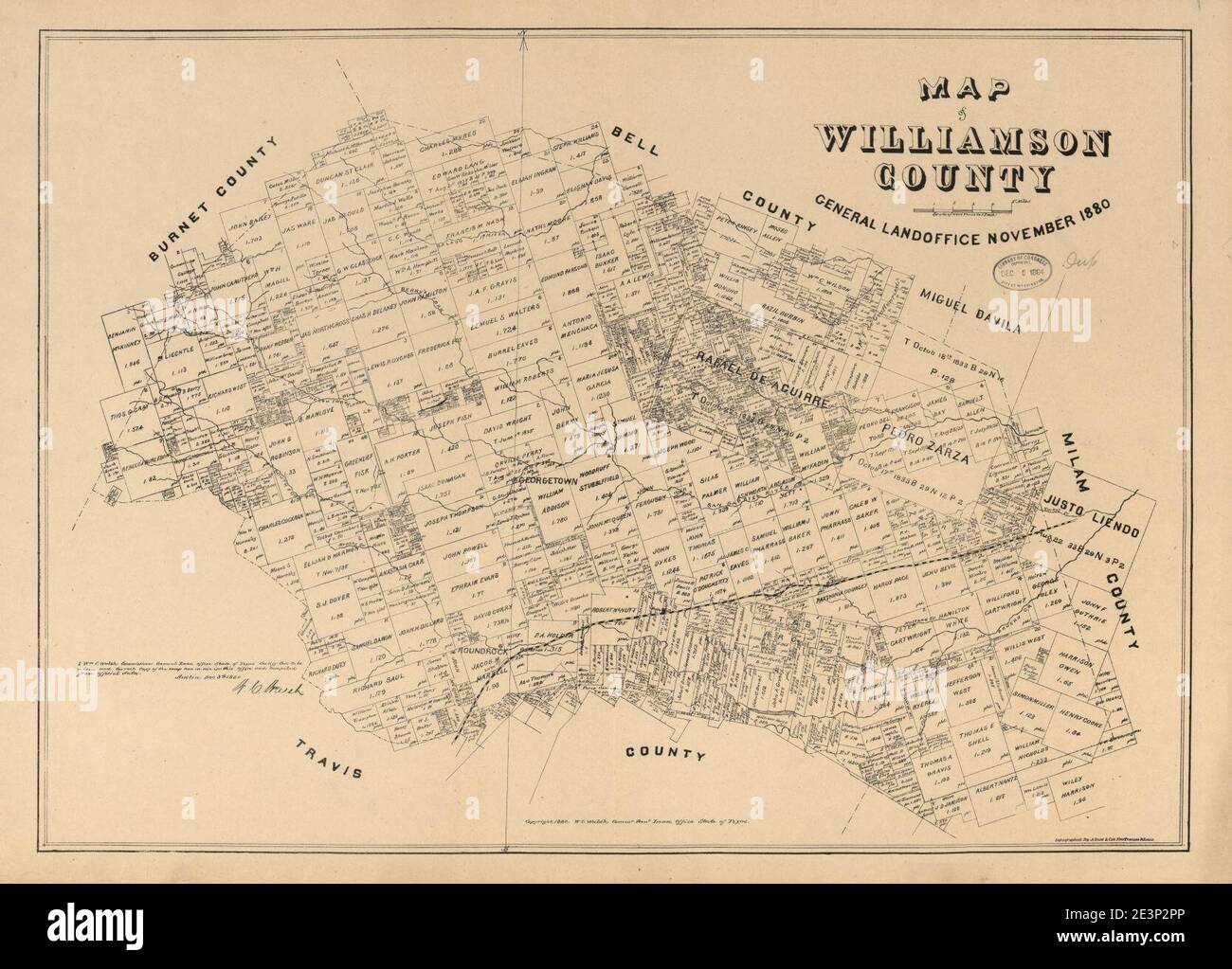
Williamson County spans rapidly growing municipalities including Round Rock, Cedar Park, Georgetown, and Leander. Because local school districts, cities, and special utility districts rely heavily on ad valorem property taxes, securing every eligible exemption directly impacts your annual household budget. This guide provides an authoritative roadmap to qualifying for, filing, and managing your Williamson County homestead exemption under current Texas property tax code regulations.
Understanding the Williamson County Appraisal District Framework
The Williamson County Appraisal District (WCAD) operates as the local political subdivision responsible for listing and appraising all real and personal property within the county boundaries. WCAD determines the market value of residential properties annually, establishing the baseline figures from which local taxing entities—such as counties, cities, and independent school districts (ISDs)—calculate tax bills.
A residential homestead exemption removes a portion of your home's value from taxation, thereby lowering your tax burden. Under Texas law, all homeowners who own and occupy their principal residence as of January 1 of the tax year qualify for a general residence homestead exemption.
Key Benefits of the General Residence Homestead Exemption
- School District Tax Relief: All Texas school districts are mandated to provide a substantial homestead exemption, which reduces the taxable value of your home for school maintenance and operations (M&O) taxes.
- Appraisal Cap Protection: A homestead exemption triggers the "10% Cap," limiting annual increases in the appraised value of your homestead for tax purposes to a maximum of 10 percent over the previous year, excluding physical improvements.
- Optional Local Exemptions: Cities, counties, and special districts within Williamson County may elect to offer additional percentage-based or flat-dollar homestead exemptions up to statutory limits.
Eligibility Criteria and Statutory Requirements for 2026
Qualifying for a Williamson County homestead exemption requires meeting specific ownership and occupancy standards set forth by the Texas Property Tax Code. The WCAD review board evaluates applications based on strict legal criteria to prevent fraudulent filings on secondary residences, commercial properties, or investment holdings.
To secure approval for the 2026 tax year, your property must satisfy the following fundamental requirements:
- Ownership Interest: You must own the property outright or hold a beneficial interest through a qualifying trust or life estate as of January 1, 2026.
- Principal Residence: The home must serve as your principal residence. You cannot claim a homestead exemption on more than one property simultaneously in the state of Texas.
- Documentation Alignment: The address listed on your supporting identification must match the physical street address of the Williamson County property you intend to exempt.
| Documentation Requirement | Acceptable Verification Form | Purpose |
|---|---|---|
| Primary Identification | Texas Driver's License or State ID | Verifies identity and primary residential address matching the subject property. |
| Vehicle Registration | Texas Vehicle Registration Receipt | Establishes principal residency within Williamson County, Texas. |
| Voter Registration | Williamson County Voter Registration Card | Confirms local voting domicile matches the homestead location. |
| Utility Connection | Recent Electricity, Gas, or Water Bill | Proves active occupancy and continuous utility usage at the residence. |
Step-by-Step Filing Procedure with the Williamson County Appraisal District
Filing for your homestead exemption with WCAD is a straightforward process, but accuracy and timeliness dictate whether your savings apply to the current tax year. While applications are accepted year-round, submitting documentation promptly ensures your tax statements reflect the reduction before bills are mailed in the fall.
Action Plan for Submitting Your Homestead Application
- Step 1: Download the Official Form. Obtain Form 50-114 (Residence Homestead Exemption Application) directly from the official Williamson County Appraisal District website. Avoid third-party sites that may charge fees for forms provided free by the state.
- Step 2: Gather Supporting Documents. Photocopy your Texas driver's license or identification card. Ensure the address on the ID matches the Williamson County property address. If your address has not been updated, update it with the Texas Department of Public Safety (DPS) prior to submission.
- Step 3: Complete the Application Accurately. Fill out all required fields, including your property ID number, owner name, contact details, and the exact date you occupied the home as your principal residence. Sign and date the declaration.
- Step 4: Submit to WCAD. Mail your completed application and required attachments to the Williamson County Appraisal District office, or utilize their online portal if electronic document upload is available for your specific account profile.
Evaluating Additional Exemptions: Age 65+, Disability, and Veterans
Beyond the standard residential homestead exemption, Williamson County homeowners may qualify for specialized exemptions that yield further tax reductions. These provisions provide vital financial relief for seniors, disabled individuals, and disabled veterans.
Specialized Exemption Categories
- Over-65 Exemption: Homeowners aged 65 or older qualify for additional exemptions from school taxes and participating local taxing units. Furthermore, an over-65 exemption establishes a tax ceiling (freeze) on school district taxes, meaning your school property taxes will not increase above the established ceiling amount as long as you own and live in the home.
- Disability Exemption: Individuals who qualify for disability benefits under the Federal Old-Age, Survivors, and Disability Insurance Program administered by the Social Security Administration receive similar tax exemptions and school tax ceilings as those over 65.
- Disabled Veteran Exemptions: Texas law provides tiered property tax exemptions for veterans with service-connected disabilities ranging from 10% to 100%. Veterans with a 100% total and permanent service-connected disability rating, as well as surviving spouses of qualifying veterans, receive a complete exemption from all property taxes on their homestead.
Comparative Analysis: Standard vs. Specialized Homestead Benefits
| Exemption Type | Primary Qualification | Key Financial Benefit | Tax Ceiling Status |
|---|---|---|---|
| General Residence Homestead | Ownership and principal occupancy as of Jan 1. | Reduces taxable value for school taxes and limits appraisal increases to 10% annually. | Not applicable unless combined with Over-65 or Disability. |
| Over-65 Exemption | Reaching age 65 during the tax year. | Additional dollar-value exemption off school and local entity taxable values. | Establishes a hard freeze on school district property taxes. |
| Disability Homestead | SSA disability determination or equivalent standard. | Reduces taxable valuation mirroring senior exemption structures. | Establishes a hard freeze on school district property taxes. |
| 100% Disabled Veteran | VA service-connected disability rating of 100%. | Complete 100% exemption from all ad valorem property taxes on the homestead. | Total elimination of property tax liability for the qualifying parcel. |
Addressing Common Pitfalls and Misconceptions
Homeowners frequently encounter administrative challenges when navigating property tax exemptions in Central Texas. Avoiding common missteps ensures uninterrupted tax savings.
- Filing Deadlines: While Texas law permits homeowners to file late homestead applications up to two years after the delinquency date, submitting your paperwork early prevents billing discrepancies and eliminates the need for tax refund requests or supplemental tax bills.
- Name Changes and Deats: If a property deed changes due to marriage, divorce, or the passing of a co-owner, the exemption does not automatically transfer. You must file a new exemption application reflecting the updated ownership structure to maintain your protected status.
- Refinancing and Trusts: Placing your home into a living trust does not invalidate your homestead exemption, provided the trust instrument grants you the right to occupy the property as your principal residence. However, you must submit a copy of the trust agreement along with your exemption application for WCAD verification.
Frequently Asked Questions About Williamson County Homesteads
What is the deadline to file a homestead exemption in Williamson County?
You can file your homestead application anytime after you occupy the property and establish residency on January 1. While there is a statutory window, filing as soon as possible ensures your tax statement accurately reflects your exemptions before bills are generated in October.
Does my Williamson County homestead exemption automatically renew every year?
Once WCAD approves your general residence homestead exemption, you generally do not need to reapply annually. The exemption remains in effect automatically until ownership changes or the appraisal district requests updated verification.
Can I file for a homestead exemption if my driver's license has a different address?
No, the address on your Texas driver's license or state identification card must match the physical address of the Williamson County property. You must update your address with the Texas DPS before submitting your exemption application to WCAD.
What happens to my property taxes if I turn 65 during the current tax year?
If you turn 65 during the tax year, you are eligible to receive the over-65 exemption and school tax ceiling for the entire tax year, provided you owned and occupied the home on January 1. You must submit your application along with proof of age to the appraisal district.
How does the 10% appraisal cap protect my home value?
The 10% homestead cap limits the increase in the appraised value of your home for taxation purposes to a maximum of 10% each year, protecting you from sudden spikes in market valuations driven by rapid real estate growth in Central Texas.
How do I check the status of my submitted Williamson County homestead application?
You can track the processing status of your exemption application by logging into the online property search portal on the official Williamson County Appraisal District website using your property account ID.
Securing Your Long-Term Property Tax Health
Taking proactive control of your property tax obligations starts with ensuring your Williamson County homestead exemption is active, accurate, and optimized for your life stage. Review your annual notice of appraised value from WCAD thoroughly, monitor your exemption statuses, and submit required documentation without delay. For personalized assistance regarding complex trust arrangements or specialized veteran provisions, contact the Williamson County Appraisal District directly or consult a qualified Central Texas property tax professional.
Image Gallery