Why the Oh, Mary! Cole Escola Leaving Matters
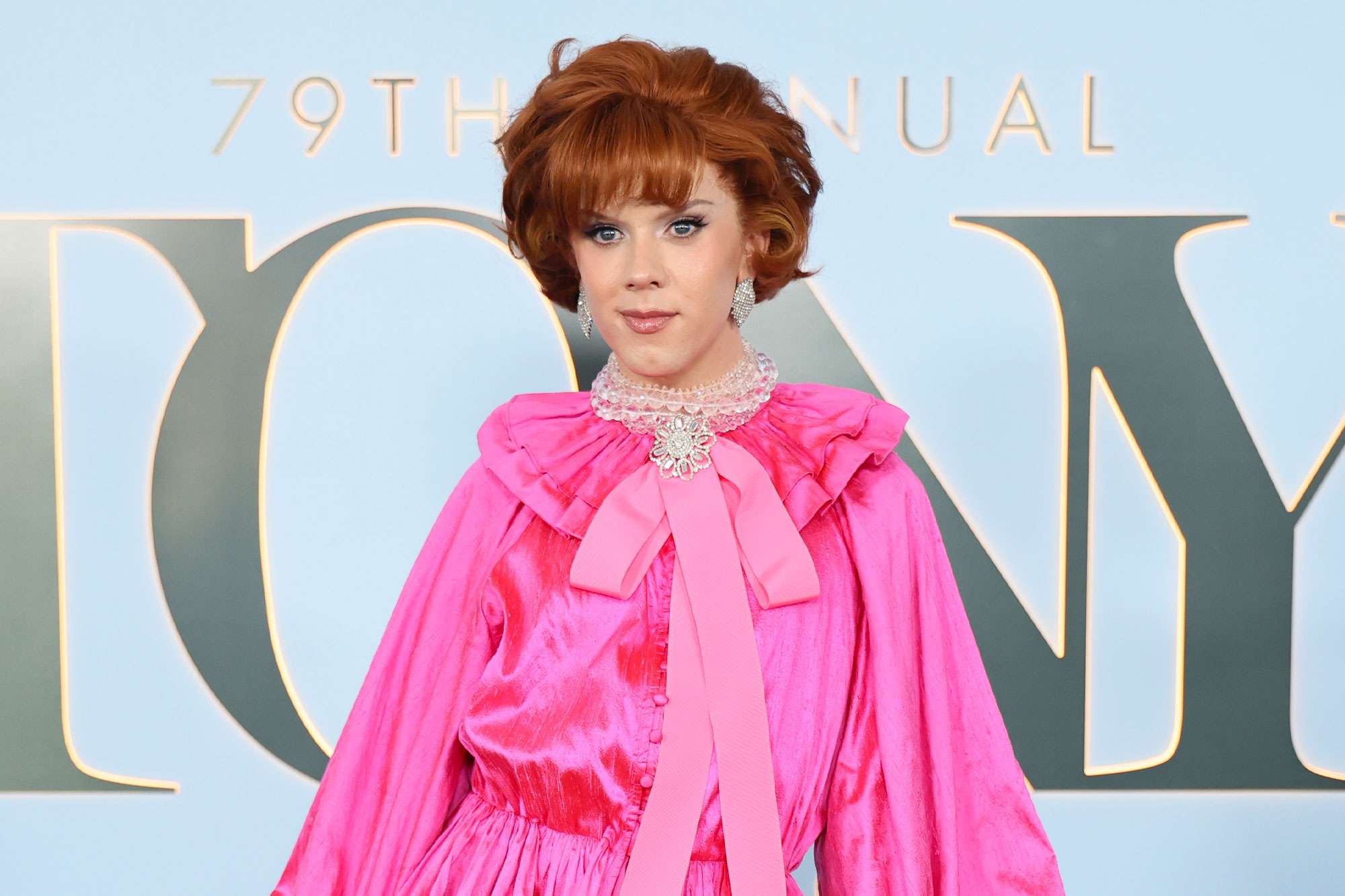
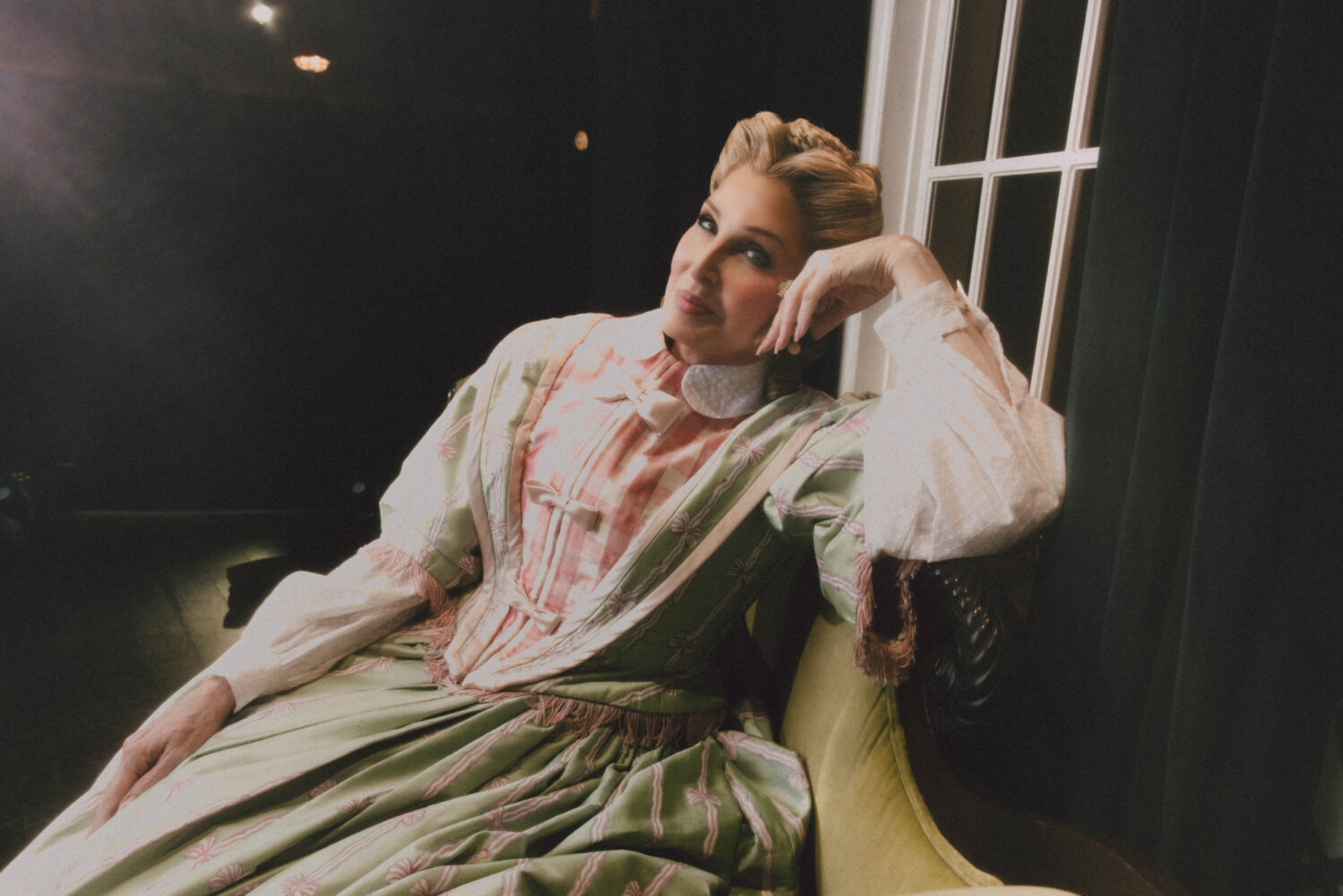
The departure of Cole Escola from the title role of Oh, Mary! marks the conclusion of one of the most significant cultural shifts in modern Broadway history. Because Escola served as both the primary creative architect and the singular...
The departure of Cole Escola from the title role of Oh, Mary! marks the conclusion of one of the most significant cultural shifts in modern Broadway history. Because Escola served as both the primary creative architect and the singular star, their exit effectively signaled the end of the production’s original lightning-in-a-bottle iteration, fundamentally altering the landscape for alternative queer comedy on the commercial stage.
Contents
When looking back from the vantage point of 2026, the meteoric rise and inevitable conclusion of Cole Escola’s run in Oh, Mary! remains a case study in how "downtown" sensibilities can successfully colonize the "uptown" Broadway establishment. The play, a revisionist, absurdist take on Mary Todd Lincoln’s final days in the White House, did more than just sell tickets; it redefined the financial and creative viability of star-led, limited-engagement comedies.
The importance of Escola’s departure is multifaceted, touching on the economics of the Lyceum Theatre, the tradition of the "star-vehicle," and the future of queer representation in mainstream theater. To understand why this moment mattered so deeply, one must examine the specific mechanics of the production and the vacuum left behind by its creator.
The Indispensability of the Creator-Performer
In the traditional Broadway model, a show is often built to be "evergreen." A successful musical or play is typically designed so that the lead actor can be replaced by a succession of stars, ensuring the production can run for years. Oh, Mary! defied this logic. As the playwright and the star, Cole Escola’s DNA was so thoroughly woven into the character of Mary Todd Lincoln that the industry questioned whether the show could—or should—exist without them.
Escola’s performance was characterized by a specific brand of hyper-expressive, high-camp absurdist comedy that relied on precise physical timing and a deep understanding of the script’s subtext. Unlike a standard dramatic role, the character of Mary in this iteration was an extension of Escola’s decade-long development of "alt-comedy" personas. When Escola left, the production did not just lose an actor; it lost its creative North Star.
The Challenge of Recasting an Original Voice
While Broadway has seen legendary creator-performers before—most notably Lin-Manuel Miranda in Hamilton—those shows often had a structural foundation (like a full musical score and a large ensemble) that allowed the work to survive the creator’s exit. Oh, Mary! was a lean, focused comedy that functioned as a ninety-minute showcase for Escola’s specific brand of chaos.
Industry analysts in 2024 and 2025 noted that recasting the role would require an actor who could not only handle the physical comedy but also possess the same "cult-favorite" status that drew audiences in. The departure mattered because it forced the industry to grapple with the "un-recastable" show—a production so tied to its auteur that the end of the actor’s contract necessitated the end of the Broadway run itself.
Economic Impact and the Lyceum Theatre Records
The departure of Escola and the subsequent closing of the original Broadway run had immediate financial implications. During its tenure at the Lyceum Theatre, Oh, Mary! became a box office juggernaut, consistently outperforming expectations for a non-musical play.
| Metric | Impact Detail | Significance |
|---|---|---|
| Weekly Grosses | Often exceeded $1 million | Rare for a small-cast straight play at the Lyceum. |
| Capacity | Consistently at 100% | Proved high demand for alternative queer narratives. |
| Ticket Pricing | Premium pricing success | Demonstrated that "downtown" fans and "uptown" tourists would pay top dollar. |
| Run Duration | Multiple extensions | Validated the "limited engagement" strategy for niche hits. |
When Escola’s contract concluded, the loss of this revenue stream was felt across the theater district. The show had been a "must-see" event that brought a younger, more diverse demographic to Broadway—many of whom were visiting the Lyceum for the first time. The departure meant the loss of a specific audience pipeline that other shows have struggled to replicate.
A Watershed Moment for Queer "Camp" in the Mainstream
Before Oh, Mary!, there was a prevailing belief among Broadway producers that "high camp" and absurdist queer comedy were best suited for Off-Broadway venues like the Lucille Lortel Theatre or experimental spaces in Brooklyn. Escola’s success proved that there was a massive, profitable appetite for uncompromising, specific queer voices on 45th Street.
The departure matters because it serves as the closing chapter of this proof-of-concept. Escola did not dilute their vision for a Broadway audience; they forced the Broadway audience to rise to the level of the work. This shift influenced how producers approached subsequent "downtown" transfers. It emboldened creators to maintain their specific, often weird, creative impulses rather than sanding them down for "general" audiences.
The Legacy of the "Limited Engagement"
The decision for Escola to leave rather than stay for a multi-year run reinforced the modern Broadway trend of the "event" play. By keeping the run limited and tied to the original creator, the producers created a sense of urgency. This model has since become a blueprint for other independent creators looking to bring their work to Broadway without being trapped in a grueling, indefinite schedule.
The Future of the Script: Licensing and Regional Theater
One of the most significant reasons Escola’s departure mattered was the question of what happens next. Can Oh, Mary! be performed by others? As we move through 2026, we are beginning to see the first regional and international productions of the play.
The "Escola departure" was the necessary prerequisite for the play to enter the "canon." For the work to live on, it had to be detached from its creator. This transition period allowed other performers—often drag artists or high-energy character actors—to attempt to fill Escola’s shoes. However, these productions are frequently compared to the original, highlighting how much of the play’s initial success was due to Escola’s singular presence.
The departure was the moment the play stopped being a "Cole Escola performance" and started being a "theatrical property." This shift is vital for the long-term survival of any new play, but it was particularly fraught here because of how much of the humor was tailored to Escola’s voice.
Cultural Sentiment and the "End of an Era"
For the fans who followed Escola from their YouTube sketches and Off-Off-Broadway cabaret shows, the Broadway run of Oh, Mary! felt like a collective victory. The departure represented the end of a specific cultural moment where a niche subculture became the center of the theatrical universe.
In the months following the final performance, the "Oh, Mary!" phenomenon became a benchmark for success. Critics and theater historians now refer to the "post-Mary" landscape, where producers are more willing to take risks on solo-driven, high-concept comedies. The departure mattered because it marked the transition from a live, breathing phenomenon into a piece of Broadway legend.
Frequently Asked Questions
Why didn't Cole Escola just stay in the role longer?
While Oh, Mary! was a massive success, Broadway performance schedules are notoriously grueling. Performing eight shows a week of a physically demanding comedy is exhausting. Additionally, as a writer and creator, Escola likely had other projects in development. The "limited engagement" nature of the show was a deliberate choice to maintain the production's high energy and "event" status.
Can anyone else play Mary Todd Lincoln in this play?
Yes, the play is now being licensed for other productions. However, the role is considered one of the most difficult in modern comedy due to its specific requirements for timing, camp sensibility, and physical stamina. While others have taken on the mantle in regional theaters, the Broadway original remains the definitive version in the minds of many critics.
Did the show win any awards during its run?
The production was a major contender during the awards season, garnering significant attention from the Tony Awards, Drama Desk, and Outer Critics Circle. Its success was unusual for a play that relied so heavily on absurdist humor, which is often overlooked in favor of traditional dramas.
Where did the play go after Broadway?
Following the Broadway run and Escola’s departure, there were discussions regarding a West End transfer and a potential film or streaming adaptation. The departure from the Lyceum Theatre was not the end of the play’s life, but rather its transition into different media and markets.
How did the departure affect the rest of the cast?
The original cast, including standout performers like Conrad Ricamora and James Scully, were integral to the show's chemistry. Escola’s departure effectively ended the ensemble’s run together, as the show was built as a cohesive unit. Many of the cast members used the show’s high profile to segue into other major Broadway and film projects.
Final Perspective: The End of the Beginning
The departure of Cole Escola from Oh, Mary! was more than a simple casting change; it was the conclusion of a transformative chapter in 21st-century theater. It proved that a specific, uncompromising queer voice could not only survive on Broadway but dominate it. For those looking to follow in Escola’s footsteps, the "Mary" era serves as both an inspiration and a high-water mark for what is possible when the "downtown" spirit meets the "uptown" stage. The next step for the industry is to see if it can cultivate the next Escola, or if Oh, Mary! was a once-in-a-generation alignment of talent, timing, and Mary Todd Lincoln’s unhinged ambition.
Image Gallery