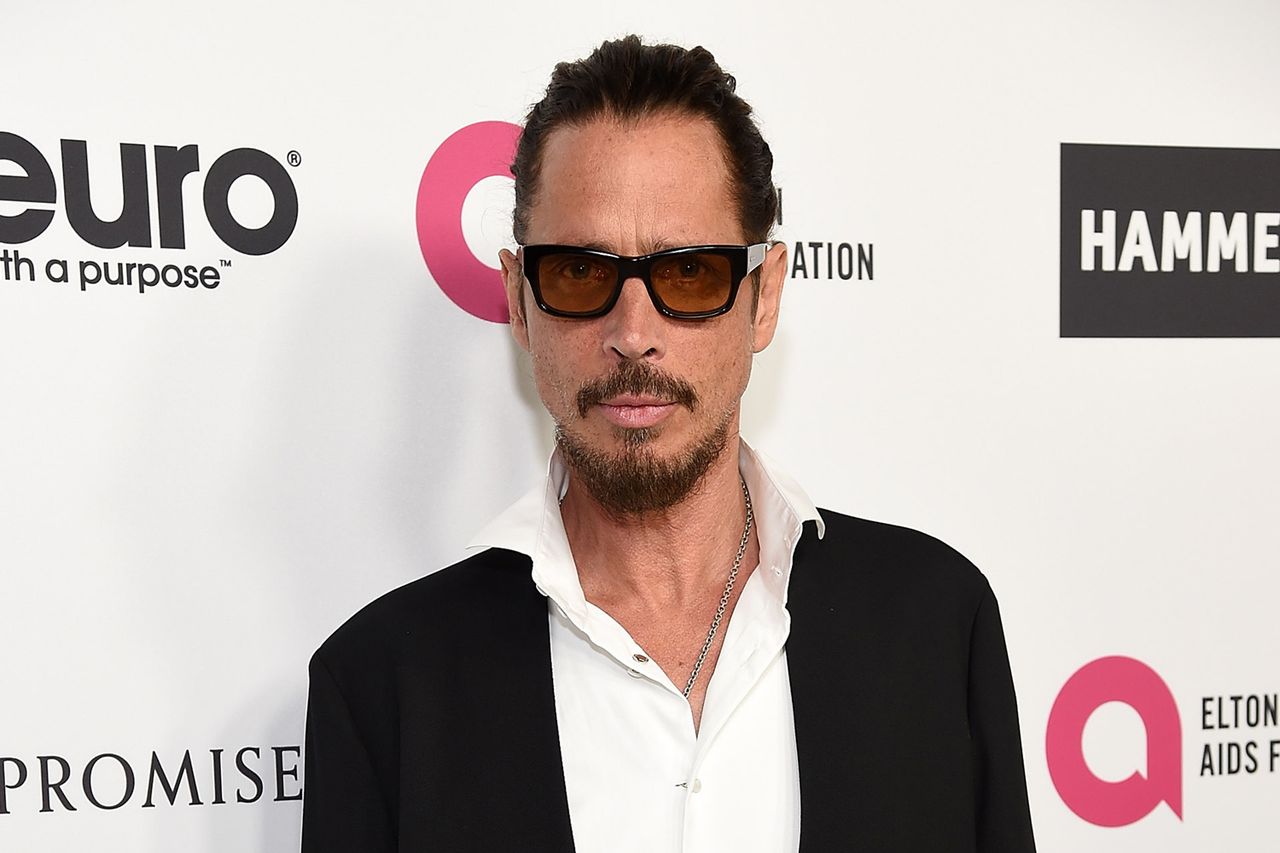
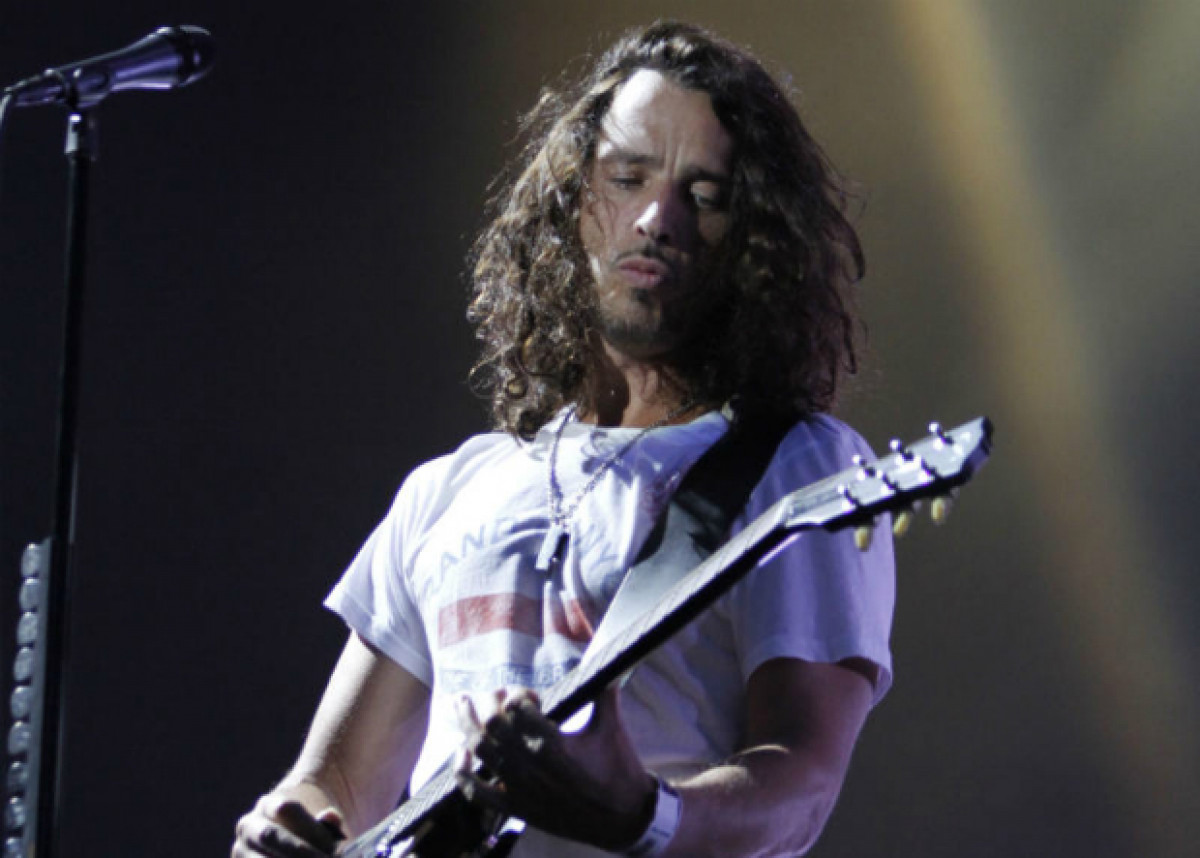
When Chris Cornell Died and What Followed: A Comprehensive Legacy Timeline
Chris Cornell, the iconic lead singer of Soundgarden and Audioslave, died on the night of May 17–18, 2017, in Detroit, Michigan. His death was officially ruled a suicide by hanging. In the years that followed, his legacy has been defin...
Chris Cornell, the iconic lead singer of Soundgarden and Audioslave, died on the night of May 17–18, 2017, in Detroit, Michigan. His death was officially ruled a suicide by hanging. In the years that followed, his legacy has been defined by complex legal disputes over unreleased music, a series of high-profile tributes, and a renewed global conversation regarding mental health in the music industry.
Contents
The Night of May 17–18, 2017: The Final Performance
The timeline of Chris Cornell’s death begins at the Fox Theatre in Detroit. Soundgarden was in the midst of a North American tour, and by all accounts from those in attendance, the performance was powerful, though some fans later noted subtle signs of fatigue or vocal strain. The band closed the set with a cover of Led Zeppelin’s "In My Time of Dying," a choice that fans and media would later scrutinize for its perceived foreshadowing.
Following the show, Cornell returned to his suite at the MGM Grand Detroit. According to police reports, he spoke with his wife, Vicky Cornell, via telephone. During this conversation, Vicky noted that he sounded groggy and kept repeating, "I am just tired," before hanging up. Concerned by his tone and demeanor, she contacted hotel security to check on him.
Security personnel and Cornell's bodyguard eventually forced entry into the room, where they found the 52-year-old musician unresponsive on the bathroom floor. Despite resuscitation efforts, he was pronounced dead at the scene in the early hours of May 18. The news broke globally shortly after, sending shockwaves through the rock community and the city of Seattle, where Cornell was a foundational figure of the grunge movement.
Medical Findings and the Toxicology Controversy
The Wayne County Medical Examiner’s Office conducted an autopsy and quickly ruled the cause of death as suicide by hanging. However, the Cornell family, particularly Vicky Cornell, challenged the narrative that Chris intentionally took his own life. They pointed toward the toxicology report, which revealed the presence of several prescription drugs in his system.
The report identified Lorazepam (Ativan), Butalbital, Naloxone, Caffeine, and Pseudoephedrine. The primary focus of the family’s concern was Ativan, an anti-anxiety medication. Chris Cornell had a history of substance abuse but had been sober for many years. The family argued that an increased dosage of Ativan could have caused suicidal ideation or impaired his judgment, leading to a "clouded state" rather than a premeditated decision.
Despite these assertions, the medical examiner maintained that the drugs did not contribute to the cause of death, as the levels were not lethal and the physical evidence of the hanging was definitive. This tension between medical findings and the family’s perspective remained a central theme in the coverage of his passing for several years.
Immediate Musical and Cultural Aftermath
The immediate aftermath of Cornell’s death saw a massive outpouring of grief from the music world. In Seattle, the Space Needle went dark for an hour in his honor, and fans gathered at the "A Sound Garden" art installation—the namesake of his band—to leave flowers and notes.
Musicians across all genres paid tribute during their live sets. Linkin Park’s Chester Bennington, a close friend of Cornell and godfather to his son, performed a moving rendition of "Hallelujah" at Cornell’s funeral. Tracically, Bennington would die by suicide just two months later on what would have been Cornell’s 53rd birthday, further deepening the tragedy for the rock community.
In 2018, Cornell posthumously won a Grammy Award for Best Rock Performance for the song "When Bad Does Good," a previously unreleased track found in his personal archives. This award served as a poignant reminder of his enduring vocal prowess even in his final years.
The Long Legal Battle: The Estate vs. Soundgarden
Perhaps the most complicated chapter of "what followed" involves the protracted legal battle between Vicky Cornell and the surviving members of Soundgarden: Kim Thayil, Matt Cameron, and Ben Shepherd.
The conflict primarily centered on two issues:
- Unreleased Recordings: Chris Cornell had recorded several vocal tracks in his home studio in Florida prior to his death. Vicky Cornell claimed these were intended as solo works, while the band argued they were part of a collaborative Soundgarden album.
- Buy-out Values and Royalties: The two parties disagreed on the valuation of Chris Cornell’s interest in the band’s assets and the distribution of social media account access.
For several years, this dispute prevented the release of the final Soundgarden recordings. Fans were left in a state of limbo, as the "final album" remained locked in a legal stalemate. However, in April 2023, a significant breakthrough occurred. The two parties reached an amicable out-of-court settlement. This agreement paved the way for the surviving members and the estate to collaborate again, ensuring that the final songs Chris Cornell worked on would eventually reach the public.
Posthumous Releases and Tributes
While the Soundgarden material was delayed by legalities, the estate was active in preserving Cornell's solo legacy. In 2020, the album No One Sings Like You Anymore, Vol. 1 was released. This project consisted of ten cover songs that Cornell had recorded and sequenced himself, featuring his unique takes on tracks by artists like John Lennon, Prince, and Guns N' Roses.
In Seattle, a bronze statue of Cornell was unveiled at the Museum of Pop Culture (MoPOP) in October 2018. Commissioned by Vicky Cornell and sculpted by Nick Marra, the statue depicts the singer in a characteristic pose with his guitar. It has since become a permanent pilgrimage site for fans visiting the city.
Key Milestones Since May 2017
The following table summarizes the major events and releases that have defined the period following Cornell's death.
| Year | Event/Release | Significance |
|---|---|---|
| 2017 | Wayne County Autopsy Report | Ruled death as suicide; toxicology showed prescription drugs. |
| 2018 | MoPOP Statue Unveiling | A permanent physical tribute established in Seattle. |
| 2019 | "I Am the Highway" Concert | A massive tribute show featuring Foo Fighters, Metallica, and Miley Cyrus. |
| 2019 | Grammy Win | "When Bad Does Good" wins Best Rock Performance. |
| 2020 | No One Sings Like You Anymore | Release of the final solo covers album curated by Cornell. |
| 2023 | Estate & Band Settlement | Resolution of legal disputes over final Soundgarden tracks. |
| 2024-25 | Archival Restorations | Enhanced re-releases of classic Audioslave and Soundgarden catalogs. |
The Impact on Mental Health Advocacy
One of the most significant societal impacts following Chris Cornell's death was the heightened focus on mental health and addiction within the music industry. Cornell had been open about his struggles with depression and "pioneer" status in the recovery community. His death, followed closely by Chester Bennington’s, prompted organizations like MusiCares and the Recording Academy to expand their support systems for touring musicians.
The Chris and Vicky Cornell Foundation, which was originally established to support vulnerable children, shifted some of its focus to address the intersection of prescription drug awareness and mental health. This advocacy has helped destigmatize the conversation around the "dark side" of the touring lifestyle and the specific pressures faced by high-profile performers.
The Status of Soundgarden in 2026
As of 2026, the legacy of Soundgarden is in a phase of respectful preservation. With the legal hurdles cleared years ago, the focus has returned to the music. The surviving members have remained active in various projects—Matt Cameron with Pearl Jam and Kim Thayil with various collaborations—but they have consistently stated that Soundgarden cannot exist as a touring entity without Cornell’s singular voice.
The anticipated "final album" recordings, which were the subject of the 2023 settlement, have provided fans with a sense of closure. These tracks represent the final creative output of one of the most important bands in rock history, polished with the input of the original members to ensure they meet the band’s historical standards.
Frequently Asked Questions
What were Chris Cornell's final words?
While there is no public record of his very last words, his last known communication was a phone call to his wife, Vicky, where he repeatedly said "I am just tired." His final public performance ended with the song "In My Time of Dying."
Was there a suicide note found?
No. Investigators did not find a suicide note in the hotel room or among Cornell’s personal belongings. This lack of a note contributed to the family’s belief that his actions were a result of an adverse reaction to prescription medication rather than a planned event.
Who owns the rights to Chris Cornell’s music now?
The rights are managed by the Chris Cornell Estate, overseen by Vicky Cornell. However, for Soundgarden-specific material, the rights are shared among the estate and the surviving band members, following the 2023 settlement.
Is there a documentary about Chris Cornell’s life?
Several retrospectives exist, but a major authorized documentary titled Like a Stone, produced by Brad Pitt and Peter Berg, has been in development for several years. It aims to cover his entire career from the early days of Soundgarden to his solo success.
Will Soundgarden ever tour with a new singer?
The surviving members—Kim Thayil, Matt Cameron, and Ben Shepherd—have expressed that while they may perform together for special tribute events, they have no plans to replace Chris Cornell or tour as Soundgarden with a new permanent vocalist.
Recommendation for Fans
For those looking to explore the depth of Chris Cornell's career beyond the hits, the 2018 self-titled retrospective compilation Chris Cornell offers a comprehensive look at his work across Soundgarden, Temple of the Dog, Audioslave, and his solo career. Additionally, visiting the MoPOP in Seattle provides a meaningful way to connect with the physical history of the grunge movement he helped create.
Image Gallery