Insurance for Commute or Pleasure Use: How to Choose the Right Vehicle Classification
Choosing between pleasure use and commute use for auto insurance depends on how often and for what purpose you drive your vehicle. Pleasure use applies to vehicles driven for personal errands, leisure, and occasional trips, with no reg...
Choosing between pleasure use and commute use for auto insurance depends on how often and for what purpose you drive your vehicle. Pleasure use applies to vehicles driven for personal errands, leisure, and occasional trips, with no regular driving to work or school. Commute use applies to vehicles driven back and forth to a workplace or educational facility on a routine basis. Selecting the correct usage category ensures your insurance claims are paid properly while keeping your premium accurate.
Contents
Understanding Car Insurance Vehicle Use Classifications
When applying for or renewing an auto insurance policy, insurance carriers require policyholders to declare how their vehicles will be used. Insurance underwriters rely on this classification—known as vehicle use rating—to calculate the statistical probability of an accident.
Driving during peak traffic hours carries a higher statistical risk of collision than driving during off-peak weekend hours. Consequently, misclassifying your vehicle's primary purpose can lead to unexpected premium adjustments, claim denials, or policy cancellation.
What Is Pleasure Use Car Insurance?
Pleasure use is designed for vehicles that are not used for routine daily travel to work, professional sites, or academic institutions. Under standard insurance underwriting guidelines, pleasure use typically encompasses:
- Running personal errands, such as grocery shopping or visiting local services.
- Taking weekend road trips or visiting family and friends.
- Transporting children to occasional extracurricular activities (when not part of a daily commute routine).
- Driving a secondary or classic car kept primarily in storage or a garage.
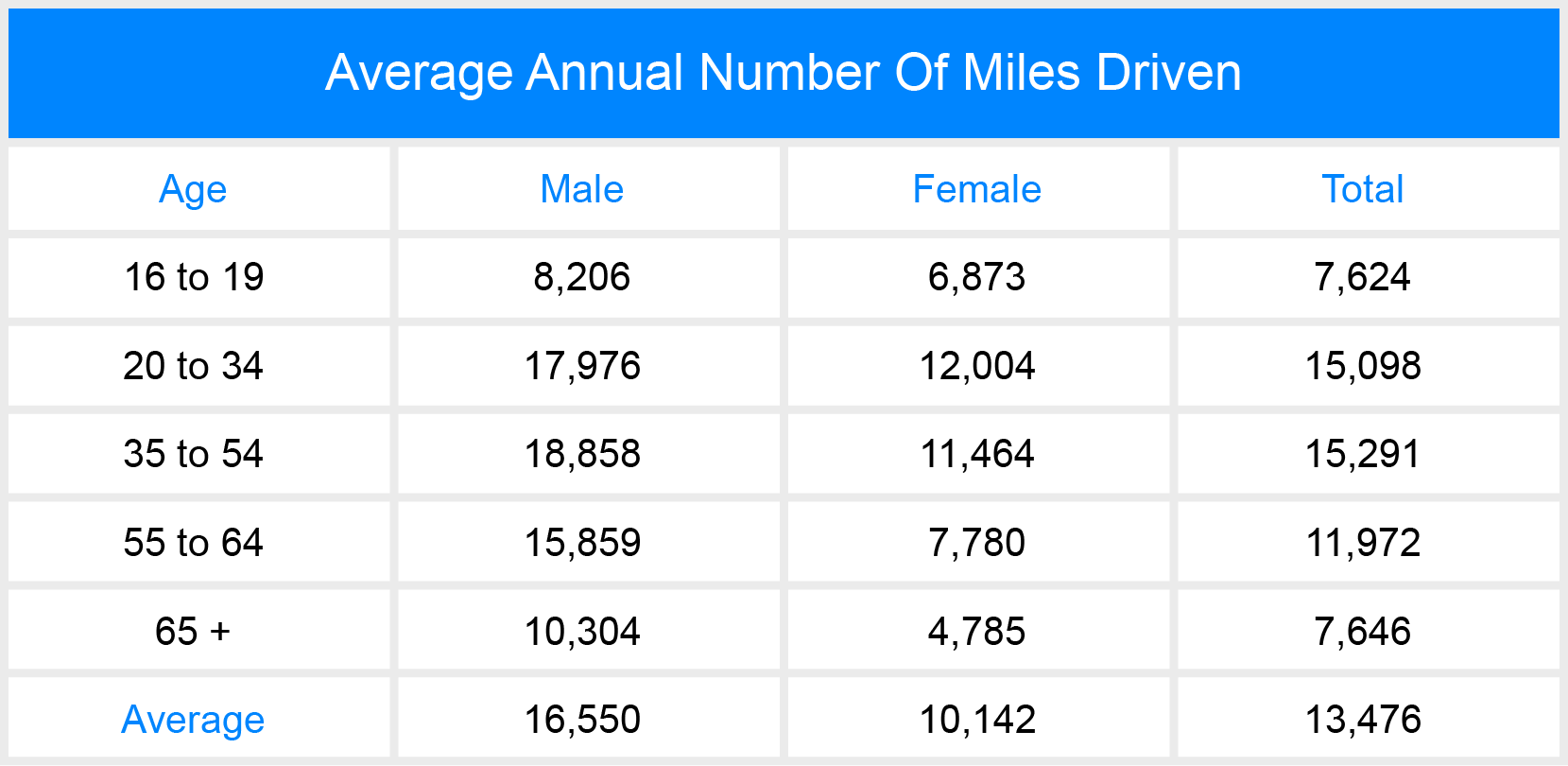
While pleasure-use vehicles generally accumulate lower annual mileage, annual mileage alone does not determine the classification. A vehicle driven 12,000 miles per year strictly for cross-country vacation trips can still qualify as pleasure use, whereas a vehicle driven only 4,000 miles per year might be classified as commute use if those miles consist of daily short trips to a local train station or workplace.
What Is Commute Use Car Insurance?
Commute use applies to any vehicle used regularly to travel back and forth between home and a place of employment or school. Auto insurance companies generally divide commute use into two sub-categories based on round-trip distance:
- Short-distance commute: Typically defined as a round-trip driving distance under 10 to 15 miles per day.
- Long-distance commute: Typically defined as a round-trip driving distance exceeding 15 miles per day.
Insurance providers consider commuting more risky than pleasure driving because it exposes the vehicle to rush-hour congestion, high-density traffic intersections, and stressed drivers during morning and evening peak hours. Even if you only commute three days per week under a hybrid work model, most insurance carriers still require the vehicle to be listed under commute status rather than pleasure status.
Business and Commercial Use vs. Commute Use
It is essential to distinguish commute use from business or commercial vehicle use. Commute use covers driving to and from your place of work. It does not cover driving for work purposes once you arrive.
If your daily routine involves using your personal car to perform work tasks, your policy requires a business use classification or a separate commercial auto policy. Business use applies to:
- Real estate agents driving clients to property viewings.
- Sales representatives traveling between customer sites.
- Construction workers transporting tools between multiple job sites during the workday.
- Delivery drivers working for courier services or food delivery platforms (such as Uber Eats, DoorDash, or Grubhub).
- Rideshare drivers operating on platforms such as Uber or Lyft.
Standard personal auto insurance policies contain explicit exclusions for commercial activity and rideshare operations. Using a vehicle classified for pleasure or standard commute for commercial driving can result in immediate claim denial following an accident. Drivers engaging in gig-economy driving must purchase a specialized rideshare endorsement or commercial coverage.
Key Differences: Pleasure vs. Commute Use
To help evaluate how insurance carriers assess these classifications, the table below outlines the primary operational differences, risk factors, and financial implications.
| Feature / Criteria | Pleasure Use | Commute Use | Business / Commercial Use |
|---|---|---|---|
| Primary Purpose | Personal errands, social visits, leisure travel | Driving to and from work, school, or transit hubs | Transporting goods, clients, or traveling between job sites |
| Driving Schedule | Off-peak hours, flexible timing | Morning and evening rush hours, set schedule | Workday hours, variable locations throughout the day |
| Accident Risk Profile | Lower exposure to traffic density | High exposure to rush-hour accidents and stop-and-go collisions | Elevated exposure due to frequent stopping, navigation, and mileage |
| Average Cost Impact | Base personal auto rate (lowest personal tier) | 5% to 20% higher premium than pleasure use | Requires business endorsement or separate commercial policy |
| Annual Mileage Expectation | Usually under 7,500–10,000 miles per year | Varies; often 10,000–15,000+ miles per year | Typically high annual mileage |
| Coverage Exclusions | Work commutes and commercial operations excluded | Commercial operations and multi-site client visits excluded | Standard personal policy limits excluded without endorsement |
How Insurers Determine Your Vehicle Usage Rating
Insurance companies evaluate several key risk indicators to assign the appropriate rating class to your vehicle. During the application process, insurers collect specific data points to set baseline premiums.
Distance, Frequency, and Location Factors
When you request an auto insurance quote, the carrier asks for your primary residence address and your workplace address. Insurers use mapping software to calculate the exact distance of your daily commute.
Key rating factors include:
- Round-Trip Distance: Longer commutes increase driving time and collision exposure.
- Days Driven per Week: Drivers who commute 5 days a week carry a higher risk weighting than hybrid employees commuting 2 days a week.
- Urban vs. Rural Routes: Commuting through major metropolitan centers with high accident statistics results in higher rate adjustments than commuting across rural highways.
Telematics and Usage-Based Insurance (UBI) Programs
Modern auto insurance relies heavily on telematics—technology that monitors actual driving behavior through mobile apps or plug-in OBD-II devices. Telematics programs track peak driving hours, vehicle speed, braking intensity, and overall mileage.
If a driver classifies a vehicle for pleasure use but telematics data reveals daily trips to a downtown office building during 8:00 AM and 5:00 PM rush hours, the insurer's underwriting system will automatically reclassify the vehicle to commute use and adjust the policy premium accordingly.
Financial and Legal Risks of Choosing the Wrong Classification
Misrepresenting how you use your vehicle—whether intentionally to lower your rate or accidentally due to a change in routine—can have severe legal and financial consequences.
Denied Claims and Policy Rescission
Insurance contracts are based on the legal principle of utmost good faith. When you file a claim after an accident, claims adjusters review the circumstances of the incident, including the time of day, location, and destination.
If you crash at 8:30 AM on a major highway leading toward your employer's office, but your vehicle is listed under pleasure use, the insurer may investigate for material misrepresentation. According to guidance from the National Association of Insurance Commissioners (NAIC), misrepresenting material facts on an insurance application gives insurers grounds to deny coverage for the specific claim or rescind (cancel) the policy entirely from its inception date.
Premium Recalculations and Fraud Penalties
If an insurer discovers an improper classification during a routine audit or claim investigation, they may take the following actions:
- Retroactive Premium Billing: The insurer can recalculate your policy rates back to the date the commute began and bill you for the unpaid premium difference.
- Non-Renewal or Cancellation: The insurer may issue a notice of non-renewal, making it significantly harder and more expensive to secure coverage with another carrier in the high-risk pool.
- Insurance Fraud Charges: Intentional misrepresentation to reduce premium costs is legally classified as premium fraud. While minor misclassifications are often resolved through rate adjustments, deliberate and repeated falsification can result in formal referral to a state's Department of Insurance Fraud Division.
How to Correctly Update Your Auto Insurance Usage
Vehicle usage is not static. Job changes, hybrid work policies, retirement, and relocation all alter your driving profile. Keeping your insurance company informed ensures your policy remains fully enforceable.
Step 1: Audit Your Driving Routine
Review your driving habits over the past 30 days. Ask yourself the following questions:
- Do I drive this vehicle to a physical office, train station, or bus park-and-ride facility?
- How many days per week do I drive to work or school?
- What is the exact round-trip mileage from my home to my destination?
Step 2: Contact Your Agent or Carrier
Log into your insurance provider's web portal or call your licensed agent. Update your primary vehicle use status under the following common scenarios:
- Transitioning to Remote Work: If you permanently shifted to working from home, request to change your status from commute to pleasure use. This adjustment often results in immediate premium savings.
- Adopting a Hybrid Work Model: If you commute only 1 to 3 days per week, report this frequency accurately. Some carriers offer tiered commute ratings for part-time commuters.
- Retirement: Retiring from active employment is one of the most common reasons to reclassify a primary vehicle to pleasure use and apply for low-mileage discounts.
Step 3: Review Mileage Limits and Telematics Options
If your annual mileage drops significantly after switching to pleasure use, check if your insurer offers low-mileage discounts or pay-per-mile auto insurance. Pay-per-mile plans charge a low base monthly rate plus a fixed per-mile fee, which benefits low-mileage pleasure drivers.
Frequently Asked Questions
What happens if I occasionally drive my pleasure-use car to work?
Occasional driving to work—such as driving your secondary pleasure vehicle once or twice a month when your primary commuter car is in the repair shop—is generally permitted under standard personal auto policies. Insurance policies are designed to accommodate infrequent exceptions. However, if driving to work becomes a predictable, weekly routine, you must update the policy to reflect commute use.
Is pleasure use auto insurance significantly cheaper than commute use?
Yes, pleasure use is generally 5% to 20% less expensive than commute use, depending on the carrier, your state, and your total annual mileage. The savings stem from avoiding high-risk peak congestion hours. However, exact savings vary based on individual rating factors such as your driving record, vehicle model, and local crash statistics.
Does taking public transit to work count as a commute for my car?
If you drive your personal car from your home to a park-and-ride lot, train station, or bus stop on a regular basis, insurers classify that drive as a commute. Even though the vehicle is not driven all the way to your employer's building, the morning and evening drives to the transit hub occur during peak traffic hours, carrying standard commute risk.
How do hybrid work schedules affect my vehicle classification?
Most insurance companies classify any vehicle driven to work 3 or more days per week under full commute status. If you commute 1 or 2 days per week, some insurers offer a discounted "part-time commute" rating tier. Always disclose your exact office schedule to your provider to confirm how their specific underwriting guidelines handle hybrid arrangements.
What should I do if I start using my personal vehicle for food delivery or ridesharing?
Standard personal auto policies—whether designated for pleasure or commute—exclude coverage for commercial delivery and ridesharing activities. You must notify your insurance company immediately and purchase a commercial auto policy or add a rideshare endorsement to your existing policy. Operating delivery services without proper endorsements can lead to instant claim denials and policy cancellation.
Next Steps for Optimizing Your Auto Insurance Coverage
To ensure your policy maintains full financial protection without overpaying, perform a annual review of your vehicle classifications.
- Verify Your Current Status: Check your current auto insurance policy declarations page to see whether each listed vehicle is marked as "Pleasure," "Commute," or "Business."
- Calculate Annual Mileage: Compare your odometer reading over the past 12 months against the annual mileage estimate listed on your policy.
- Request Quotes for Profile Changes: If your work habits have changed—such as moving to full remote work—contact your insurance agent to update your usage designation and inquire about low-mileage discounts or usage-based insurance programs.
- Confirm Exclusions: If you plan to engage in any income-generating driving activities, request written confirmation from your insurer regarding what commercial endorsements are necessary to maintain continuous coverage.
Disclaimer: This article is provided for informational purposes only and does not constitute financial, legal, or professional insurance advice. Auto insurance rules, usage definitions, and rating structures vary by insurance carrier and state jurisdiction. Consult a licensed insurance professional or your state's Department of Insurance for specific policy guidance.
Image Gallery