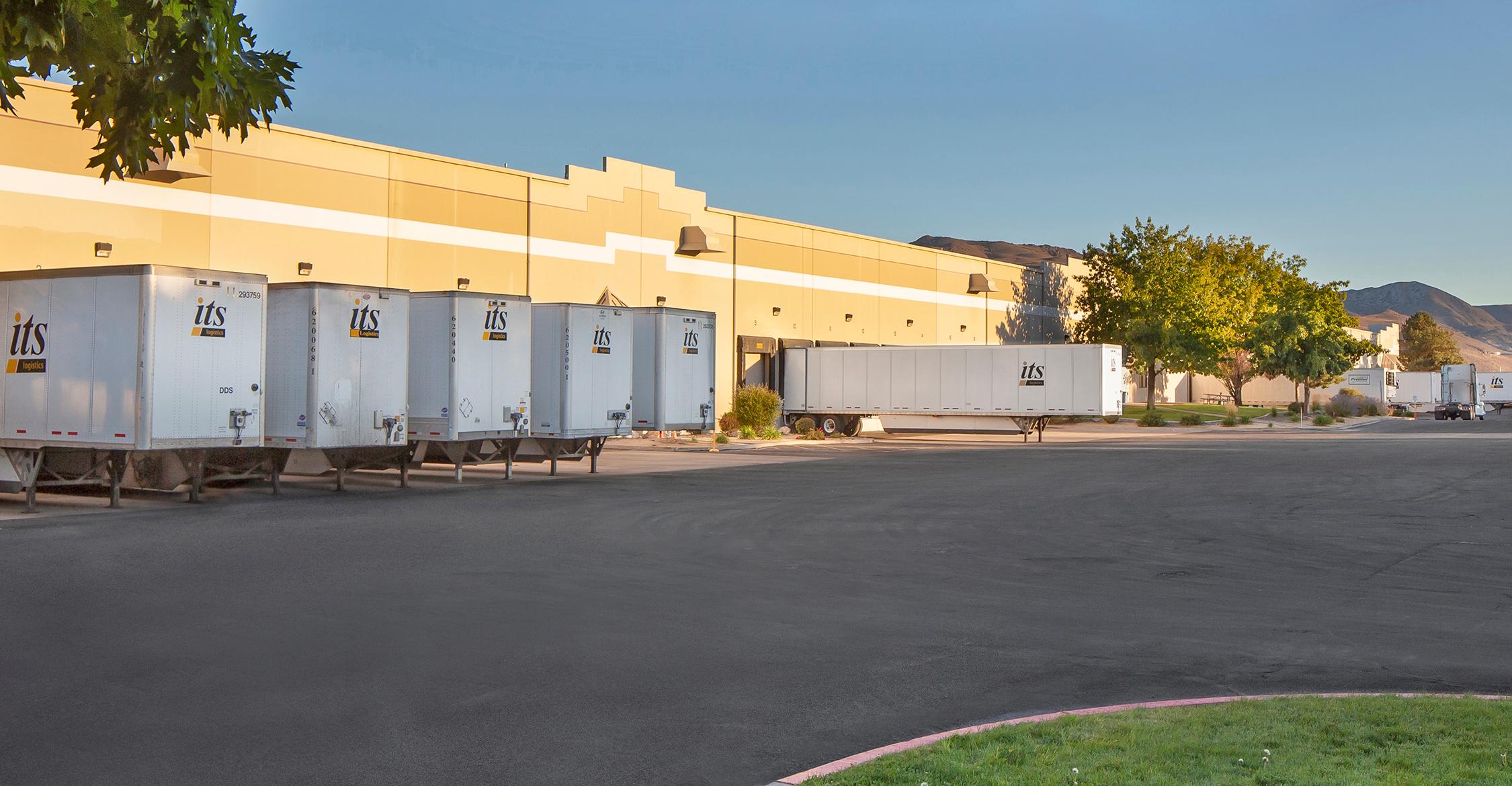
IT'S Technologies Logistics: Comprehensive Guide to Modern Supply Chain Integration
IT'S Technologies Logistics represents the convergence of advanced information technology systems and physical supply chain management, designed to optimize inventory tracking, route planning, and warehouse automation. By bridging digi...
IT'S Technologies Logistics represents the convergence of advanced information technology systems and physical supply chain management, designed to optimize inventory tracking, route planning, and warehouse automation. By bridging digital data layers with physical transport networks, organizations achieve end-to-end visibility, reduced operational friction, and data-driven resilience against global market disruptions.
Contents
Understanding the Intersection of Information Technology and Supply Chain Operations
The contemporary supply chain operates under immense pressure from fluctuating consumer demands, globalized manufacturing networks, and strict delivery timelines. Traditional logistics management, which relied heavily on manual record-keeping and disparate communication channels, often struggles to maintain the speed and accuracy required in modern commerce. Information Technology Systems (IT'S) technologies logistics solves these challenges by embedding digital intelligence directly into the physical flow of goods.
At its core, this integration relies on a robust architecture of hardware and software components. Enterprise Resource Planning (ERP) systems, Warehouse Management Systems (WMS), and Transportation Management Systems (TMS) form the digital backbone. These platforms communicate in real time with physical assets such as radio-frequency identification (RFID) tags, global positioning system (GPS) transponders, and automated guided vehicles (AGVs) on the warehouse floor. By unifying these technologies, logistics operators can monitor shipments across international borders, predict potential bottlenecks before they cause delays, and dynamically reroute freight to minimize fuel consumption and transit time.
Furthermore, the implementation of such technology requires a deliberate strategy regarding data governance and cybersecurity. Because modern logistics networks rely on interconnected cloud platforms and Internet of Things (IoT) sensors, they present a wider attack surface for malicious actors. Protecting proprietary shipping routes, customer data, and operational continuity requires rigorous encryption standards, secure Application Programming Interfaces (APIs), and continuous network monitoring.
Core Technological Components of Advanced Logistics Systems
Deploying a modern IT-centric logistics infrastructure involves several distinct software and hardware layers that must work in seamless synchronization. Understanding these components helps organizations select the right architecture for their specific operational scale.
- DATA LAYER (ERP, WMS, TMS, Cloud)
- INTEGRATION LAYER (APIs, IoT, Middleware)
- PHYSICAL LAYER (RFID, GPS, AGVs, Automated Sorters)
Warehouse Management Systems and Automation
Warehouse Management Systems dictate how inventory is received, stored, and picked within a fulfillment center. Modern WMS platforms utilize advanced slotting algorithms to place high-velocity items near loading docks, drastically reducing pick times. When paired with physical automation—such as automated storage and retrieval systems (AS/RS) and collaborative robots (cobots)—these software platforms minimize human error and maximize vertical storage capacity.
Transportation Management Systems and Route Optimization
Transportation Management Systems manage the outbound and inbound movement of freight. A robust TMS evaluates carrier rates, service level agreements, and historical performance data to automate carrier selection. Once a shipment is in transit, the system integrates with telematics data to provide real-time updates on vehicle location, driver hours of service, and estimated times of arrival (ETAs). Machine learning algorithms continuously analyze traffic patterns, weather forecasts, and historical congestion data to suggest optimal routing in real time.
The Role of IoT and Sensor Networks
Internet of Things devices serve as the sensory organs of the digital supply chain. Temperature-sensitive pharmaceuticals, perishable foods, and high-value electronics require continuous environmental monitoring. IoT sensors attached to pallets or container walls transmit real-time telemetry regarding shock, tilt, humidity, and temperature. If a container deviates from its acceptable temperature range, the system triggers an automated alert, allowing operators to intervene before the cargo spoils or sustains permanent damage.
Comparative Overview of Logistics Technology Solutions
Selecting the appropriate technological framework depends on enterprise scale, budget, and specific operational pain points. The following table compares major technology categories utilized within IT'S technologies logistics environments:
| Technology Category | Primary Function | Key Operational Benefit | Typical Implementation Complexity |
|---|---|---|---|
| Warehouse Management Systems (WMS) | Inventory tracking and floor workflow automation | Reduced pick errors and maximized storage density | Moderate to High |
| Transportation Management Systems (TMS) | Freight carrier selection and route optimization | Lower shipping costs and improved transit visibility | Moderate |
| Internet of Things (IoT) Sensors | Real-time environmental and location tracking | Asset security and condition monitoring for perishables | Low to Moderate |
| Enterprise Resource Planning (ERP) | Centralized financial, operational, and inventory data | Holistic business intelligence and process alignment | High |
Implementation Prerequisites and Strategic Roadmap
Transitioning from legacy logistics models to an integrated, tech-enabled framework requires a structured, multi-phase approach. Rushing digital transformation without adequate preparation frequently results in software adoption friction, operational downtime, and wasted capital.
Step 1: Comprehensive Auditing of Legacy Infrastructure
Before introducing new software or hardware, an organization must map its existing data flows, hardware assets, and manual bottlenecks. Identify which systems operate in silos and determine where data sharing breaks down between departments, such as procurement, warehousing, and customer service.
Step 2: Defining Key Performance Indicators (KPIs)
Establish clear, measurable metrics to evaluate the success of the technology integration. Common logistics KPIs include:
- Order Cycle Time: The total duration from order placement to final delivery.
- Inventory Accuracy: The percentage match between system records and physical stock counts.
- On-Time In-Full (OTIF) Delivery Rate: The frequency with which shipments arrive at their destination on schedule and complete with correct quantities.
- Freight Cost per Unit: The total transportation expenditure divided by the volume of goods shipped.
Step 3: Change Management and Workforce Training
Advanced logistics technology alters daily job routines for warehouse personnel, dispatchers, and administrative staff. Providing comprehensive, role-specific training programs ensures high user adoption rates. Involve frontline workers early in the testing phase to gather feedback and address practical usability concerns before full-scale deployment.
Common Operational Pitfalls and Troubleshooting
Even with careful planning, organizations often encounter specific hurdles during and after the integration of logistics technologies. Recognizing these challenges allows management teams to implement proactive safeguards.
Data Silos and Integration Friction
A frequent mistake is purchasing best-of-breed software solutions from different vendors without ensuring API compatibility. When a WMS cannot communicate smoothly with a TMS or an ERP, data must be entered manually, which reintroduces human error and delays reporting. Organizations must mandate open-API standards during vendor selection and prioritize middleware platforms that facilitate unified data exchange.
Over-Reliance on Automation Without Manual Contingencies
While automated sorting systems and autonomous vehicles boost efficiency, mechanical failures and power outages do occur. Relying exclusively on automated workflows without establishing manual override procedures can halt fulfillment entirely. Every automated system should have a documented, tested manual backup workflow to maintain business continuity during technical outages.
Scalability Bottlenecks
Selecting software or hardware infrastructure that meets current volume requirements without accounting for future growth leads to premature system obsolescence. Enterprises must evaluate cloud-based software-as-a-service (SaaS) models that allow for elastic scaling during peak seasonal demand without requiring massive capital investments in on-premise server hardware.
Frequently Asked Questions
What is the primary purpose of integrating IT into logistics?
The primary purpose is to establish end-to-end visibility, automate repetitive tasks, and utilize real-time data analytics to reduce shipping costs, minimize inventory holding levels, and improve delivery reliability.
How do IoT devices improve cargo security?
IoT devices provide continuous telemetry regarding location, temperature, humidity, and physical shock. If cargo deviates from expected parameters or unauthorized access is detected, the system sends instant alerts, enabling rapid intervention.
What is the difference between a WMS and a TMS?
A Warehouse Management Systems manages inventory control, storage optimization, and internal labor workflows within a physical warehouse. A Transportation Management Systems focuses on outbound and inbound freight movement, carrier selection, and route optimization.
Are cloud-based logistics solutions secure enough for enterprise data?
Yes. Modern cloud logistics platforms utilize advanced encryption protocols, role-based access controls, and multi-factor authentication. Reputable cloud providers adhere to rigorous compliance standards, such as ISO 27001 and SOC 2, often surpassing the security capabilities of on-premise legacy servers.
How long does a typical logistics technology implementation take?
Implementation timelines vary significantly based on enterprise size and operational complexity. Smaller software deployments may take three to six months, whereas full-scale enterprise ERP, WMS, and TMS integrations across multiple global facilities can require twelve to twenty-four months.
Practical Next Actions for Supply Chain Leaders
Organizations looking to advance their logistics technology capabilities should begin by conducting an internal readiness assessment. Evaluate current software interoperability, identify the primary sources of shipping delays or inventory discrepancies, and engage cross-functional stakeholders from IT, warehouse operations, and finance. By establishing a clear technological roadmap tied to measurable business metrics, companies can build a resilient, agile supply chain capable of adapting to future market demands.
Image Gallery