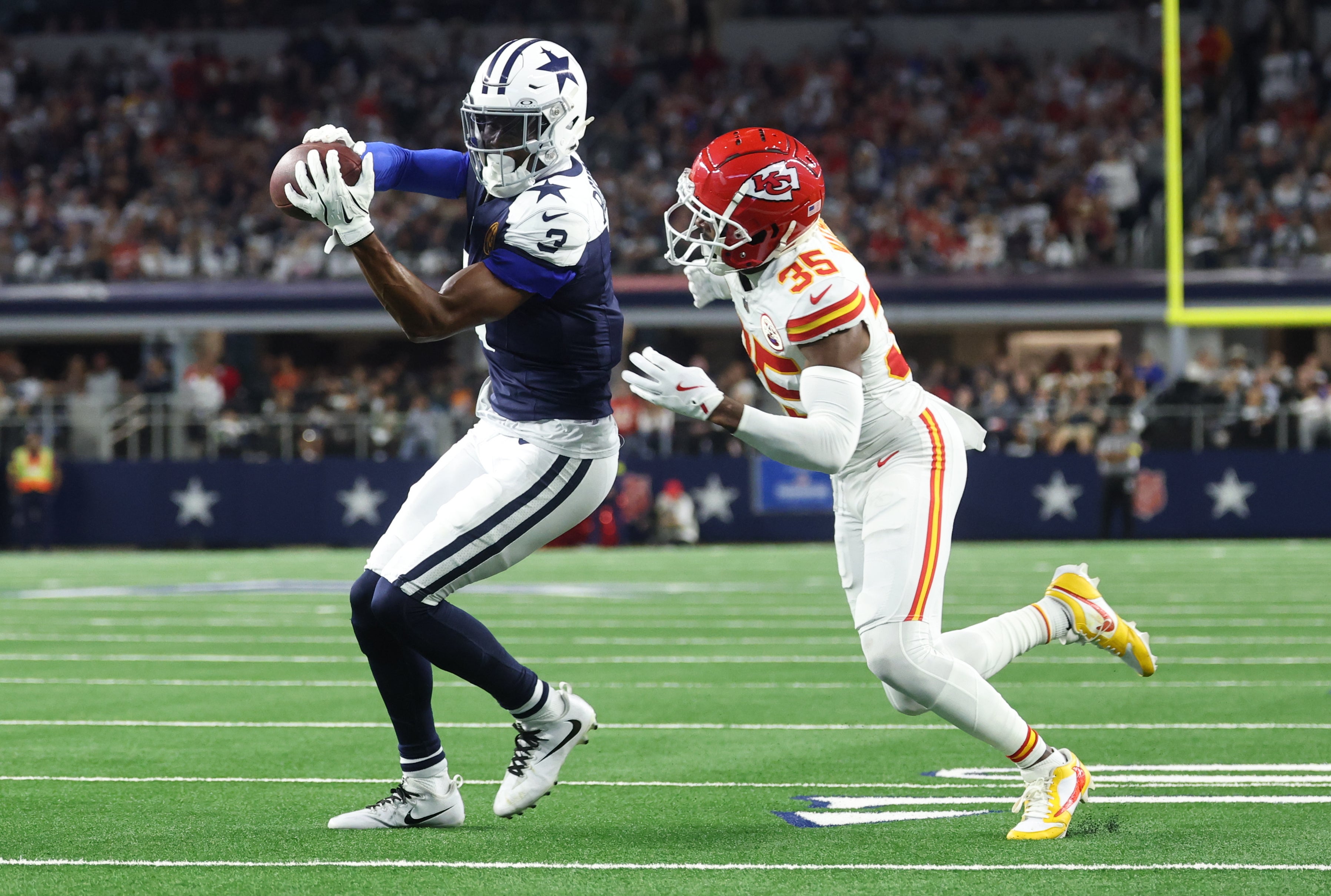
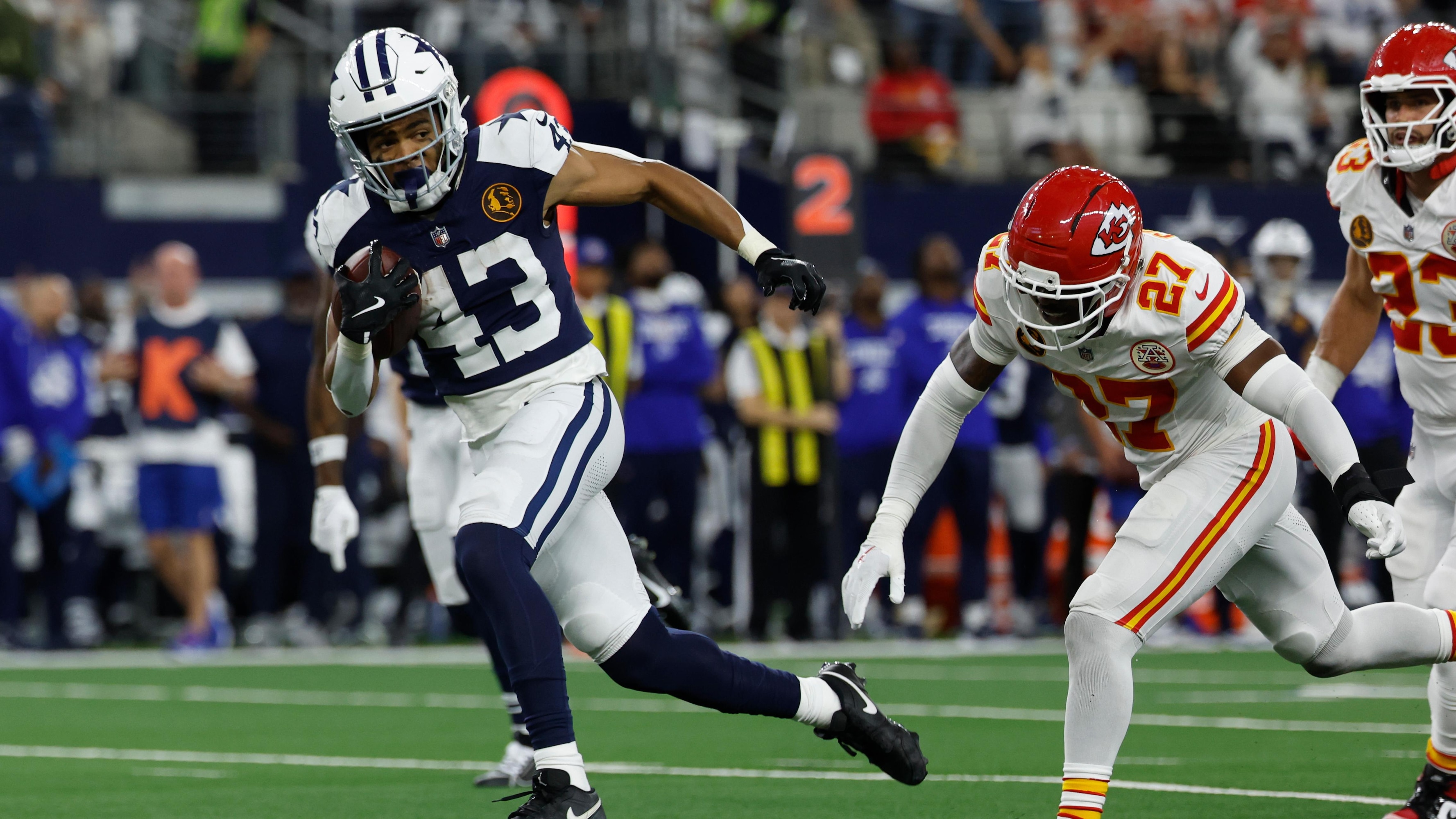
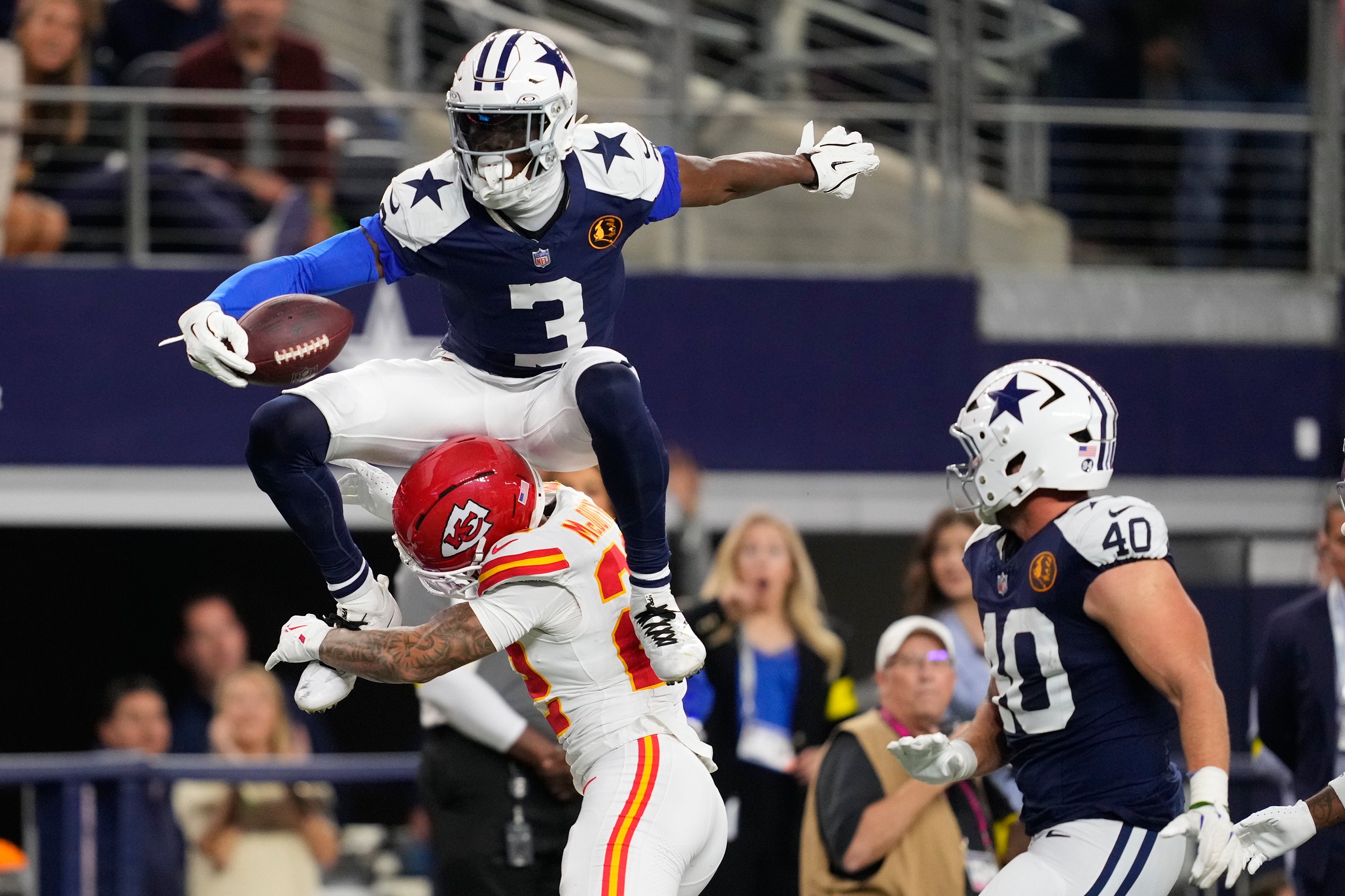
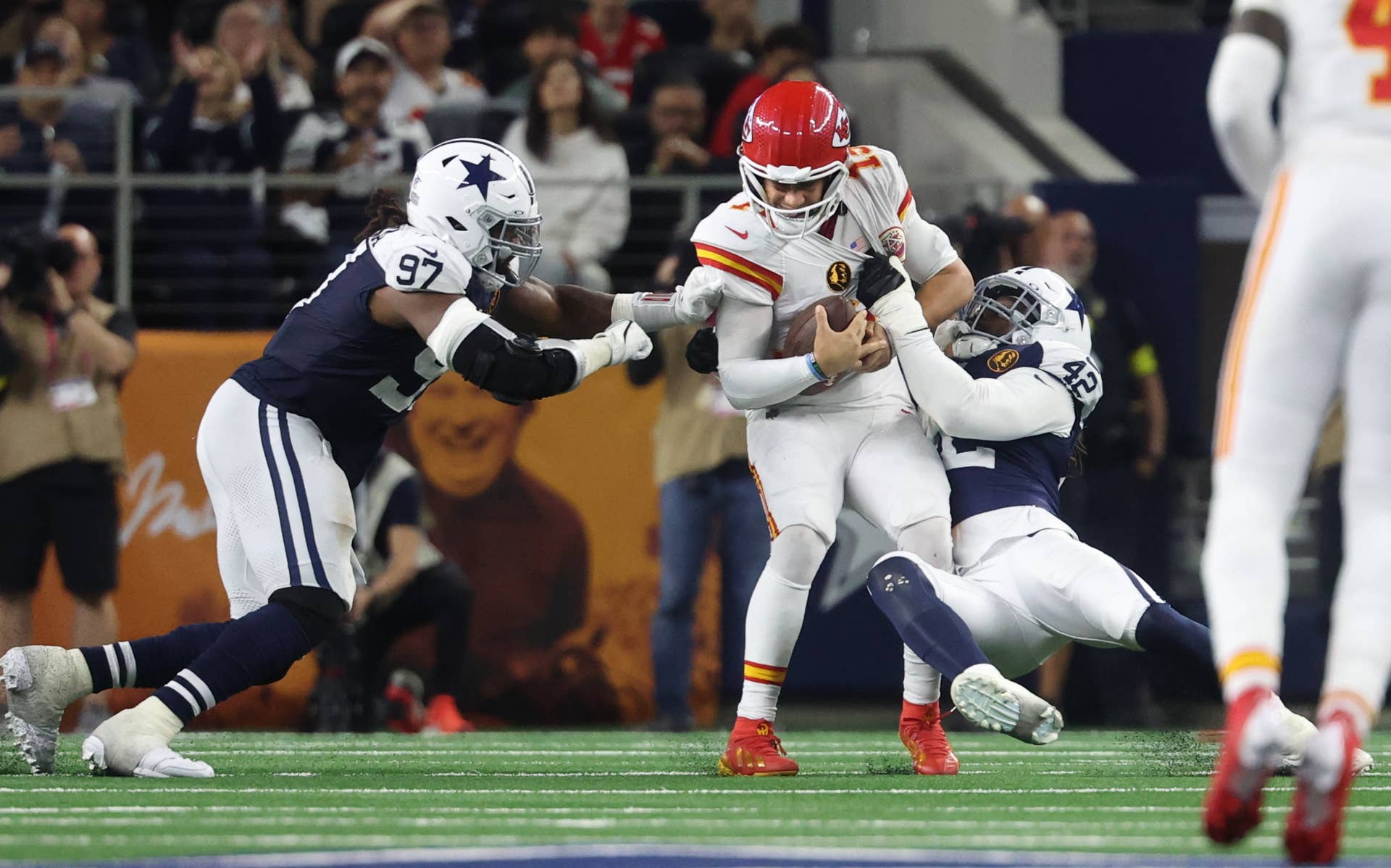
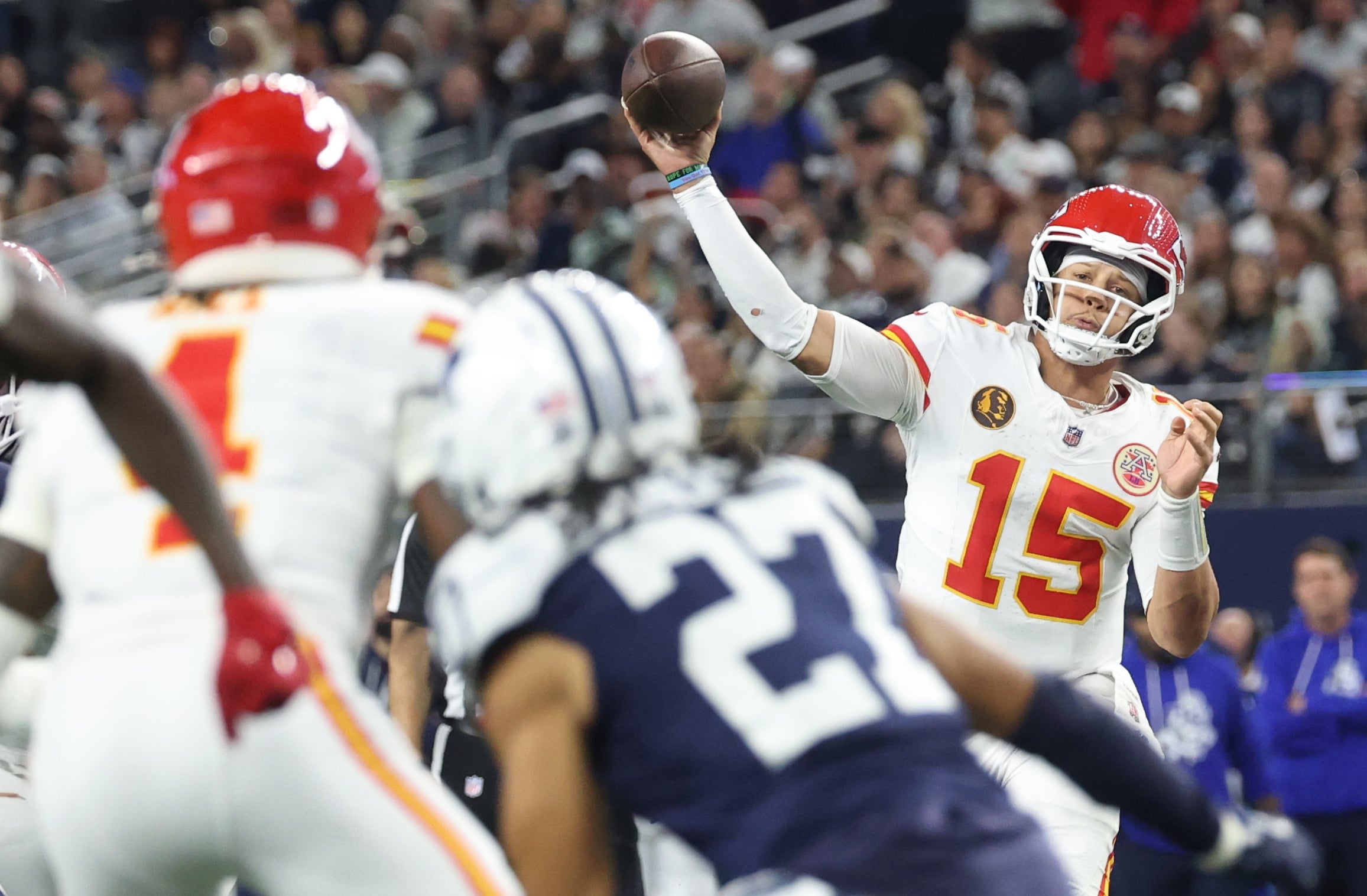
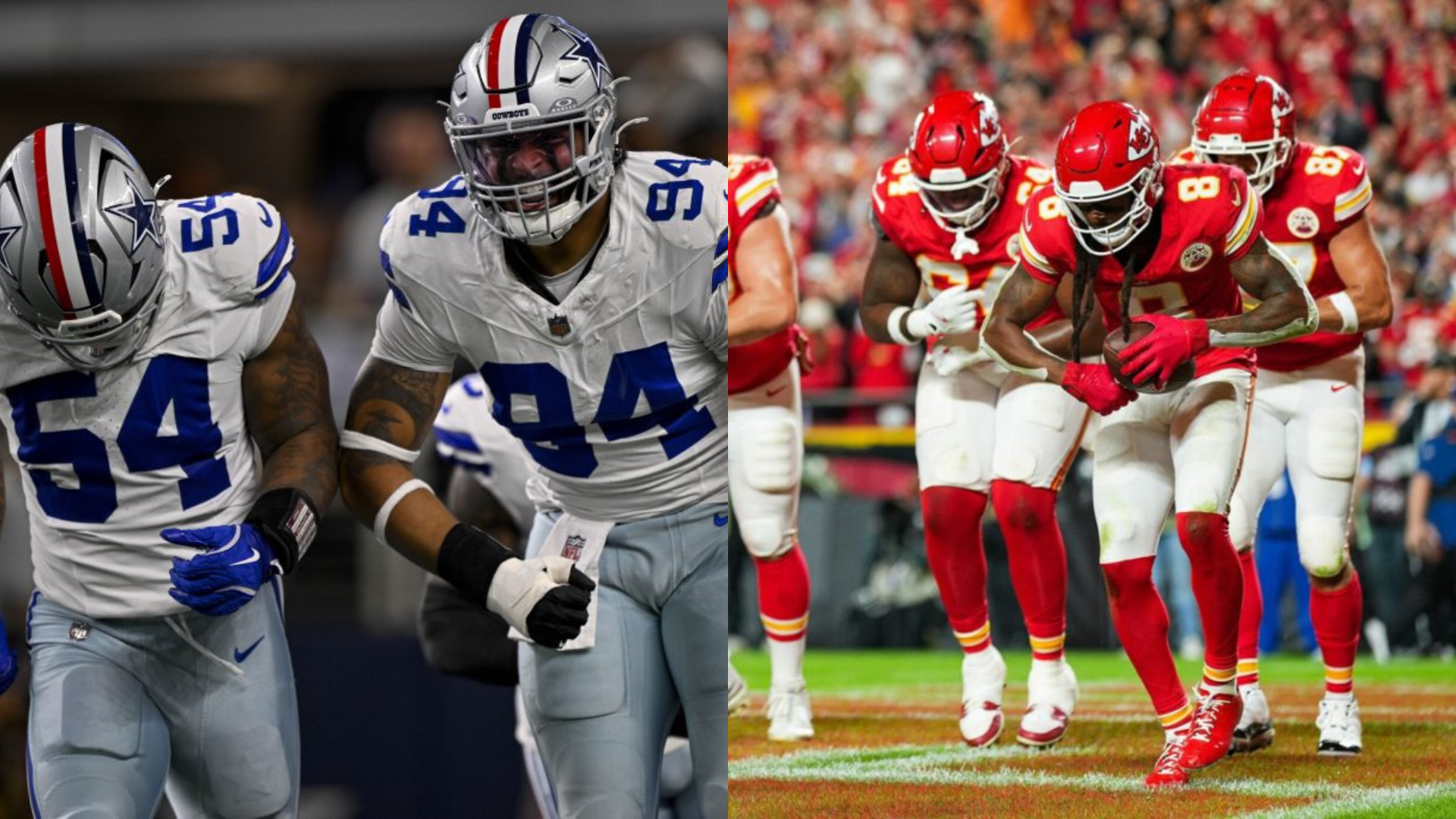
The Chiefs Lost to the Cowboys 31-28: Game Breakdown, Key Plays, and Historical Context
When the Kansas City Chiefs lost to the Dallas Cowboys 31-28, it marked one of the most thrilling and competitive matchups in the historical cross-conference series between the two storied NFL franchises. Highlighted by dramatic late-g...
When the Kansas City Chiefs lost to the Dallas Cowboys 31-28, it marked one of the most thrilling and competitive matchups in the historical cross-conference series between the two storied NFL franchises. Highlighted by dramatic late-game execution, high-powered offensive surges, and pivotal defensive stops, this high-scoring contest left a lasting mark on both teams' seasonal trajectories and inter-conference legacy.
Contents
Game Overview and Historical Context of the 31-28 Matchup
The rivalry between the Kansas City Chiefs and the Dallas Cowboys carries deep historical significance that dates back to the origins of modern professional football. Before relocating to Kansas City in 1963, the Chiefs operated as the Dallas Texans in the American Football League (AFL), competing directly for the Dallas market against the NFL's expansion franchise, the Dallas Cowboys. When the two franchises met on November 18, 1974, for a nationally televised Monday Night Football clash at Arrowhead Stadium, regional pride and inter-conference supremacy were fully on display.
Heading into this high-stakes contest, both organizations were navigating critical transitions. Hall of Fame head coach Hank Stram led the Kansas City Chiefs, aiming to sustain the offensive creativity and physical defensive play that had brought the franchise a Super Bowl IV championship. Meanwhile, legendary head coach Tom Landry guided the Dallas Cowboys, utilizing his iconic "Flex Defense" and a sophisticated, multiple-formation offense designed to disorient opposing linebackers.
| Game Aspect | Kansas City Chiefs | Dallas Cowboys |
|---|---|---|
| Final Score | 28 | 31 |
| Head Coach | Hank Stram | Tom Landry |
| Primary Quarterback | Tony Adams / Len Dawson | Roger Staubach |
| Key Offensive Focus | Balanced Power Run & Quick Passing | Precision Passing & Option Runs |
| Defensive Scheme | Traditional 4-3 Over/Under | Innovative Flex Defense |
| Turnover Differential | -1 | +1 |
| Game Outcome | Defeated at Home | Away Victory |
The atmosphere at Arrowhead Stadium provided a rowdy backdrop for a game defined by rapid lead shifts. The matchup brought together contrasting styles: Kansas City’s relentless physical ground attack against Dallas’s disciplined, high-efficiency aerial assault led by Hall of Fame quarterback Roger Staubach.
Quarter-by-Quarter Breakdown: How Dallas Secured the 31-28 Victory
First Quarter: Defensive Sparring and Early Momentum
The game opened with both defensive units attempting to establish physical dominance at the line of scrimmage. Dallas drew first blood by capitalizing on favorable field position established by strong special teams play. Roger Staubach orchestrated an efficient opening drive, using play-action fakes to compromise Kansas City’s secondary and connecting with wide receiver Drew Pearson to move the chains.
Kansas City responded promptly. Utilizing a heavy formation featuring tight ends and fullbacks, the Chiefs countered with a methodical ground drive that wore down the Dallas interior defensive linemen. A short touchdown run capped off a 75-yard drive, tying the game and establishing that neither team would pull away easily in the opening quarter.
Second Quarter: Offensive Explosions Before Halftime
The second quarter saw both offensive coordinators open up their playbooks. Staubach began stretching the field vertically, targeting his wide receivers along the sidelines to bypass the heavy pass rush of Kansas City’s defensive line. Dallas executed a multi-play drive that ended in a red-zone touchdown, taking a brief lead.
Kansas City showed resilience by utilizing screen passes and quick slants to counter Tom Landry's aggressive blitz packages. A late quarter turnover forced by the Chiefs defense yielded short field position, which Kansas City converted into a touchdown just before the halftime whistle. At the half, the teams were locked in a tight battle, setting the stage for an intense second half.
Halftime Score Progression: Dallas Cowboys: 17 | Kansas City Chiefs: 14
Third Quarter: Tactical Adjustments and Ground Warfare
Coming out of the locker room, Hank Stram adjusted Kansas City’s offensive game plan to exploit gaps in the Cowboys' Flex Defense. By pulling guards and running outside sweeps, the Chiefs neutralized Dallas’s interior quickness, driving downfield to score and reclaiming the lead at 21-17.
Dallas retaliated by increasing the tempo of their offense. Staubach showcased his signature scrambling capability, extending broken plays and converting critical third-and-long situations. A long touchdown pass restored Dallas's lead at 24-21, turning the third quarter into a classic back-and-forth track meet.
Fourth Quarter: Clutch Execution and the Final Tally
The final quarter delivered peak drama. Kansas City mounted a long, clock-chewing drive that featured precise passing and hard-nosed third-down conversions. The Chiefs punched in a touchdown to take a 28-24 lead with limited time remaining on the game clock.
Facing a four-point deficit late in the fourth quarter, Staubach demonstrated why he earned the reputation as one of the game's greatest comeback quarterbacks. Mixing quick sideline passes to stop the clock with targeted runs by Calvin Hill, Dallas advanced inside the Kansas City 10-yard line. With under two minutes remaining, Dallas scored the go-ahead touchdown to take a 31-28 lead. Kansas City’s final desperation drive fell short after a critical third-down sack, sealing the 31-28 victory for the visiting Cowboys.
Key Tactical Factors and Statistical Indicators
Several crucial technical and tactical elements dictated the outcome of this 31-28 battle. Analyzing the underlying metrics illustrates why Dallas was able to edge out Kansas City in a game where both teams scored four touchdowns.
Third-Down Conversion Efficiency
Dallas sustained drive momentum throughout the afternoon by converting high-percentage third downs. Staubach’s ability to process coverages under pressure allowed Dallas to convert over 50% of its third-down attempts. Conversely, Kansas City struggled on third-and-long scenarios in the second half, forcing them into tough punting situations that surrendered field position.
Red-Zone Touchdown Rate
Both teams reached the red zone four times during the game. However, Dallas converted all four of its red-zone trips into touchdowns, maximizing their point total. Kansas City was forced to settle for contested drives and suffered one crucial red-zone turnover that prevented additional points.
Turnover Differential and Field Position
In close NFL contests, turnovers frequently determine the winner. The single interception thrown by Kansas City in the second half gave Dallas an immediate short field, which turned directly into seven points. That 7-point swing proved to be the exact margin of difference in the 31-28 final score.
Disambiguation: The 1974 Game vs. The 1983 Inverse Result
NFL history features an interesting coincidence regarding the score line of 31-28 between these two franchises. Fans researching historic Kansas City Chiefs vs. Dallas Cowboys games often encounter two separate games with mirrored final scores:
- November 18, 1974 (Monday Night Football): Dallas Cowboys defeated the Kansas City Chiefs 31-28 at Arrowhead Stadium. This is the contest where the Chiefs lost 31-28.
- December 11, 1983: Kansas City Chiefs defeated the Dallas Cowboys 31-28 at Texas Stadium. In this later matchup, Kansas City won by the exact inverse scoreline behind a dynamic performance by quarterback Todd Blackledge and receiver Carlos Carson.
Understanding this distinction is vital for football historians and researchers. While the 1983 game saw Kansas City pull off a memorable road upset in Irving, Texas, the 1974 game remains the quintessential classic where Kansas City fell just short on their home turf.
Impact on Franchise Trajectories and League Standing
The 31-28 outcome had immediate consequences for both teams during the 1974 NFL season:
- For the Dallas Cowboys: The hard-fought road victory provided momentum during a tight NFC playoff race. It highlighted the depth of Dallas's roster and validated Tom Landry's tactical adjustments against top-tier inter-conference opponents.
- For the Kansas City Chiefs: The narrow loss exposed depth vulnerabilities in the secondary and marked the late stages of Hank Stram’s legendary tenure in Kansas City. Despite displaying championship-level offensive output, defensive breakdowns in the fourth quarter highlighted the need for roster rebuilding.
- Inter-Conference Parity: The game showcased the parity established between the AFL and NFL following the 1970 merger, proving that regular-season games between these two conferences delivered top-tier television ratings and high-stakes drama.
Frequently Asked Questions
When did the Chiefs lose to the Cowboys 31-28?
The Kansas City Chiefs lost to the Dallas Cowboys 31-28 on November 18, 1974, during a nationally televised Monday Night Football game played at Arrowhead Stadium in Kansas City.
Who were the starting quarterbacks in the 31-28 game?
The Dallas Cowboys were led by Hall of Fame quarterback Roger Staubach. The Kansas City Chiefs utilized a combination of backup Tony Adams and veteran starter Len Dawson during that phase of the 1974 season.
Did the Chiefs ever beat the Cowboys by a score of 31-28?
Yes. In an interesting historical twist, the Kansas City Chiefs defeated the Dallas Cowboys 31-28 on December 11, 1983, at Texas Stadium, mirroring the exact scoreline of their 1974 meeting in reverse.
What was the overall head-to-head record between the Chiefs and Cowboys?
Across their historic series, the Dallas Cowboys and Kansas City Chiefs have played an exceptionally competitive series of games. As of recent seasons, Dallas holds a slight edge in the overall head-to-head regular-season win-loss record against Kansas City.
Why was the Chiefs vs. Cowboys rivalry historically significant?
The rivalry stems from the early 1960s when Lamar Hunt founded the Dallas Texans (AFL) to compete directly against the expansion Dallas Cowboys (NFL) in the same city. The Texans relocated to become the Kansas City Chiefs in 1963, creating an enduring cross-league and cross-conference legacy.
Recommended Next Steps for NFL Fans and Historians
To further explore the historic games and statistical evolutions of the Kansas City Chiefs and Dallas Cowboys series:
- Review Official Archives: Examine box scores and play-by-play summaries on official NFL historic database pages or Pro-Football-Reference.
- Explore Game Film: Watch classic regular-season retrospectives available via NFL Films and the Pro Football Hall of Fame archives to study Tom Landry's Flex Defense versus Hank Stram's Offense.
- Compare Era Analytics: Analyze how rule changes regarding pass coverage and offensive holding from the 1970s transformed scoring outputs in high-scoring games like this 31-28 classic.
Image Gallery