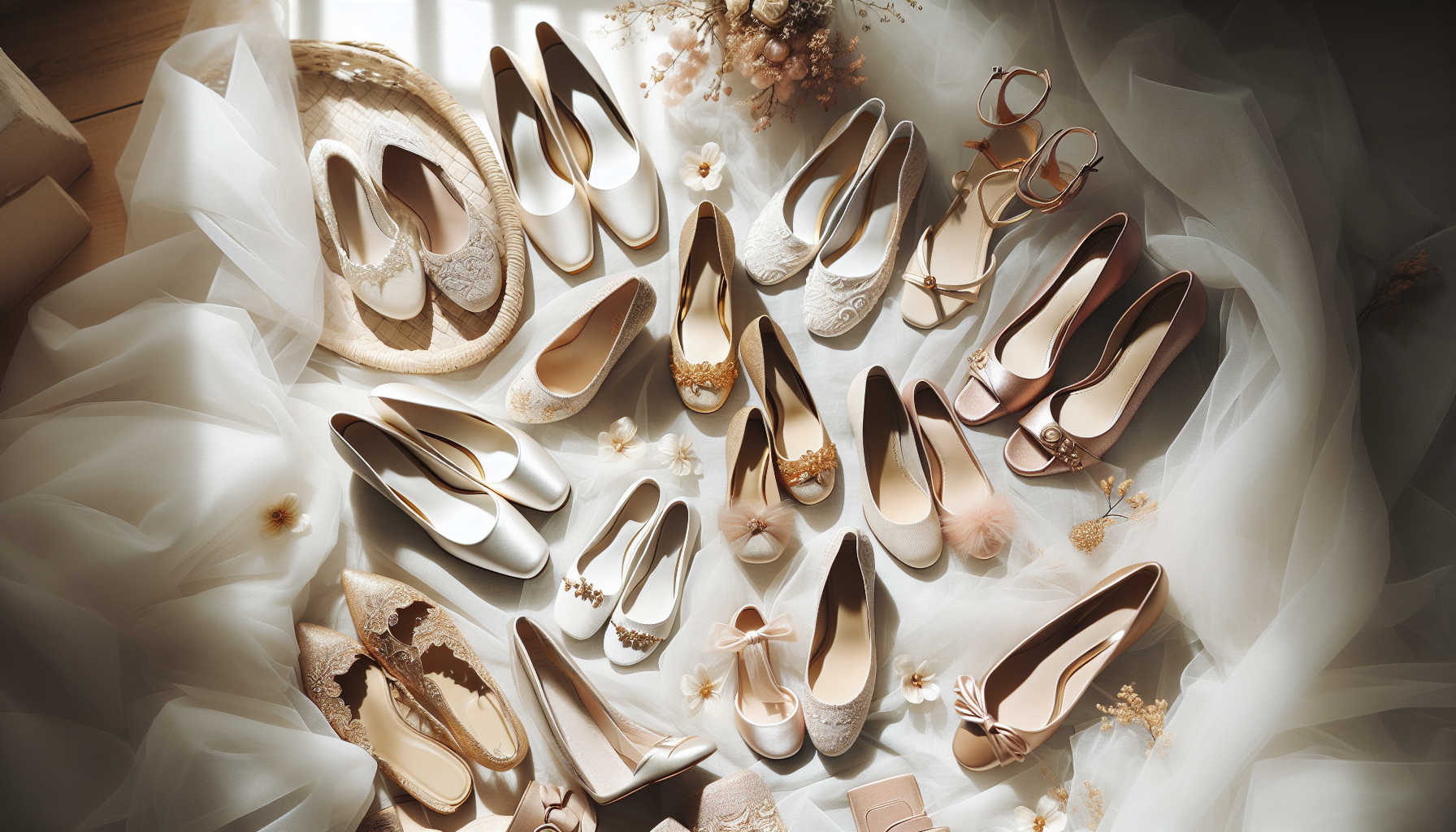
How to Choose the Best Wedding Shoes for Comfort and Style
To choose the best wedding shoes for comfort and style, prioritize a manageable heel height of two to three inches, select breathable natural materials like leather or suede, and match the shoe structure—such as block heels or platform...
To choose the best wedding shoes for comfort and style, prioritize a manageable heel height of two to three inches, select breathable natural materials like leather or suede, and match the shoe structure—such as block heels or platforms—to your venue's terrain. Ensure a perfect fit by shopping in the afternoon and allowing at least four weeks for a gradual break-in period.
Contents
Choosing wedding footwear is often a secondary thought to selecting the gown, yet it is arguably the most critical functional decision a bride or groom will make. In the 2026 wedding landscape, the shift toward "experiential weddings"—multi-day events with significant movement—has made the demand for ergonomic elegance higher than ever. You are not just looking for a shoe that looks beautiful in a photograph; you are looking for a structural tool that will support you through 12 to 16 hours of standing, walking, and dancing.
Understanding the Relationship Between Venue and Shoe Structure
The physical environment of your wedding dictates the technical requirements of your footwear. A shoe that performs well on a polished marble ballroom floor may fail catastrophically on a vineyard slope or a sandy beach. When you begin your search in 2026, the first step is a technical assessment of the ground surfaces you will encounter.
Outdoor Terrains: Grass, Gravel, and Sand
For garden or estate weddings, the primary enemy of comfort and style is the "stiletto sink." Thin heels concentrate the wearer's weight into a small surface area, causing the heel to pierce soft ground. This not only ruins the fabric covering of the shoe but also creates a significant trip hazard and places immense strain on the calf muscles as they work to stabilize the foot.
For these environments, the block heel or a architectural wedge is the superior choice. These designs distribute weight across a larger surface area, providing "float" on top of grass or gravel. If you are committed to a slimmer heel for an outdoor ceremony, consider high-quality heel stoppers—clear plastic attachments that increase the surface area of the heel base.
Indoor Surfaces: Ballroom Floors and Industrial Lofts
Indoor venues offer more flexibility in style, but they introduce the risk of "slippage." Polished wood or stone floors can be incredibly slick. When selecting your shoes, examine the outsole. High-end bridal shoes often feature smooth leather soles, which lack traction. A senior styling tip is to have a cobbler apply a thin rubber "vibram" half-sole or to use specialized non-slip adhesive pads to ensure you can move confidently during the first dance.
The Anatomy of a Comfortable Wedding Shoe
Comfort in footwear is a matter of physics and biology. To select a shoe that won't leave you in pain by the cake cutting, you must understand three key technical elements: pitch, toe box volume, and cushioning.
The Significance of Pitch
The "pitch" of a shoe is the angle at which your foot sits. A high pitch (common in four-inch heels without a platform) forces the majority of your body weight onto the metatarsal heads—the balls of your feet. This leads to "burning" sensations and localized inflammation.
In 2026, many luxury bridal designers are incorporating "hidden platforms." By adding a half-inch to one inch of height at the front of the shoe, the designer can offer the aesthetic of a high heel while maintaining the pitch of a much lower, more comfortable shoe. According to the American Podiatric Medical Association (APMA), keeping the effective incline under three inches significantly reduces the risk of long-term foot strain and acute pain.
Toe Box and Width Considerations
Many bridal styles, particularly traditional pumps, feature a pointed toe. While visually elongating, these can compress the toes, leading to friction blisters or aggravating existing conditions like bunions. When trying on shoes, ensure there is at least a finger’s width of space between your longest toe and the end of the shoe. If you have a wider foot, look for brands that offer specific "wide fit" collections, rather than simply sizing up, which can cause the heel to slip out.
Advanced Cushioning Technologies
Traditional wedding shoes often lacked internal support, favoring a slim, aesthetic profile. Modern 2026 collections frequently integrate dual-density foam or orthotic-grade padding. Look for shoes that mention "memory foam" or "poron" inserts. Poron is a high-performance urethane that does not bottom out over time, ensuring the cushioning at 11:00 PM is just as effective as it was at 11:00 AM.
Material Selection: Durability and Breathability
The material of your wedding shoe affects both its visual "style" and how it reacts to your foot's heat and movement throughout the day.
- Silk and Satin: These are the most traditional choices. They offer a high-sheen, formal look and can often be dyed to match the gown perfectly. However, they are rigid and have zero "give." If your foot swells—which is natural after hours of standing—satin will not expand to accommodate the change.
- Leather and Suede: These are the gold standards for comfort. Leather is a natural, porous material that breathes, reducing moisture and heat buildup. More importantly, leather has "memory"; it will subtly stretch and mold to the unique contours of your foot during the break-in process.
- Lace and Mesh: Popular for 2026 "ethereal" styles, these materials offer excellent breathability. However, be wary of "rough" lace or beaded embroidery on the interior of the shoe, as these can act like sandpaper against delicate skin. Always feel the inside of the shoe for smooth linings.
Technical Comparison of Popular Wedding Shoe Styles
| Shoe Type | Best For | Comfort Rating | Technical Pro | Technical Con |
|---|---|---|---|---|
| Block Heel | Outdoor/All-day | High | Excellent weight distribution | Can feel "heavy" visually |
| Stiletto | Formal/Black Tie | Low | Maximum height and elongation | High pressure on metatarsals |
| Kitten Heel | Vintage/Tall Brides | High | Natural foot position | Limited "glamour" for some |
| Platform | Height/Stability | Medium | Reduces effective pitch | Higher trip risk on uneven stairs |
| Bridal Flat | Dancing/Casual | Very High | Zero incline stress | No arch support in cheap models |
| Wedge | Beach/Garden | High | Continuous support | Harder to find in formal styles |
The "Second Look" Strategy: A 2026 Trend
A significant trend for 2026 is the "Shoe Transition." Many brides choose to wear a high-style, formal heel for the ceremony and photographs—where movement is limited and the visual impact is highest—and then switch to a "reception shoe."
If you adopt this strategy, there is a critical technical requirement: The Hemline Rule. Your wedding dress is usually hemmed to the height of your ceremony shoes. If you switch from a four-inch heel to a flat sandal, your dress will be four inches too long, creating a tripping hazard and causing the delicate fabric to drag and tear. To avoid this, consider a "platform sneaker" or a high-wedge sandal for your second look to maintain the dress height, or consult your tailor about a specialized bustle that can accommodate different heights.
Essential Preparation: The Breaking-In Protocol
Even the most expensive, well-engineered shoe requires a break-in period. You should never wear your wedding shoes for the first time on the wedding day.
- Timeline: Purchase your shoes at least three to four months before the wedding. This allows you to have them for your first dress fitting (crucial for hemming).
- The "Socks" Method: Wear your wedding shoes around your house for 15-20 minutes at a time while wearing a pair of thick wool socks. The socks provide a slight stretch to the material and protect your feet from any initial "hot spots" where blisters might form.
- Heat Application: For leather shoes that feel tight, you can use a hairdryer on a medium setting to warm the leather while wearing them with socks. The heat softens the leather fibers, allowing them to stretch more easily to the shape of your foot.
- Final Walk: Practice walking on different surfaces (carpet vs. hard floors) and, most importantly, practice your wedding dance. You need to know if the shoes are too slippery or if the heel height interferes with your footwork.
Frequently Asked Questions
Is it okay to wear sneakers for my wedding?
Absolutely. The 2026 wedding market has seen a surge in "luxury bridal sneakers" featuring lace, pearls, and silk ribbons. This is an excellent choice for comfort, particularly for brides with pre-existing foot conditions or those hosting casual, outdoor, or industrial-style weddings. Just ensure the dress length is adjusted specifically for the flat sole.
How much should I expect to spend on high-quality wedding shoes?
For a shoe that combines high-style aesthetics with technical comfort features (leather linings, specialized padding), expect to spend between $250 and $600. While budget options exist, they often use synthetic materials ("pleather") that do not breathe or stretch, significantly increasing the likelihood of discomfort.
What is the best time of day to shop for shoes?
Always shop for shoes in the late afternoon or evening. Your feet naturally swell throughout the day due to gravity and activity. If you buy shoes in the morning when your feet are at their smallest, they will likely feel painfully tight by the time your wedding reception begins.
Should I buy shoes a half-size larger than my usual size?
Not necessarily. While some people prefer a half-size up to account for swelling, this can lead to "heel slippage," which causes friction blisters. It is better to buy your true size in a material that has some give (like leather) or to look for brands that offer various width fittings.
How do I prevent my feet from sweating and slipping inside the shoe?
For closed-toe styles, use a specialized foot primer or a light dusting of cornstarch-based powder. High-quality suede-lined insoles are also effective at absorbing moisture. Avoid cheap gel inserts as they can often become "slimy" when they get warm, actually causing your foot to slide forward and crush your toes.
Finalizing Your Choice
The best wedding shoe is one that you forget you are wearing. When a shoe is perfectly balanced between style and ergonomics, it allows you to focus entirely on the emotional significance of the day rather than the physical pain of your feet. Prioritize quality materials, be realistic about the heel height you can handle for 12 hours, and never underestimate the power of a thorough break-in period. For more style inspiration and the latest 2026 trends, consult resources like Vogue’s Bridal Guide to see how modern designers are merging high fashion with functional footwear.
Image Gallery