The Best Christopher Columbus Movies to Watch: A Cinematic Examination
Selecting the best Christopher Columbus movies to watch requires navigating a complex landscape of historical drama, epic filmmaking, and retrospective analysis. Cinematic portrayals of Columbus serve as focal points for understanding...
Selecting the best Christopher Columbus movies to watch requires navigating a complex landscape of historical drama, epic filmmaking, and retrospective analysis. Cinematic portrayals of Columbus serve as focal points for understanding how different eras have interpreted the 1492 voyage and its enduring, controversial impact on global history. By examining these films, viewers can analyze the evolution of historical narratives, production techniques, and the cultural lens through which we view the Age of Exploration.
Contents
Understanding Cinematic Interpretations of 1492
The figure of Christopher Columbus occupies a unique space in film history, often shifting between the archetype of the intrepid explorer and that of the flawed, controversial colonizer. To choose the right film, you must first determine whether your interest lies in the aesthetic grandiosity of period epics, the nuances of historical performance, or the critical re-evaluation of colonial legacies.
In the late 20th century, filmmaking approaches were heavily influenced by the 500th anniversary of the voyage. This led to high-budget productions that sought to capture the scale of the Atlantic crossing. As we move through the 2020s, modern audiences often view these earlier works through a more critical lens, identifying how the medium of film reflects the values of its contemporary era.
Evaluating Key Productions
1492: Conquest of Paradise (1992)
Directed by Ridley Scott, this film remains the most prominent visual representation of the Columbus narrative. It is defined by its sweeping cinematography and a legendary score by Vangelis. The film attempts to balance the technical challenges of 15th-century maritime travel with the internal politics of the Spanish court.
- Production Depth: Scott utilized expansive sets and practical effects to recreate the fleet, offering a tactile sense of the voyage.
- Thematic Focus: It focuses heavily on the personal vision of Columbus and the organizational hurdles he faced in securing funding and maintaining discipline among his crew.
- Historical Context: While visually striking, critics often note that it compresses complex socio-political dynamics into a singular, hero-centric narrative, which serves as a primary point of discussion for historians today.
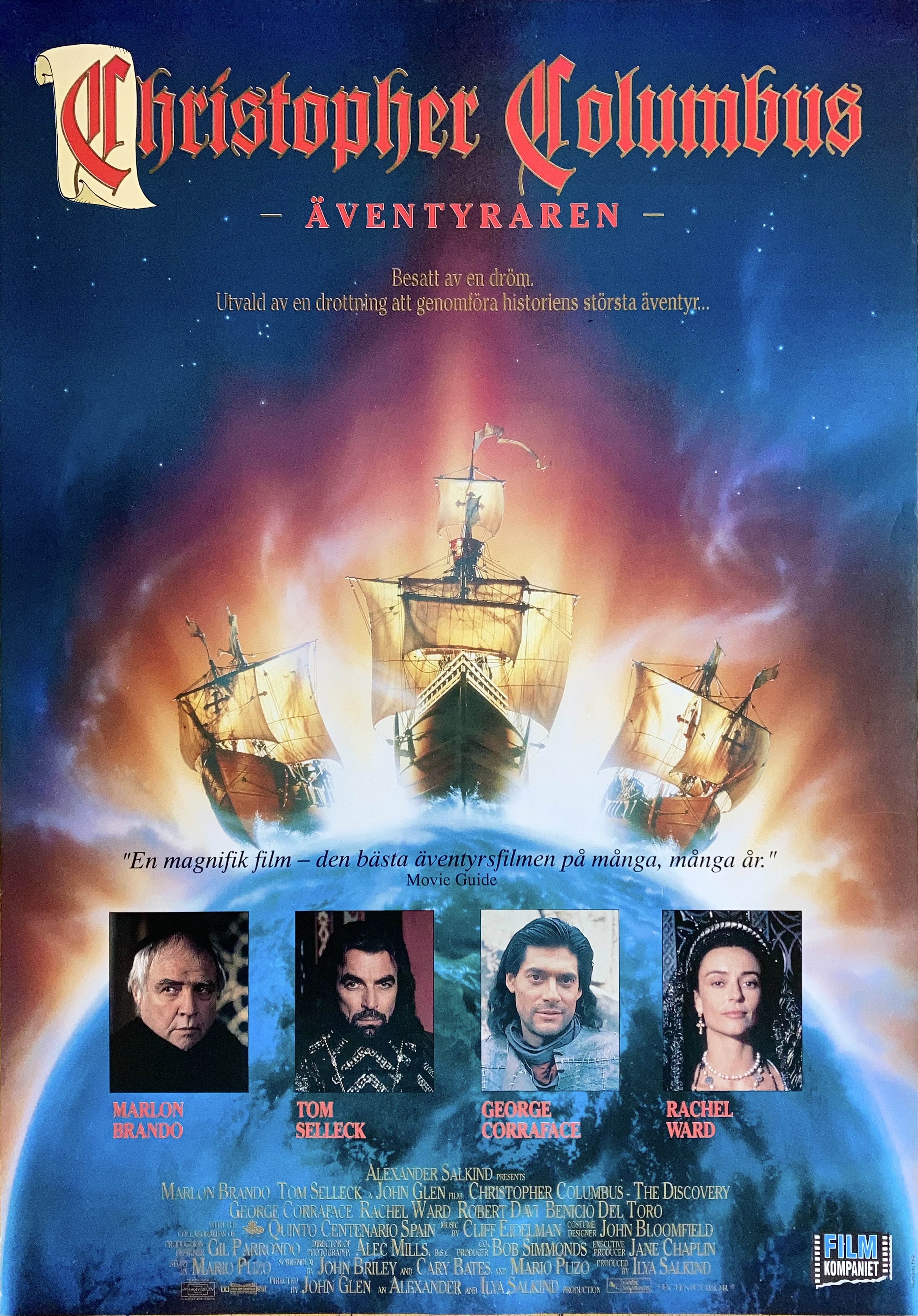
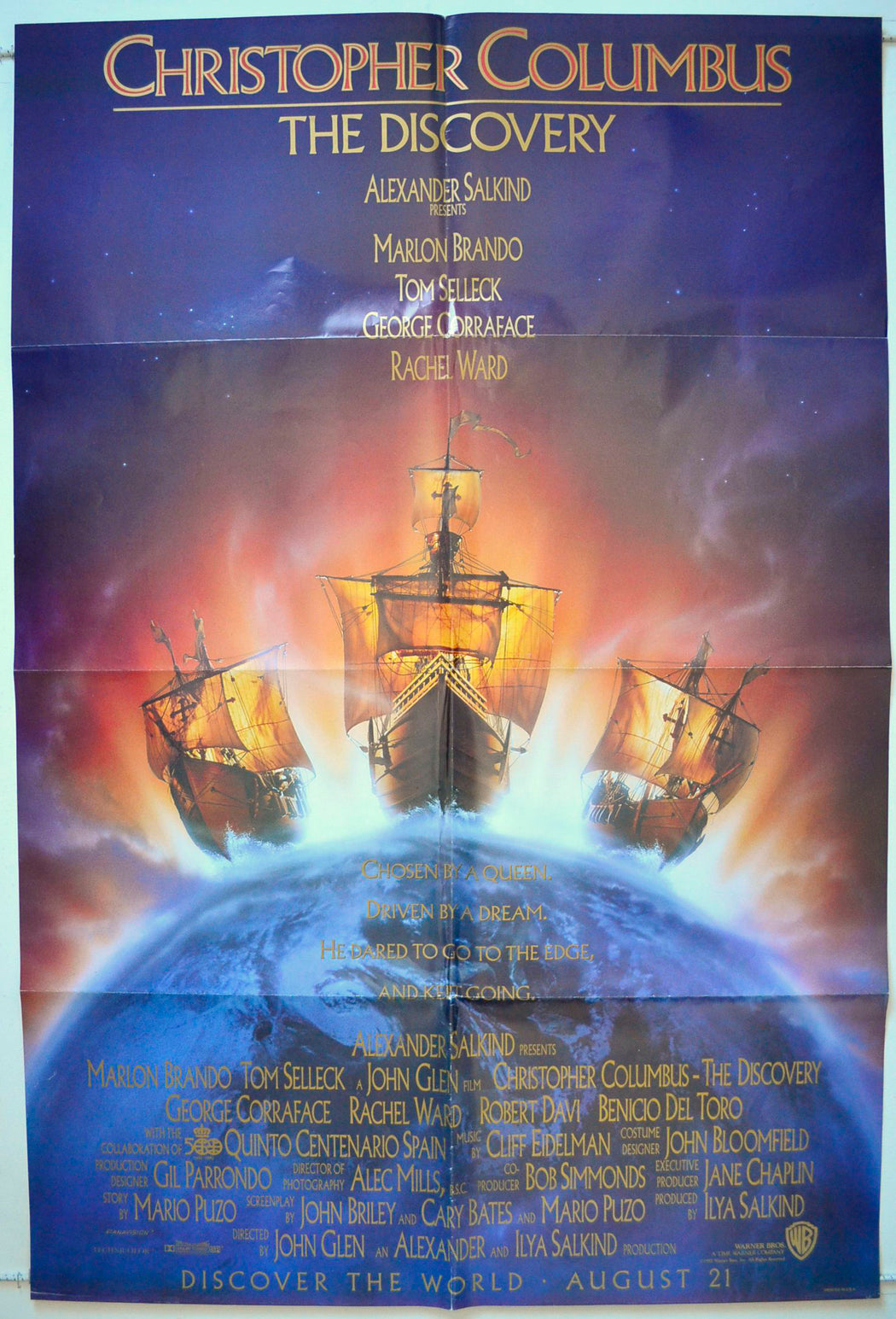
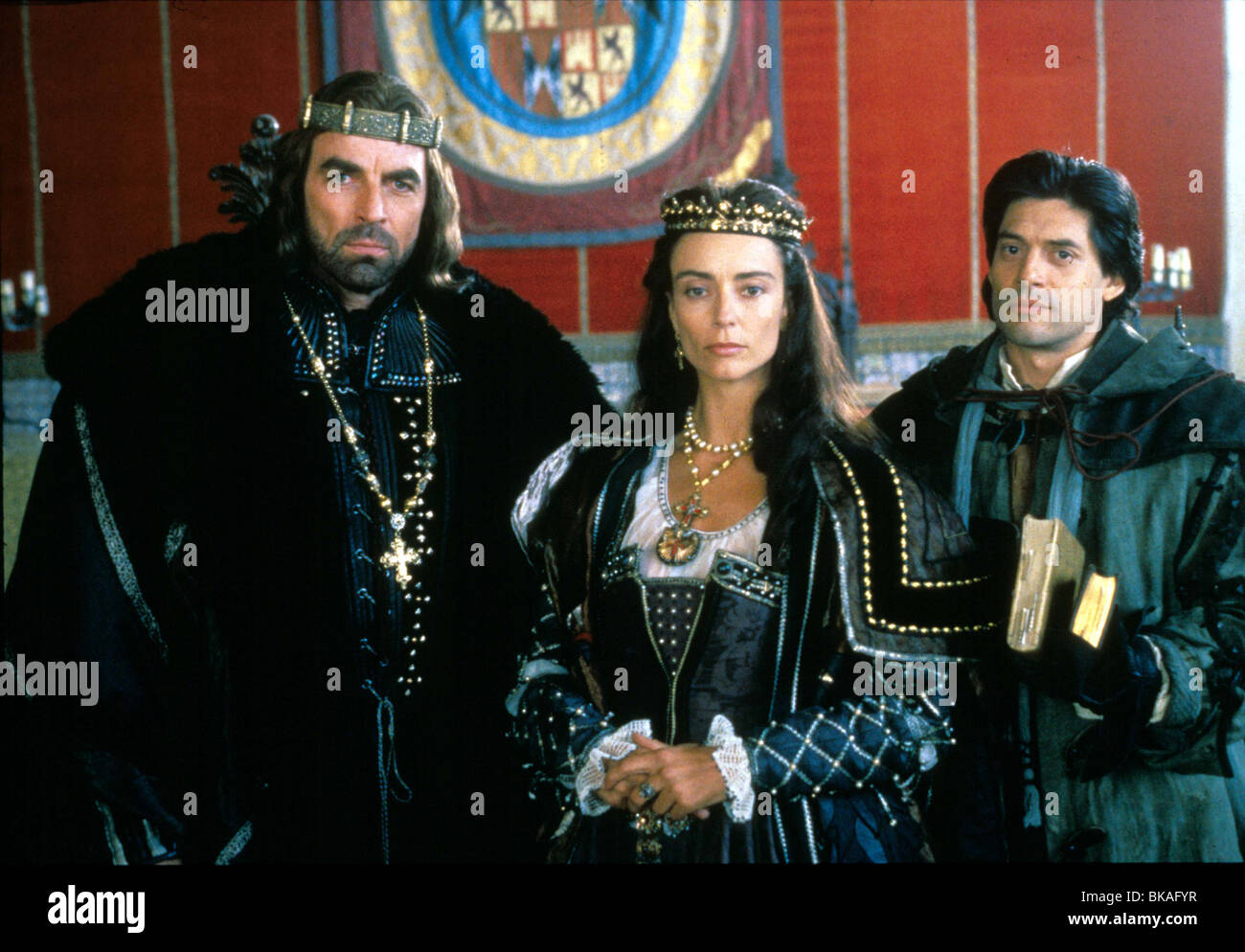
Christopher Columbus: The Discovery (1992)
Released in the same year as the Scott production, this film offered a more traditional, star-studded approach to the subject. It features a diverse cast and aims for a more standard biopic structure.
- Approach: It follows a more linear path through Columbus’s life, from his initial proposals to the monarchs to the eventual consequences of his arrival in the Caribbean.
- Suitability: This film is best for viewers who prefer a straightforward narrative style over the atmospheric, stylized storytelling found in other epics.
Carry On Columbus (1992)
To understand the full spectrum of Columbus-related media, one must acknowledge the role of satire. This British comedy provides a starkly different tone, utilizing the tropes of the long-running "Carry On" franchise to lampoon the historical seriousness usually afforded to the explorer.
- Perspective: It acts as a counterweight to the solemn, dramatic epics of the era, focusing entirely on humor and absurdity rather than historical accuracy or colonial critique.
Comparative Analysis of Cinematic Representations
The following table outlines the primary focus and production characteristics of these films to assist in your selection.
| Film Title | Tone/Style | Primary Focus | Best For |
|---|---|---|---|
| 1492: Conquest of Paradise | Epic/Atmospheric | Navigation & Ambition | Fans of visual storytelling |
| Christopher Columbus: The Discovery | Traditional/Biographic | Life Journey | Those seeking a linear history |
| Carry On Columbus | Satirical/Comedy | Humorous Anecdotes | Viewers seeking light entertainment |
The Evolution of Historical Accuracy in Film
When watching these films, it is essential to distinguish between dramatic license and factual events. All major productions regarding Columbus rely on the diaries of the period and contemporary accounts, yet they diverge significantly in their interpretation of his motivations.
Production design in these movies frequently prioritizes the "myth" of discovery—the ships themselves, the architecture of the Spanish court, and the vastness of the sea. However, the technical aspects of the 1492 voyage, such as the actual navigational equipment (astrolabes and quadrants) and the living conditions aboard the Santa María, are often sanitized for visual appeal. Understanding the constraints of 1990s production budgets and the limitations of period-accurate sets helps viewers reconcile the gap between screen representation and documented history.
Frequently Asked Questions
Why are there so many films about Columbus from 1992? The year 1992 marked the quincentenary of the 1492 voyage. This milestone prompted a surge in funding for historical epics, as studios sought to capitalize on the global interest in the anniversary and the significance of the event in world history.
Are these films historically accurate? These films use history as a framework rather than a transcript. They frequently simplify complex geopolitical tensions between Spain, Portugal, and the Indigenous populations of the Americas to keep the narrative focused on the central character of Columbus.
Is there a documentary recommendation for a more factual approach? While narrative films dominate this space, viewers looking for factual rigor should consult independent historical documentaries produced by academic or archival institutions. These sources prioritize primary documents and expert commentary over the dramatized sequences found in commercial cinema.
Do these films address the consequences of the voyage for Indigenous populations? Modern viewings of these films often focus specifically on how they treat the encounter with Indigenous cultures. Older films tend to treat this as a background element to the explorer’s journey, whereas contemporary critique highlights this as the most vital and sensitive aspect of the historical narrative.
What is the best way to watch these films in 2026? Access varies by streaming rights, which shift frequently. You can typically find these titles on major digital rental platforms or through physical media collections. Given their age, high-definition remasters are often available and provide the best experience for the high-production-value cinematography of the 1992 epics.
Next Steps for Your Viewing Experience
To get the most out of your viewing, approach these films with a critical eye toward the era of their production. Watching 1492: Conquest of Paradise alongside a documentary on the Age of Exploration provides the best balance of entertainment and education. Pay close attention to the sound design and set construction, as these were the areas where the films of the early 90s pushed the boundaries of technical achievement. By comparing how different directors highlight Columbus's motivations, you can develop your own perspective on one of history's most debated figures.
Image Gallery