9 AM EST to Spain Time: A Comprehensive Time Zone Conversion Guide for 2026
When it is 9:00 AM Eastern Standard Time (EST), the time in mainland Spain is 3:00 PM Central European Time (CET). This represents a six-hour time difference. However, this offset changes during certain periods of the year due to varyi...
When it is 9:00 AM Eastern Standard Time (EST), the time in mainland Spain is 3:00 PM Central European Time (CET). This represents a six-hour time difference. However, this offset changes during certain periods of the year due to varying Daylight Saving Time schedules between North America and Europe.
Contents
Navigating the time difference between the United States Eastern corridor and Spain is a frequent requirement for international business professionals, digital nomads, and travelers. While the standard six-hour gap applies for most of the year, the complexities of "springing forward" and "falling back" can lead to confusion, particularly during the shoulder weeks in March and October. In 2026, these transitions follow a specific calendar that every coordinator should understand to avoid missed meetings or logistical errors.
The Fundamentals of EST and Spain Time Zones
To understand why 9:00 AM in New York or Miami translates to 3:00 PM in Madrid or Barcelona, one must look at the Coordinated Universal Time (UTC) offsets. Time zones are calculated based on their distance from the Prime Meridian in Greenwich, London.
What is EST?
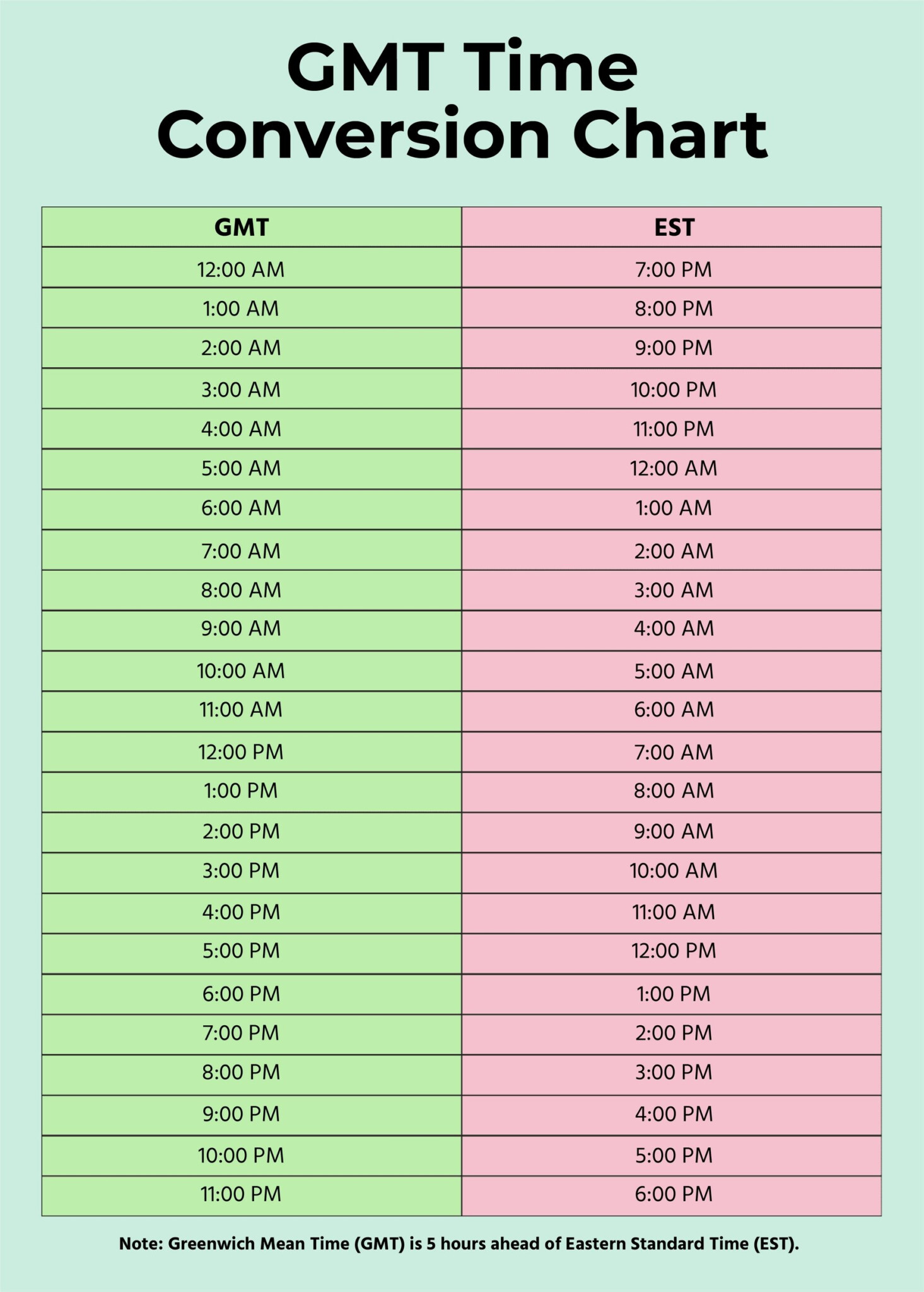
Eastern Standard Time (EST) is five hours behind Coordinated Universal Time (UTC-5). It is the time observed in the Eastern United States and parts of Canada and the Caribbean during the winter months. In 2026, EST is active from the beginning of the year until the second Sunday in March, and again from the first Sunday in November until the end of the year.
What is Spain’s Time Zone?
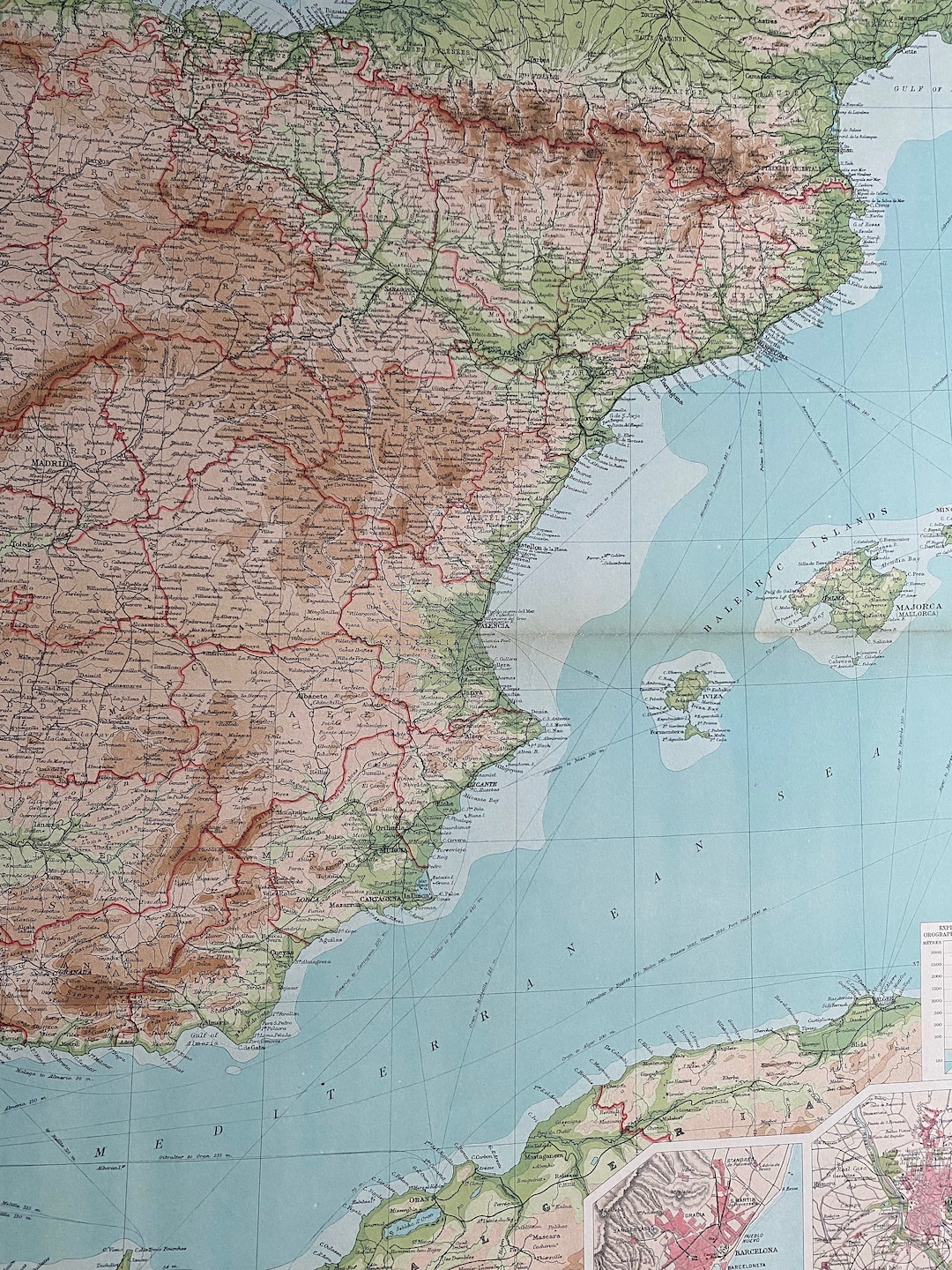
The majority of Spain, including the Iberian Peninsula and the Balearic Islands, operates on Central European Time (CET), which is UTC+1 during the winter. Spain’s position is somewhat unique geographically; although most of the country sits at a longitude that would naturally place it in the same time zone as the United Kingdom (UTC+0), it has historically followed the Central European offset.
When you compare UTC-5 (EST) and UTC+1 (CET), the mathematical difference is exactly six hours. Therefore, 9:00 AM + 6 hours = 3:00 PM.
The Impact of Daylight Saving Time in 2026
The primary source of confusion regarding "9 AM EST to Spain time" is Daylight Saving Time (DST). In the United States, the Eastern Time zone shifts from EST (UTC-5) to EDT (Eastern Daylight Time, UTC-4). Simultaneously, Spain shifts from CET (UTC+1) to CEST (Central European Summer Time, UTC+2).
Because both regions move forward by one hour during the summer, the six-hour gap remains consistent for the bulk of the year. However, the United States and the European Union do not synchronize their transition dates.
2026 Transition Dates
In 2026, the specific dates for time changes are as follows:
- United States: Clocks move forward on March 8, 2026, and move back on November 1, 2026.
- Spain (EU): Clocks move forward on March 29, 2026, and move back on October 25, 2026.
The "Gap" Periods
There are two periods in 2026 where the time difference between the US East Coast and Spain is only five hours instead of the usual six:
- Spring Gap (March 8 – March 29, 2026): During these three weeks, the US has already moved to Daylight Time (EDT, UTC-4), but Spain is still on Standard Time (CET, UTC+1). During this window, 9:00 AM EDT is 2:00 PM CET.
- Autumn Gap (October 25 – November 1, 2026): During this week, Spain has moved back to Standard Time (CET, UTC+1), but the US is still on Daylight Time (EDT, UTC-4). Again, the difference is five hours, making 9:00 AM EDT equal to 2:00 PM CET.
Regional Variations: The Canary Islands Exception
When discussing "Spain time," it is vital to distinguish between the mainland and the Canary Islands (Tenerife, Gran Canaria, Lanzarote, etc.). The Canary Islands are located significantly further west and south, off the coast of Africa.
The Canary Islands observe Western European Time (WET/WEST), which is always one hour behind mainland Spain. This puts them in the same time zone as the United Kingdom and Portugal.
- Standard Time: 9:00 AM EST is 2:00 PM in the Canary Islands (5-hour difference).
- Daylight Time: 9:00 AM EDT is 2:00 PM in the Canary Islands (5-hour difference).
If your contact is in Las Palmas rather than Madrid, you must adjust your calculations downward by one hour compared to the mainland.
Quick Reference Conversion Table (2026)
The following table provides a quick look at how 9:00 AM Eastern Time (ET) translates to Mainland Spain and the Canary Islands throughout different phases of the year 2026.
| Period in 2026 | US Time Zone | Spain (Mainland) | Canary Islands | Offset (Mainland) |
|---|---|---|---|---|
| Jan 1 - March 7 | 9:00 AM EST | 3:00 PM CET | 2:00 PM WET | 6 Hours |
| March 8 - March 28 | 9:00 AM EDT | 2:00 PM CET | 1:00 PM WET | 5 Hours |
| March 29 - Oct 24 | 9:00 AM EDT | 3:00 PM CEST | 2:00 PM WEST | 6 Hours |
| Oct 25 - Oct 31 | 9:00 AM EDT | 2:00 PM CET | 1:00 PM WET | 5 Hours |
| Nov 1 - Dec 31 | 9:00 AM EST | 3:00 PM CET | 2:00 PM WET | 6 Hours |
Practical Implications for International Coordination
Understanding that 9:00 AM EST is 3:00 PM in Madrid is only the first step. For professional or personal planning, one must consider the cultural and operational context of these hours.
Business and Meeting Etiquette
For US-based professionals, 9:00 AM is the traditional start of the business day. However, in Spain, 3:00 PM marks a significant transition in the workday. While the legendary "siesta" is less common in modern corporate offices in Madrid or Barcelona, many Spaniards take a later and longer lunch break than their American counterparts, often between 2:00 PM and 4:00 PM.
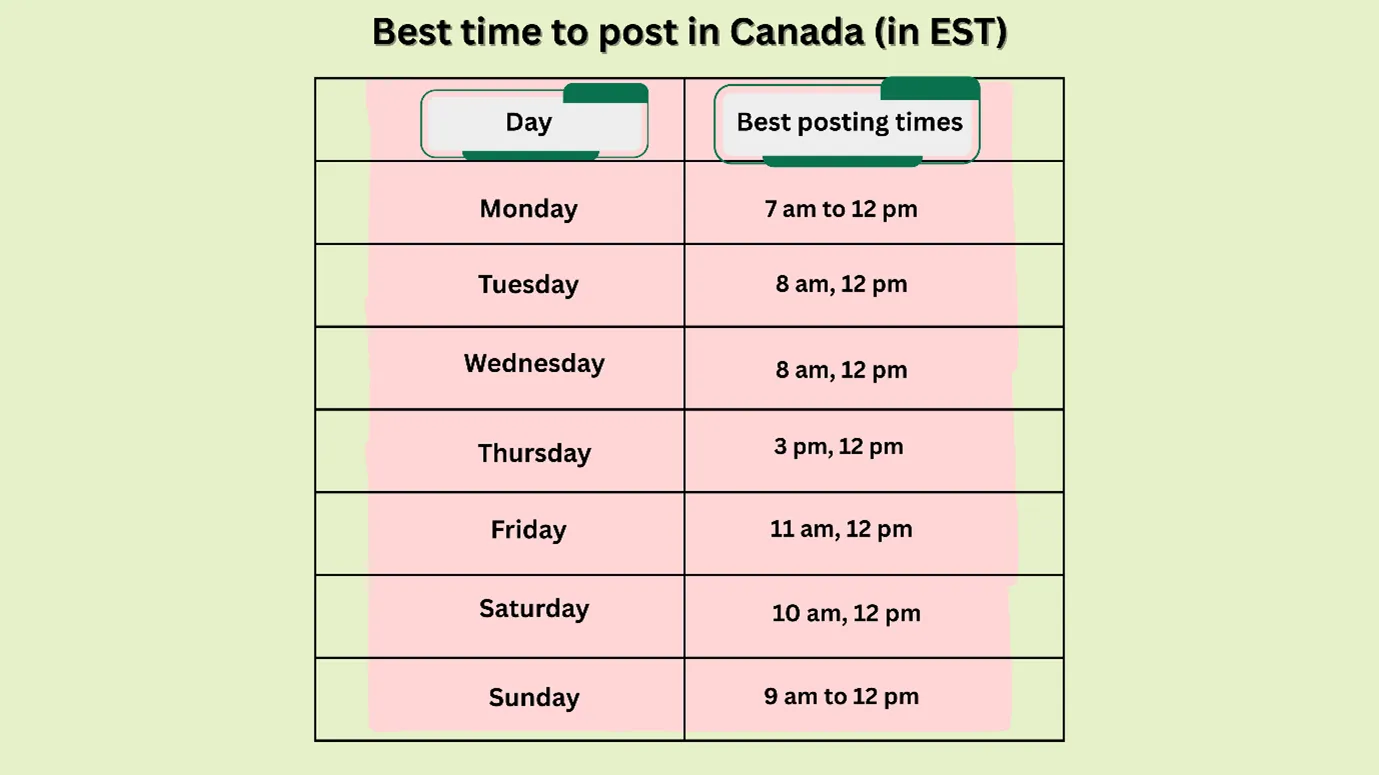
Scheduling a high-stakes meeting at 9:00 AM EST may result in catching Spanish colleagues just as they are finishing lunch or, in some sectors, during a mid-afternoon break. Conversely, because the Spanish workday often extends later into the evening (finishing at 7:00 PM or 8:00 PM), the window between 9:00 AM and 12:00 PM EST is generally the "sweet spot" for collaborative real-time work.
Travel and Communication
If you are flying from the US East Coast to Spain, most flights depart in the evening and arrive the following morning. If you land in Madrid at 8:00 AM local time, it is only 2:00 AM in New York. Understanding this gap is essential for managing jet lag. Calling home at 3:00 PM Spanish time (9:00 AM EST) ensures you are reaching people as they start their day, rather than waking them up in the middle of the night.
Technical Verification and Tools
To ensure accuracy in 2026, it is recommended to use official timekeeping resources. Time zones are not just geographical; they are political, and governments can change DST rules with relatively short notice.
- Time and Date (timeanddate.com): This is one of the most reliable secondary sources for verifying international time offsets and specific DST transition dates.
- The NIST (National Institute of Standards and Technology): For the most precise US time, the official NIST clock provides the standard for EST/EDT.
- The Royal Institute and Observatory of the Navy (Real Instituto y Observatorio de la Armada): This is the institution responsible for the official time in Spain.
- Operating System Settings: Ensure your computer or smartphone is set to "Set time zone automatically." Modern operating systems are updated via the IANA Time Zone Database, which tracks global changes to DST and offsets.
Frequently Asked Questions
Is Spain always 6 hours ahead of New York?
No. While 6 hours is the standard difference, it narrows to 5 hours during the "gap weeks" in March and October/November when the US and Spain change their clocks on different Sundays.
What happens to the time difference if I am in the Canary Islands?
The Canary Islands are one hour behind mainland Spain. Therefore, when it is 9:00 AM EST, it is 2:00 PM in the Canary Islands, making the difference only 5 hours (or 4 hours during the DST gap weeks).
Does Spain use military time?
Yes, Spain commonly uses the 24-hour clock in professional and official contexts. Instead of saying "3:00 PM," a Spanish schedule will likely list the time as "15:00."
Why does the time change on different dates in the US and Spain?
The US Energy Policy Act of 2005 set the current US schedule (second Sunday in March to first Sunday in November). The European Union follows a directive that mandates changes on the last Sundays of March and October to ensure harmony across the member states.
What is the best time for a conference call between EST and Spain?
The most productive window is usually between 9:00 AM and 11:00 AM EST (3:00 PM to 5:00 PM in Spain). This avoids the early morning for the US and the late evening/dinner hour for Spain.
Summary and Final Recommendation
When calculating the time for 9:00 AM EST to Spain, the safest default is to assume a six-hour addition, resulting in 3:00 PM. However, for any critical scheduling in March or late October of 2026, always double-check the specific dates of the Daylight Saving transition.
For the most seamless experience, use a digital calendar invitation (such as Google Calendar or Microsoft Outlook) and input the time in your local zone while adding the specific location of your Spanish counterpart. These systems automatically account for the 2026 DST shifts, regional offsets for the Canary Islands, and the UTC variances, ensuring that no one shows up an hour early—or an hour late—to the conversation.
Image Gallery