Choosing Between a Baton and a Nightstick: A Professional Guide for 2026
Choosing between a baton and a nightstick depends primarily on your operational environment and the need for concealment versus immediate structural reliability. While expandable batons offer superior portability and discretion for mod...
Choosing between a baton and a nightstick depends primarily on your operational environment and the need for concealment versus immediate structural reliability. While expandable batons offer superior portability and discretion for modern patrol, the traditional fixed nightstick provides unmatched durability and leverage for high-intensity crowd control or static security posts where visibility is a deterrent.
Contents
For decades, the choice of an impact weapon was a simple matter of tradition. However, as we move through 2026, the evolution of materials science and legal standards for "use of force" has made this decision more technical. Professionals in law enforcement, private security, and authorized civilian self-defense must weigh the mechanical complexity of modern expandable batons against the simplistic, failsafe nature of the fixed-length nightstick. This guide analyzes the technical specifications, tactical applications, and legal frameworks necessary to make an informed choice.
Defining the Modern Tools: Baton vs. Nightstick
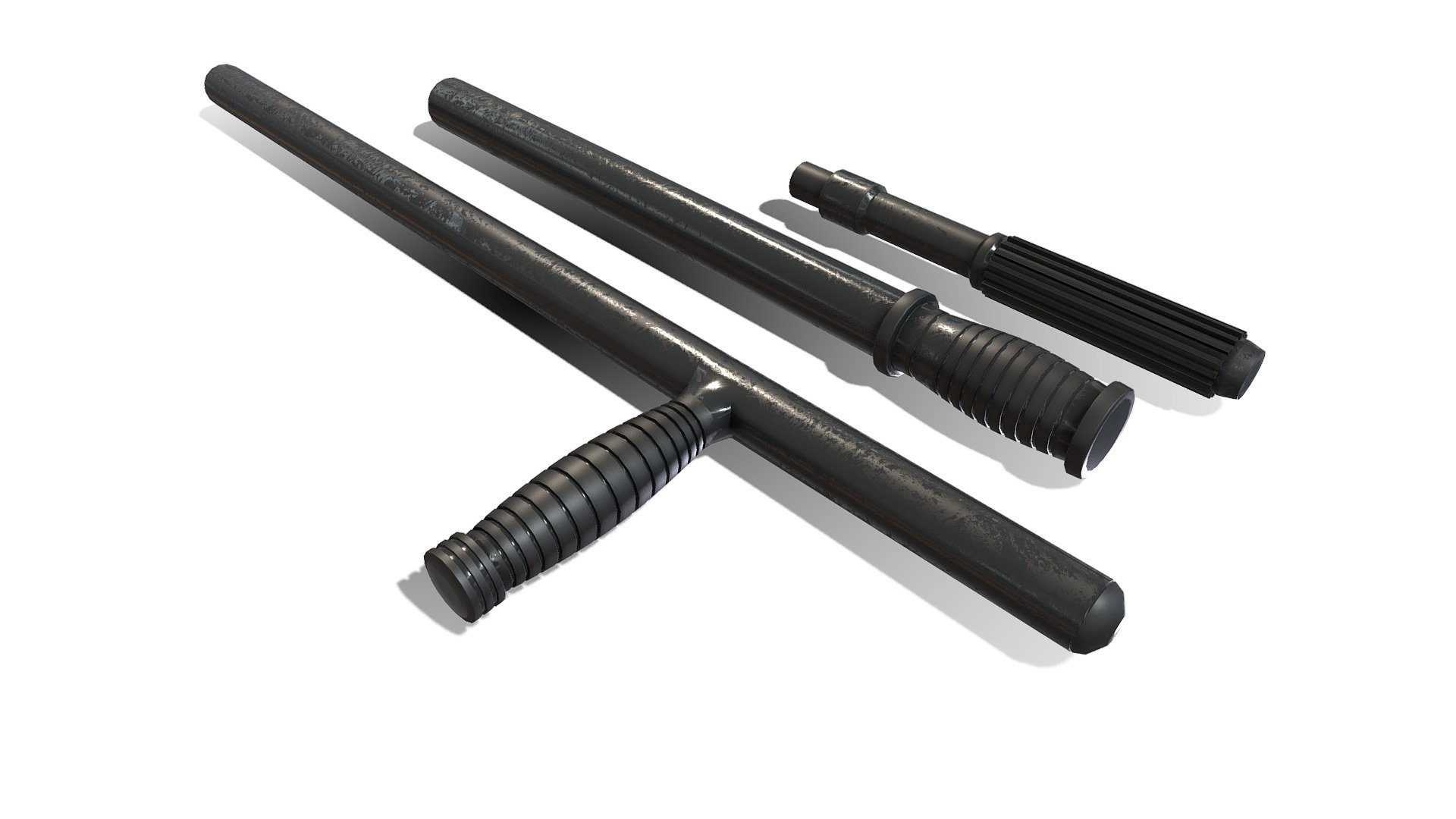
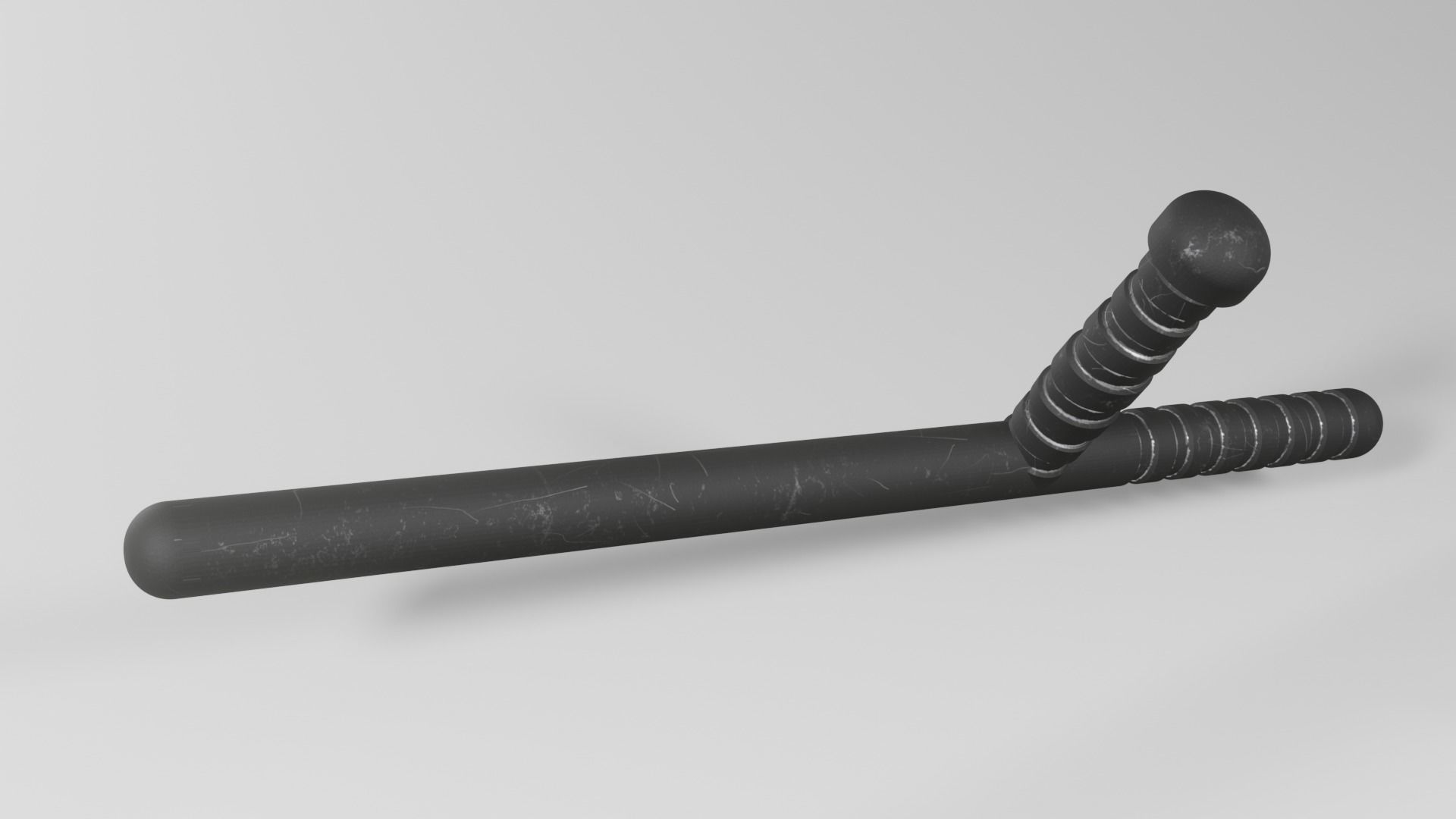
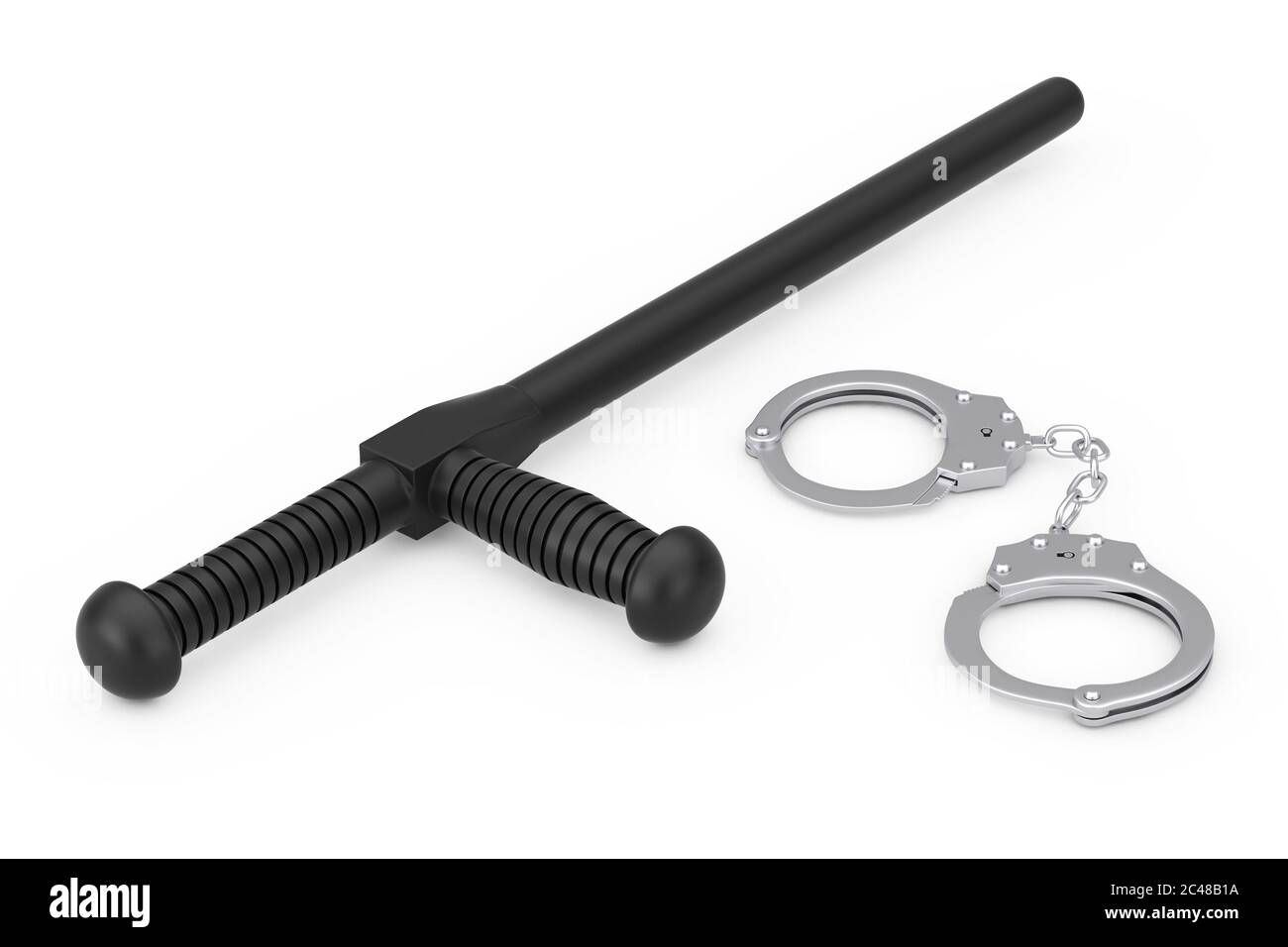
To choose correctly, one must first resolve the common terminological overlap. In contemporary professional contexts, the term baton most frequently refers to the expandable or telescopic baton. These are multi-stage tools that collapse into a compact handle. Conversely, the nightstick—often referred to as a "straight stick" or "fixed baton"—is a solid, non-collapsible piece of equipment typically made of wood, high-impact polycarbonate, or composite materials.
The Expandable Baton (Telescopic)
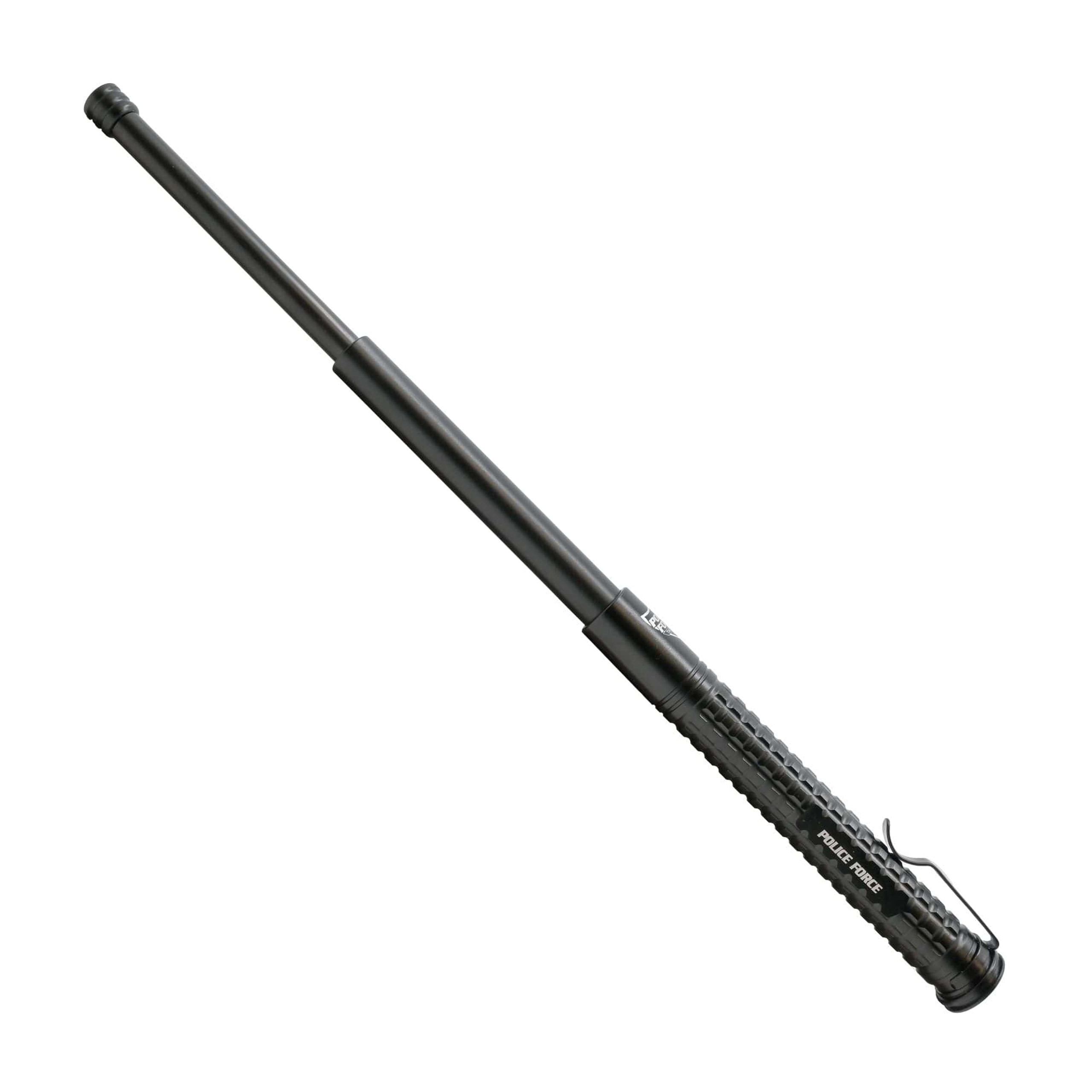
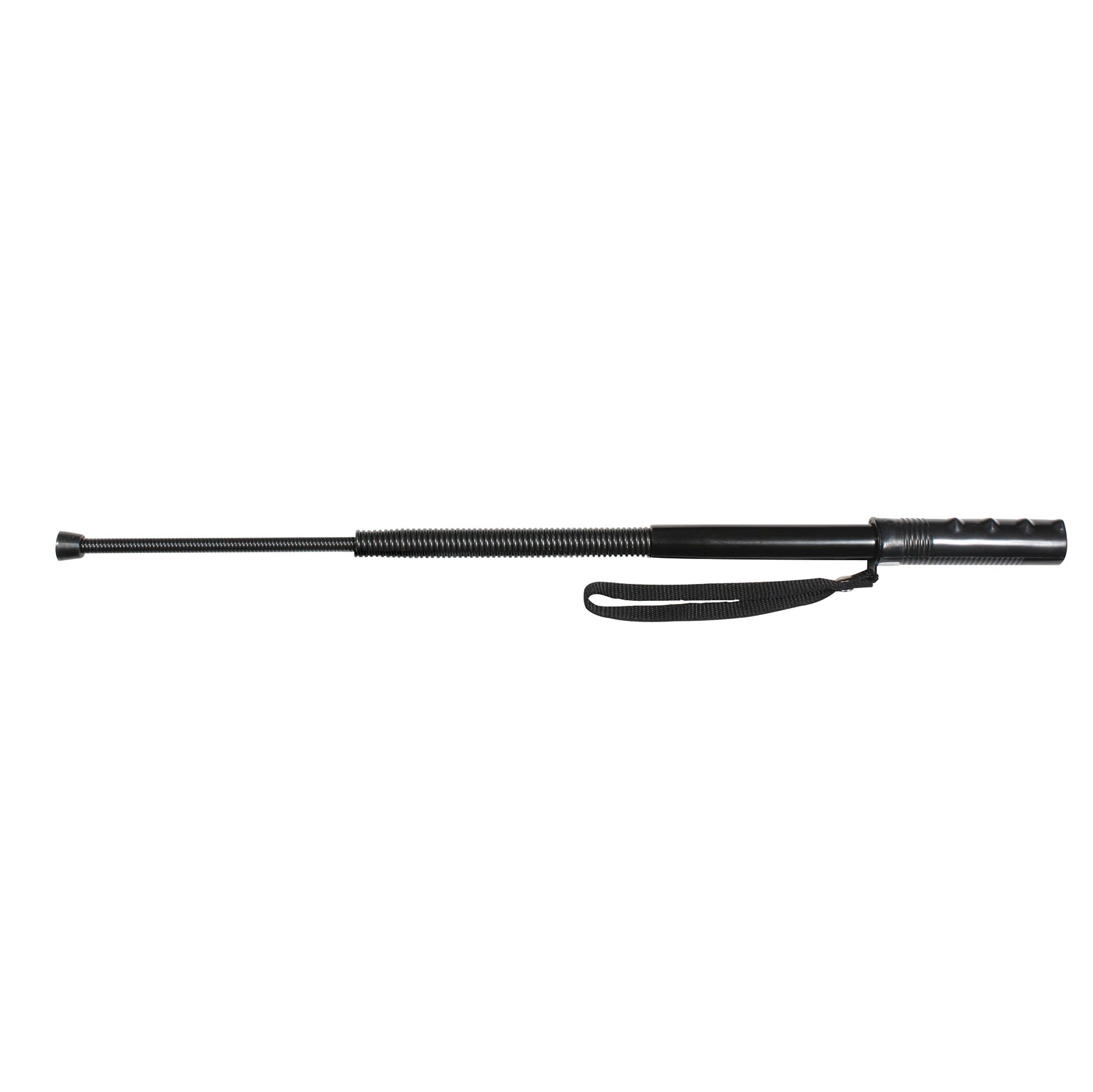
The expandable baton consists of a handle and one or more inner shafts (tubes) that lock into place when deployed. As of 2026, the two primary locking mechanisms are:
- Friction Lock: These rely on the kinetic energy of a "swing" to wedge the tapered ends of the tubes together. They require a hard surface to close.
- Mechanical/Positive Lock: These use a button or twist mechanism to lock the shafts. They can be pulled open silently and closed by simply pressing a release button, offering more reliability in cramped quarters.
The Fixed Nightstick (Straight Stick)
The fixed nightstick is the direct descendant of the original "billy club." Modern versions used in 2026 are rarely wooden; instead, they utilize high-density polymers or aluminum. They generally come in lengths ranging from 24 to 36 inches. Because they have no moving parts, they are considered "zero-failure" tools, though their size makes them cumbersome for officers who spend significant time in vehicles.
Portability and Duty Belt Ergonomics
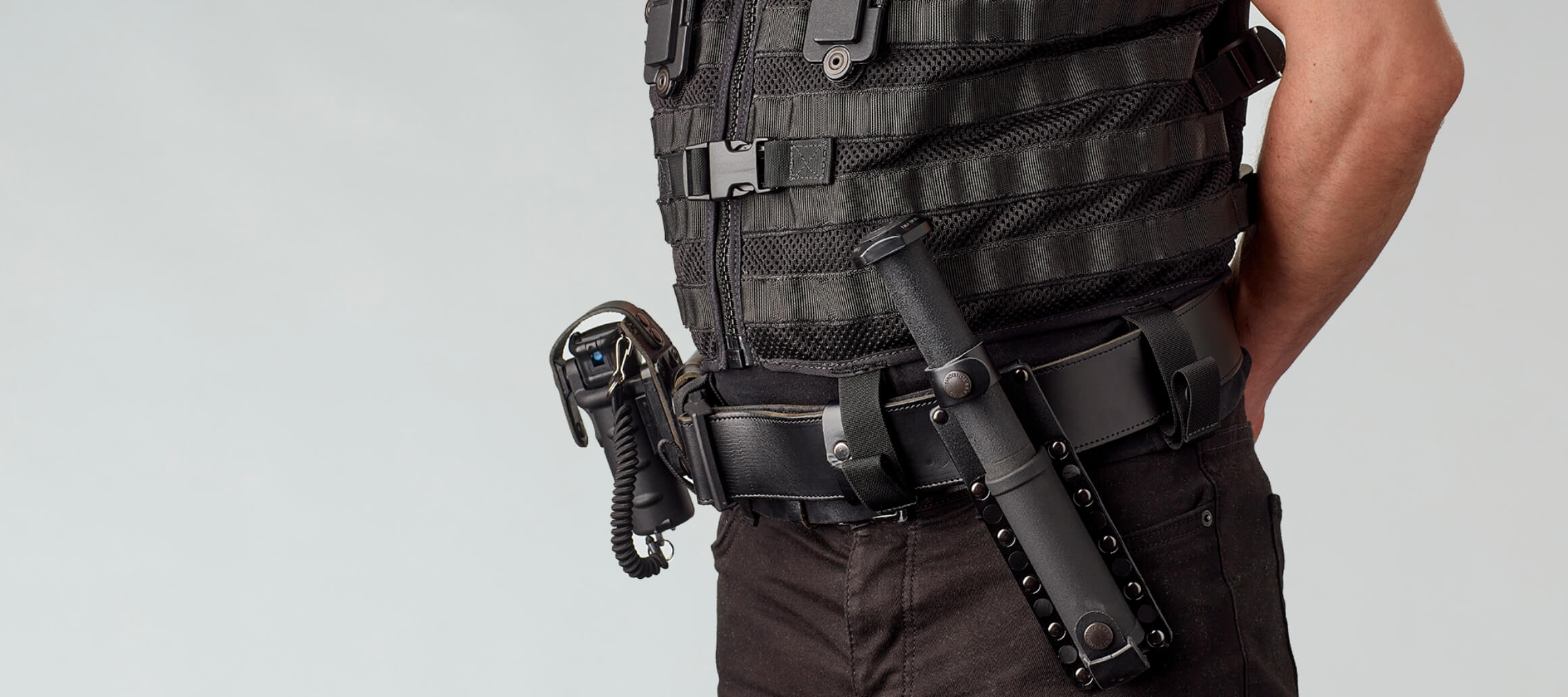
The most significant factor driving the adoption of expandable batons is belt real estate. A modern law enforcement officer or security professional carries an array of gear, including body-worn cameras, radios, electronic control devices (ECDs), and ammunition.
An expandable baton typically occupies only 6 to 10 inches of vertical space on a duty belt when collapsed. This compact footprint prevents the tool from digging into the wearer’s ribs while seated in a vehicle or office chair. Furthermore, the weight distribution is centered, reducing the risk of long-term lower back issues often associated with heavy, unbalanced duty belts.
In contrast, a 26-inch fixed nightstick requires a "thigh-slapper" holster or a ring mount. When the wearer sits, the stick often pushes upward, necessitating constant adjustment. For professionals who are primarily stationary—such as gate guards or those on specialized riot-control details—this is a minor inconvenience. For patrol officers who are in and out of vehicles fifty times a shift, the expandable baton is the clear ergonomic winner.
Structural Integrity and Kinetic Energy Transfer
While portability favors the baton, kinetic performance favors the nightstick.
Strength and Leverage
Because a nightstick is a solid, continuous piece of material, it possesses superior structural integrity. In high-stress defensive situations where the tool might be used to block a heavy incoming object (like a pipe or a bat), a fixed stick will not collapse or fail at a joint. Expandable batons, while made of high-grade 4140 steel or 7075 T6 aluminum, have inherent "weak points" at the junctions where the segments lock.
The Physics of the Strike
A fixed nightstick usually has more mass distributed throughout its length. According to the principles of Newtonian physics (Force = Mass x Acceleration), the heavier, solid mass of a nightstick can generate significant blunt force trauma with less velocity than an expandable baton.
Expandable batons are "tip-heavy." They are designed to be swung at high speeds to generate "stinging" kinetic energy. While effective, they may lack the "stopping power" of a heavy polycarbonate straight stick when dealing with an aggressor wearing heavy winter clothing or body armor.
Psychological Impact and Professional Presence
The "command presence" of an officer is often the first line of defense in de-escalating a conflict. The choice of tool significantly alters this presence.
- The Nightstick: Its visibility is a constant reminder of the officer’s capacity for force. In a crowd-control setting, the sight of a line of officers with 36-inch riot sticks is a powerful deterrent. It signals a "ready" state that a collapsed baton tucked away in a pouch does not.
- The Expandable Baton: Its primary psychological advantage is the "psychological shock" of deployment. The sharp, metallic "crack" of a friction-lock baton expanding can often end a confrontation before a blow is ever struck. It provides an auditory warning that the situation has escalated to the level of intermediate weapons.
Maintenance and Long-Term Reliability
In the professional landscape of 2026, equipment maintenance is a matter of liability. A tool that fails in the field is a legal and safety catastrophe.
| Feature | Expandable Baton | Fixed Nightstick |
|---|---|---|
| Moving Parts | 3 to 10 (Springs, Pins, O-rings) | 0 |
| Failure Points | Mechanical jam, accidental collapse | Breakage (Rare) |
| Cleaning Needs | High (Requires lubrication/debris removal) | Low (Wipe down) |
| Environmental Sensitivity | Sensitive to sand, salt, and moisture | Virtually immune |
| Typical Material | 4140 Steel / 7075 T6 Aluminum | Polycarbonate / Composite / Wood |
| Average Lifespan | 5–10 years (with maintenance) | 20+ years |
The fixed nightstick is virtually indestructible. It can be submerged in water, dragged through mud, and used in freezing temperatures without any risk to its functionality. The expandable baton, particularly friction-lock models, can become jammed by pocket lint, dust, or corrosion if not regularly cleaned. Professionals working in maritime or desert environments often prefer the simplicity of the fixed stick for this reason.
Defensive Capabilities Beyond Striking
An impact weapon is not just for striking; it is an essential tool for blocking and control holds.
A fixed nightstick is significantly better for "two-handed blocks" and "come-along" holds. The uniform diameter of the stick allows for consistent grip and leverage when performing joint locks or guiding a non-compliant subject.
Expandable batons have varying diameters along their length. Attempting a control hold with the thin, distal end of an expandable baton provides less surface area, which can lead to localized "point loading" on the suspect. This increases the risk of unintentional bone fractures, which can lead to excessive force litigation. For those trained in advanced defensive tactics (DT), the fixed nightstick remains the gold standard for grappling and leverage-based compliance.
Legal Considerations and the Force Continuum
The use of any impact weapon is governed by the "Reasonableness Standard" (established in the US by Graham v. Connor). In 2026, many jurisdictions have specific policies regarding "intermediate force" tools.
Before choosing, you must verify:
- Policy Restrictions: Some agencies have banned the "side-handle" nightstick (PR-24) due to the extensive training required to use it safely.
- Certification Requirements: Use of an expandable baton almost always requires a specific certification from the manufacturer (e.g., ASP, Monadnock, or Peacekeeper).
- Public Perception: In some urban environments, the "traditional" nightstick is viewed as more aggressive or militaristic, whereas the expandable baton is seen as a modern, professional tool.
Disclaimer: This article does not constitute legal advice. Laws regarding the possession and carry of batons vary by jurisdiction. Consult your local statutes or agency policy before acquisition.
Frequently Asked Questions
Which is more effective for home defense?
A fixed nightstick is generally superior for home defense because concealment is not a priority. The solid construction allows for more effective blocking in doorways or hallways, and there is no risk of the weapon failing to deploy in a high-stress "bump in the night" scenario.
Are expandable batons legal for civilians in 2026?
Legality varies wildly. In some US states like Texas, they are largely permitted, while in others like California (under PC 22210), they may be restricted or require specific permits. Always check current 2026 state and municipal codes, as many jurisdictions updated their "dangerous weapons" statutes between 2023 and 2025.
What is the best length for an expandable baton?
The 21-inch or 24-inch models are the industry standards. The 16-inch models are too short for effective reach against a larger opponent, while 31-inch models are often too heavy and slow to swing effectively in a frantic self-defense situation.
Can a baton break if it hits a hard surface?
Expandable batons are designed for impact with soft tissue (muscular strike zones). Striking a hard surface like a concrete wall or a metal pole can bend the inner shafts of an expandable baton, rendering it impossible to close or potentially causing the locking mechanism to fail. Fixed polycarbonate nightsticks can withstand these impacts with minimal damage.
Do I need training to use a baton?
Yes. Using an impact weapon without training often leads to "sympathetic" strikes to the head or neck, which are considered lethal force in most jurisdictions. Proper training teaches you to target large muscle groups (thighs, calves, upper arms) to incapacitate without causing permanent injury or death.
Final Recommendation: Which Should You Choose?
The decision ultimately hinges on duty requirements.
If you are a patrol officer or a plainclothes investigator, the expandable baton is the superior choice. Its ability to "disappear" on the belt while providing a high-speed, effective striking surface makes it the most practical tool for modern mobile policing. Choose a mechanical-lock model (like the ASP Talon or Monadnock AutoLock) for the most reliable performance.
If you are a corrections officer, a riot control specialist, or a stationary security guard, the fixed nightstick is the better investment. The lack of moving parts, superior leverage for control holds, and the significant visual deterrent of a full-sized stick provide a level of utility that a collapsible tool simply cannot match.
Image Gallery