How to Find Training for a California Life Insurance License
To find training for a California life insurance license, you must select a pre-licensing education provider approved by the California Department of Insurance (CDI). Aspiring agents are required to complete a minimum of 32 hours of ce...
To find training for a California life insurance license, you must select a pre-licensing education provider approved by the California Department of Insurance (CDI). Aspiring agents are required to complete a minimum of 32 hours of certified training, which includes 20 hours of life insurance concepts and 12 hours of ethics and the California Insurance Code.
Contents
Navigating the regulatory landscape of the California insurance market requires a clear understanding of state-specific mandates. As of 2026, the California Department of Insurance remains one of the most stringent regulatory bodies in the United States, ensuring that all resident and non-resident agents meet high educational standards before they can solicit, negotiate, or sell insurance products. Finding the right training is not merely about fulfilling a requirement; it is about building a foundation for a compliant and successful career.
Understanding California Pre-Licensing Requirements
Before searching for a training provider, you must identify which license type you intend to pursue. California offers several distinct licenses, but most individuals looking for a "life insurance license" are seeking the Life-Only Agent license. However, many choose to bundle this with the Accident and Health license to become a "Life, Accident and Health" agent.
For a Life-Only license in 2026, the CDI mandates:
- 20 Hours of Life-Only Study: This covers the principles of life insurance, policy types, provisions, and state-specific regulations.
- 12 Hours of Ethics and California Insurance Code: This is a mandatory component for all new resident applicants. If you have already taken this for another license type (such as Fire and Casualty), you may not need to repeat it, but most first-time applicants must complete the full 32-hour curriculum.
If you choose to pursue the combined Life, Accident and Health license, the requirement increases to 52 hours (20 hours for Life, 20 hours for Accident and Health, and 12 hours for Ethics). Knowing these hour requirements is essential because training providers often sell packages based on these specific hourly benchmarks.
How to Locate CDI-Approved Training Providers
The most reliable way to find training is through the California Department of Insurance (CDI) Education Provider Search. Because the state must certify every curriculum, using the official database ensures that the hours you log will actually count toward your licensing exam eligibility.
Using the CDI Education Provider Search
To find a provider, visit the official California Department of Insurance website. Navigate to the "Agents & Brokers" section and look for the "Education" tab. Here, you will find a searchable database of approved pre-licensing providers.
When using the search tool:
- Select "Pre-licensing" as the education type.
- Choose "Life-Only" or "Life, Accident and Health" as the license type.
- Filter by your preferred method of instruction (Online, Classroom, or Correspondence).
Evaluating Commercial Providers
While the CDI list provides the names of approved schools, it does not rank them by quality. In 2026, several national and regional providers dominate the market. Reputable names include:
- Kaplan Financial Education: Known for robust study materials and a variety of learning formats.
- ExamFX: Often preferred by corporate insurance agencies for its tracking tools and "Pass or Money Back" guarantees.
- A.D. Banker & Company: Provides comprehensive online courses and physical study manuals.
- Mike Russ Financial Training: A popular California-specific provider often cited for its high-energy live webinars and classroom sessions.
Comparing Training Formats: Which is Right for You?
The "best" training is the one that aligns with your learning style and schedule. In 2026, training providers generally offer three distinct formats for California life insurance licensing.
Self-Paced Online Courses
This is the most common choice for modern professionals. These courses allow you to log in and out at your convenience.
- Pros: Maximum flexibility; usually the most affordable option.
- Cons: Requires high self-discipline; lacks direct interaction with an instructor.
Live Online Webinars
Webinars bridge the gap between digital convenience and classroom interaction. You join a live stream at a scheduled time.
- Pros: Real-time Q&A with instructors; structured schedule keeps you on track.
- Cons: Fixed times may conflict with work; requires a stable, high-speed internet connection.
In-Person Classroom Training
Traditional classroom settings are still available in major California hubs like Los Angeles, San Francisco, and San Diego.
- Pros: Deep immersion; networking opportunities with other aspiring agents.
- Cons: Travel time and costs; often the most expensive tuition fees.
| Training Feature | Self-Paced Online | Live Webinar | In-Person Class |
|---|---|---|---|
| Typical Cost | $150 – $250 | $300 – $450 | $450 – $700 |
| Time Commitment | 32+ hours (flexible) | Scheduled 3-4 days | Scheduled 3-4 days |
| Interactivity | Low (Email support) | High (Live Chat/Voice) | Maximum (Face-to-Face) |
| Pass Guarantee | Often included | Usually included | Sometimes included |
| Best For | Self-starters | Visual learners | Students needing structure |
Key Features to Look for in a Training Program
When you find a potential provider, do not simply look at the price. The quality of the "training" extends beyond the 32-hour requirement. Look for these specific features to ensure you are prepared for the state exam:
Practice Exams and Simulation Tools
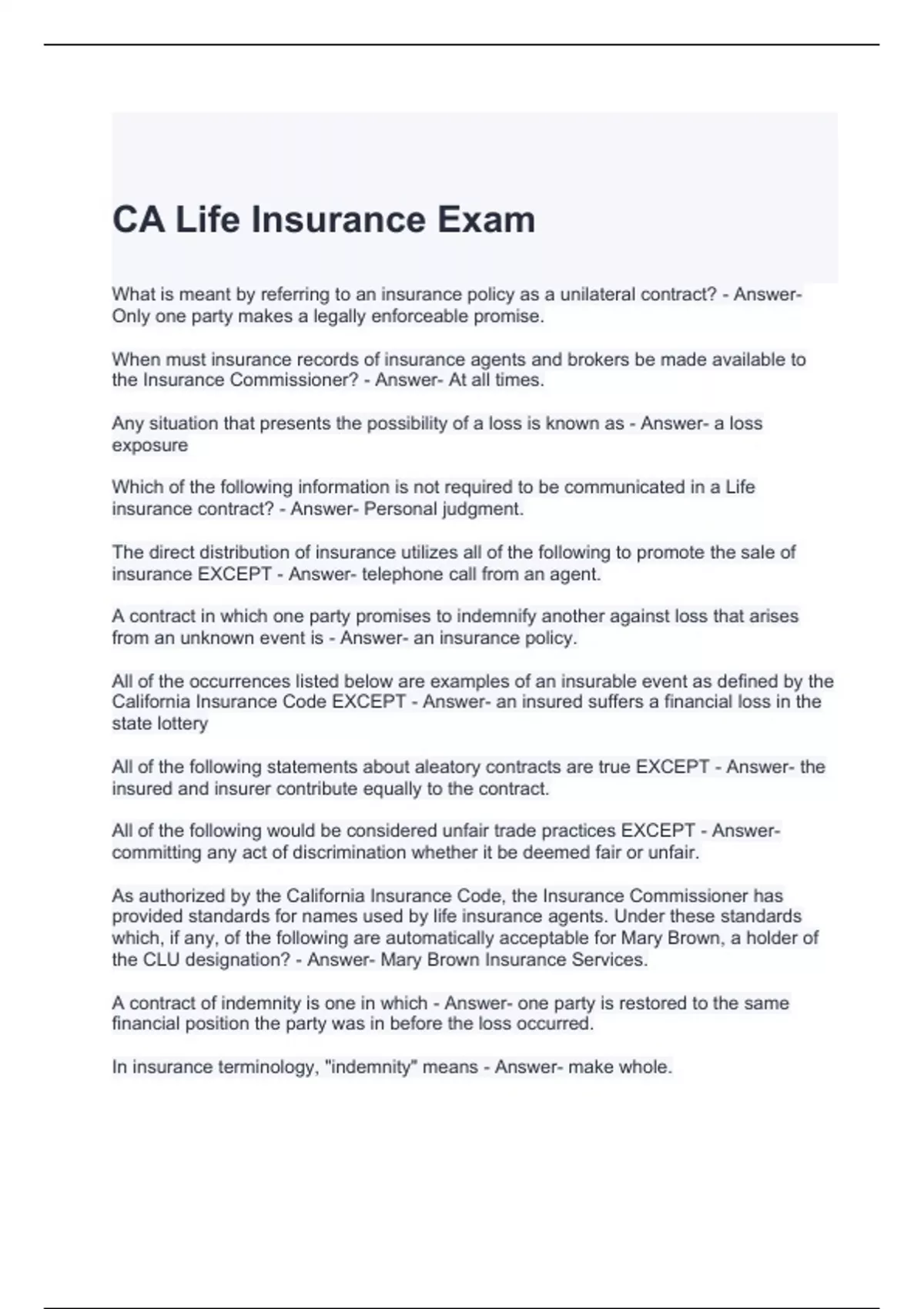
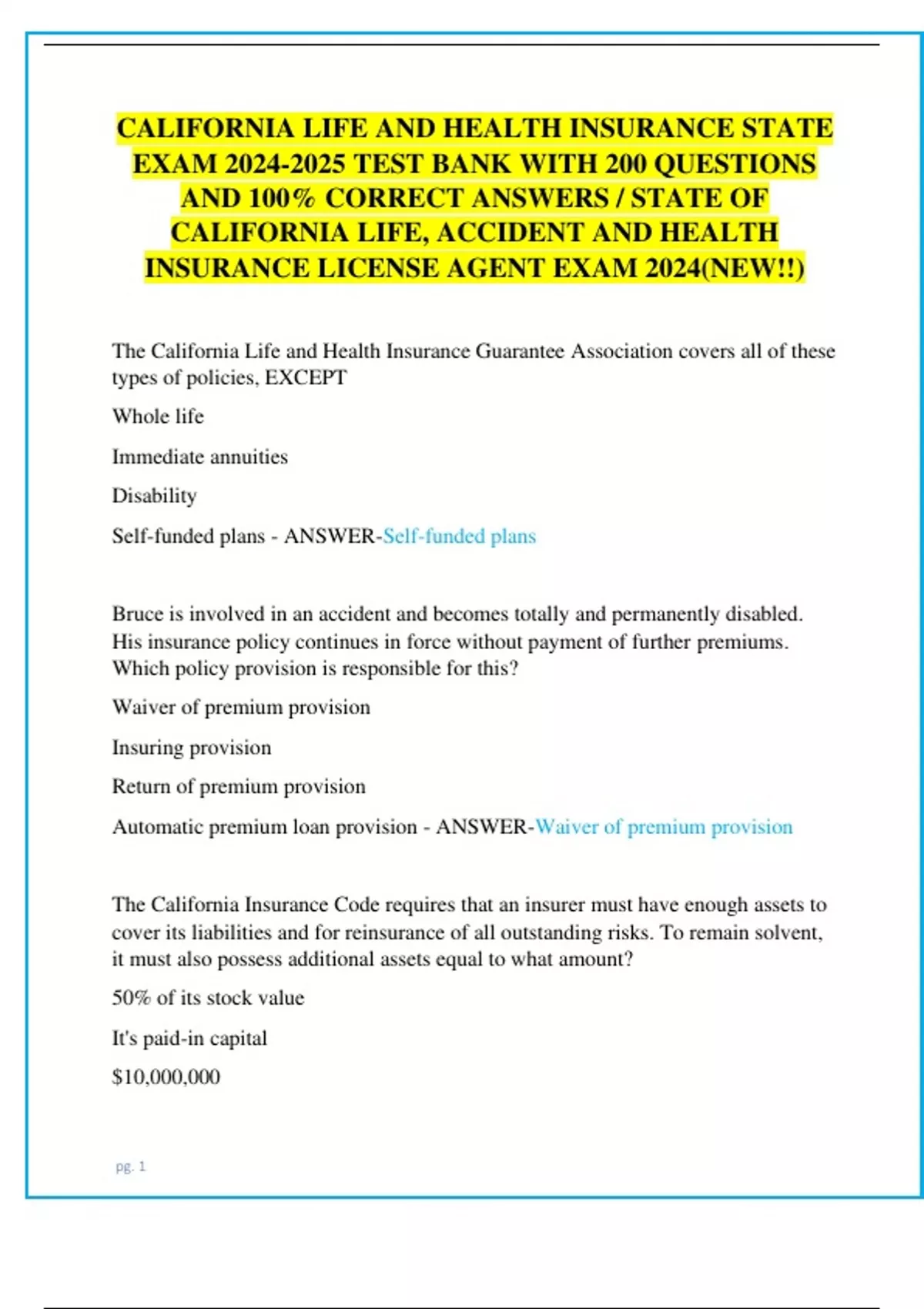
The California life insurance exam is known for its tricky phrasing and specific legal scenarios. A high-quality training provider will offer unlimited practice exams that mimic the actual PSI (the state’s testing vendor) interface. Look for "simulated exams" that weight the questions according to the official CDI exam content outline.
The "Pass Guarantee"
Many schools offer a "Pass or Your Money Back" guarantee. While these have specific conditions (such as scoring 80% or higher on all practice exams), they serve as a benchmark for the provider's confidence in their curriculum. If a school does not offer some form of guarantee, it may indicate a lack of updated material.
Digital vs. Physical Study Manuals
Some learners struggle with reading long-form insurance law on a screen. Verify if the training provider includes a physical textbook or if it is an additional "add-on" cost. In 2026, many providers have moved to digital-only, so if you require a physical book, factor that into your search.
Steps After Finding Your Training
Finding and completing the training is only the first phase of the licensing process. Once you have selected a provider and finished the 32 hours of coursework, you must follow the formal state application path.
- Obtain the Certificate of Completion: Your training provider will issue a certificate once you pass their internal final exam. You do not need to mail this to the CDI, but you must keep it for your records as the provider will electronically report your hours to the state.
- Schedule the State Exam: California uses PSI Services LLC to administer the insurance exams. You can schedule your test through the PSI website.
- Complete Fingerprinting: California requires a background check. It is often most efficient to do this at the PSI testing center on the day of your exam, though you can use any authorized Live Scan location.
- Submit the Official Application: Use the Sircon or NIPR (National Insurance Producer Registry) portals to submit your formal application and pay the state licensing fees.
Common Mistakes When Seeking Training
Many applicants face delays because they overlook specific California nuances. Avoid these common pitfalls:
- Buying "National" Training: Avoid generic "Life Insurance 101" courses that are not CDI-approved. California has unique laws regarding "free look" periods, replacement forms, and senior settlements that generic courses may miss.
- Ignoring the Ethics Requirement: Some students focus entirely on the "Life" portion and forget the 12-hour Ethics and Code requirement. You cannot sit for the exam until the full 32 hours are reported.
- Waiting Too Long to Test: The information in these courses is dense. It is statistically recommended to take the state exam within 7 to 10 days of completing your training while the material is fresh.
Frequently Asked Questions
How long is my California pre-licensing training certificate valid?
In California, your pre-licensing education completion is valid for three years from the date the certificate is issued. If you do not pass the exam and apply for your license within that three-year window, you must retake the training.
Can I use training from another state if I am moving to California?
Generally, no. California requires resident applicants to complete California-specific pre-licensing education. If you hold an active life license in another state, you may be exempt from the 20-hour life course, but you will almost certainly still be required to complete the 12-hour Ethics and California Insurance Code training.
What is the passing score for the California Life Insurance exam?
As of 2026, a passing score on the California Life-Only exam is 60%. While this may seem low, the exam is designed to be challenging, with a heavy focus on the California Insurance Code and specific legal definitions.
How much does the entire licensing process cost in 2026?
Beyond the training costs (roughly $150–$300), you should budget for the exam fee (approximately $50–$100), the fingerprinting fee ($60–$80), and the initial license application fee ($180–$200). Total costs typically range between $450 and $700.
Is the training available in languages other than English?
Yes, many CDI-approved providers offer training and practice exams in Spanish. However, you should verify that the PSI testing center you choose also offers the exam in your preferred language.
Final Recommendation for Aspiring Agents
When searching for training for a CA life insurance license, prioritize CDI-approved providers that offer a heavy emphasis on practice testing. The actual knowledge of life insurance is straightforward, but the ability to navigate the specific language of the California Insurance Code is what determines exam success. Start by using the CDI Education Provider Search tool to create a shortlist, then compare ExamFX, Kaplan, and Mike Russ for the format that best fits your daily schedule. Completing your 32 hours of education is the most significant hurdle; once that is finished, the path to your professional license is a matter of administrative follow-through.
Note: This information is provided for educational purposes and does not constitute legal or financial advice. Jurisdictional requirements are subject to change by the California Department of Insurance.
Image Gallery