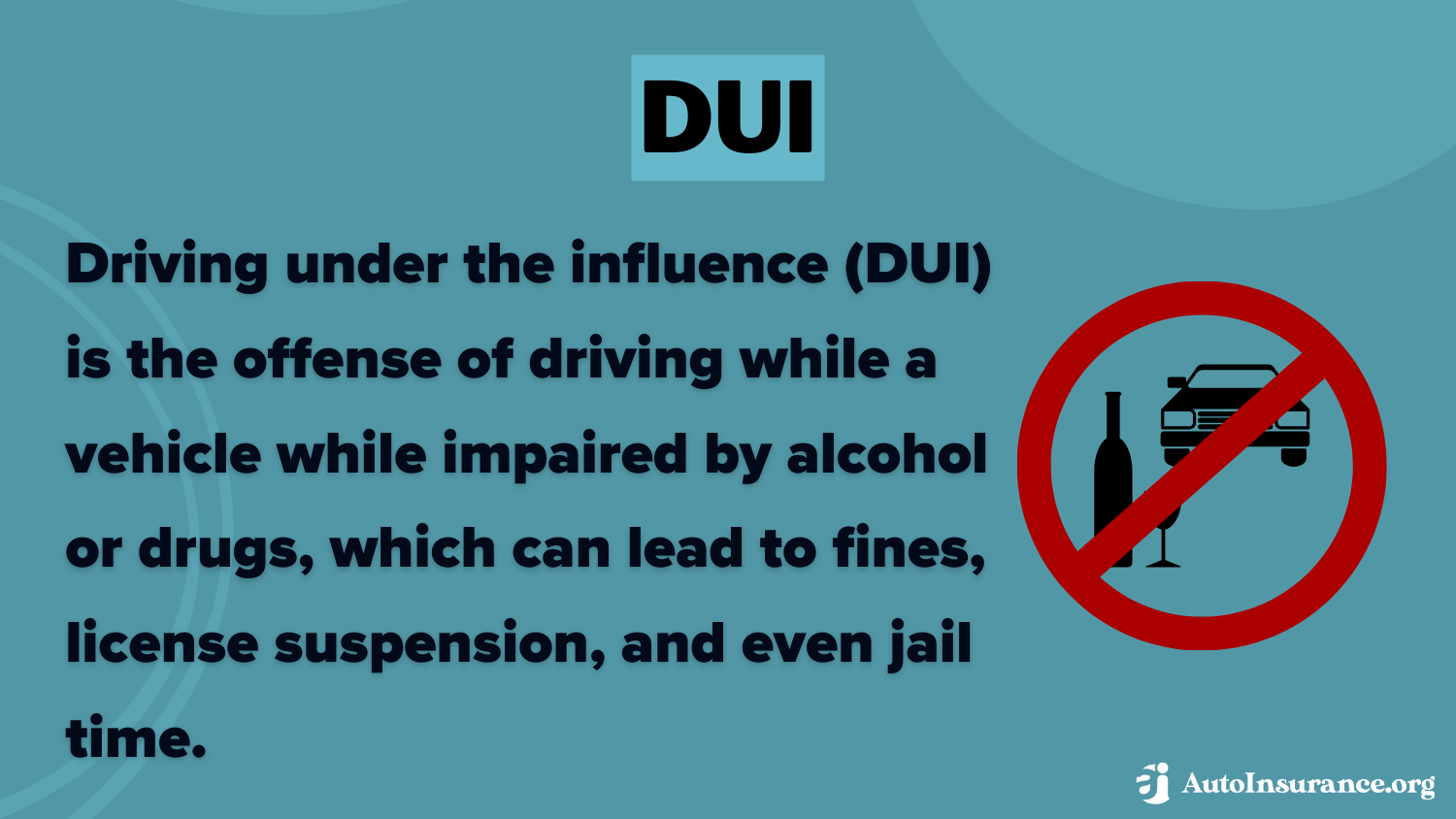
Why DUI and Auto Insurance Costs Surge
Auto insurance costs surge following a DUI (Driving Under the Influence) conviction because insurers reclassify the driver from a standard or preferred risk category to a high-risk category. This shift triggers the immediate removal of...
Auto insurance costs surge following a DUI (Driving Under the Influence) conviction because insurers reclassify the driver from a standard or preferred risk category to a high-risk category. This shift triggers the immediate removal of safe-driving discounts and the application of massive surcharges—often ranging from 70% to over 300%—to account for the statistically higher probability of catastrophic liability claims associated with impaired driving.
Contents
The Actuarial Science Behind the Rate Surge
To understand why a DUI causes such a dramatic spike in premiums, one must look at the actuarial data used by insurance carriers to determine risk. Actuaries are mathematicians who analyze the probability of future events. In the insurance industry, a single DUI conviction is viewed as one of the strongest predictors of future high-value claims.
When a driver is cited for a DUI, the insurance company no longer views them as someone who made a one-time mistake; instead, they are statistically grouped with a demographic that is significantly more likely to be involved in fatal or life-altering accidents. According to data from the National Highway Traffic Safety Administration (NHTSA), alcohol-impaired driving accounts for nearly one-third of all traffic-related fatalities. Because the potential payout for a wrongful death or permanent disability claim can reach millions of dollars, insurers adjust premiums upward to build a "reserve" for that anticipated loss.
Furthermore, insurers use "tiering" systems. A driver with a clean record sits in the top tier with the lowest rates. A DUI conviction effectively drops the driver to the lowest possible tier, or in many cases, out of the standard market entirely. This forced transition to "non-standard" insurance markets is a primary driver of the cost surge.
The Immediate Loss of Discounts and Incentives
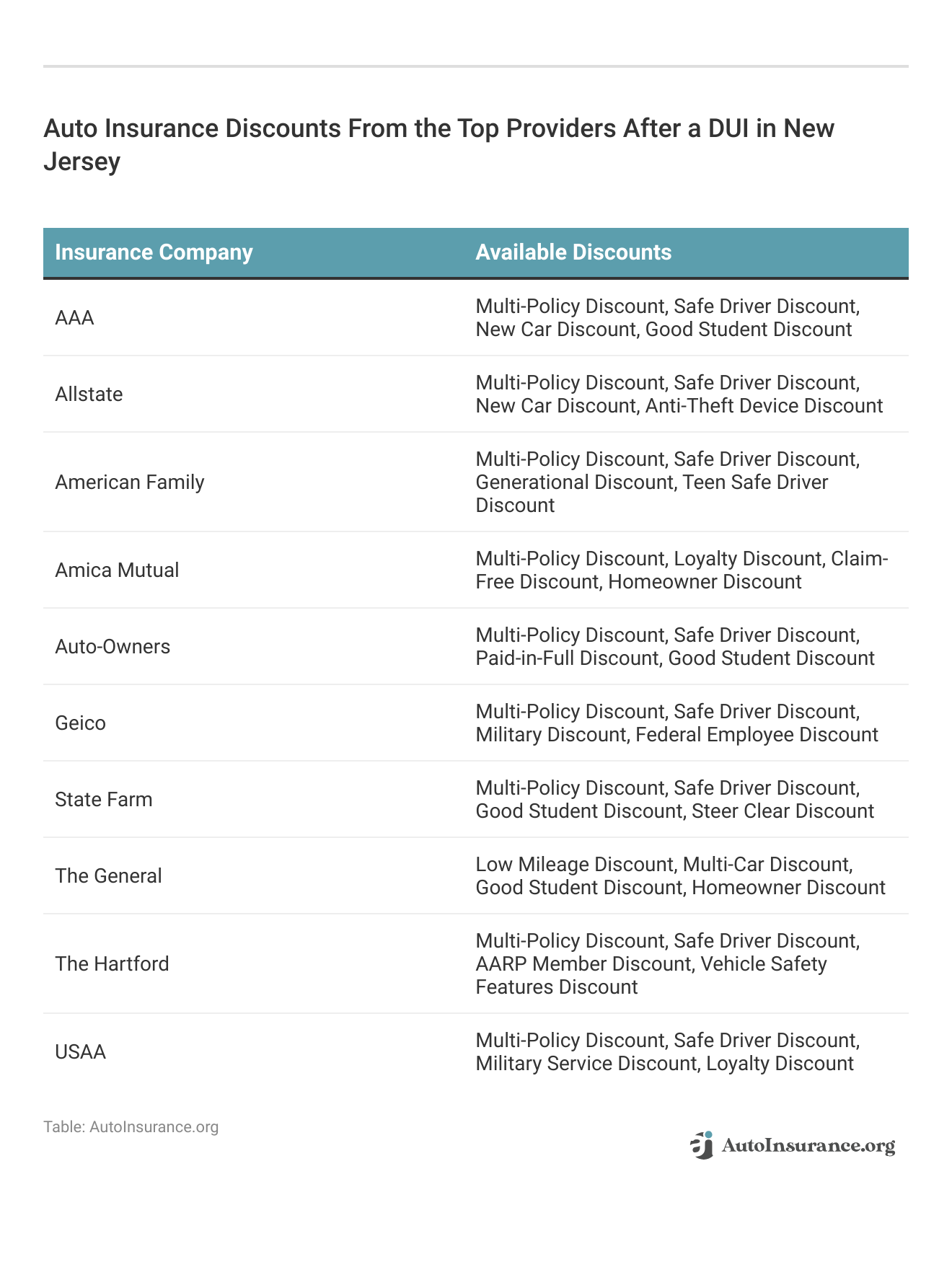
Most policyholders in 2026 benefit from a variety of discounts that reward long-term safe behavior. A DUI conviction acts as a "hard reset" on these financial benefits.
- Good Driver Discounts: In many states, such as California under Proposition 103, a "Good Driver" discount is mandated by law for those with clean records. A DUI conviction immediately disqualifies the driver from this 20% or higher discount.
- Claims-Free Credits: Many carriers offer diminishing deductibles or annual credits for every year a driver remains claims-free. A DUI is treated as a major violation, instantly nullifying years of accumulated credits.
- Loyalty and Multi-Policy Discounts: While a carrier might allow you to keep your homeowners insurance, they may revoke "bundling" discounts on the auto portion because the risk profile of the auto policy no longer meets their underwriting guidelines.
The loss of these discounts often accounts for the first $500 to $1,000 of the total premium increase, occurring even before the specific "DUI surcharge" is applied.
Understanding SR-22 and FR-44 Filings
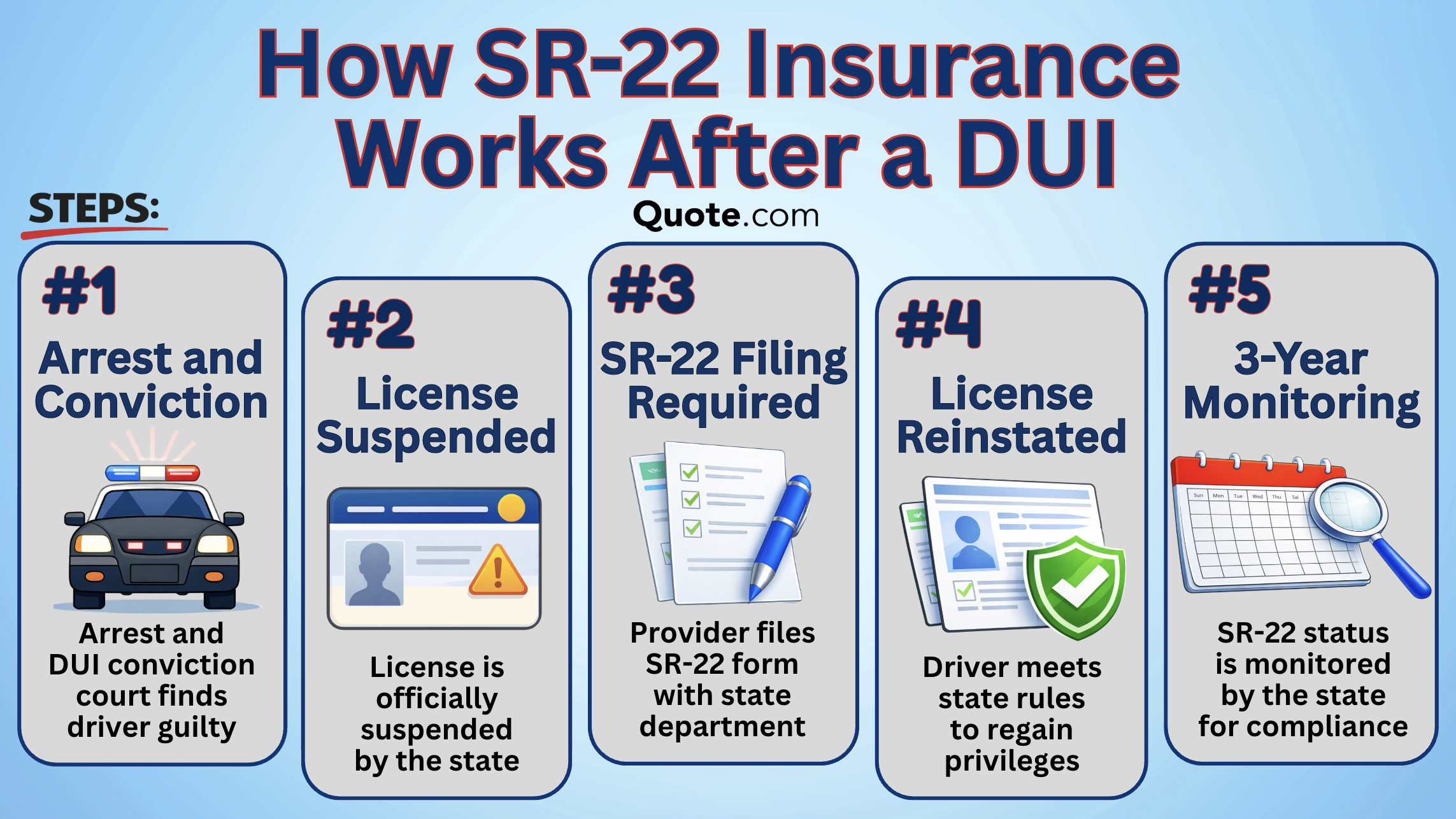
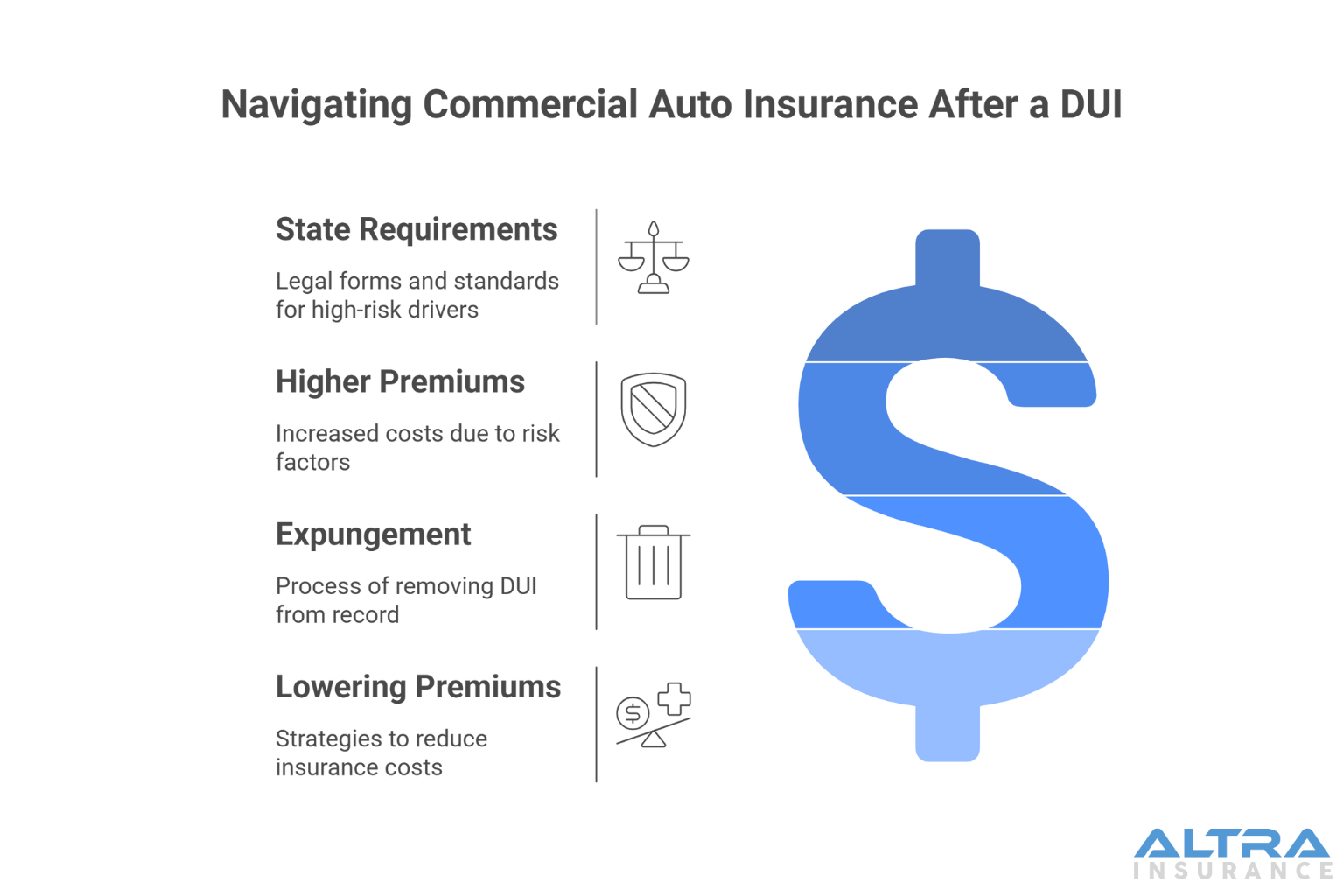
A significant portion of the "cost surge" is not just the premium itself, but the administrative and compliance requirements that follow a conviction. In most states, the Department of Motor Vehicles (DMV) or a similar agency will require a driver to prove they carry the state’s mandated minimum insurance before their license can be reinstated. This proof is known as an SR-22 certificate (or an FR-44 in states like Florida and Virginia).
An SR-22 is not insurance; it is a financial responsibility form that the insurance company files with the state on your behalf. There are several costs associated with this:
- Filing Fees: Carriers usually charge a small fee ($25–$50) to file the form.
- Increased Limits: Some states require drivers with a DUI to carry significantly higher liability limits than the state minimum (the FR-44 in Florida, for example, requires $100,000/$300,000/$50,000 limits).
- Policy Monitoring: The SR-22 mandates that the insurer notify the state immediately if the policy lapses. This increased administrative burden is baked into the high-risk premium.
The requirement for an SR-22 typically lasts for three to five years. If the policy lapses for even one day during this period, the "clock" usually restarts, and the driver's license is suspended again, leading to further legal and administrative fees.
Comparing Post-DUI Insurance Surges by State
The impact of a DUI on insurance is not uniform across the United States. State laws, insurance department regulations, and local competition all influence how much a driver will pay.
| State | Average Annual Premium (Clean) | Average Annual Premium (After DUI) | Percentage Increase |
|---|---|---|---|
| California | $2,250 | $5,175 | 130% |
| Florida | $3,100 | $5,890 | 90% |
| North Carolina | $1,200 | $4,320 | 260% |
| Michigan | $3,400 | $9,180 | 170% |
| Texas | $1,950 | $3,510 | 80% |
Note: These figures represent estimated averages for 2026 and can vary based on the carrier and the driver’s specific history.
The Risk of Non-Renewal and the Residual Market
Perhaps the most stressful aspect of a DUI surge is the possibility that your current insurer will "non-renew" your policy. Standard carriers like State Farm, GEICO, or Progressive have strict underwriting guidelines. If a driver’s risk profile exceeds these guidelines, the carrier will issue a notice of non-renewal at the end of the policy term.
When this happens, the driver must seek coverage in the non-standard market. Companies that specialize in high-risk drivers (sometimes called "subprime" insurers) charge much higher rates because their entire pool of insured drivers consists of individuals with accidents, tickets, or DUIs.
In extreme cases, if no private company will take the risk, the driver must turn to the State Assigned Risk Pool. This is a residual market mechanism where the state assigns the driver to an insurance company. These policies are generally the most expensive options available and offer the most basic service levels.
How Long Does the Surge Last?
The financial impact of a DUI is not permanent, but it is long-term. Most insurance companies look back at a driver’s record for three to five years when calculating premiums. However, some states and certain carriers have a "look-back period" of up to ten years for major violations.
In 2026, data sharing between state DMVs and insurance databases is nearly instantaneous. Even if you switch insurance companies, the new carrier will see the conviction via a Comprehensive Loss Underwriting Exchange (CLUE) report or a Motor Vehicle Report (MVR). The premium will remain elevated until the anniversary of the conviction passes the look-back threshold of your specific carrier.
Ancillary Costs and Indirect Financial Pressure
While the focus is often on the insurance premium, a DUI creates a cascade of other costs that affect a driver’s overall financial stability:
- Legal Fees: Defense attorneys for DUI cases in 2026 can cost anywhere from $3,000 to $15,000.
- Court Fines and Restitution: Statutory fines can reach several thousand dollars.
- Ignition Interlock Devices (IID): Many states now require the installation of a breathalyzer in the vehicle. The lease and monitoring fees for these devices typically cost $75–$150 per month.
- License Reinstatement Fees: State agencies often charge several hundred dollars to process the return of driving privileges.
Strategies for Managing Costs After a DUI
While the surge is unavoidable, there are steps a driver can take to mitigate the total financial damage:
- Shop High-Risk Specialists: Do not assume your current "big name" insurer is the best option. Some smaller carriers specialize in SR-22 filings and may offer more competitive rates for high-risk tiers.
- Increase Deductibles: If you have an older vehicle, increasing your collision and comprehensive deductibles can lower the monthly premium, though it increases your out-of-pocket risk in an accident.
- Take a Defensive Driving Course: Some states allow a small discount for completing a state-approved safety course, which can help offset a fraction of the DUI surcharge.
- Usage-Based Insurance (UBI): Some high-risk carriers offer telematics programs. By allowing the company to track your driving habits via an app or plug-in device, you may be able to prove you are no longer a risky driver, potentially leading to faster rate stabilization.
Disclaimer: The information provided in this article is for educational purposes only and does not constitute legal or financial advice. DUI laws and insurance regulations vary significantly by jurisdiction. Consult with a licensed insurance agent or a qualified attorney regarding your specific situation.
Frequently Asked Questions
Will my insurance company find out about my DUI if I don't tell them?
Yes. Insurance companies routinely pull your Motor Vehicle Report (MVR) during policy renewals or if you request a change to your coverage. In 2026, most states have automated systems that notify carriers of major moving violations or license suspensions associated with an existing policy.
Can I get a "non-owner" policy to save money?
If you do not own a vehicle but need to maintain an SR-22 to keep your license, a non-owner insurance policy is often significantly cheaper than a standard policy. This covers you when driving borrowed vehicles and satisfies the state's requirement for financial responsibility.
Does a DUI conviction affect my life insurance rates?
Yes, it can. Life insurance underwriters view a DUI as evidence of "hazardous behavior." Depending on the carrier, a recent DUI can lead to higher premiums or even a denial of coverage, especially if it is part of a pattern of substance abuse or other risky activities.
How much does an SR-22 filing cost?
The filing fee itself is usually nominal, often between $15 and $50. However, the true "cost" of the SR-22 is the premium hike that results from the insurer discovering the underlying violation that made the filing necessary.
If I move to a different state, will the DUI follow me?
Yes. The Driver License Compact (DLC) is an agreement between most U.S. states to share information regarding traffic violations and license suspensions. If you have a DUI in one state, it will be visible to the DMV and insurance companies in your new state.
Practical Next Steps
If you have recently been convicted of a DUI, your first priority should be securing a policy that includes the necessary SR-22 or FR-44 filing to prevent further legal complications. Contact an independent insurance agent who has access to multiple "non-standard" carriers. They can compare quotes across companies that are willing to insure high-risk drivers, ensuring you find the least expensive option during this high-cost period. Avoid letting your coverage lapse at all costs, as a lapse in a high-risk policy will likely result in a license suspension and even higher future rates.
Image Gallery