How to Compare Auto Insurance Rates in Florida in 2026
Comparing auto insurance rates in Florida requires evaluating coverage options against the state’s unique "no-fault" laws and high premium environment. To find the best value in 2026, motorists must obtain quotes from at least three di...
Comparing auto insurance rates in Florida requires evaluating coverage options against the state’s unique "no-fault" laws and high premium environment. To find the best value in 2026, motorists must obtain quotes from at least three different carriers, verify discounts for safety features or bundling, and ensure coverage limits exceed the state-mandated minimums to protect personal assets effectively.
Contents
Understanding the Florida Insurance Landscape in 2026
Florida remains one of the most complex and expensive states for automobile insurance. As of 2026, the market continues to adjust to the long-term effects of the 2023 tort reform legislation (House Bill 837), which aimed to reduce litigation costs that historically drove premiums upward. While these reforms have invited new carriers into the state and stabilized some rates, Florida’s high population density, frequent extreme weather events, and high rate of uninsured motorists keep premiums well above the national average.
The state operates under a no-fault insurance system. This means that regardless of who causes an accident, your own insurance provider pays for your medical expenses through Personal Injury Protection (PIP). This system was designed to reduce the number of small-claims lawsuits, but it also necessitates a specific type of policy structure that differs from many other states. When you compare rates, you are not just looking for the lowest price; you are looking for a carrier that manages these unique Florida risks efficiently.
Minimum Coverage Requirements vs. Practical Protection
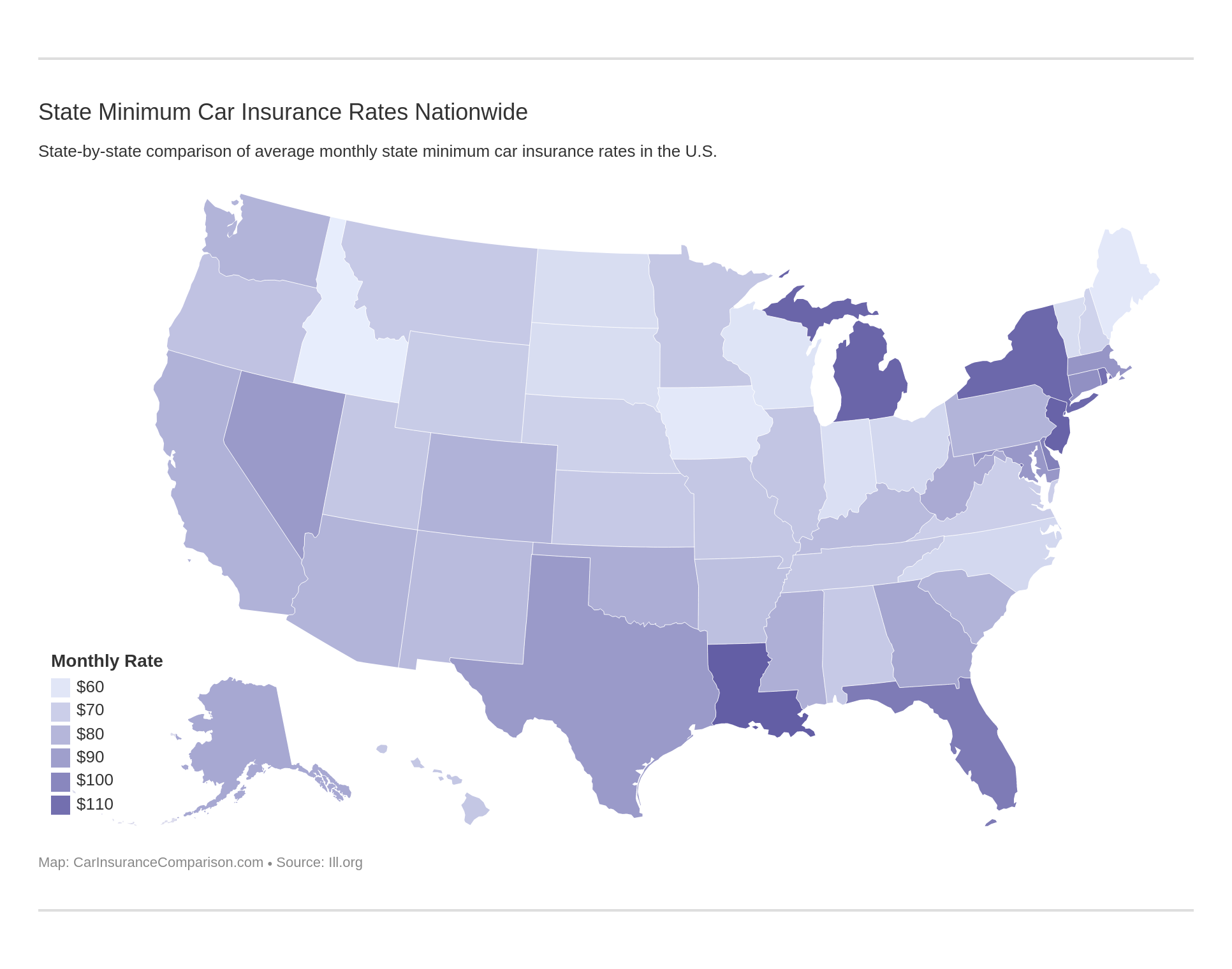
In Florida, the law mandates specific minimum coverages to register a vehicle and maintain a valid driver’s license. However, relying solely on these minimums is often a financial risk.
- Personal Injury Protection (PIP): The state requires $10,000 in PIP. This covers 80% of necessary medical expenses and 60% of lost wages resulting from an accident, regardless of fault.
- Property Damage Liability (PDL): You must carry at least $10,000 in PDL to pay for damages you cause to another person’s property (such as their car or a fence).
While these are the legal requirements, most financial experts in 2026 recommend much higher limits. For instance, $10,000 in property damage is easily exhausted if you are involved in a multi-car accident or hit a modern electric vehicle with expensive sensors and components. When comparing quotes, ensure you are comparing "apples to apples" by setting your comparison tool to higher limits, such as 100/300/100 ($100,000 bodily injury per person, $300,000 per accident, and $100,000 property damage).
Key Factors Influencing Florida Auto Insurance Rates
Several variables dictate what you will pay in the Sunshine State. Understanding these helps you identify why one company might quote you significantly more than another.
Geographic Location and Population Density
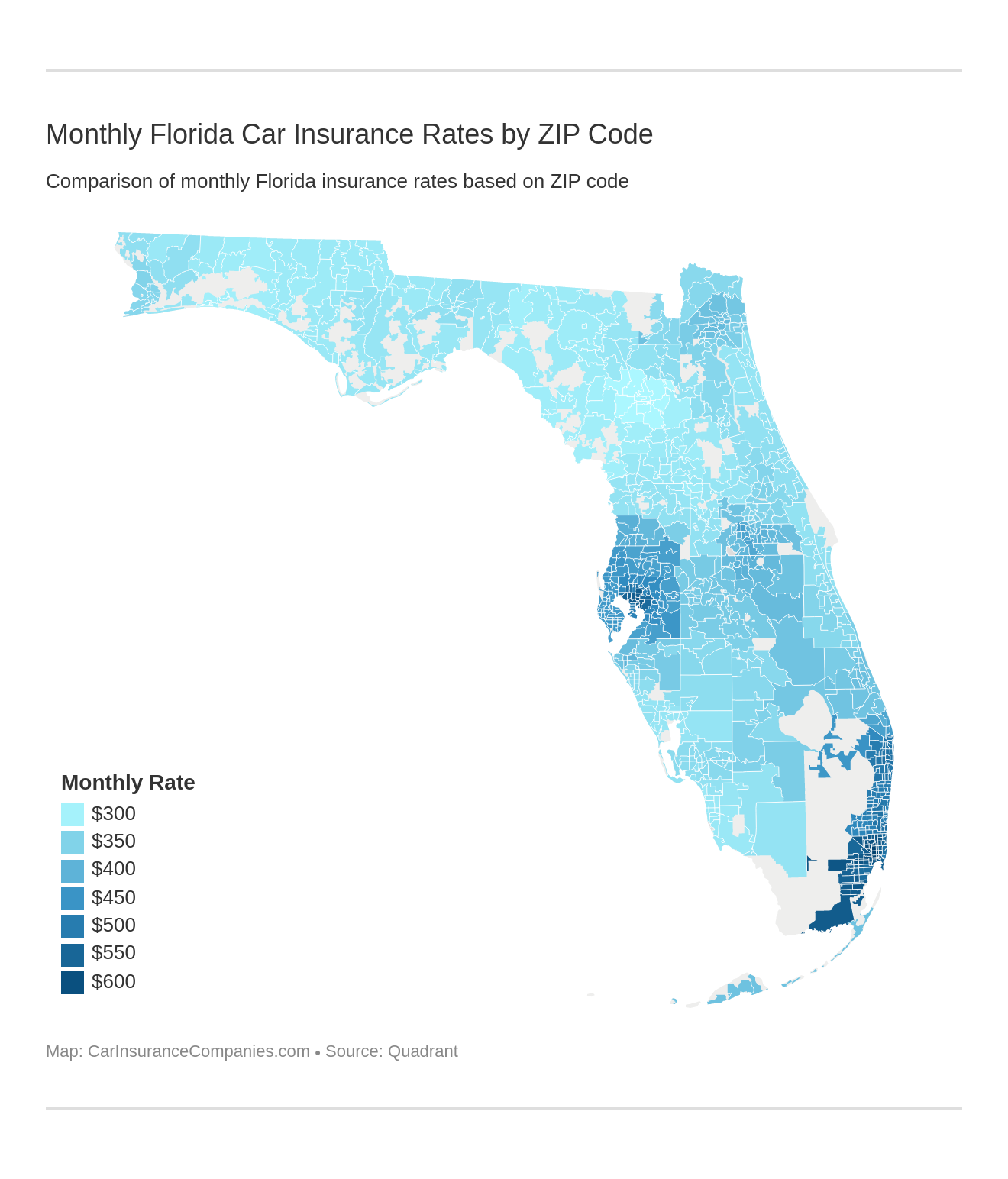
In Florida, your ZIP code is a primary pricing factor. Drivers in high-density areas like Miami-Dade, Broward, and Palm Beach counties typically pay significantly more than those in the Panhandle or Central Florida. This is due to the higher statistical probability of accidents, theft, and vandalism in urban centers.
Credit-Based Insurance Scores
Florida law allows insurance companies to use your credit history to help determine your premium. Carriers have found a strong correlation between financial responsibility and driving safety. If your credit score has improved recently, 2026 is an excellent time to re-compare rates, as you may qualify for a lower tier of pricing that wasn't available to you in previous years.
Weather Risks and Comprehensive Coverage
Florida's susceptibility to hurricanes and tropical storms affects the "Comprehensive" portion of your quote. This covers non-collision events like flood damage or a fallen tree. Because these risks are high, carriers often have specific deductibles for windstorm damage or higher base rates for comprehensive coverage in coastal counties.
The Uninsured Motorist Factor
Florida consistently ranks among the states with the highest percentage of uninsured drivers. Consequently, Uninsured Motorist (UM) coverage is a critical, albeit optional, addition to your policy. When comparing rates, check how each carrier prices UM coverage, as it provides a vital safety net if you are hit by someone with no insurance.
Comparison of Leading Florida Auto Insurers in 2026
The following table outlines the general positioning of major carriers in the Florida market based on 2026 data. Rates vary by individual profile, so these represent market trends rather than guaranteed pricing.
| Carrier | Target Demographic | Key Discount Features | Market Strength |
|---|---|---|---|
| State Farm | Families and Multi-car households | Steer Clear (under 25), Good Student | Largest agent network in FL |
| Progressive | Tech-savvy drivers, high-risk profiles | Snapshot (Telematics), Name Your Price tool | Highly competitive for bundled policies |
| GEICO | Budget-conscious, Military, Federal employees | Five-year accident-free, defensive driving | Streamlined digital claims process |
| Allstate | Drivers seeking premium features | Milewise (pay-per-mile), New car replacement | Strong local agent presence |
| Travelers | Homeowners, Hybrid/EV owners | IntelliDrive, Multi-policy bundling | Competitive rates for green vehicles |
Step-by-Step Guide to Comparing Quotes Effectively
To get the most accurate comparison, follow a structured process that eliminates variables.
- Gather Your Documentation: You will need your Driver’s License number, Social Security number (for the credit check), and the Vehicle Identification Number (VIN) for all cars.
- Define Your Coverage Levels: Do not use the "minimum" settings. Select at least 50/100/50 limits and decide whether you want Comprehensive and Collision coverage (standard for financed vehicles).
- Use an Independent Comparison Tool: Start with a neutral site that aggregates data from multiple carriers. This provides a baseline of which companies are currently competitive in your specific Florida ZIP code.
- Visit Direct Carrier Sites: Once you have a "Top 3," visit those companies' official websites directly. Sometimes, direct-to-consumer portals offer exclusive online discounts that aggregators might miss.
- Verify Financial Stability: Before signing, check the carrier’s financial strength rating through AM Best. In Florida’s volatile market, you want a company that can handle large-scale catastrophe claims.
- Review the Florida Office of Insurance Regulation (OIR): The Florida OIR provides resources and "CHOICE" tools to help consumers compare rate filings and see which companies are authorized to operate in the state.
Strategies to Lower Your Florida Premiums in 2026
If the quotes you receive are higher than expected, consider these Florida-specific strategies to reduce the cost:
- Telematics Programs: Programs like Progressive’s Snapshot or State Farm’s Drive Safe & Save use a mobile app to track your driving habits. In 2026, these programs offer some of the largest discounts (up to 30%) for safe drivers who avoid hard braking and late-night driving.
- Higher Deductibles: If you have an emergency fund, increasing your deductible from $500 to $1,000 can lower your monthly premium by 15-20%. However, ensure you can afford the $1,000 out-of-pocket if an accident occurs.
- Defensive Driving Courses: Drivers over age 55 in Florida can often receive a mandatory discount by completing a state-approved defensive driving course. These certificates are typically valid for three years.
- Bundling Policies: Florida residents often have separate windstorm or flood insurance. Bundling your auto policy with your homeowners or renters insurance remains the single most effective way to trigger a "multi-line" discount.
Common Pitfalls to Avoid
When comparing auto insurance in Florida, avoid these frequent mistakes:
- Ignoring Bodily Injury Liability: Florida law does not strictly require Bodily Injury (BI) liability for all drivers, but if you cause an accident and don't have it, you can be sued personally for the other party's medical bills. Most carriers will require you to purchase it to protect yourself.
- Underestimating the Value of Glass Coverage: Florida law (Statute 627.7288) requires insurers to replace damaged windshields with $0 deductible if you have comprehensive coverage. Ensure your policy includes comprehensive so you can take advantage of this benefit.
- Failing to Report Commute Changes: Since the rise of hybrid work models in 2026, many drivers overlook the "pleasure use" vs. "commute" distinction. If you no longer drive to an office in Tampa or Orlando daily, updating your mileage can result in a significant rate drop.
Frequently Asked Questions
Does Florida's "No-Fault" law mean I can't be sued? No. While PIP covers your initial medical bills, Florida law allows for lawsuits if the "serious injury threshold" is met. This includes permanent injury, significant scarring, or death. This is why comparing Bodily Injury Liability rates is essential for asset protection.
Why is car insurance so expensive in Florida compared to other states? The high cost is driven by several factors: high litigation rates, a large number of high-value vehicles on the road, high rates of insurance fraud in certain counties, and the constant threat of flooding and hurricanes which increases comprehensive claims.
Can I get insurance if I have a poor driving record in Florida? Yes, but you may need to look at "non-standard" carriers. If your record includes multiple DUIs or accidents, you might be required to file an SR-22 or FR-44 certificate with the Florida Highway Safety and Motor Vehicles (FLHSMV). These filings guarantee you are carrying higher liability limits.
Is Uninsured Motorist coverage mandatory in Florida? It is not mandatory, but carriers are required by law to offer it to you. You must sign a specific rejection form if you choose not to carry it. Given that approximately 1 in 5 Florida drivers may be uninsured, it is highly recommended.
How does my credit score affect my Florida insurance rate? In Florida, insurers use a "Credit-Based Insurance Score." It is not exactly the same as your FICO score, but it uses similar data. Drivers with higher scores are statistically less likely to file claims, and therefore receive significantly lower premium offers.
Final Recommendation
To successfully compare auto insurance rates in Florida in 2026, you must look beyond the monthly premium. Start by securing quotes from at least one national giant (like GEICO or State Farm) and one Florida-specific or regional carrier. Prioritize policies that include Uninsured Motorist coverage and Bodily Injury Liability of at least $50,000/$100,000. Finally, revisit your quotes every 12 months; as the Florida market continues to evolve following recent legal reforms, today’s most expensive carrier could be tomorrow’s most competitive option.
Image Gallery