How Online HR Systems Transform Workforce Management
Online HR systems transform workforce management by centralizing employee data, automating repetitive administrative tasks, and providing real-time analytics for strategic decision-making. These cloud-based platforms shift HR from a re...
Online HR systems transform workforce management by centralizing employee data, automating repetitive administrative tasks, and providing real-time analytics for strategic decision-making. These cloud-based platforms shift HR from a reactive, paper-heavy department to a proactive, data-driven partner that enhances the employee experience and ensures global regulatory compliance through integrated automation.
Contents
In 2026, the landscape of Human Resources is no longer defined by filing cabinets or static spreadsheets. The maturation of Human Resources Information Systems (HRIS) and Human Capital Management (HCM) software has fundamentally altered how organizations interact with their most valuable asset: their people. By leveraging cloud computing, artificial intelligence (AI), and mobile-first design, online HR systems have moved beyond simple record-keeping to become the operational engine of the modern enterprise.
The Shift from Administrative Support to Strategic Partnership
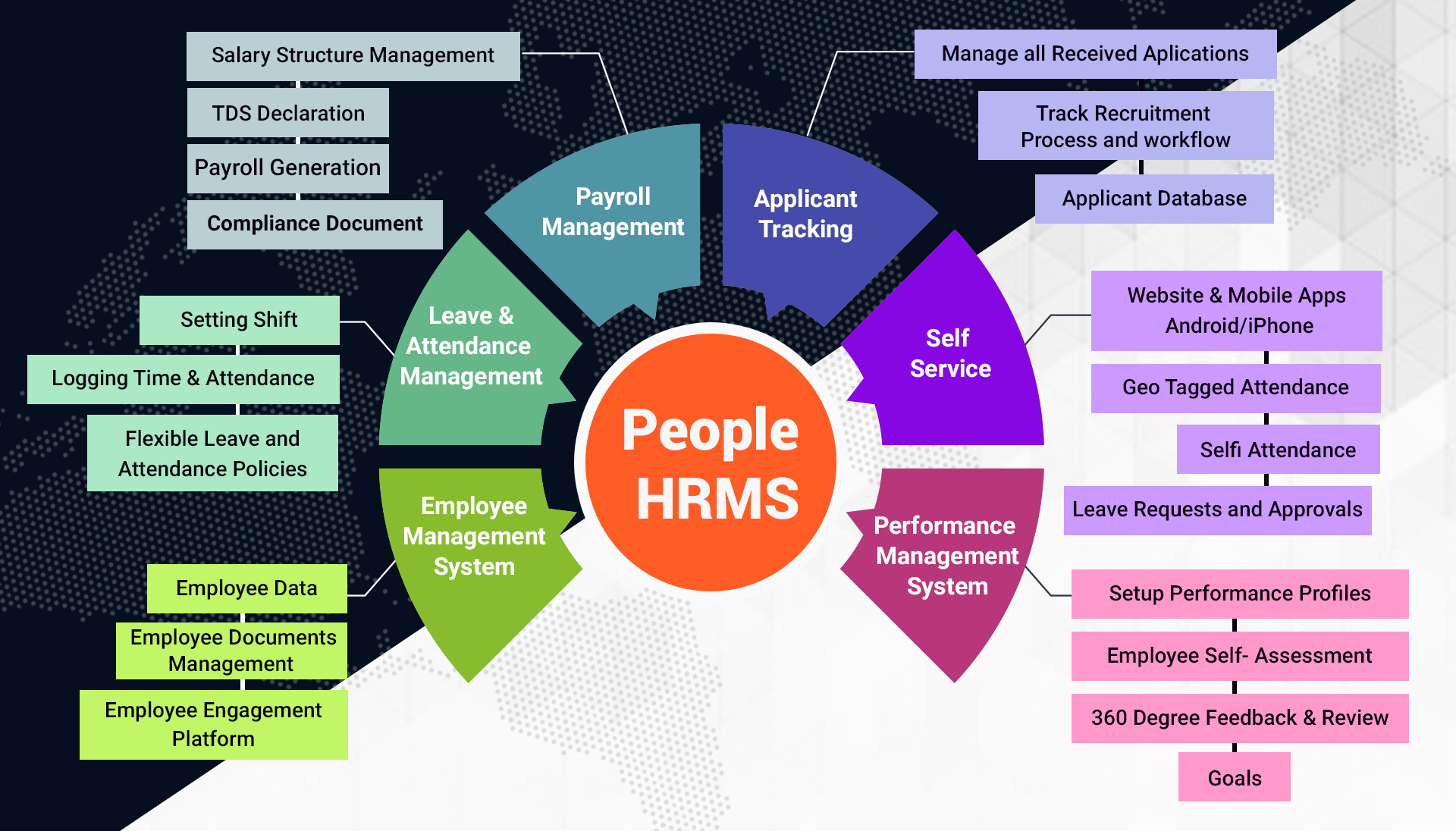
Historically, HR departments were viewed as cost centers responsible for payroll, benefits enrollment, and compliance monitoring. Online HR systems have effectively "liberated" HR professionals from these manual workflows. By automating the data entry associated with life events, address changes, and tax withholding, these systems allow HR teams to focus on high-value initiatives such as culture building, leadership development, and strategic workforce planning.
In 2026, the "Strategic HR" model relies heavily on the integration of disparate data points. When a single platform manages recruitment, performance, and payroll, leadership can see the direct correlation between hiring sources and long-term employee productivity. This transparency transforms workforce management from a series of isolated events into a continuous, measurable cycle of improvement.
Automation of the Employee Lifecycle
The primary mechanism through which online HR systems transform management is the automation of the entire employee lifecycle. This begins long before a candidate is hired and continues through their eventual departure.
1. AI-Enhanced Recruitment and Selection
Modern online HR systems integrate advanced Applicant Tracking Systems (ATS) that do more than just store resumes. By 2026, these systems utilize predictive algorithms to match candidates with specific role requirements and cultural benchmarks. They automate initial screenings, interview scheduling, and candidate communications, significantly reducing the "Time-to-Hire" metric. This efficiency ensures that top talent is not lost to competitors due to slow administrative processes.
2. Digital Onboarding and Immersion
Onboarding is often the first point of friction in workforce management. Online HR systems provide centralized portals where new hires can sign contracts, complete tax forms, and review company handbooks before their first day. By digitizing this process, managers can focus on the social and professional integration of the employee rather than chasing paperwork. According to SHRM, a structured onboarding process can improve employee retention by up to 82%, a feat made significantly easier by automated reminders and task checklists.
3. Continuous Performance Management
The traditional annual performance review has been largely replaced by continuous feedback loops enabled by online platforms. These systems allow for "check-ins," peer-to-peer recognition, and goal tracking in real-time. This transformation ensures that performance issues are addressed as they arise, rather than months later, and that high-performers are recognized immediately, fostering a culture of meritocracy and high engagement.
Centralization and Data Integrity
A significant challenge in legacy workforce management was the fragmentation of data. Payroll might be in one system, while training records lived in another, and attendance was tracked on a third. Online HR systems solve this by creating a "Single Source of Truth."
When data is centralized, the risk of manual entry errors is drastically reduced. For example, when an employee receives a promotion in the HR system, their pay grade, benefit eligibility, and access permissions are updated automatically across all integrated modules. This level of synchronization is critical for compliance, particularly for organizations operating across multiple jurisdictions with varying labor laws and tax regulations.
The Role of People Analytics in 2026
By 2026, the use of People Analytics has become the gold standard for workforce management. Online HR systems aggregate vast amounts of data to provide predictive insights that were previously impossible to generate.
- Attrition Prediction: By analyzing patterns in engagement scores, absenteeism, and compensation benchmarking, HR systems can flag employees who are at a high risk of leaving the company.
- Skill Gap Analysis: Systems can compare current employee competencies against future business needs, identifying exactly where training or recruitment is required.
- Diversity and Inclusion Monitoring: Automated reporting allows companies to track their progress toward DEI goals in real-time, ensuring that hiring and promotion practices are equitable and transparent.
Global Compliance and the Work-From-Anywhere Reality
As of 2026, the "borderless" workforce is a standard operational reality. Online HR systems are essential for managing a distributed team across different countries and time zones. These systems are updated automatically to reflect changes in local labor laws, social security requirements, and digital privacy regulations like the GDPR or updated AI governance frameworks.
Without a centralized online system, managing the compliance requirements of employees in ten different countries would require a massive administrative team. With a modern HCM platform, these complexities are managed via software updates, ensuring that the organization remains compliant without manual intervention for every legislative change.
Comparing Legacy Systems vs. Modern Online HR Platforms (2026)
The following table highlights the key differences between traditional management methods and the current state of online HR systems.
| Feature | Legacy HR Management | Modern Online HR Systems (2026) |
|---|---|---|
| Data Storage | Local servers or paper files | Secure, encrypted cloud storage |
| Accessibility | Office-bound; VPN required | Any device, anywhere, mobile-first |
| Payroll Processing | Manual entry; high error rate | Automated sync with time-tracking |
| Performance Reviews | Annual, backward-looking | Real-time, continuous feedback |
| Compliance | Manual updates; risk of fines | Automated regulatory updates |
| Analytics | Static reports; historical focus | Predictive modeling; AI insights |
| Employee Self-Service | Limited or non-existent | Full portal for benefits, pay, & PTO |
Improving the Employee Experience Through Self-Service
One of the most profound transformations is the empowerment of the employee. Online HR systems provide self-service portals where staff can manage their own information. Whether it is updating a bank account for direct deposit, requesting time off, or selecting health insurance plans, the employee has direct control.
This autonomy reduces the administrative burden on HR and increases employee satisfaction. In an era where "consumer-grade" technology is expected in the workplace, having a sleek, intuitive HR app is a key factor in employer branding. Employees in 2026 expect to interact with their employer with the same ease they experience when using a banking app or a social media platform.
Challenges and Considerations for Implementation
While the transformation is overwhelmingly positive, organizations must navigate several hurdles when implementing or upgrading their online HR systems.
- Data Security and Privacy: As HR systems hold the most sensitive data an organization possesses (social security numbers, bank details, health information), security is paramount. In 2026, multi-factor authentication (MFA) and zero-trust architecture are mandatory requirements for any reputable HR vendor.
- Integration Silos: An online HR system is only as good as its ability to communicate with other business tools, such as Slack, Microsoft Teams, or ERP systems like SAP and Oracle.
- User Adoption: If the system is too complex, managers and employees will find ways to bypass it. Simplification of the user interface (UI) is a major focus for developers in 2026 to ensure 100% adoption across the workforce.
Frequently Asked Questions
What is the difference between HRIS and HCM?
While often used interchangeably, an HRIS (Human Resource Information System) typically focuses on the core administrative functions like payroll and benefits. An HCM (Human Capital Management) is a broader suite that includes strategic elements like talent management, workforce planning, and detailed analytics. By 2026, most "online HR systems" are full HCM suites.
How do online HR systems help with remote work?
Online systems provide a centralized virtual office for HR activities. They allow for digital signatures on contracts, remote time-tracking, and geo-fenced clock-ins. More importantly, they provide a sense of connection through company-wide directories, social recognition feeds, and centralized communication hubs that keep remote workers aligned with corporate culture.
Can small businesses afford online HR systems in 2026?
Yes. The "Software as a Service" (SaaS) model has made enterprise-grade tools affordable for small and medium-sized businesses (SMBs). Pricing is typically based on the number of employees (PEPM - Per Employee Per Month), allowing companies to scale their software costs directly with their growth. Many vendors now offer specialized versions for companies with fewer than 50 employees.
How does AI integration in HR systems impact jobs?
AI in HR systems is designed to augment, not replace, HR professionals. It removes the "drudge work" of sorting resumes and answering FAQs about policy. This allows HR managers to focus on human-centric tasks like conflict resolution, coaching, and strategic talent development—areas where AI lacks the necessary emotional intelligence.
Is it difficult to migrate from a legacy system to an online platform?
Migration is a significant undertaking but has become more streamlined by 2026. Modern vendors provide automated data mapping tools that can extract data from old spreadsheets or legacy databases and clean it before importing. Most successful migrations involve a phased approach, starting with core HR and payroll before moving to performance and recruitment.
Practical Recommendation
For organizations looking to modernize their workforce management in 2026, the first step is to conduct a comprehensive audit of current manual workflows. Identify the specific tasks that consume the most administrative time. When evaluating vendors, prioritize integration capabilities and user experience (UX). A platform that doesn't talk to your existing communication tools or is too difficult for your employees to navigate will fail to deliver the desired ROI. Focus on a cloud-native solution that offers robust mobile access, as this is the primary way the modern workforce interacts with HR services.
Image Gallery