Choosing a Commercial Pressure Cooker for Food Service
Selecting the right commercial pressure cooker for a food service environment requires balancing thermal efficiency, material durability, safety certifications, and specific volume requirements. Unlike domestic units, commercial-grade...
Selecting the right commercial pressure cooker for a food service environment requires balancing thermal efficiency, material durability, safety certifications, and specific volume requirements. Unlike domestic units, commercial-grade pressure cookers are engineered for high-frequency use, consistent pressure regulation, and adherence to rigorous health department sanitation standards, making them essential tools for rapid stock reduction, braising, and tenderizing high volumes of proteins.
Contents
Understanding Commercial vs. Residential Requirements
The primary distinction between residential and commercial pressure cookers lies in their duty cycle. A commercial unit is built to withstand 8–12 hours of operation per day. While domestic models often feature complex digital interfaces and non-stick coatings, commercial units focus on heavy-gauge stainless steel construction, mechanical pressure regulation, and heat-source flexibility.
When evaluating equipment for a professional kitchen, you must prioritize units that meet NSF (National Sanitation Foundation) standards. These certifications ensure that the equipment is constructed from food-grade materials and is designed for easy cleaning, effectively minimizing gaps where bacteria could proliferate.
Assessing Material and Build Quality
Construction material is the most critical determinant of equipment longevity.
- Heavy-Gauge Stainless Steel: Look for 18/8 or 18/10 stainless steel. This alloy offers superior resistance to corrosion caused by acidic ingredients like tomatoes or wine, which are common in braising applications.
- Encapsulated Bases: Professional units should feature a multi-ply or encapsulated base (a layer of aluminum or copper sandwiched between stainless steel). This ensures even heat distribution across the bottom, preventing "hot spots" that cause scorching—a common issue when cooking thick sauces or large batches of beans.
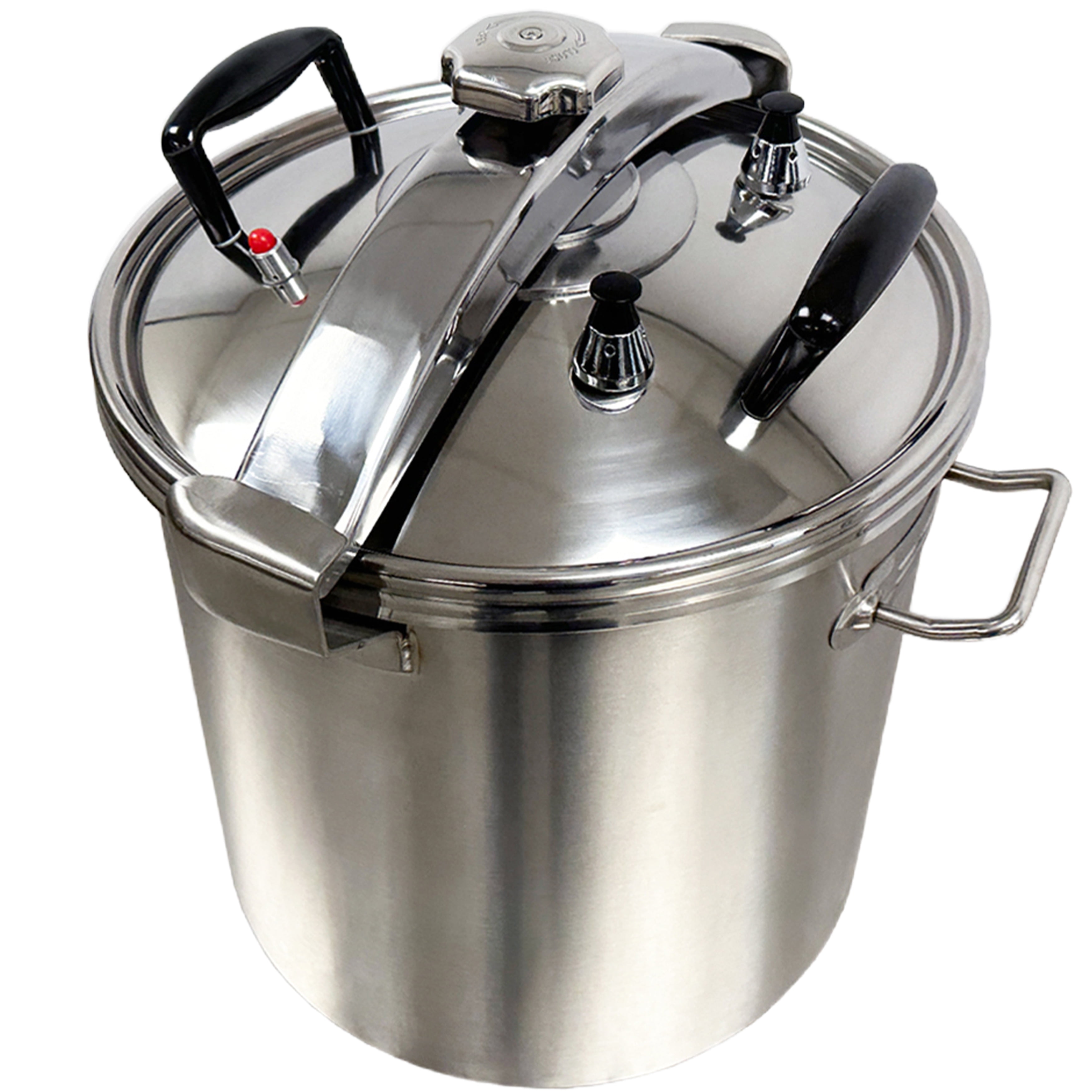
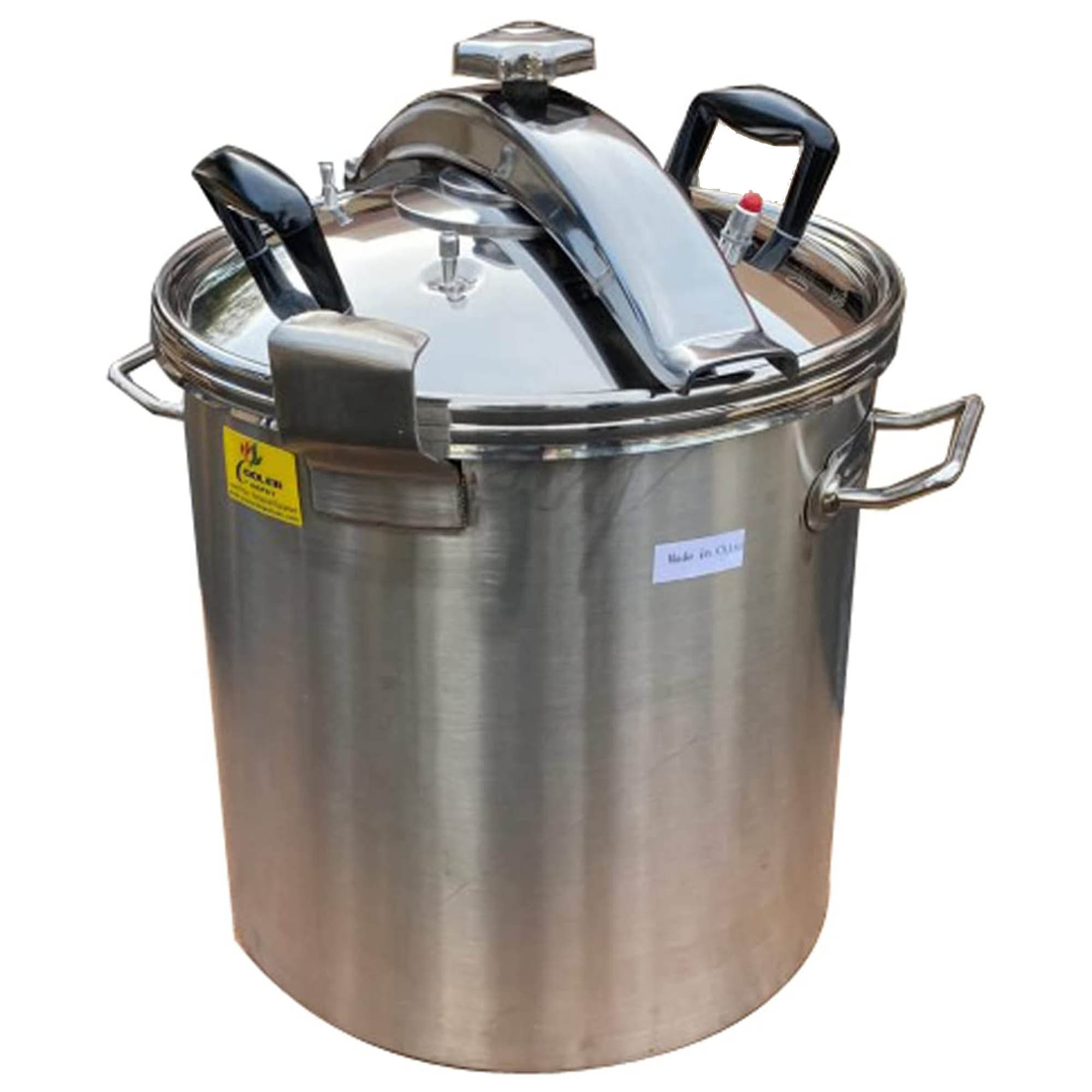
- Locking Mechanisms: Safety is paramount. High-end commercial units utilize a "locking lid" system that prevents the cooker from opening as long as internal pressure exists. Inspect the gasket material; food-grade, high-heat silicone is the industry standard for durability.
Capacity and Workflow Integration
Choosing the correct capacity is an exercise in calculating your peak-load requirements. Commercial pressure cookers range from 10 liters up to 40+ liters.
- Batch Planning: If you are using the cooker primarily for stocks or large-batch beans, select a larger unit (20L+). If you are preparing high-value protein portions to order, a smaller, faster-cycling unit (10–12L) may be more efficient.
- Heat Source Compatibility: Verify whether your kitchen uses induction, gas, or electric ranges. Many older, large-capacity pressure vessels are designed specifically for gas burners. If you are operating an induction-only kitchen, you must specifically verify that the base of the pressure cooker is ferromagnetic.
- Footprint: Consider the height of your range hoods and the width of your burners. A very tall, narrow vessel may be difficult to manage on a standard-width commercial range, potentially impacting the center of gravity and safety.
Comparative Analysis of Commercial Pressure Cooker Features
| Feature | Importance Level | Why it Matters |
|---|---|---|
| Material (18/10 Steel) | Essential | Prevents pitting and rust from acidic cooking. |
| Encapsulated Base | High | Prevents scorching; facilitates even heat transfer. |
| NSF Certification | Regulatory | Required by many health departments for commercial kitchens. |
| Manual Pressure Gauge | Moderate | Useful for precise control in high-altitude cooking. |
| Replaceable Gasket | Essential | A worn gasket is the #1 cause of pressure loss; ease of replacement is vital. |
Operational Safety and Maintenance Protocols
Commercial pressure cooking involves high thermal energy and potential hazard. Establish a routine maintenance schedule that goes beyond daily sanitation.
- Daily Inspection: Check the primary pressure relief valve for clogs. Residue from starches or fat can block these ports, leading to inaccurate pressure readings or failure to vent.
- Gasket Integrity: Inspect the sealing ring every week. If it appears flattened or cracked, it must be replaced immediately. A failing seal leads to steam loss, which increases energy consumption and drastically extends cooking times.
- Emergency Venting: Ensure that all staff are trained on the "quick release" vs. "natural release" methods. For most commercial applications, following the manufacturer’s specific cooldown procedure is necessary to prevent "boil-over," where food particles are ejected into the pressure valve during rapid decompression.
Navigating Regulatory and Safety Standards
In most jurisdictions, commercial kitchen equipment must be certified to standards such as UL (Underwriters Laboratories) or NSF/ANSI 4. While a standard residential pressure cooker may be physically capable of cooking food, using one in a commercial setting can violate health codes and void your facility's insurance coverage. If a safety incident were to occur with non-certified equipment, your liability could be significantly increased. Always request the specification sheet from the manufacturer to ensure it meets the legal requirements for your specific health department region.
Common Pitfalls in Selection
One of the most frequent mistakes operators make is buying based on "simulated" performance. A pressure cooker that works perfectly at home may struggle in a professional kitchen due to the sheer volume of food. Overfilling is a critical error; most pressure cookers should never be filled more than two-thirds full, and when cooking foods that foam (like dried beans or grains), the limit is usually one-half full. If your kitchen requires 15 liters of working volume, purchasing a 15-liter cooker is insufficient; you must purchase a 20–25 liter unit to account for the necessary head space.
Frequently Asked Questions
Does a commercial pressure cooker save energy compared to standard pots? Yes. Pressure cookers reduce cooking time by up to 70%, which significantly lowers the energy load on your kitchen's range. By keeping the heat contained, you also reduce the ambient temperature in the kitchen, potentially lowering cooling costs.
Can I use a residential pressure cooker in a restaurant? While possible, it is generally not recommended. Residential units lack the structural durability to withstand the 8–10 hour duty cycles required in professional settings. Furthermore, they often fail to meet the sanitation standards required by health inspectors.
How do I clean the pressure relief valve safely? Most valves can be removed for soaking in hot, soapy water. Use a pipe cleaner or a specialized brush provided by the manufacturer to ensure the steam channel is free of debris. Never use metal tools that could scratch or alter the shape of the valve seat.
How often should the pressure gasket be replaced? In a commercial environment, gaskets typically show signs of wear every 6–12 months depending on frequency of use. Do not wait for a leak; keep a spare gasket kit on hand at all times to prevent operational downtime.
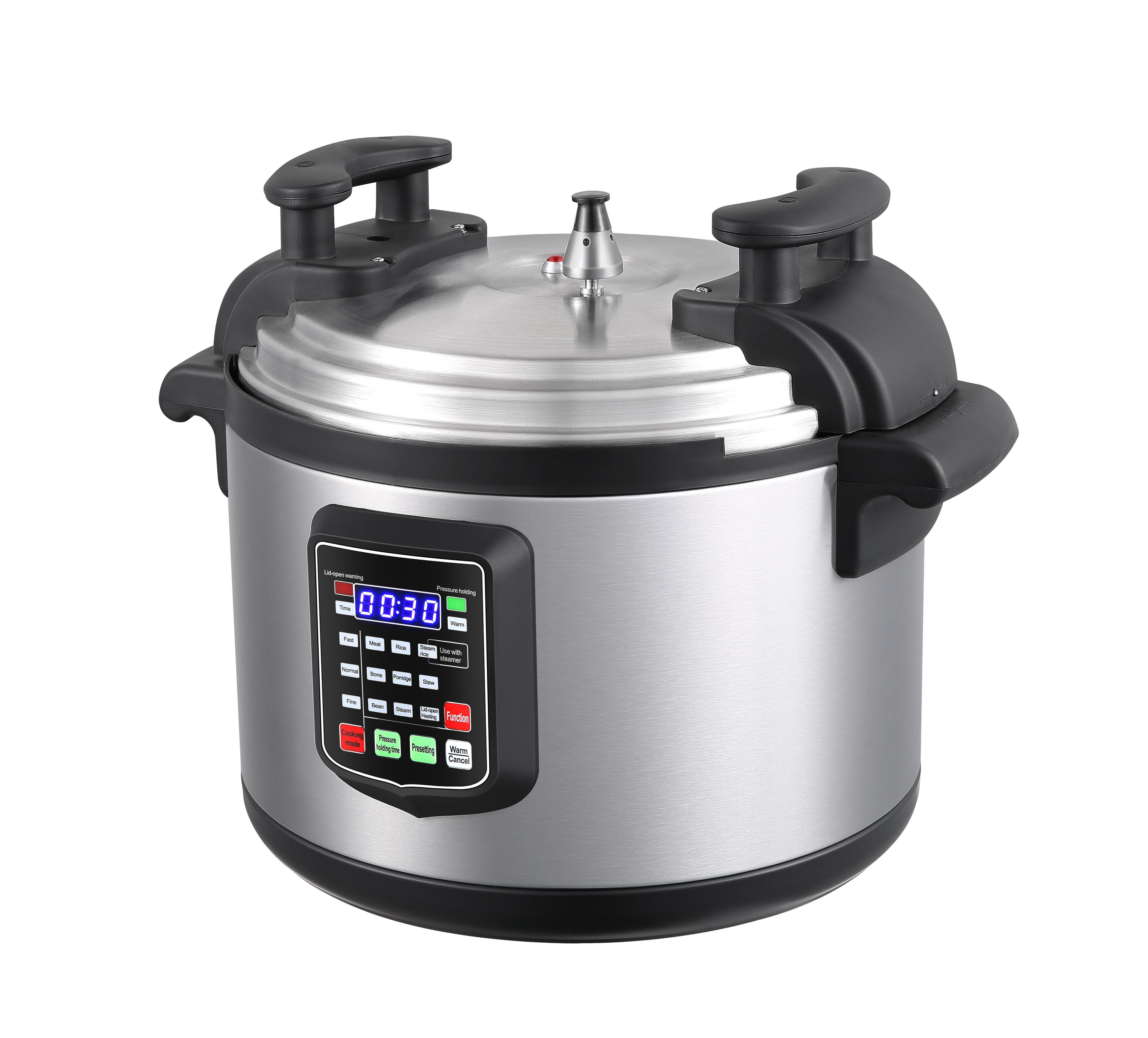
Are digital pressure cookers suitable for commercial use? Generally, no. Mechanical (stovetop) pressure cookers are preferred in commercial kitchens because they are more robust, easier to repair, and less prone to electronic failure in the high-heat, high-humidity environment of a professional line.
Recommendation for Selection
Before finalizing your purchase, audit your kitchen’s specific menu requirements. Determine the maximum batch size for your most frequently pressure-cooked items. Select a stainless steel, stovetop-compatible unit with a proven track record for spare parts availability (gaskets, valves, and handles). If your budget allows, prioritize models with a spring-loaded pressure regulator, as these are often quieter and more intuitive for staff than traditional weighted-jiggler valves. Ensure the unit is clearly marked as NSF-certified for food service use before placing your order.
Image Gallery