Charlie Lee and the Value of His Litecoin Holdings: A Historical Perspective
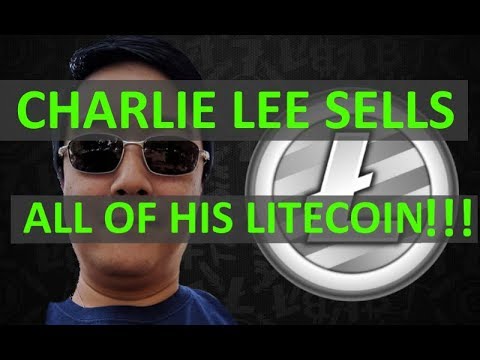
Charlie Lee, the creator of Litecoin (LTC), made the significant decision to sell or donate his entire personal stake in the cryptocurrency in December 2017. At the time of this divestment, Lee stated that his holdings created a confli...
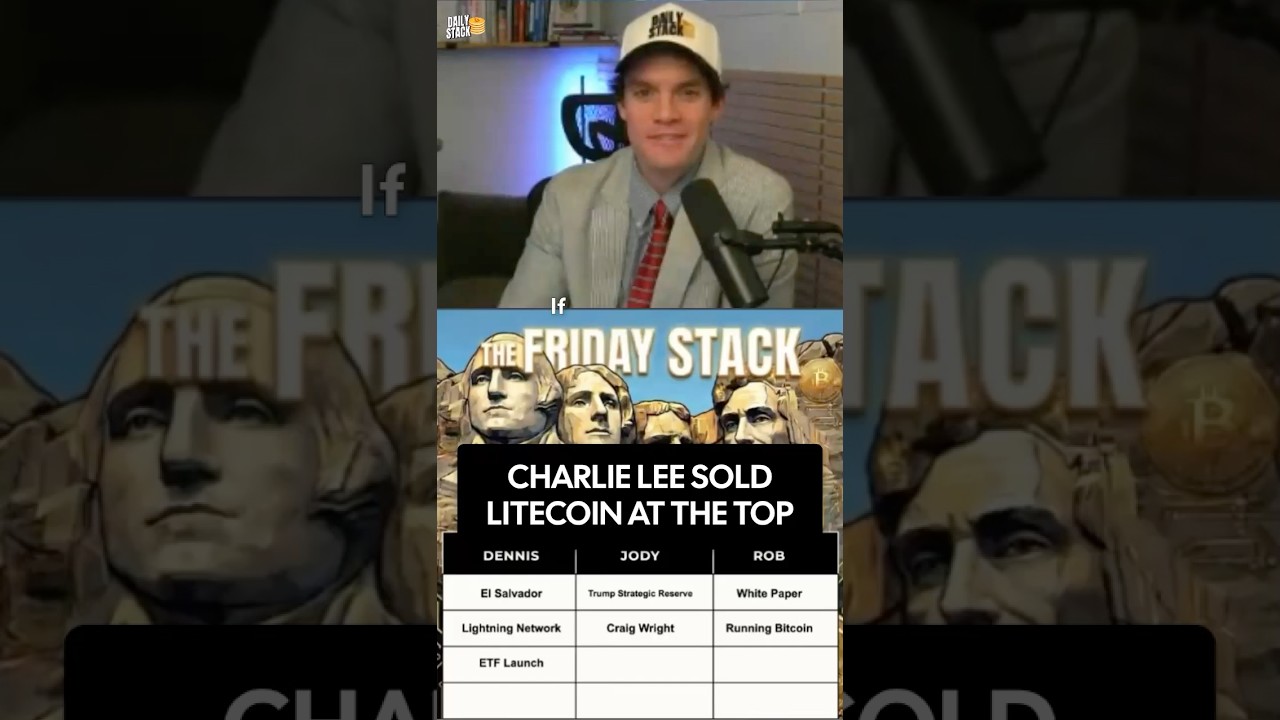
Charlie Lee, the creator of Litecoin (LTC), made the significant decision to sell or donate his entire personal stake in the cryptocurrency in December 2017. At the time of this divestment, Lee stated that his holdings created a conflict of interest, as his public commentary on price movements often caused accusations of market manipulation. Since that date, Lee has maintained that he no longer holds a significant position in the asset, though he continues to oversee the Litecoin Foundation’s development efforts.
Contents
The Rationale Behind the Divestment
To understand the current status of Charlie Lee’s relationship with Litecoin, one must look at the climate of the cryptocurrency market in late 2017. As Litecoin reached then-record highs, Lee became a prominent public figure on social media platforms, particularly X (formerly Twitter). He frequently commented on the market performance of LTC, leading to criticism from community members who argued that his influence as the project’s lead developer made his trading activities inherently biased.
In a candid announcement posted on Reddit on December 20, 2017, Lee detailed his decision to liquidate his position. He clarified that he had "sold and donated all his LTC," citing that the conflict of interest hindered his ability to speak freely about the project’s future without being scrutinized for personal financial gain. By removing his personal financial stake, Lee aimed to align his incentives solely with the long-term success of the Litecoin protocol rather than its short-term market valuation.
Impact on Market Perception and Decentralization
The decision to divest was widely interpreted as an attempt to enhance the decentralization of Litecoin. In the blockchain industry, a founder holding a massive supply of a token is often viewed as a central point of failure or an indicator of potential "pump and dump" schemes. By distancing himself from the financial upside of the asset, Lee sought to mitigate these concerns.
However, the market response was mixed. While many proponents viewed the move as an act of integrity, critics argued that a founder selling their own holdings signaled a lack of long-term confidence in the currency. In the years that followed, this event became a primary reference point for discussions regarding "founder accountability" and "ethical transparency" in decentralized finance (DeFi) and digital assets.
The Role of the Litecoin Foundation
While Charlie Lee divested his personal holdings, he remained the Managing Director of the Litecoin Foundation, a non-profit organization dedicated to the development and promotion of the Litecoin protocol. The Foundation operates independently of the currency's supply and is primarily funded through donations and partnerships rather than by Lee’s personal assets.
The separation between Lee’s personal net worth and the Foundation's treasury is a critical distinction for investors. The Foundation focuses on technical upgrades, such as the implementation of MimbleWimble (MWEB) for improved privacy and fungibility, and advocacy for merchant adoption. Investors analyzing the value of Litecoin today typically look to these technical milestones and macroeconomic trends rather than the personal portfolio of its founder, as Lee’s personal financial exposure remains ostensibly zero.
Financial Status and Market Influence in 2026
As of 2026, there is no evidence to suggest that Charlie Lee has re-entered the market as a primary holder of Litecoin. His public involvement is strictly limited to technical development and strategic advising. The value of Litecoin is now driven by its utility as a medium of exchange, its historical uptime, and its integration across various payment gateways, rather than by individual ownership concentration.
| Aspect | Status/Policy |
|---|---|
| Personal Holdings | Divested in December 2017 |
| Role at Foundation | Managing Director / Advisor |
| Primary Motivation | Avoiding conflicts of interest |
| Current Focus | Protocol development and adoption |
This transition has effectively turned Litecoin into a "community-led" asset in the eyes of many, distinguishing it from projects where the founders maintain substantial "pre-mined" or "developer-allocated" tokens.
Common Questions Regarding Founder Holdings
Does Charlie Lee’s 2017 sale mean Litecoin is a "dead" project?
No. In fact, the project has continued to function and evolve since 2017. The sale was a move intended to separate the founder’s personal finances from the protocol's reputation, not a commentary on the technical viability of the blockchain.
How does Lee support himself without holding Litecoin?
Charlie Lee is a former Google engineer and an early veteran of the cryptocurrency industry, having worked at Coinbase as the Director of Engineering before focusing full-time on Litecoin. His professional background and ongoing role within the Foundation are independent of his personal trading portfolio.
Can the community verify that Lee does not hold Litecoin?
Blockchain ledgers are transparent, but personal wallets are often obfuscated. While Lee has publicly stated he sold his holdings, there is no way for the public to definitively audit every private wallet address in existence. However, no evidence has surfaced since 2017 to contradict his public claims.
Is it common for founders to sell their holdings?
It is relatively rare for a founder to sell 100% of their holdings, but it is not unprecedented. Projects often choose to lock founder tokens in vesting schedules to prevent immediate liquidation. Lee’s decision is considered an outlier in terms of its total and immediate nature.
What should investors focus on instead of founder holdings?
Investors should analyze the protocol’s transaction volume, network security (hash rate), developer activity on platforms like GitHub, and adoption rates among merchants and payment processors.
Practical Considerations for Market Participants
For those interested in the current value and prospects of Litecoin in 2026, the focus should remain on the fundamentals of the network. Because Litecoin does not rely on the personal financial performance of its founder, the risk associated with "founder-led" volatility is lower compared to other digital assets.
When evaluating whether to engage with the Litecoin ecosystem, prioritize the following:
- Network Utility: Assess how often Litecoin is used as a peer-to-peer payment method compared to alternative cryptocurrencies.
- Technical Roadmap: Monitor the progress of the Litecoin Foundation regarding protocol upgrades and security enhancements.
- Regulatory Landscape: Stay informed on how jurisdictional financial authorities classify Litecoin, as this affects institutional adoption and liquidity.
Financial decisions regarding digital assets should always be handled with caution. The cryptocurrency market remains highly volatile, and regardless of a founder's divestment, investors must account for systemic risks, cybersecurity threats, and the potential for total loss of capital. If you are uncertain about the risks involved, consult with a qualified financial advisor who understands the nuances of digital asset classes.
Image Gallery