Understanding the Longhorn Investment Team: Private Lending, Loan Programs, and Real Estate Underwriting
The Longhorn investment team operates as a specialized private lending group that provides short-term hard money loans, asset-based underwriting, and deal structuring for real estate investors. Serving flippers, rental property owners,...
The Longhorn investment team operates as a specialized private lending group that provides short-term hard money loans, asset-based underwriting, and deal structuring for real estate investors. Serving flippers, rental property owners, and builders, the team evaluates property equity, manages rehab draw schedules, and structures capital solutions designed for rapid closing and property acquisition.
Contents
The Role of the Longhorn Investment Team in Private Lending
In private real estate finance, the lending team functions as the primary bridge between private capital and active real estate investors. Unlike traditional mortgage originators who rely strictly on consumer income ratios and standardized agency guidelines, a dedicated private lending team focuses heavily on the asset itself, its current market valuation, and the projected post-rehabilitation value.
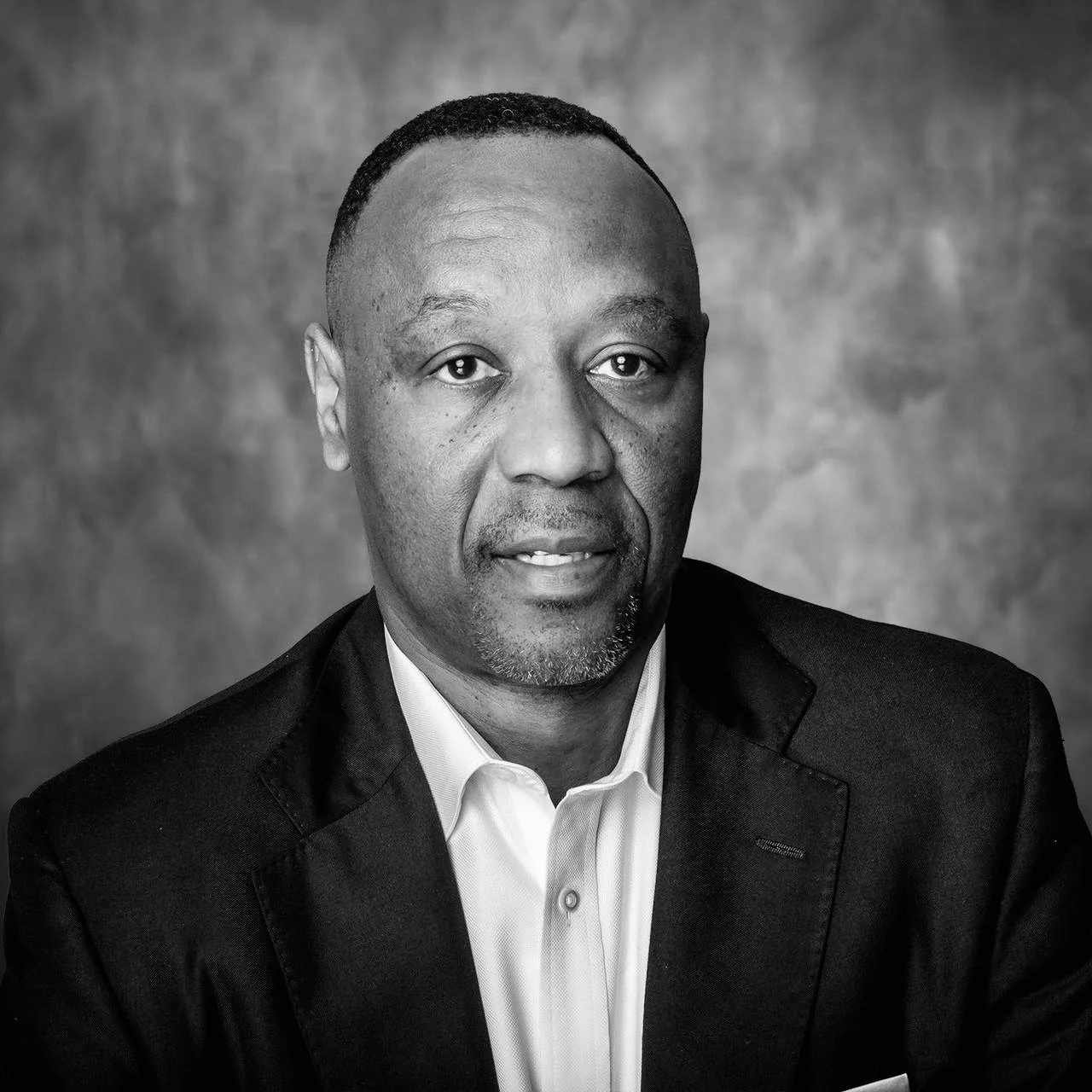
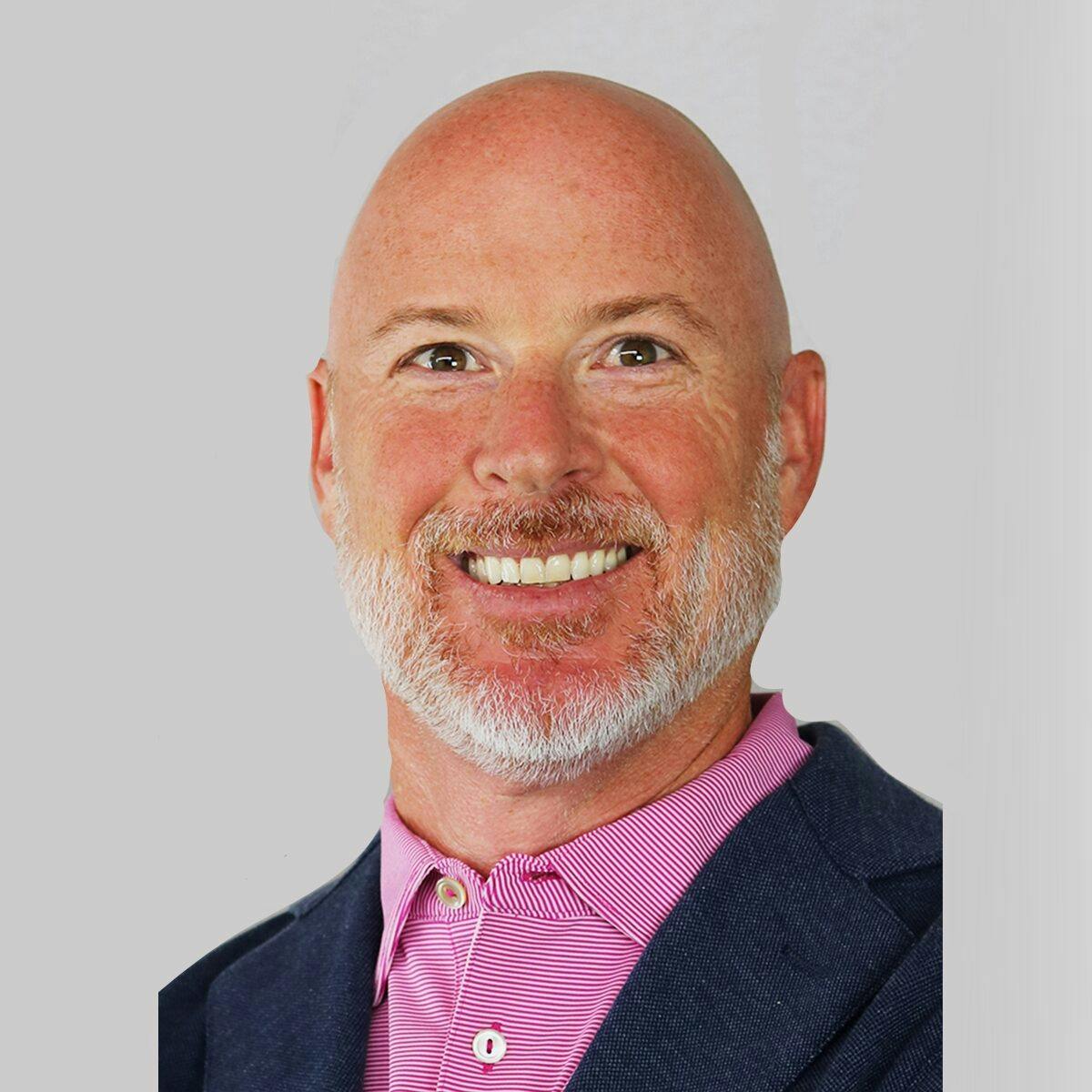
The Longhorn investment team includes account executives, loan originators, underwriters, project inspectors, and draw administrators. Each member fulfills a specific operational mandate to ensure that capital is deployed quickly while protecting the lender’s risk profile and the borrower’s project viability.
Who the Team Serves
- Fix-and-Flip Investors: Real estate rehabbers seeking short-term capital to purchase, renovate, and sell residential or small commercial properties.
- BRRRR Investors: Buy, Rehab, Rent, Refinance, Repeat investors who need temporary private capital to acquire and stabilize properties before securing long-term debt.
- Residential Builders: Developers building single-family homes or small infill infill projects requiring construction draw lines.
- Real Estate Wholesalers: Investors seeking transactional funding or double-closing capital for fast-turnaround contracts.
Core Operational Responsibilities
The primary objective of the team is balancing speed with rigorous asset management. The core operational functions include:
- Deal Intake and Initial Screening: Evaluating preliminary property details, purchase contract pricing, and estimated rehabilitation budgets to determine baseline feasibility.
- Valuation and Desk Underwriting: Assessing comparable sales (comps) within a tight geographic radius to verify After Repair Value (ARV) and baseline "As-Is" valuation.
- Title and Legal Coordination: Reviewing property titles, insurance policies, corporate entity documents (LLCs or Series LLCs), and lien positions to ensure clear title transfer.
- Rehab Budget Verification and Construction Oversight: Scrutinizing contractor bids and scope-of-work (SOW) documents to ensure funds allocated for repairs match local material and labor costs.
- Draw Schedule Management: Performing property inspections to release escrowed repair funds as construction milestones are completed.
Primary Loan Programs Managed by the Team
Private investment teams structure financial products based on the target asset class, hold period, and exit strategy. The following loan programs represent the core offerings typically administered by hard money lending teams.
- Longhorn Loan Structure Flow
- Fix & Flip Loan (6-12 Months Term)
- New Construction (12-18 Months Term)
- Asset-Based Underwriting
- Valuation (ARV / As-Is)
- Scope of Work
- Borrower Liquidity
- Closing & Draw Releases
- Initial Purchase Capital Funded
- Milestone Inspections
1. Fix-and-Flip Capital
Fix-and-flip loans represent short-term debt (typically 6 to 12 months) structured for investors purchasing distress-priced real estate requiring immediate capital expenditures.
- Capital Allocation: Funding typically covers up to 70–75% of the estimated After Repair Value (ARV) or up to 85–90% of total project cost (purchase price plus rehab budget).
- Repayment Terms: Monthly interest-only payments with a balloon principal payoff at maturity upon property sale or refinance.
- Rehab Escrow: Capital reserved for property renovations is held in escrow by the lender and disbursed via reimbursement draws following physical inspection.
2. Buy-and-Hold / BRRRR Transition Capital
For investors building rental portfolios, private lending teams provide bridge capital to execute the acquisition and rehab phases of the BRRRR strategy. Once the work is complete and a tenant is placed, the borrower transitions the short-term hard money loan into long-term Debt Service Coverage Ratio (DSCR) financing or conventional bank debt.
3. New Construction Financing
For ground-up single-family or small multi-family builds, the investment team underwrites land value, architectural plans, and builder credentials. Ground-up loans generally carry 12-to-18-month terms with structured construction draws aligned with major structural milestones (e.g., foundation, framing, rough-ins, final finishes).
4. Transactional and Bridge Loans
When time-sensitive opportunities arise—such as pre-foreclosure acquisitions or double-closing wholesale deals—the team provides ultra-short-term bridge funding. These loans focus almost exclusively on title clarity and immediate equity balance rather than long-term exit viability.
Step-by-Step Deal Approval and Loan Workflow
Working effectively with a private lending team requires understanding how a loan moves from application to final payoff. The loan workflow is designed to move significantly faster than institutional bank mortgages, often closing within 5 to 10 business days when documentation is complete.
- Pre-App & Property Intake
- Application
- Scope of Work
- Liquidity Proof
- Underwriting & Valuation
- Comps Review
- Site Inspection
- SOW Audit
- Term Sheet & Closing Prep
- Commit Letter
- Title Work
- Document Sign
- Closing & Draw Management
- Fund Purchase
- Site Inspections
- Draw Releases
Step 1: Application and Deal Submission
The borrower submits an online application detailing loan amount requested, target property address, purchase contract terms, borrower entity information, and personal financial statements showing sufficient liquidity for closing costs and initial project expenses.
Step 2: Property Evaluation and Scope of Work Audit
The team's underwriting division analyzes the property’s market location, historical sales, and physical condition. Simultaneously, an underwriter or third-party estimator evaluates the borrower's Scope of Work (SOW). The SOW must detail itemized expenses (roofing, plumbing, electrical, cosmetic finishes) along with estimated labor and material costs.
Step 3: Site Inspection and Title Review
A physical site evaluation or private appraisal is ordered to verify the current "As-Is" condition of the structure. Concurrently, the lender’s legal or closing team requests a title commitment to verify that no superior liens, back taxes, or ownership disputes exist that would jeopardize the lender's first-lien security position.
Step 4: Loan Structuring and Term Sheet Issuance
Once underwriting confirms the ARV and renovation budget, the team issues a formal Loan Commitment or Term Sheet detailing:
- Interest rate (typically fixed for the short-term duration)
- Origination points and administrative fees
- Initial fundings at closing (purchase capital) vs. repair reserves
- Required insurance coverages (builder’s risk, general liability, hazard)
Step 5: Closing and Initial Disbursal
Upon signature of loan documents, title insurance binder receipt, and proof of insurance, the loan closes. Funds are wired to the closing attorney or title company to complete the purchase.
Step 6: Construction Draws and Payoff
As repairs progress, the investor submits draw requests. An inspector verifies completed work on-site, after which the investment team releases funds from the draw escrow directly to the borrower. Upon final property sale or long-term refinance, the escrow agent wires principal payoff funds back to the lender, satisfying the promissory note and releasing the deed of trust or mortgage lien.
Private Lending Teams vs. Traditional Institutional Lenders
Understanding the structural differences between private hard money teams and conventional commercial banking departments highlights why real estate investors utilize private capital despite higher interest rates.
| Operational Metric | Private Lending Team (e.g., Longhorn) | Traditional Commercial Bank |
|---|---|---|
| Primary Underwriting Focus | Asset value, ARV, property equity, project margin | Borrower personal income (DTI), global cash flow, tax returns |
| Turnaround Time to Close | 5 to 10 business days | 30 to 60 business days |
| Rehab Capital Funding | Integrated draw schedules funded based on ARV | Rarely funded; requires separate credit lines or personal reserves |
| Borrower Credit Sensitivity | Flexible; bad credit acceptable if deal equity is strong | Strict; minimum credit scores and extensive debt-to-income checks |
| Doc Requirements | Entity papers, contract, SOW, proof of liquid funds | 2+ years tax returns, W-2s, full asset audits, personal guarantees |
| Loan Term Length | Short-term (6 to 24 months) | Long-term (5 to 30 years) |
| Prepayment Penalties | Often minimal or non-existent for short term | Frequently enforced on commercial real estate debt |
Key Underwriting Criteria and Borrower Requirements
Private lenders are asset-backed providers, but they still enforce specific underwriting parameters to mitigate capital risk. Borrowers must meet base metrics to secure funding approval.
- Core Underwriting Metrics
- Property Metrics
- Max LTV: 70-75% of ARV
- Maximum LTC: 85-90%
- Borrower Metrics
- Min Credit: 600
- Liquid Capital
- Track Record
- Entity (LLC)
- Property Metrics
Loan-to-Value (LTV) and Loan-to-Cost (LTC) Caps
Underwriters use two core risk metrics to cap leverage:
$$\text{Loan-to-Cost (LTC)} = \left( \frac{\text{Total Loan Amount}}{\text{Purchase Price} + \text{Rehab Budget}} \right) \times 100$$
$$\text{Loan-to-Value (LTV)} = \left( \frac{\text{Total Loan Amount}}{\text{After Repair Value (ARV)}} \right) \times 100$$
- Maximum ARV LTV: Usually capped between 70% and 75%. If a property's ARV is $300,000, total combined lending (purchase + rehab) generally will not exceed $210,000 to $225,000.
- Maximum LTC: Most programs require the borrower to contribute 10% to 15% of total project costs out-of-pocket, ensuring the investor maintains financial skin in the game.
Borrower Credit and Liquidity Requirements
While asset value dominates approval decisions, borrowers must demonstrate basic financial viability:
- Minimum Credit Score: Private lenders typically look for mid-credit scores of 600 to 620+. Higher credit scores often unlock lower origination fees and higher leverage ratios.
- Liquid Reserves: Investors must prove available liquid funds (checking accounts, savings, brokerage statements) sufficient to cover down payments, origination points, closing costs, insurance, interest payments for 3–6 months, and initial contractor draw expenses.
- Entity Structure: Hard money loans are almost exclusively commercial transactions extended to legal entities (LLC, S-Corp, Series LLC) rather than individuals, protecting the lender under commercial finance statutes.
Experience Tiering
Lending teams frequently tier interest rates and leverage ratios based on verifiable track record:
- Novice Borrowers (0–2 completed flips in 24 months): Lower maximum LTVs (e.g., 65–70% ARV), higher reserve requirements.
- Experienced Borrowers (3–9 completed flips): Standard competitive rates, up to 75% ARV.
- Premier/VIP Borrowers (10+ completed flips): Reduced origination points, priority processing, higher LTC allowances, and expedited draw disbursements.
Best Practices for Working with Private Capital Account Executives
To secure fast approvals and build a long-term capital pipeline with a private investment team, real estate investors should follow several strategic best practices:
1. Present Complete Deal Packages
Submitting partial documentation causes delays. A complete submission package should contain:
- Signed purchase and sale contract (including all addenda)
- Itemized Scope of Work with line-item contractor bids
- Proof of liquid funds matching closing costs and reserves
- Corporate entity documents (Certificate of Good Standing, Operating Agreement, EIN letter)
- Comparable sales analysis supporting the projected ARV
2. Accurately Estimate Rehab Budgets and Timelines
Underestimating repair costs or completion timelines is a frequent cause of project failure. Include a 10–15% contingency reserve in the initial scope of work to cover unexpected structural, electrical, or plumbing issues discovered after demo.
3. Maintain Clear Communication During Construction
Submit draw requests systematically with high-resolution photo or video documentation of completed milestones. Maintaining clear communication with the account manager and draw inspector ensures fast turnarounds when releasing capital reserves to contractors.
4. Develop a Defined Exit Strategy
Private capital is short-term debt. Investors must maintain a primary exit strategy (e.g., listing with a licensed real estate broker) and a secondary backup plan (e.g., refinancing into long-term DSCR debt if market conditions slow property sales).
Frequently Asked Questions
What does the Longhorn investment team specialize in?
The team specializes in providing short-term private capital and hard money financing for real estate investors. Key offerings include fix-and-flip financing, rental acquisition loans, new residential construction funding, and transactional bridge capital.
How quickly can a private lending team close a real estate loan?
When title work and deal documentation are complete, private lending teams can close loans within 5 to 10 business days. This speed allows real estate investors to compete against cash buyers on distressed market properties.
What is the maximum After Repair Value (ARV) percentage lenders offer?
Most private lenders cap maximum loan amounts at 70% to 75% of the appraised After Repair Value (ARV). The combined loan covers both property purchase costs and funded rehabilitation budgets within that cap.
Can first-time real estate investors work with private lending teams?
Yes. First-time investors can secure hard money financing if the property deal demonstrates strong equity margin and the borrower possesses sufficient liquid cash reserves for down payment requirements, closing fees, and initial construction costs. However, entry-level borrowers may receive slightly lower leverage caps than experienced investors.
How do draw schedules work for rehabilitation funds?
Rehabilitation funds are held in escrow at closing rather than disbursed upfront. As contractors complete specific project milestones (e.g., foundation repair, framing, sheetrock), the borrower submits a draw request. An inspector verifies the completed work, and the lender releases the corresponding escrow funds back to the borrower.
Are hard money real estate loans available for owner-occupied homes?
No. Private hard money lending teams operate in business-purpose commercial finance. Loans are extended strictly for non-owner-occupied investment properties, commercial projects, and residential real estate held for resale or rental income.
Strategic Guidance and Next Steps
For real estate investors evaluating private capital options, working with an experienced investment team offers speed and access to leverage that conventional banks cannot match. To optimize your private borrowing experience:
- Form Your Entity First: Establish a dedicated real estate LLC or Series LLC before making purchase offers.
- Audit Your Liquidity: Maintain verified liquid reserves covering 15% to 20% of your planned deal volume to cover closing costs, earnest money, down payments, and initial draw expenses.
- Build a Contractor Network: Obtain binding, line-item estimates from licensed contractors before submitting deal packages to underwriting.
- Engage the Lender Early: Pre-qualify with your private lending account executive before putting property contracts in escrow. Pre-qualification verifies your purchasing power and accelerates closing once a deal is under contract.
Disclaimer: Real estate financing involve significant financial commitments and risk. Interest rates, leverage limits, and approval terms vary depending on property location, borrower qualifications, and market conditions. Consult a qualified financial advisor, CPA, or real estate attorney before executing binding loan agreements.
Image Gallery