Understanding the Risks of Flesh-Eating Bacteria in Destin, Florida
When planning a coastal excursion to Destin, Florida, visitors often prioritize safety regarding currents and weather, yet awareness of biological hazards is equally vital. Rare but serious infections caused by Vibrio vulnificus—freque...
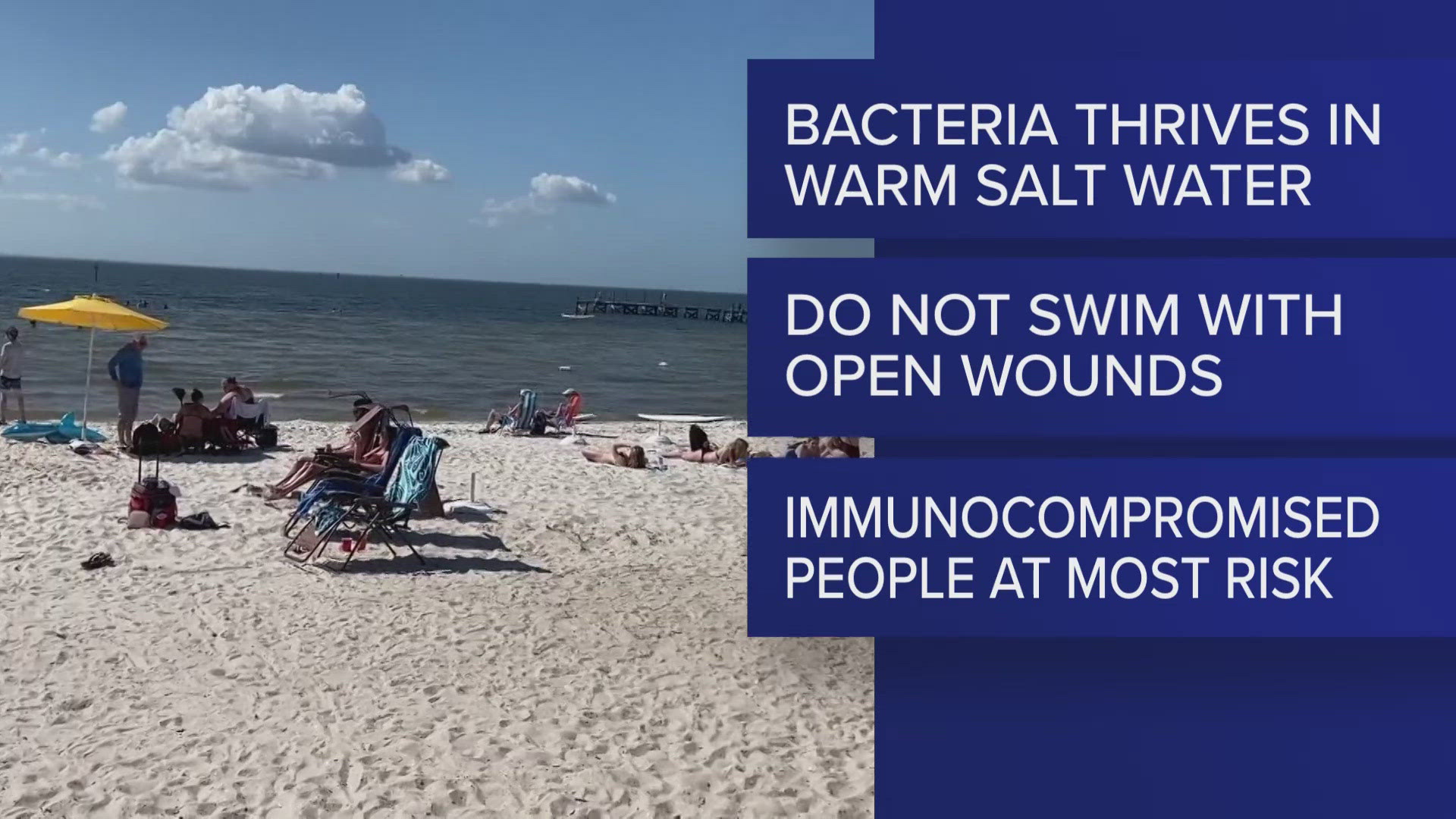
When planning a coastal excursion to Destin, Florida, visitors often prioritize safety regarding currents and weather, yet awareness of biological hazards is equally vital. Rare but serious infections caused by Vibrio vulnificus—frequently referred to as "flesh-eating bacteria"—can pose significant health risks to individuals with compromised immune systems or open wounds exposed to warm brackish or salt water. Understanding the environmental conditions that foster these bacteria, recognizing early symptoms, and practicing preventative hygiene are the most effective ways to enjoy the Emerald Coast safely.
Contents
The Reality of Vibrio in Gulf Waters
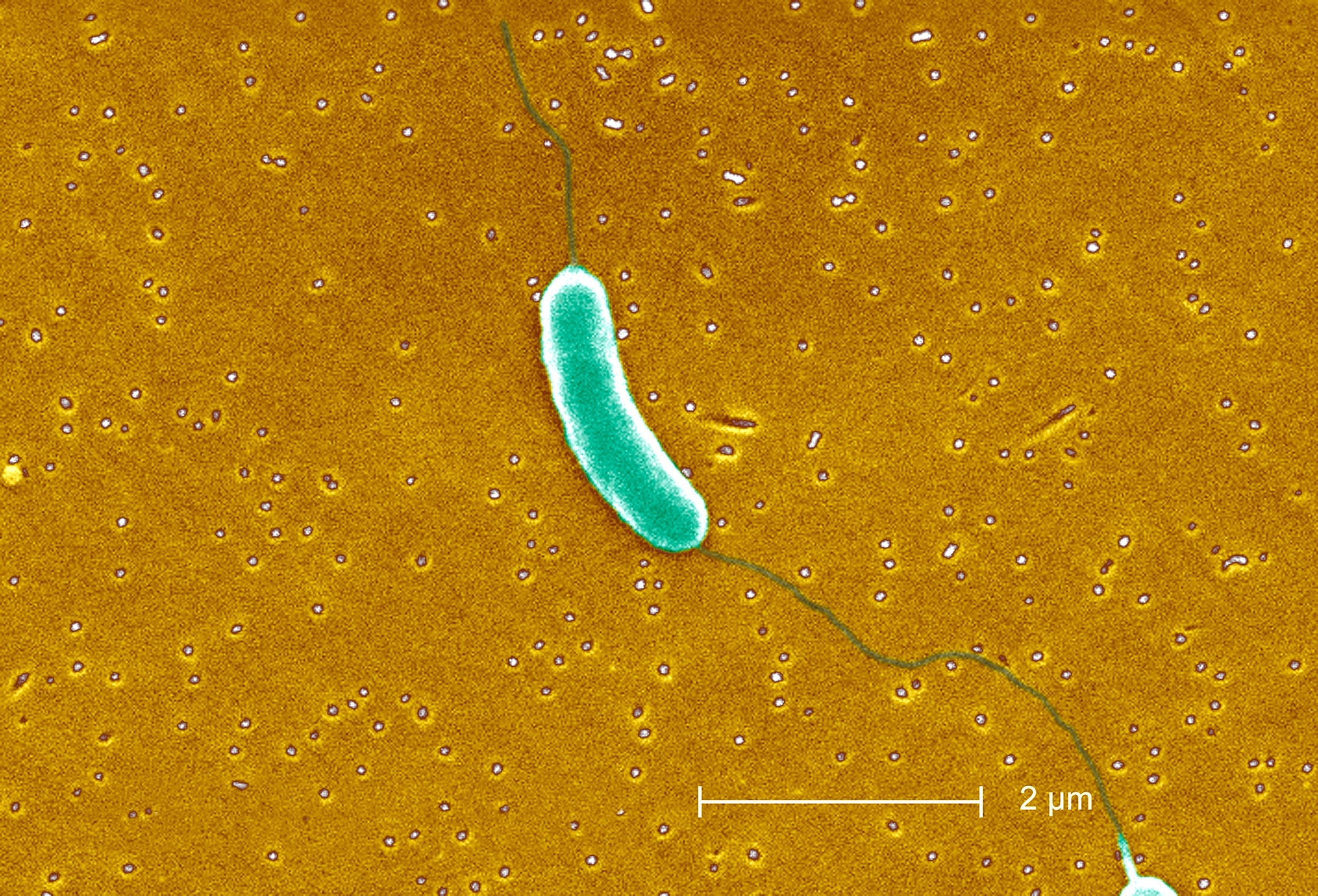
In the warm, saline-rich environment of the Gulf of Mexico, Vibrio species are naturally occurring bacteria. It is important to clarify that Vibrio vulnificus is not a "flesh-eating" bacterium in the colloquial sense of a contagion that spreads rapidly through casual contact. Instead, it is a pathogen that can cause primary septicemia or necrotizing fasciitis when it enters the human body through a break in the skin or via the ingestion of contaminated raw seafood.
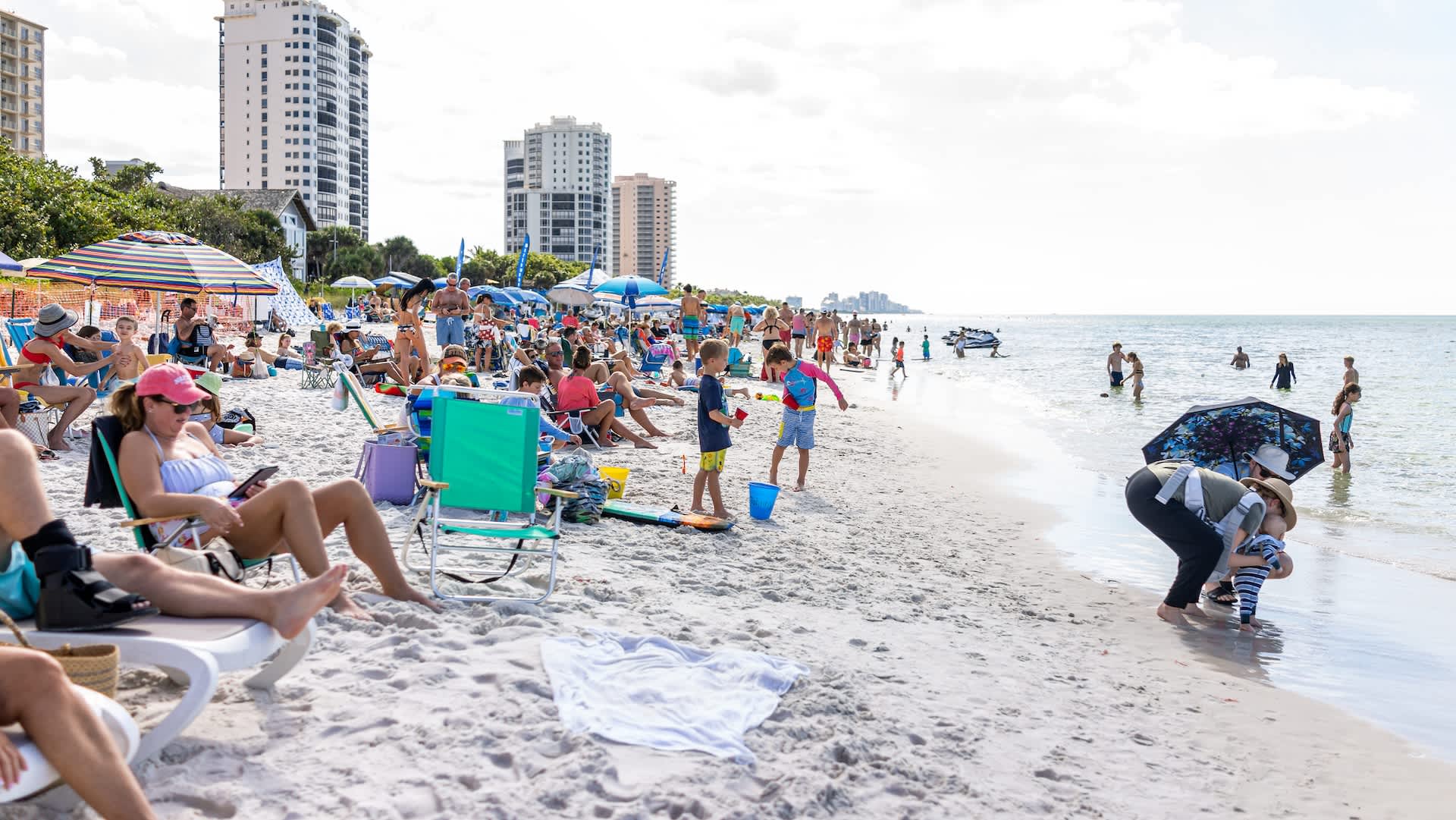
The bacteria thrive in water temperatures that typically range between 68°F and 95°F, which are common for the Florida Panhandle during late spring, summer, and early autumn. While thousands of people swim in Destin’s waters annually without incident, the risk profile changes drastically based on the health status of the individual. For a healthy person with intact skin, the risk of a life-threatening infection from simple immersion is statistically very low. However, for those with specific underlying health conditions, exposure can lead to rapid-onset, severe illness requiring immediate medical intervention.
Risk Factors and Vulnerable Populations
The primary danger of Vibrio vulnificus lies in its ability to overwhelm the immune system of susceptible individuals. The bacteria do not discriminate by age or gender, but they are significantly more dangerous to people with compromised biological defenses.
Key risk factors include:
- Liver Disease: This is the most significant risk factor. Individuals with cirrhosis, hepatitis, or other chronic liver conditions are at the highest risk for severe systemic infection.
- Diabetes: Impaired immune response and circulatory issues can hinder the body’s ability to combat the bacteria if it enters the bloodstream.
- Immune-Compromising Conditions: Cancer patients undergoing chemotherapy, individuals with HIV/AIDS, or those taking immunosuppressive medications are at increased risk.
- Open Wounds: Any break in the skin—including fresh piercings, surgical incisions, or even minor scrapes sustained while walking on the beach or near jetties—provides a direct pathway for the bacteria.
Recognizing Symptoms and Seeking Immediate Care
Early detection is the single most critical factor in successful treatment. If you have been swimming in the Gulf of Mexico and notice unusual skin changes, you must not adopt a "wait and see" approach.
Symptoms of a wound infection caused by Vibrio include:
- Rapid Redness and Swelling: Inflammation that spreads quickly away from the site of the original wound.
- Intense Pain: Disproportionate pain compared to the appearance of the wound.
- Blistering: The development of fluid-filled blisters (bullae) that may contain clear, red, or dark fluid.
- Systemic Signs: Fever, chills, dizziness, or a rapid drop in blood pressure are indicators that the infection may be entering the bloodstream, which is a medical emergency.
If you suspect an infection, seek care at an urgent care facility or emergency department immediately. Inform the medical staff clearly that you have had recent exposure to saltwater in the Florida Gulf, as this allows them to consider Vibrio as a potential cause, which requires specific antibiotic protocols distinct from standard staph or strep treatments.
Comparative Risk Assessment: Myth vs. Fact
To better navigate these risks, it is helpful to understand how Vibrio compares to other common concerns found in coastal environments.
| Factor | Vibrio vulnificus | General Staph Infections | Sunburn/Dehydration |
|---|---|---|---|
| Primary Route | Open wound or ingestion | Direct skin-to-skin contact | UV exposure |
| Onset Speed | Very rapid (hours) | Moderate (days) | Immediate to 24 hours |
| Primary Risk Group | Immune-compromised | General population | Everyone |
| Typical Severity | High (potentially fatal) | Moderate (manageable) | Low (preventable) |
Practical Prevention Strategies for Beachgoers
Prevention is based on the principle of minimizing the interaction between vulnerable tissue and the marine environment. If you are planning a trip to Destin, follow these safety guidelines to mitigate your exposure:
- Cover Wounds: If you have an open cut, a scrape, or a healing incision, waterproof bandages or avoiding water entry entirely is the safest course of action. Do not rely on "liquid bandage" products to provide an impenetrable seal in saltwater.
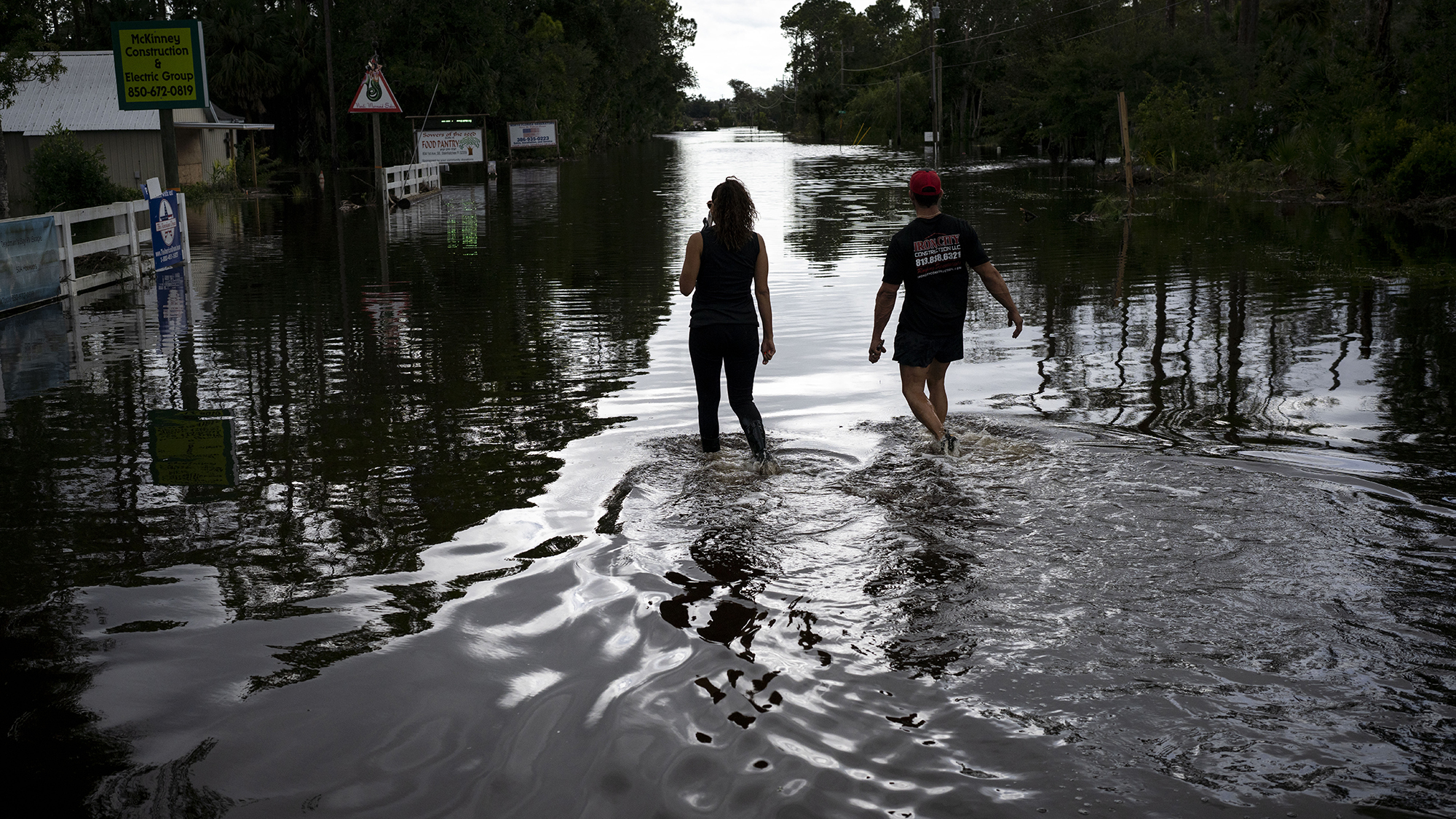
- Monitor Water Conditions: While authorities do not typically close beaches for Vibrio, they may issue advisories during periods of extreme heat or following heavy rainfall, which can alter the salinity and bacterial load of near-shore waters.
- Avoid Raw Shellfish: While Vibrio is often discussed in the context of swimming, a significant percentage of severe infections result from eating raw or undercooked oysters and other shellfish. In warmer months, ensure all seafood is cooked thoroughly to an internal temperature of at least 145°F.
- Practice Good Hygiene: Rinse off thoroughly with fresh water and soap after leaving the beach. This helps remove debris and lingering bacteria from the skin surface.
Frequently Asked Questions
1. Is it safe to swim in Destin if I have a small papercut? Small, fresh cuts should be covered with a waterproof bandage. If the cut is on a limb that will be submerged for extended periods, or if you have an underlying condition like diabetes, it is safer to stay out of the water until the wound has sealed.
2. Does the state of Florida monitor Vibrio levels at beaches? The Florida Department of Health monitors environmental water quality, but they focus primarily on Enterococcus bacteria, which are indicators of fecal contamination. Vibrio is naturally occurring and fluctuates based on water temperature, making it a constant environmental presence rather than a pollution-based event.
3. If I get an infection, is it definitely a "flesh-eating" bacteria? No. Many skin infections from water are caused by common bacteria like Staphylococcus aureus. However, because Vibrio moves quickly, medical professionals treat all suspicious, fast-moving skin infections in the Gulf region with high urgency.
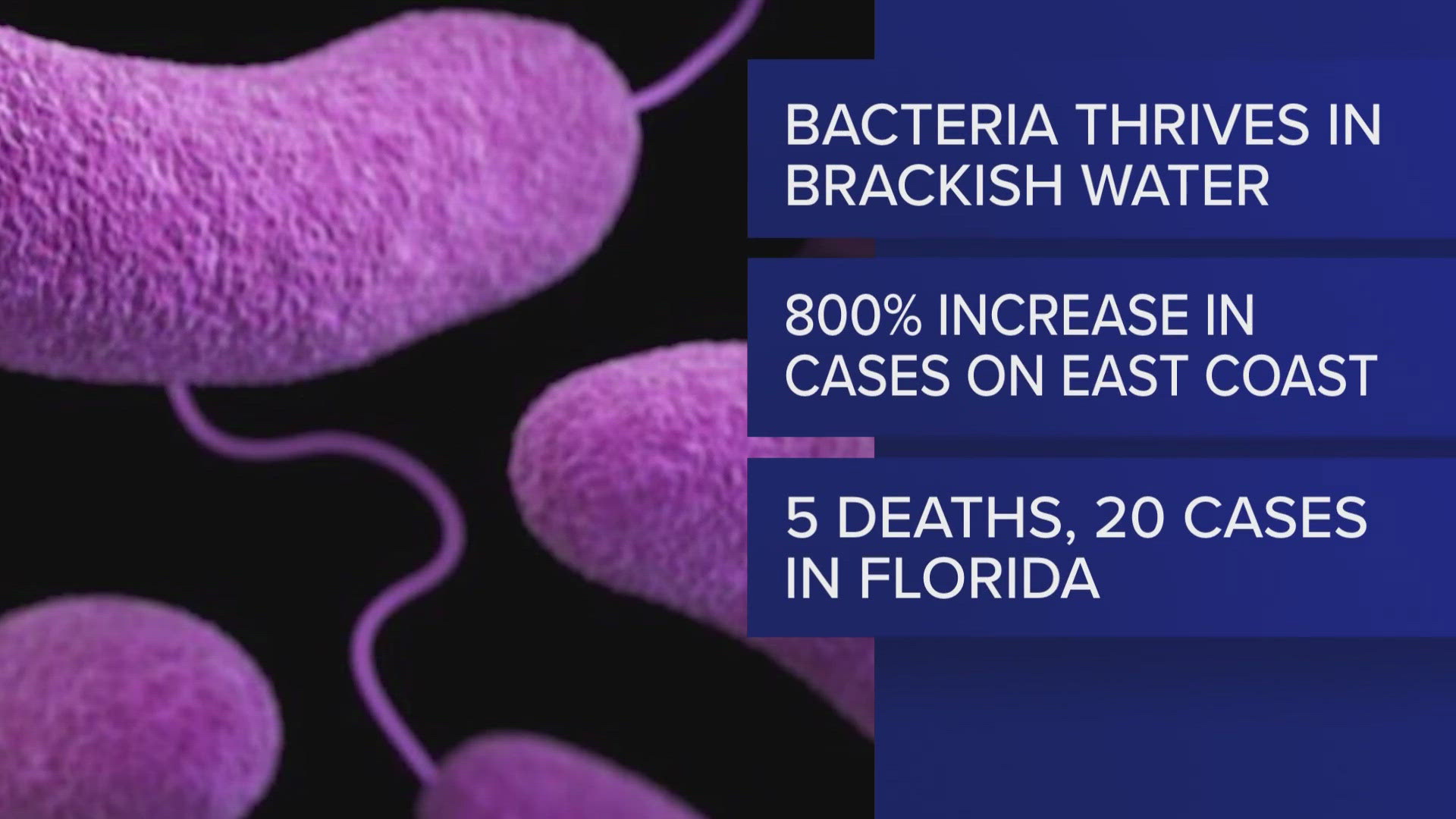
4. Are there specific areas in Destin more prone to this bacteria? Vibrio prefers areas with lower salinity and warmer temperatures. While the open Gulf has higher salinity, brackish areas, marshes, or stagnant water near jetties can have higher concentrations of bacteria compared to the open, crashing surf.
5. How long does it take for symptoms to appear? If a wound infection occurs, symptoms often begin within 12 to 72 hours of exposure. Because the progression can be aggressive, early symptoms such as rapidly spreading redness should be addressed the same day they appear.
Next Actions for Travelers
Before your trip to Destin, assess your personal health profile. If you have conditions that impact your immune system, consult your physician about your comfort level with ocean exposure. Upon arrival, pay attention to any localized health advisories posted by local government authorities. Most importantly, prioritize the use of waterproof barriers for any skin breaks and enjoy the coastline with a proactive, informed approach to your physical safety.
Image Gallery