Understanding Charles Electrics Services in California
Charles Electrics represents a specialized segment of the electrical contracting industry in California, focusing on residential and commercial infrastructure, system maintenance, and compliance with the state's stringent energy codes....
Charles Electrics represents a specialized segment of the electrical contracting industry in California, focusing on residential and commercial infrastructure, system maintenance, and compliance with the state's stringent energy codes. Understanding these services requires navigating the intersection of California’s unique Title 24 building standards, local municipal permitting processes, and the specific operational scope of licensed electrical service providers operating within the state’s regulatory framework.
Contents
The Regulatory Landscape of Electrical Services in California
In California, electrical services are governed by a robust framework designed to ensure public safety, energy efficiency, and grid reliability. Any entity operating under the brand or designation of "Charles Electrics" must, at a minimum, hold a C-10 Electrical Contractor license issued by the Contractors State License Board (CSLB).
This license is the foundational requirement for performing electrical work—including wiring, installation, and repair—that exceeds the cost threshold of $500 in labor and materials. When engaging with an electrical service provider in California, verifying their licensure is the most critical step for a consumer. The CSLB provides a public portal where verification of the license status, business entity type, and any history of disciplinary action can be performed.
California Title 24 and Energy Standards
One of the most complex aspects of electrical work in California is the compliance with Title 24, Part 6, of the California Code of Regulations. These standards dictate high-performance requirements for lighting systems, solar-ready roofs, and energy storage systems. Electrical service providers are expected to integrate these requirements into their project designs. For residents or business owners, this means that simple electrical upgrades may require specific documentation, energy audits, or specialized lighting controls to meet current legal mandates.
Core Service Offerings in the California Market
Electrical services categorized under the "Charles Electrics" name typically revolve around three primary operational areas. Understanding these distinctions helps in determining which type of service is required for a specific project.
1. Residential Troubleshooting and Upgrades
Residential services often address the aging infrastructure of older California homes. This includes panel upgrades, the installation of EV (Electric Vehicle) charging stations—a high-demand service given California’s ZEV (Zero Emission Vehicle) regulations—and the transition from knob-and-tube wiring to modern, grounded systems. Troubleshooting flickering lights, tripping breakers, or inadequate power supply for modern appliances remains a staple of these service providers.
2. Commercial and Industrial Maintenance
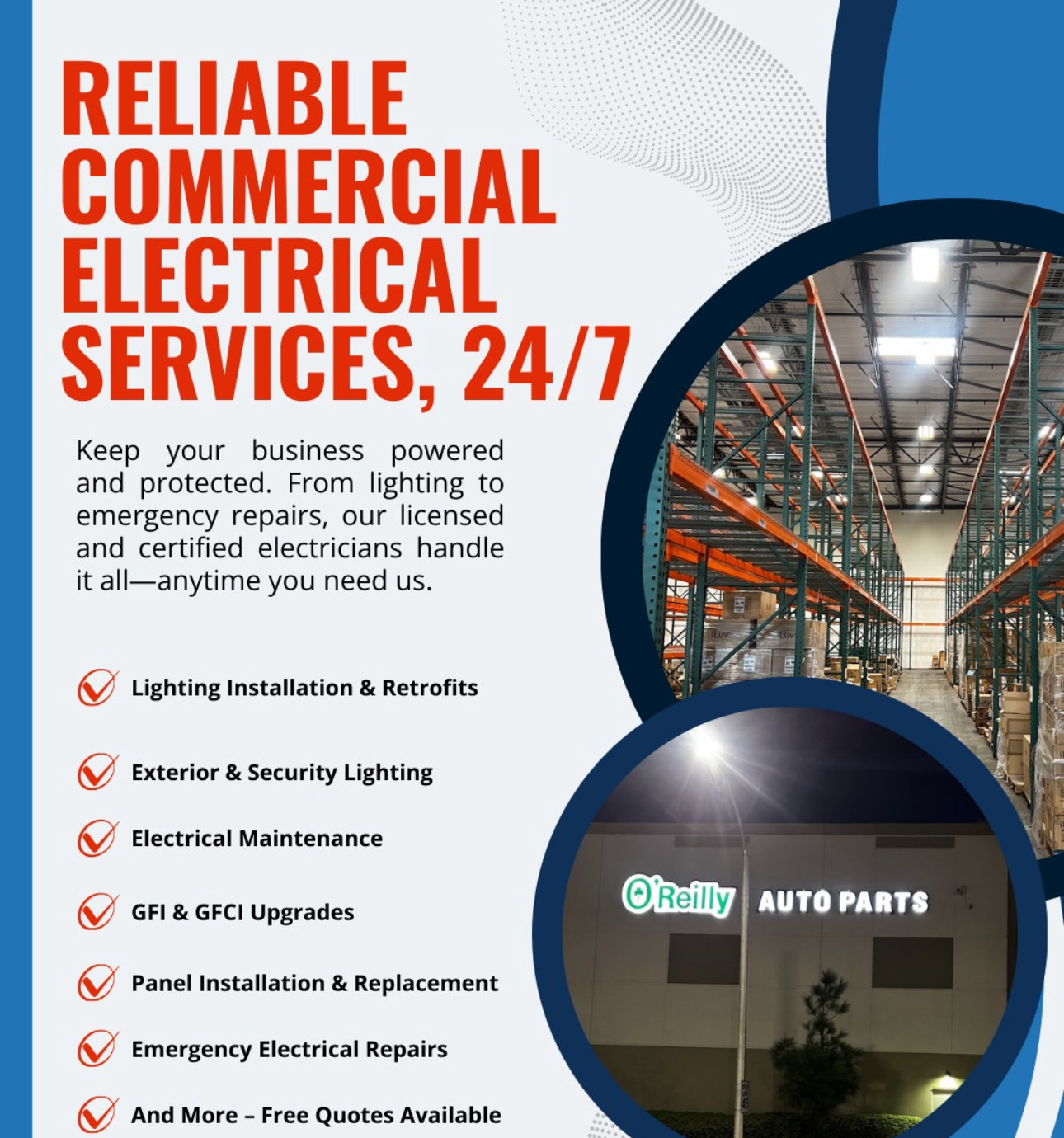
Commercial work involves larger-scale infrastructure, such as three-phase power systems, commercial lighting retrofits (often involving LED conversions to comply with California’s energy mandates), and emergency lighting systems. These services are often scheduled as preventative maintenance contracts to ensure that businesses remain compliant with local fire and life safety codes, which are frequently enforced by local fire marshals.
3. Sustainable Technology Integration
California leads the nation in renewable energy adoption. Consequently, electrical service providers are increasingly tasked with installing battery storage solutions, such as the Powerwall, and integrating residential solar arrays with existing grid-tied electrical systems. These tasks require not only an electrical license but often manufacturer-specific certifications to maintain warranties and safety standards.
Comparison of Service Scopes and Requirements
To navigate the options available when seeking electrical services, it is helpful to categorize the project requirements. The following table outlines how standard electrical services align with California regulatory and technical needs.
| Service Category | Typical Complexity | Regulatory Focus | Licensing Requirement |
|---|---|---|---|
| General Repair | Low | Safety / Building Codes | C-10 Required |
| EV Charger Install | Moderate | NEC/Title 24 Load Calc | C-10 Required |
| Solar/Battery Storage | High | Grid Interconnection | C-10 + Specialty |
| Commercial Retrofit | High | Title 24 Energy Code | C-10 + Engineering |
Navigating Permitting and Inspection Processes
In California, almost every significant electrical project requires a permit from the local building department. The "Charles Electrics" service model generally includes managing the administrative burden of these permits. A standard workflow for a professional electrical service involves:
- Site Assessment: A licensed technician evaluates the existing electrical load and determines if the main service panel can support the proposed modifications.
- Permit Filing: The contractor submits plans to the local Authority Having Jurisdiction (AHJ), such as a city or county building department.
- Execution: The work is performed in accordance with the National Electrical Code (NEC) as amended by California’s state-specific standards.
- Inspection: Once the work is complete, a city or county inspector reviews the installation to ensure it meets safety standards before the permit can be closed.
Skipping the permit process is a significant risk for property owners. Unpermitted electrical work can void home insurance policies, complicate future real estate transactions, and pose a severe fire risk.
Common Challenges and Troubleshooting
Property owners often face issues that require professional intervention. Recognizing these symptoms early can prevent catastrophic failures.
- Panel Capacity Limits: As homes add more electronics and appliances, older 100-amp panels often become insufficient. A service provider will perform a load calculation to determine if a 200-amp upgrade is necessary.
- Aluminum Wiring Hazards: Homes built between the mid-1960s and early 1970s may contain aluminum branch circuit wiring, which is prone to connection failures. Specialized repairs or full re-wiring may be required.
- Grounding and Bonding: Proper grounding is essential for protecting sensitive electronics and preventing electrocution. Modern codes are much stricter regarding the requirement for GFCI (Ground Fault Circuit Interrupter) and AFCI (Arc Fault Circuit Interrupter) breakers in various rooms of the home.
Frequently Asked Questions
How do I verify the credentials of an electrical provider in California? You should visit the official website of the Contractors State License Board (CSLB) and use the "License Check" tool. Enter the company name or license number to confirm the license is active and held by the individual or entity performing the work.
Does installing an EV charger require a permit in my city? Yes, in nearly all jurisdictions in California, the installation of a hardwired EV charging station requires an electrical permit. This ensures that the circuit can handle the continuous load without overheating the panel.
What is the difference between an electrician and an electrical contractor? An electrician is an individual who has completed training and often holds a state certification card. An electrical contractor is a business entity licensed to bid on and execute projects. Ensure you are hiring a licensed contractor to protect your liability.
How often should I have my electrical system inspected? While there is no legal mandate for periodic residential inspections, it is professional practice to have an assessment every 10 years, or whenever you are planning a significant renovation or adding major appliances.
Are solar installations covered by standard electrical services? Many electrical contractors are qualified for solar, but you must ensure the provider has experience with the specific interconnection requirements of your local utility company (such as PG&E, SCE, or SDG&E).
Recommendation for Next Actions
If you are currently evaluating the services of a firm like Charles Electrics, begin by defining the scope of your project clearly. If the project involves new equipment or major modifications, request a written estimate that explicitly includes the cost of permitting. Avoid any contractor who suggests that "permits are unnecessary" or asks for payment entirely in cash upfront. Ensure all proposals detail the scope of work, the expected timeline, and a clear warranty on labor, which is standard practice for reputable California electrical service providers. If you are dealing with an emergency, such as burning odors or total power loss, contact a licensed professional immediately and prioritize safety by shutting off the main breaker if it can be done safely.
Image Gallery