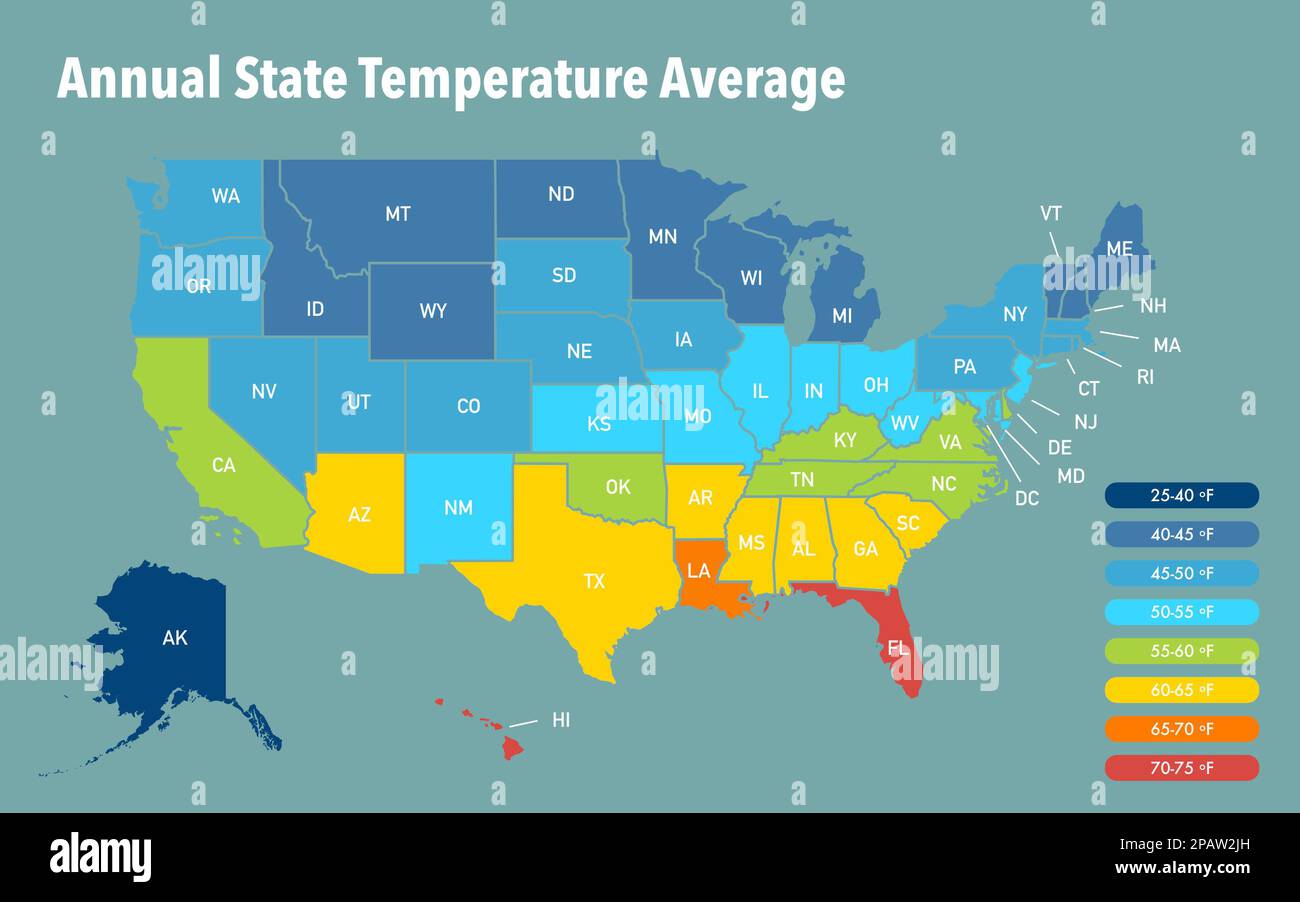
Understanding the Average Temperature in Juneau, Alaska in May
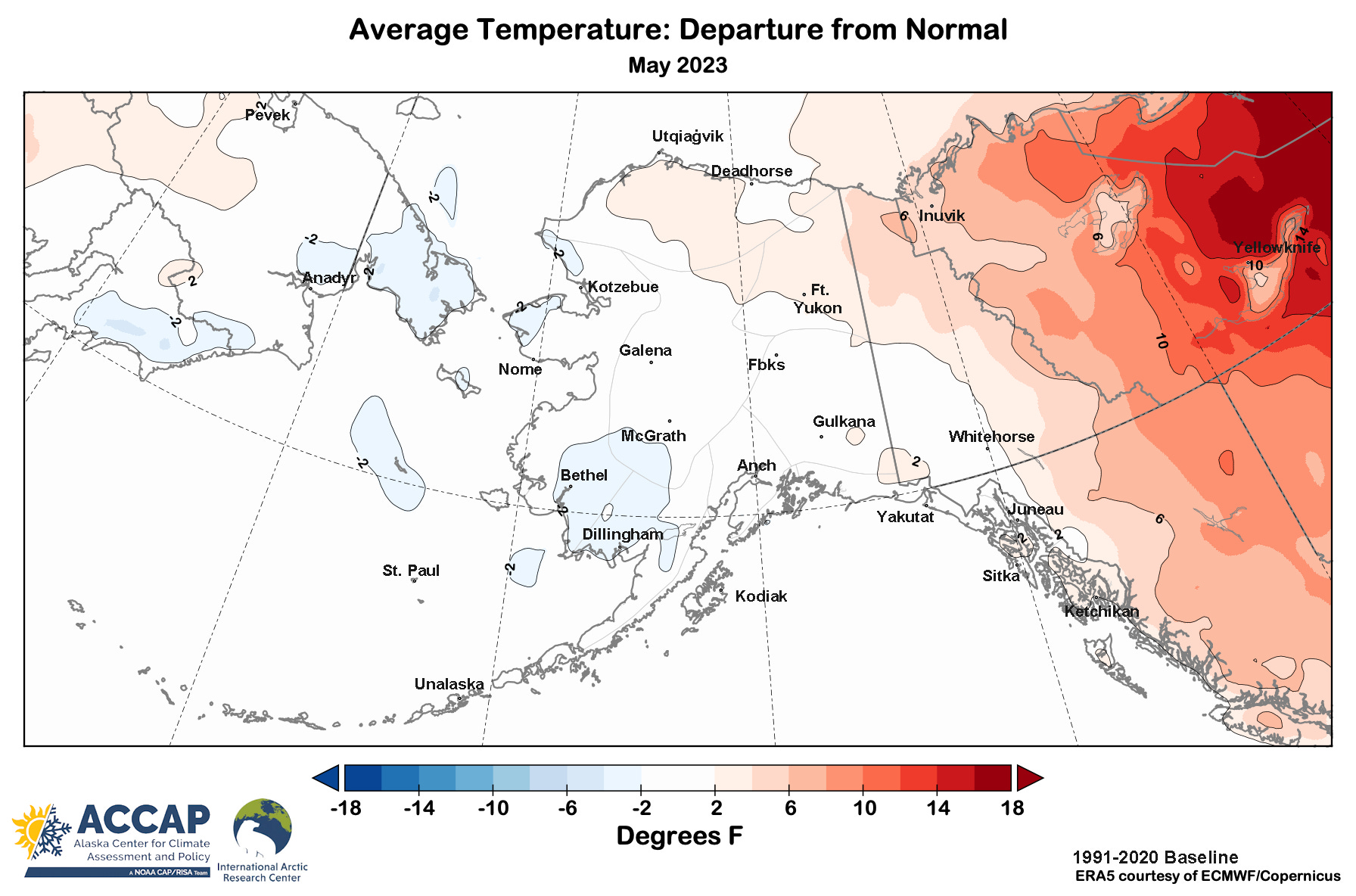
In May, Juneau, Alaska, experiences a transition from late spring into early summer, characterized by average daily high temperatures of 55°F (13°C) and average low temperatures of 39°F (4°C). As the days lengthen significantly, the ci...
In May, Juneau, Alaska, experiences a transition from late spring into early summer, characterized by average daily high temperatures of 55°F (13°C) and average low temperatures of 39°F (4°C). As the days lengthen significantly, the city begins to thaw, though visitors should remain prepared for variable weather conditions, including rain showers and lingering cool maritime breezes.
Contents
The Climate of Southeast Alaska in Spring
Juneau is located in the Tongass National Forest region, a temperate rainforest environment. Because of this, the climate is heavily influenced by the proximity to the Pacific Ocean and the surrounding mountains. By the time May arrives, the harsh winter conditions have largely subsided, but the region does not experience a sudden jump into summer heat. Instead, May is a period of gradual warming.
The maritime influence keeps temperature fluctuations relatively moderate compared to interior Alaska. You will rarely encounter extreme heat or bitter cold during this month. However, the "average" temperature can be misleading; local topography means that conditions at sea level—such as in downtown Juneau or at the Mendenhall Glacier visitor area—can differ significantly from the conditions at higher elevations or in more secluded valleys.
Breaking Down May Temperature Data
To better understand what to expect during a visit or project planning in May, it is helpful to look at the historical data provided by the National Weather Service (NWS) for the Juneau International Airport. These figures serve as the baseline for the region:
- Average High: 54°F to 56°F (12°C to 13°C). These temperatures typically occur during the mid-to-late afternoon hours when the sun is at its highest point.
- Average Low: 38°F to 40°F (3°C to 4°C). These temperatures are most common during the early morning hours, often just before sunrise.
- Record Highs: Historically, some May days have reached into the mid-70s°F (24°C), though these are outliers rather than the norm.
- Record Lows: Conversely, frost is still possible, with historical records showing dips into the mid-20s°F (-4°C).
Environmental Factors Impacting Your Experience
When assessing the temperature in Juneau, one must also account for secondary factors that influence "feels-like" temperatures.
Precipitation and Humidity
May is statistically one of the drier months in Juneau compared to the wetter autumn and winter seasons. However, the city remains a rainforest. You should anticipate intermittent rain showers. When combined with the average temperatures, damp air can make the environment feel colder than the thermometer indicates. Waterproof outerwear is essential for maintaining body warmth, as moisture draws heat away from the skin.
Daylight Hours
One of the most dramatic changes in May is the increase in photoperiod. By the end of May, Juneau experiences over 17 hours of daylight. While this does not necessarily mean higher temperatures, the direct solar radiation during long, clear afternoons can make it feel much warmer, especially if you are engaged in physical activity like hiking or glacier trekking.
Wind Chill
Because Juneau is situated along the Gastineau Channel, wind is a constant presence. A breeze coming off the water, particularly when the air temperature is in the low 40s°F, can create a wind chill effect. This is particularly relevant for those planning boat tours or spending extended periods on the docks or near the glaciers.
Comparison of May Conditions
The following table provides a general comparison of how May stacks up against the surrounding months to give you a clearer picture of the seasonal progression.
| Month | Avg High (°F) | Avg Low (°F) | Typical Precipitation |
|---|---|---|---|
| April | 48°F | 34°F | Moderate |
| May | 55°F | 39°F | Low-Moderate |
| June | 61°F | 45°F | Moderate |
Preparation and Gear Recommendations
Given the range of temperatures in May, the most effective strategy is a "layered" approach. Because the temperature can shift as you move from the protected areas of the city to the exposed face of the Mendenhall Glacier, having a system that allows you to add or remove insulation is critical.
- Base Layer: Moisture-wicking synthetic or merino wool fabrics are preferable to cotton, which retains moisture and will keep you cold if you sweat or get caught in a light rain.
- Mid-Layer: A fleece or light down jacket provides the insulation needed to trap body heat against the 40°F to 55°F ambient temperatures.
- Outer Shell: A windproof and waterproof rain jacket is the most important item in your wardrobe. Even if the forecast calls for sun, Juneau’s weather is notoriously localized and can change within minutes.
- Footwear: Waterproof hiking boots or sturdy, water-resistant shoes are highly recommended. Trails may still be muddy from the spring melt.
Frequently Asked Questions
Is it warm enough to swim in Juneau in May? No, the water temperatures in the Gastineau Channel and surrounding fjords remain near-freezing year-round due to glacial melt. Even in May, immersion without professional-grade dry suits is dangerous and carries a high risk of cold-water shock.
Will I see snow in Juneau in May? At sea level, snow is rare in May. However, at higher elevations, such as on the trails leading to the Mount Roberts Tramway or near the top of the glaciers, snowpack often persists through the month. If you plan to hike above 1,500 feet, expect to encounter slushy or icy conditions.
Does the cruise ship season impact weather availability? The cruise ship season in Juneau typically begins in May. While the weather does not change based on tourism, the infrastructure for outdoor activities—such as whale watching tours, glacier helicopter excursions, and shuttle buses—is fully operational by May, allowing you to access varied temperature zones more easily.
Is the temperature consistent throughout the city? Generally, yes, but areas closer to the ocean or near active glaciers will be cooler. If you are venturing away from the downtown area, expect the temperature to drop by 3°F to 5°F as you move toward the glacier fields or higher into the mountains.
What is the best time of day to go outside? The warmest part of the day in May is typically between 2:00 PM and 5:00 PM. This is the optimal window for outdoor photography or walking tours to take advantage of the peak temperatures and the high position of the sun.
Summary and Recommendation
May in Juneau is a delightful time to visit, offering the benefit of fewer crowds compared to the peak summer months of July and August. While the average temperature of 55°F (high) and 39°F (low) requires planning and appropriate clothing, the weather is stable enough to allow for a full range of Alaskan experiences.
For the best experience, prioritize booking your outdoor excursions for the mid-afternoon hours, and always keep a rain shell in your day pack. By planning for a cool, damp environment, you ensure that the modest temperatures of May do not interfere with your ability to enjoy the unique geography of Southeast Alaska.
Image Gallery