The Lactose Intolerance Smile Squad: A Comprehensive Guide to Management and Community in 2026
The Lactose Intolerance Smile Squad represents a global community and lifestyle movement dedicated to navigating life with lactase deficiency without sacrificing culinary joy. By combining peer support, 2026-era nutritional technology,...
The Lactose Intolerance Smile Squad represents a global community and lifestyle movement dedicated to navigating life with lactase deficiency without sacrificing culinary joy. By combining peer support, 2026-era nutritional technology, and evidence-based management strategies, the squad empowers individuals to enjoy dairy-centric experiences through precision enzymes, plant-based innovations, and informed dietary choices.
Contents
Understanding the Lactose Intolerance Smile Squad Phenomenon
The Lactose Intolerance Smile Squad emerged as a digital-first collective of individuals who refuse to let digestive limitations dictate their social lives or palate. In 2026, this "squad" has evolved from a simple social media meme into a structured philosophy of dietary management. It prioritizes the "smile"—representing the maintenance of a high quality of life—over the "squad" goals of communal eating, even when dairy is on the menu.
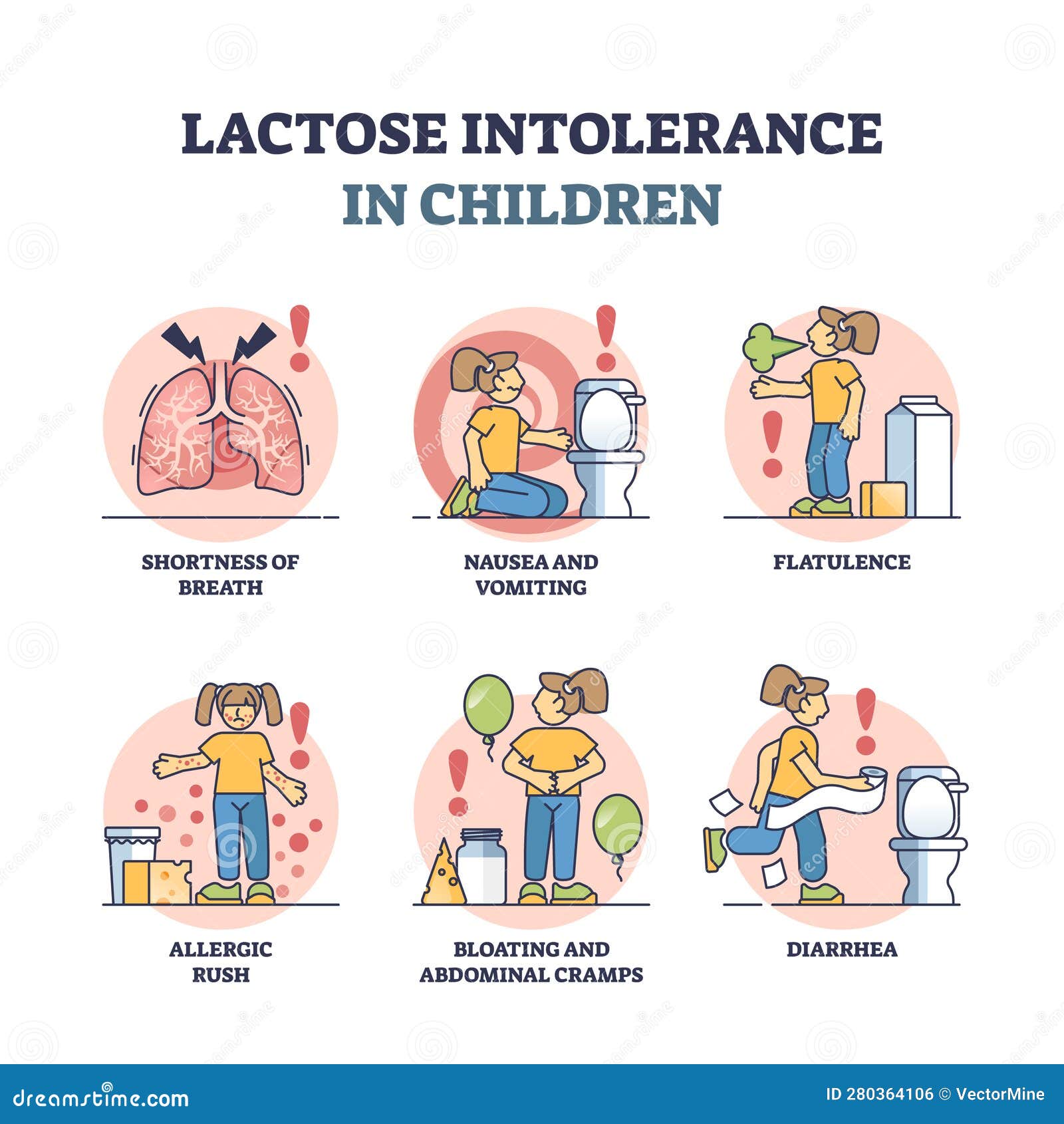
At its core, the movement addresses a biological reality: approximately 65% to 70% of the human population experiences a reduced ability to digest lactose after infancy. This condition, known as lactase non-persistence, occurs when the small intestine produces insufficient amounts of lactase, the enzyme responsible for breaking down lactose (a complex sugar found in milk) into simpler sugars like glucose and galactose. When undigested lactose reaches the colon, bacteria ferment it, leading to the hallmark symptoms of bloating, gas, and abdominal distress.
The Smile Squad's mission is twofold: education and normalization. By destigmatizing the frequent use of supplements and the request for modifications at restaurants, the squad creates a supportive environment where "smiling through the struggle" is replaced by "smiling because you're prepared."
The Science of Symptoms and Diagnosis in 2026
To participate effectively in the Smile Squad’s lifestyle, one must first understand the physiological mechanisms at play. Lactose intolerance is not a food allergy; it is a metabolic sensitivity. Unlike a milk allergy, which involves the immune system and can be life-threatening, lactose intolerance is localized to the gastrointestinal tract.
Primary vs. Secondary Lactose Intolerance
Members of the community typically fall into one of two categories. Primary lactose intolerance is the most common form, caused by the natural decline in lactase production as a person ages, often dictated by genetics. Secondary lactose intolerance occurs when the small intestine is damaged by illness, injury, or surgery—such as Celiac disease or Crohn’s disease—leading to a temporary or permanent drop in enzyme levels.
Modern Diagnostic Pathways
In 2026, the Smile Squad advocates for formal verification rather than self-diagnosis, which can often lead to unnecessary restrictive dieting. Current diagnostic standards include:
- Hydrogen Breath Test: The gold standard, measuring the amount of hydrogen in the breath after consuming a lactose-loaded drink. High levels indicate that bacteria in the colon are fermenting undigested lactose.
- Genetic Testing: Identifying the presence of the LCT gene variants associated with lactase persistence or non-persistence.
- Stool Acidity Test: Primarily used for infants and young children to detect undigested lactose via lactic acid levels.
The Smile Squad Survival Kit: Enzymes and Supplements
The hallmark of a Smile Squad member is the "survival kit"—a collection of tools used to mitigate the effects of dairy consumption. As of 2026, enzyme replacement therapy has reached new levels of efficacy.
High-Potency Lactase Enzymes
Lactase supplements (often containing Aspergillus oryzae derived enzymes) are the primary defense. The Smile Squad emphasizes the importance of timing; these enzymes must reach the small intestine simultaneously with the dairy product. In 2026, "time-release" lactase beads have become popular, providing a longer window of protection for multi-course meals.
Probiotics and Gut Microbiome Health
Research supported by institutions like the National Institute of Diabetes and Digestive and Kidney Diseases (NIDDK) suggests that certain probiotic strains can help the gut process lactose. Specifically, Lactobacillus acidophilus and Bifidobacterium longum have been shown to produce their own lactase within the colon, helping to neutralize lactose before it causes symptoms. The Smile Squad encourages a "pre-habilitation" approach, where members maintain a robust microbiome to increase their personal "lactose threshold."
Precision Fermentation: The 2026 Dairy Revolution
The most significant shift for the Lactose Intolerance Smile Squad in 2026 is the widespread availability of precision-fermented dairy. Unlike traditional plant-based milks, these products are molecularly identical to cow's milk but are produced by micro-flora (yeast or fungi) in a laboratory setting.
Companies in this sector have successfully programmed yeast to produce whey and casein proteins without the inclusion of lactose. This allows Squad members to consume "real" cheese, ice cream, and milk that is naturally 100% lactose-free but retains the exact melting point, texture, and nutritional profile of bovine dairy. This technology has effectively bridged the gap between "dairy-free" and "lactose-free," providing a solution that doesn't compromise on taste.
Comparison of 2026 Milk and Alternative Options
The following table compares the various options available to the Smile Squad in 2026, highlighting their suitability for different culinary needs.
| Product Type | Base Ingredient | Lactose Content | Protein Quality | Best Use Case |
|---|---|---|---|---|
| Traditional Dairy | Bovine Milk | High (approx. 5%) | Complete Protein | Baking and classic cheese. |
| Lactose-Free Dairy | Bovine Milk + Lactase | 0% (Enzymatic) | Complete Protein | General drinking and cereal. |
| Precision Fermented | Yeast-derived Protein | 0% (Natural) | Complete Protein | Pizza cheese and gourmet ice cream. |
| Oat Milk | Whole Grain Oats | 0% | Low/Incomplete | Coffee lattes and frothing. |
| Soy Milk | Soybeans | 0% | Complete Protein | Cooking and high-protein diets. |
| Almond Milk | Ground Almonds | 0% | Very Low | Low-calorie smoothies. |
Culinary Strategies for the Smile Squad
Being part of the squad involves mastering the art of "hidden lactose" detection and smart substitution. Many processed foods—including bread, salad dressings, and even processed meats—contain lactose as a filler or stabilizer.
The "Aged Cheese" Rule
One of the most valuable pieces of advice shared within the community is the natural degradation of lactose in aged cheeses. During the cheese-making process, most of the lactose is removed with the whey. The remaining lactose is converted into lactic acid by bacteria during aging. Cheeses like Parmigiano-Reggiano, extra-sharp Cheddar, and Swiss aged over 12 months are often naturally low enough in lactose (less than 0.1 grams per serving) that many Smile Squad members can enjoy them without additional enzymes.
Social Dining and Advocacy
The Smile Squad promotes clear communication with restaurant staff. In 2026, the "Lactose-Safe" certification for restaurants has become a trend in major urban centers. Squad members often use digital apps to scan menus for high-risk items like "roux" (which may contain butter and milk) or "creamed" vegetables.
Psychological Impact and Community Support
Living with a dietary restriction can lead to "food anxiety" or social isolation. The Lactose Intolerance Smile Squad addresses the psychological aspect by fostering a culture of humor and shared experience. Digital forums allow members to share "success stories" where they successfully navigated a wedding or a pizza party without incident.
Expert guidance from the Mayo Clinic emphasizes that while the physical symptoms are the primary concern, the stress of managing those symptoms can exacerbate digestive issues through the gut-brain axis. The Squad provides a space where individuals can vent frustrations and find practical workarounds, reducing the mental load of the condition.
Troubleshooting Common Failures
Even with the best preparation, Smile Squad members may experience "accidental exposure." Management in these moments is crucial:
- Hydration: Increasing water intake helps flush the system and reduces the concentration of gas-producing bacteria.
- Peppermint Oil: Enteric-coated peppermint oil capsules are a common squad recommendation for soothing the smooth muscle of the bowel.
- Simethicone: This over-the-counter medication helps break up gas bubbles, providing immediate relief from bloating.
- Fasting/Gentle Diet: Following an exposure, the squad recommends the "BRAT" diet (Bananas, Rice, Applesauce, Toast) for 24 hours to allow the gut lining to settle.
Frequently Asked Questions
Can I suddenly become lactose intolerant as an adult?
Yes, this is actually the most common scenario. Most people are born with high levels of lactase to digest breast milk, but as we age, the LCT gene responsible for lactase production often "switches off" or slows down. This is known as lactase non-persistence and can manifest at any age from late childhood to the 40s or 50s.
Does "Lactose-Free" milk taste different than regular milk?
Lactose-free milk is regular cow's milk that has had the enzyme lactase added to it. This enzyme breaks the lactose down into glucose and galactose. Because these simpler sugars are perceived as sweeter by our taste buds, lactose-free milk often tastes slightly sweeter than standard milk, even though no sugar has been added.
Is the "Smile Squad" a medical organization?
No, the Lactose Intolerance Smile Squad is a community-driven movement and lifestyle philosophy. While it promotes evidence-based management, it is not a healthcare provider. Individuals should always consult with a gastroenterologist or registered dietitian for personalized medical advice and diagnosis.
Can I build a tolerance to lactose by eating small amounts?
Some research suggests that "colonic adaptation" is possible. By consuming very small, gradually increasing amounts of lactose alongside other foods, you may encourage your gut bacteria to become more efficient at breaking it down. This does not increase your lactase production, but it may increase your symptom-free threshold.
Is butter safe for people with lactose intolerance?
Most butter contains only trace amounts of lactose (less than 0.1 grams per tablespoon) because the water and solids (where the lactose resides) are separated from the fat during churning. Many members of the Smile Squad find they can tolerate butter easily, though clarified butter or Ghee is a 100% lactose-free alternative.
Recommendations for New Members
If you are just beginning your journey with the Lactose Intolerance Smile Squad, the first step is to establish your personal baseline. Start by keeping a detailed food and symptom diary for two weeks to identify your specific triggers and "safe" thresholds. Not everyone reacts to the same amount of lactose; some can handle a splash of milk in coffee, while others react to the minute amount in a pill coating.
Invest in high-quality, high-FCC (Food Chemical Codex) unit lactase supplements and keep them in multiple locations—your car, your bag, and your kitchen. In 2026, the focus is on proactive management. By combining the latest in precision-fermented foods with traditional enzyme support and a supportive community, you can maintain your "smile" regardless of what is on the menu.
Image Gallery