The Career Crossroads of Jennifer Lopez and Jane Fonda: A Study in Hollywood Longevity
The career crossroads of Jennifer Lopez and Jane Fonda represents a unique intersection of two generations of female power in Hollywood. While their paths literally met in the 2005 romantic comedy Monster-in-Law, their broader professi...
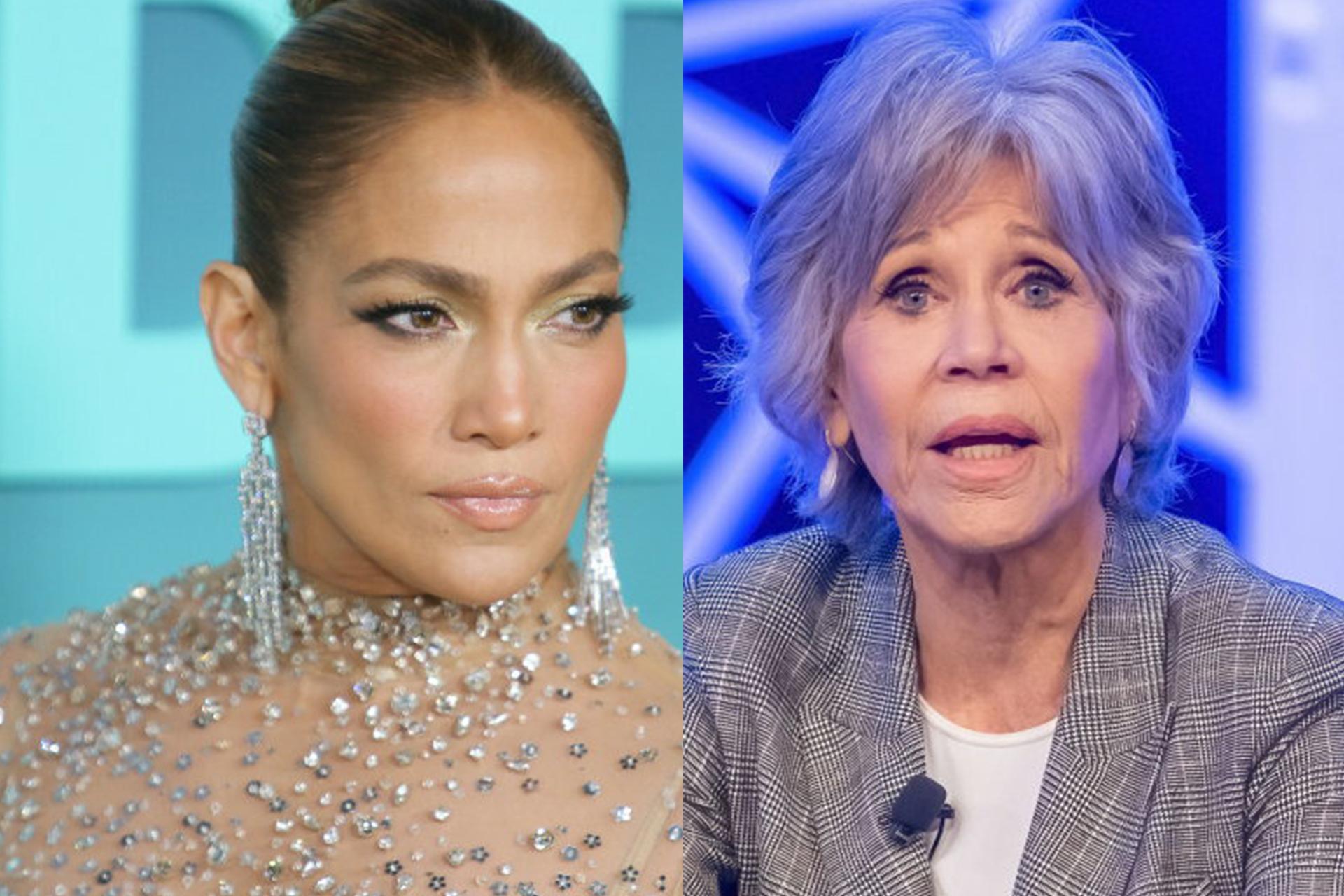
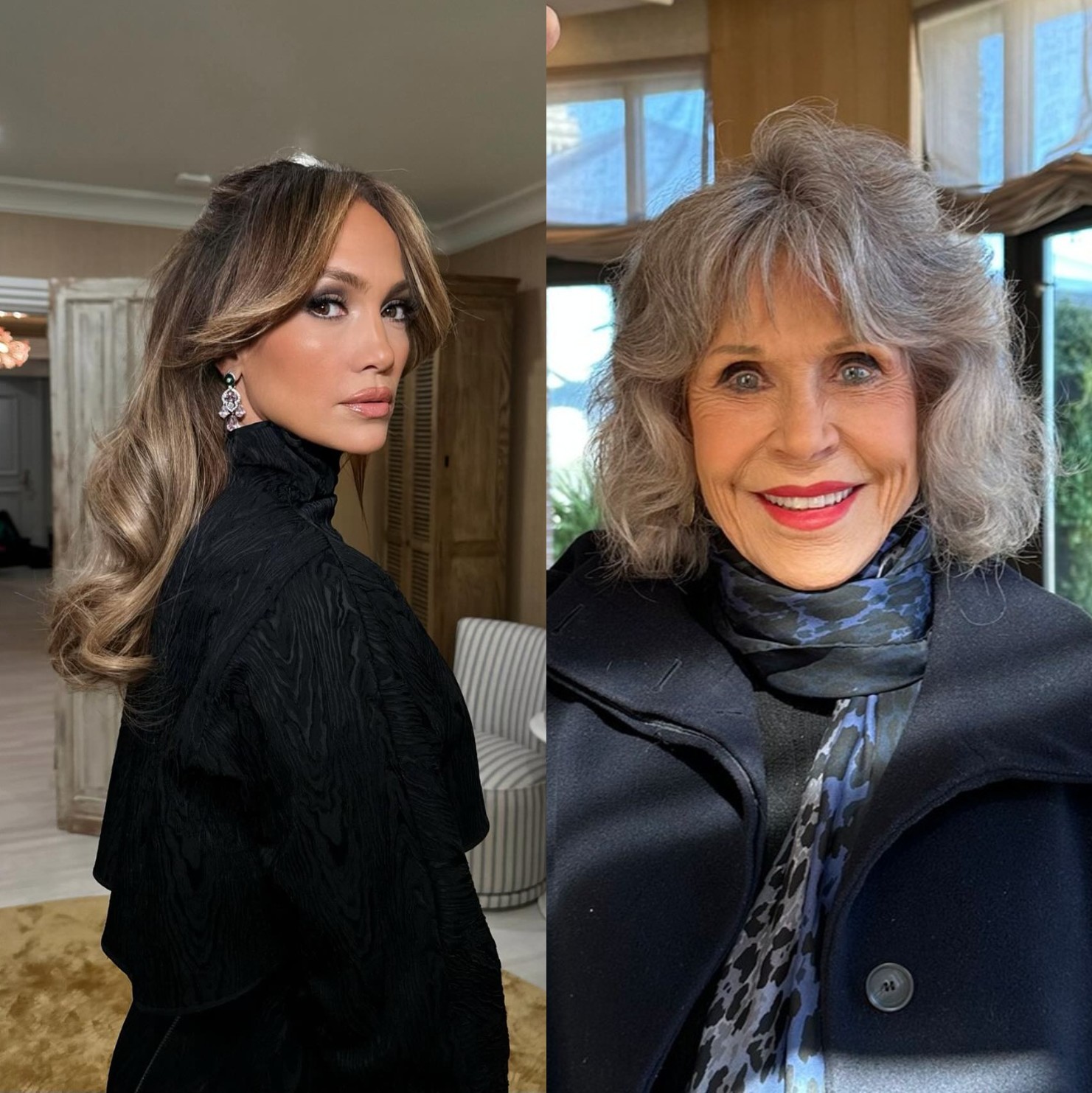
The career crossroads of Jennifer Lopez and Jane Fonda represents a unique intersection of two generations of female power in Hollywood. While their paths literally met in the 2005 romantic comedy Monster-in-Law, their broader professional trajectories reflect the complex evolution of how women navigate stardom, aging, and multi-industry reinvention within an often-restrictive media landscape.
Contents
The Literal Crossroads: The Significance of Monster-in-Law (2005)
To understand the career crossroads of Jennifer Lopez and Jane Fonda, one must first examine the moment their professional lives collided. In 2005, the landscape of Hollywood was shifting. Jennifer Lopez was at the height of her "Bennifer-era" celebrity, transitioning from a music powerhouse back into a dependable romantic comedy lead. Conversely, Jane Fonda was returning to the screen after a 15-year hiatus, having effectively "retired" from acting following her marriage to Ted Turner in 1991.
This film was more than a commercial endeavor; it was a symbolic passing of the torch and a simultaneous reclamation of space. For Fonda, the project served as a test of her relevance in a "New Hollywood" dominated by paparazzi culture and digital media. For Lopez, working alongside a two-time Academy Award winner provided a level of prestige that her pop-star persona occasionally overshadowed.
The production marked a point where the "vixen" trope met the "matriarch" trope, but both actresses used the opportunity to subvert these roles. Fonda didn’t return as a fading star; she returned as a comedic force, proving that her timing was as sharp as it had been in 9 to 5. Lopez, meanwhile, held her own against a titan, solidifying her status as a lead who could command both the box office and the screen presence of a legend.
Jane Fonda’s Three-Act Career Structure
Jane Fonda’s career is often cited by film historians as the ultimate blueprint for longevity. Her crossroads have not been singular but cyclical, occurring at roughly 20-year intervals.
Act I: The Ingénue and the Artist (1960–1970)
Fonda began as the daughter of Henry Fonda, initially struggling to find an identity outside of her father’s shadow. Her early crossroads involved moving to France, working with Roger Vadim, and becoming a global sex symbol through Barbarella. However, she quickly pivoted toward serious dramatic work, culminating in her first Oscar for Klute (1971). This transition from "pretty face" to "serious actor" is a hurdle many stars fail to clear, yet Fonda did so by prioritizing craft over image.
Act II: The Activist and the Mogul (1971–1990)
During this period, Fonda faced a massive professional crossroad fueled by her political activism. Her opposition to the Vietnam War nearly derailed her commercial career, yet she reinvented herself as a fitness mogul. The "Jane Fonda’s Workout" tapes were not just a hobby; they were a strategic business move that funded her political endeavors and made her the first major female movie star to dominate the home video market. This era proved that a woman’s career could be fueled by her own entrepreneurial ventures rather than the whims of studio casting directors.
Act III: The Elder Statesman and Environmentalist (2005–Present)
Entering 2026, Fonda remains a primary example of "graceful defiance." After her 2005 comeback, she moved into television with The Newsroom and the long-running Grace and Frankie. Her current crossroad involves leveraging her "legacy" status to fuel climate change activism through "Fire Drill Fridays," proving that for Fonda, the career is now a platform for a much larger mission.
Jennifer Lopez: The Multihyphenate’s Reckoning
Jennifer Lopez’s career crossroads are characterized by the sheer volume of her output. Unlike Fonda, who focused on acting and fitness in distinct blocks, Lopez has attempted to maintain a peak presence in music, film, beauty, and television simultaneously.
The Rom-Com Queen and the Music Icon
In the early 2000s, Lopez achieved the rare feat of having a number-one movie (The Wedding Planner) and a number-one album (J.Lo) in the same week. This established her as the ultimate multihyphenate. However, the crossroad she faced mid-career involved the "overexposure" trap. Her personal life often threatened to eclipse her professional achievements, a challenge she met by pivoting to reality television as a judge on American Idol, which successfully humanized her brand for a new generation.
The 2024–2025 Strategic Pivot
As we look at Lopez’s status in 2026, we see the results of her massive 2024 gamble: the self-funded $20 million multimedia project This Is Me... Now. This was a definitive crossroad. Faced with a changing music industry that favors viral moments over legacy albums, Lopez doubled down on her personal narrative. While the project received mixed critical reviews, it re-established her as a producer with the capital and the courage to take risks that modern studios won’t.
Transitioning to Prestige Production
In 2026, Lopez’s career is shifting toward "Legacy Hollywood." With projects like Unstoppable and Kiss of the Spider Woman, she is moving away from the "Jenny from the Block" persona and toward the role of a seasoned producer and dramatic actress. Much like Fonda before her, Lopez is realizing that longevity in the late 50s and 60s requires a shift from being the "object" of the film to being the "architect" of the project.
Comparative Analysis of Career Strategies
The following table outlines the key differences and similarities in how these two icons handled their respective career crossroads.
| Feature | Jane Fonda's Strategy | Jennifer Lopez's Strategy |
|---|---|---|
| Primary Reinvention Method | Radical shifts in persona (Activist, Fitness, Actor). | Incremental expansion of existing brand (Singer, Actor, Mogul). |
| Handling Hiatuses | Long periods of total absence (15 years) followed by high-impact returns. | Constant visibility; "burnout" risk managed through media pivots. |
| Financial Independence | Built wealth through the fitness industry to fund activism. | Built a multi-layered empire (JLo Beauty, Nuyorican Productions) to fund film/music. |
| Cultural Positioning | Positions herself as an agitator and thought leader. | Positions herself as the embodiment of the "American Dream" and hard work. |
| Critical Reception | High critical acclaim; two Academy Awards and multiple nominations. | High commercial success; critical acclaim primarily for Selena and Hustlers. |
Navigating the Industry's Ageism and Sexism
Both Lopez and Fonda have had to navigate the "invisible wall" that Hollywood traditionally builds for women over 40. Fonda’s approach was to walk away and return on her own terms, while Lopez’s approach has been to refuse to acknowledge the wall at all, maintaining a level of physical and professional intensity that challenges traditional age-related expectations.
In 2026, the industry has changed partially because of these two women. Fonda proved that an actress in her 70s and 80s could lead a hit sitcom (Grace and Frankie), while Lopez proved that a woman in her 50s could remain a global pop icon and fashion trendsetter. Their "crossroad" in Monster-in-Law was the first time the industry saw the "Old Hollywood" survivor and the "New Hollywood" mogul collaborate, creating a template for future female-led productions.
The Economic Impact of the "Fonda-Lopez" Model
The career crossroads of these two women also highlight a shift in how celebrity wealth is generated. Fonda’s fitness empire was an early precursor to the modern celebrity brand. However, Lopez took this to an extreme, creating a diversified portfolio that includes:
- Fragrance and Beauty: JLo Beauty and her long-standing perfume lines.
- Production: Nuyorican Productions, which gives her creative control over her projects.
- Venture Capital: Investments in fitness and technology startups.
This economic power is what allows them to survive crossroads that would have ended the careers of previous generations. When Fonda wanted to return to acting, she had the wealth and name recognition to ensure it was as a lead. When Lopez faced a cooling music market in 2024, she had the personal capital to fund her own cinematic vision.
FAQ: Understanding the Career Intersections
Why is the movie Monster-in-Law considered a career crossroad?
It was the literal point of intersection where Jane Fonda ended her 15-year retirement and Jennifer Lopez solidified her status as a rom-com lead who could share the screen with acting legends. It represented a merging of two different eras of female stardom.
How did Jane Fonda reinvent her career after her 1990s retirement?
Fonda focused on being "intentional" with her return. She chose a high-visibility comedy to re-establish her likability, then moved into prestigious TV roles and eventually used her platform for climate activism, ensuring her "third act" was both commercially viable and socially relevant.
What was Jennifer Lopez’s most significant career crossroad?
While she has had many, the 2024-2025 period was pivotal. She transitioned from a traditional pop star model to a self-funded producer model, taking control of her narrative through the This Is Me... Now project, which signaled her move into the "legacy artist" phase of her career.
How do their approaches to aging in Hollywood differ?
Jane Fonda has embraced the "elder" role, often speaking about the joys of aging and the freedom it brings from being a sex symbol. Jennifer Lopez has challenged the aesthetic standards of aging, maintaining a high-glamour, high-energy persona that disrupts the traditional "fading out" of female stars in their 50s.
Have they worked together since 2005?
While they have not starred in another film together, they have remained supportive of one another in the media. Both have frequently cited the other as an inspiration for professional resilience and the importance of female autonomy in the entertainment industry.
Practical Recommendations for Following the Fonda-Lopez Model
For professionals in any creative industry, the "crossroads" of these two icons offer several actionable lessons:
- Diversify Your Assets: Do not rely on a single stream of income or a single "persona." Like Lopez, build a brand that can pivot between different sectors (e.g., product, performance, production).
- Control the Narrative: Fonda’s 2005 return and Lopez’s 2024 documentary both show the importance of telling your own story before the media tells it for you.
- Use Your Platform for Purpose: Longevity is often sustained by moving beyond "self" and toward a larger cause, as seen in Fonda’s environmental work. This creates a legacy that outlasts commercial trends.
- Invest in Your "Third Act": Prepare for the later stages of your career by building equity and production capabilities early. Being the person who hires is much more sustainable than being the person who is hired.
As of 2026, the careers of Jennifer Lopez and Jane Fonda continue to serve as the definitive case studies for how to survive and thrive at the crossroads of fame, age, and industry change. Their shared history is a testament to the power of reinvention and the refusal to be sidelined by the passage of time.
Image Gallery