Unretwisted Locs: The 2026 Comprehensive Guide to Natural Growth, Maintenance, and Scalp Health
Natural hair enthusiasts managing unretwisted locs often find themselves navigating a unique landscape of texture, scalp care, and styling versatility. Unretwisted locs—frequently embraced by those practicing freeform locs, semi-freefo...
Natural hair enthusiasts managing unretwisted locs often find themselves navigating a unique landscape of texture, scalp care, and styling versatility. Unretwisted locs—frequently embraced by those practicing freeform locs, semi-freeform maintenance, or individuals extending the duration between traditional salon re-tightening sessions—represent a powerful commitment to organic hair evolution. Navigating this journey in 2026 requires a balanced understanding of modern hair science, mechanical stress management, and optimal moisture regulation to ensure healthy, vibrant hair growth.
Contents
Understanding the Anatomy of Unretwisted Locs
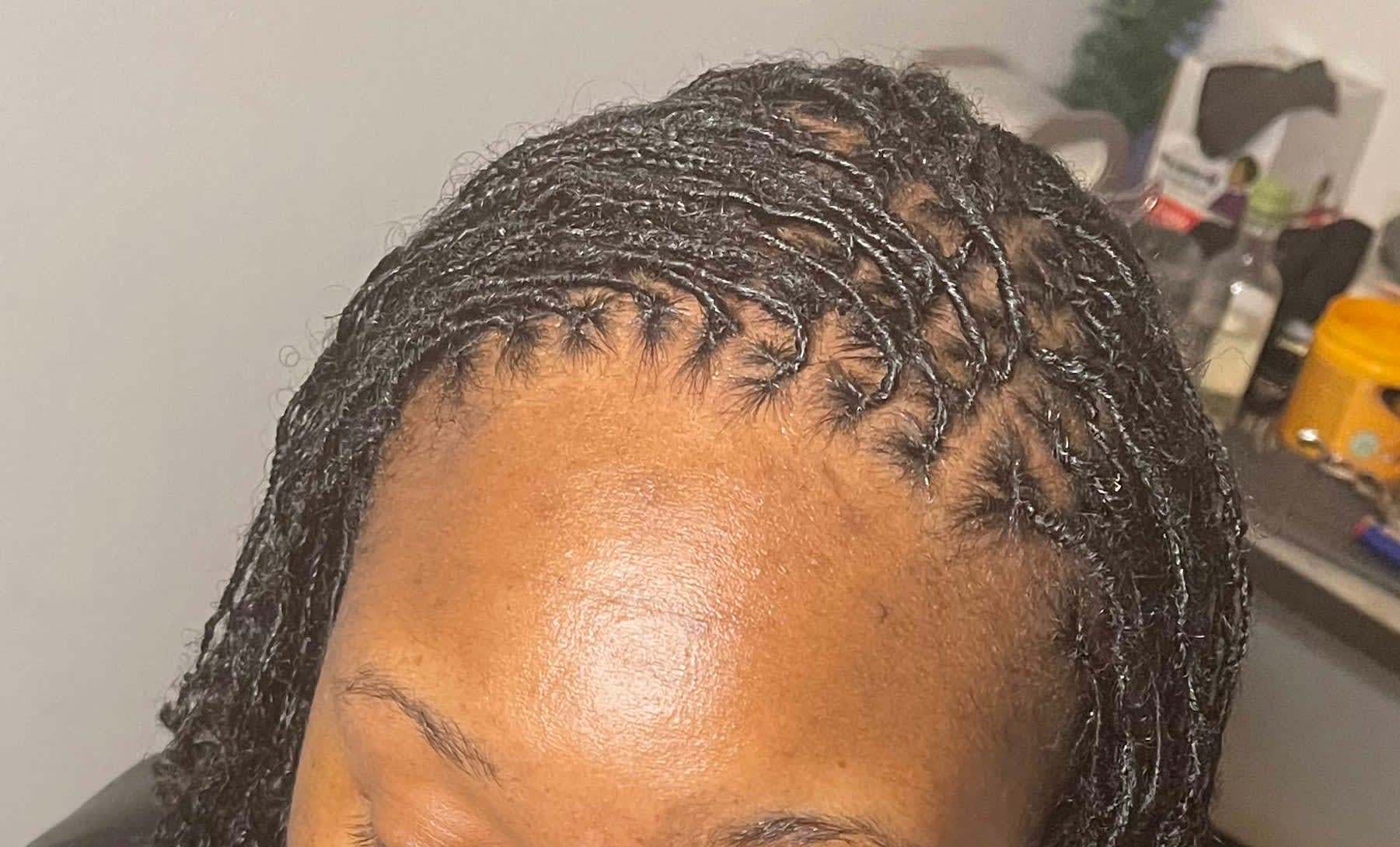
The term unretwisted locs refers to mature or maturing locs that have surpassed their scheduled maintenance window, allowing new growth to interlock, tangle, and merge naturally with the existing loc shaft without mechanical intervention like palm-rolling, latching, or interlocking. When hair grows from the follicle, the natural shedding (roughly 50 to 100 strands per day) becomes trapped inside the existing loc structure. Without regular maintenance to separate or retwist the roots, these shed hairs weave themselves into the surrounding new growth.
Understanding the underlying structural phases helps prevent common pitfalls associated with unretwisted hair. The hair goes through distinct physiological stages:
- The Budding Phase: Small knots form within the shaft, signaling the beginning of true loc formation.
- The Maturation Phase: Hair strands compact tightly, reducing the frequency of slippage and unraveling.
- The Freeform/Unretwisted Evolution: New growth forms dense, localized cloud-like formations at the scalp, gradually tightening as friction from washing and daily movement encourages neighboring hairs to bind.
Mechanical Stress and Root Integrity
Allowing locs to remain unretwisted significantly reduces the risk of traction alopecia. Traditional retightening techniques—especially interlocking performed incorrectly or heavy palm-rolling with excessive tension—place immense mechanical stress on the dermal papilla. By leaving roots unretwisted, the scalp experiences a period of absolute relief. However, ignoring the roots entirely for extended periods can lead to severe matting where adjacent locs fuse together at the base, creating thick, conjoined roots that require careful manual separation.
Scalp Health and Hygiene for Freeform and Unretwisted Textures
Maintaining a clean scalp is paramount when managing unretwisted locs. A common misconception suggests that unwashed locs loc faster; in reality, clean hair locks more efficiently because sebum and heavy product buildup coat the strands, preventing proper friction and water absorption necessary for the knotting process.
To maintain optimal scalp hygiene in 2026, dermatologists and professional locticians recommend adopting a structured cleansing routine:
- Clarifying Washes: Utilize sulfate-free clarifying shampoos every two to three weeks to strip away stubborn sebum, environmental pollutants, and hard water mineral deposits without stripping natural moisture from the hair shaft.
- Targeted Scalp Massage: During washing, use the pads of your fingers to stimulate blood circulation at the root, which encourages healthy cellular turnover and robust hair growth.
- Complete Dehydration: Ensure 100 percent drying of the locs post-wash. Thick, unretwisted roots trap moisture easily, creating an ideal breeding ground for mildew (commonly known as "mold in locs" or a musty odor). Use a hooded dryer or a handheld blow dryer on a cool-to-medium setting until the interior matrix is completely dry.
Comparative Analysis: Retwisted vs. Unretwisted Loc Maintenance
Choosing between a rigorous retwisting schedule and an unretwisted, organic approach depends on lifestyle, aesthetic goals, and hair type. The following comparison highlights the operational and structural differences between the two methodologies.
| Maintenance Parameter | Traditional Retwisted Locs | Unretwisted / Freeform Locs |
|---|---|---|
| Scalp Tension | High (constant pulling during maintenance cycles) | Minimal to None (roots grow organically) |
| Maintenance Frequency | Every 4 to 8 weeks in a salon or home setting | As-needed separation; minimal manipulation |
| Aesthetic Profile | Uniform, neat, highly structured appearance | Textured, organic, bold, and highly individualized |
| Risk of Thinning | Moderate to High if tension is consistently excessive | Low risk of traction alopecia at the root |
| Grooming Time Required | High time and financial investment for upkeep | Low maintenance overhead; high focus on cleansing |
Step-by-Step Guide to Managing and Styling Unretwisted Locs
Caring for unretwisted locs does not mean abandoning all grooming. Strategic management preserves the natural look while preventing unwanted matting and breakage.
Step 1: Routine Manual Separation
Perform a tactile check of your scalp every 1 to 2 weeks. Using your fingers, gently feel for new growth where adjacent locs have begun to bridge together. Gently pull them apart from root to tip to maintain distinct, individual loc sections.
Step 2: Hydration and Lightweight Moisturization
Avoid heavy waxes, petroleum-based greases, and thick gels, as these products build up rapidly within unretwisted roots and are nearly impossible to wash out without stripping the hair. Instead, use rosewater, aloe vera juice, or lightweight botanical sprays to infuse moisture into the hair shaft.
Step 3: Nighttime Protection
Protect your hair from friction-induced frizz and lint accumulation by sleeping with a high-grade satin or silk bonnet, or by sleeping on a smooth satin pillowcase. If your locs are long, gather them loosely into a high pineapple or loose ponytail to prevent them from getting crushed under your body weight.
Step 4: Strategic Styling
Embrace styles that do not require tight pulling. Loose updos, high buns, wrapped headscarves, and natural ponytails allow you to showcase the rich texture of unretwisted locs while safeguarding your edges.
Troubleshooting Common Issues in Unretwisted Hair
Even with optimal care, unretwisted locs present distinct challenges that require prompt, targeted intervention.
- Thinning Roots (Weak Spots): If a loc begins to thin near the base due to previous heavy styling or natural shedding imbalances, consider combining it with a neighboring healthy loc or reinforcing the base using a crochet hook technique to integrate loose hairs safely.
- Lint and Debris Accumulation: Unretwisted hair acts like a magnet for clothing fibers, dust, and lint due to the open nature of the maturing strands. Soak the affected locs in a warm water and apple cider vinegar rinse to break down mineral and debris bonds, then gently pick out visible lint using a fine-toothed comb or tweezers.
- Odor Retention: A musty smell usually indicates trapped moisture or product residue. Wash the hair immediately with a clarifying tea tree or peppermint shampoo, followed by an apple cider vinegar rinse to neutralize pH levels and eliminate odor-causing bacteria.
Frequently Asked Questions About Unretwisted Locs
Will unretwisted locs lock on their own without gel or twisting?
Yes, hair naturally locks on its own through friction, shedding encapsulation, and the body's natural sebum production without the need for styling gels or mechanical twisting. The process simply takes time, patience, and regular cleansing to encourage the internal fibers to tangle permanently.
How often should I wash unretwisted locs?
You should wash your unretwisted locs every 7 to 14 days to prevent product buildup, remove sweat, and maintain optimal scalp health. Regular cleansing actually accelerates the locking process by encouraging the hair cuticles to swell and interlock.
Can I transition from traditional retwisted locs to unretwisted locs?
Yes, transitioning is as simple as stopping your regular retwisting schedule and allowing your new growth to emerge naturally. Expect an initial transition period where the roots will look fuzzy and undefined before they begin to knot and form organic freeform patterns.
How do I stop my unretwisted locs from marrying together at the roots?
You can prevent locs from fusing by performing a weekly tactile scalp check, using your fingers to manually separate any hairs that have started to tangle across neighboring sections. This simple habit keeps your parting lines distinct and prevents painful matting.
Are unretwisted locs lower maintenance than traditional locs?
Unretwisted locs require significantly less salon time, lower financial upkeep, and reduced styling manipulation compared to traditional retwisted locs. However, they require discipline regarding regular cleansing, thorough drying, and routine manual separation.
Elevating Your Natural Hair Journey
Embracing unretwisted locs is a liberating choice that honors the organic texture and resilience of natural hair. By prioritizing scalp hygiene, proper hydration, and gentle manual separation over rigid styling schedules, you can cultivate a stunning, healthy crown that reflects true authenticity. Commit to a consistent cleansing routine, protect your hair at night, and let your natural crown flourish. Connect with a professional natural hair specialist today to evaluate your scalp health and tailor a customized 2026 maintenance regime suited to your unique hair type.
Image Gallery