Understanding the Public and Private Struggles of Bobby Brown and Whitney Houston
The relationship between Bobby Brown and Whitney Houston was a complex blend of immense musical talent and highly publicized battles with substance abuse. Often searched as "Bobby and Whitney high," this phrase refers to the era betwee...
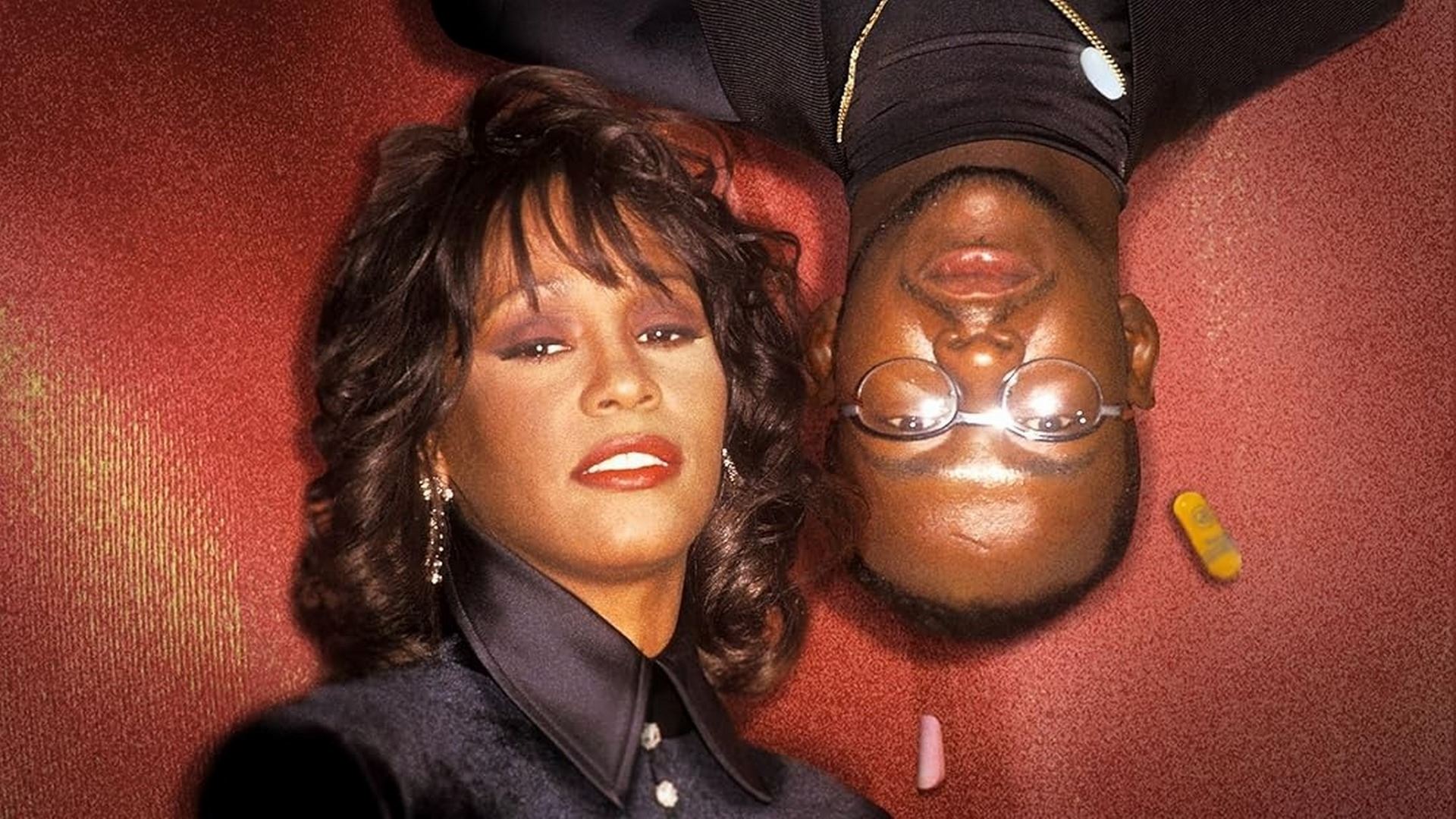
The relationship between Bobby Brown and Whitney Houston was a complex blend of immense musical talent and highly publicized battles with substance abuse. Often searched as "Bobby and Whitney high," this phrase refers to the era between the late 1990s and mid-2000s when their drug use and erratic behavior overshadowed their professional achievements and transformed them into tabloid fixtures.
Contents
The Intersection of R&B Royalty and Personal Turmoil
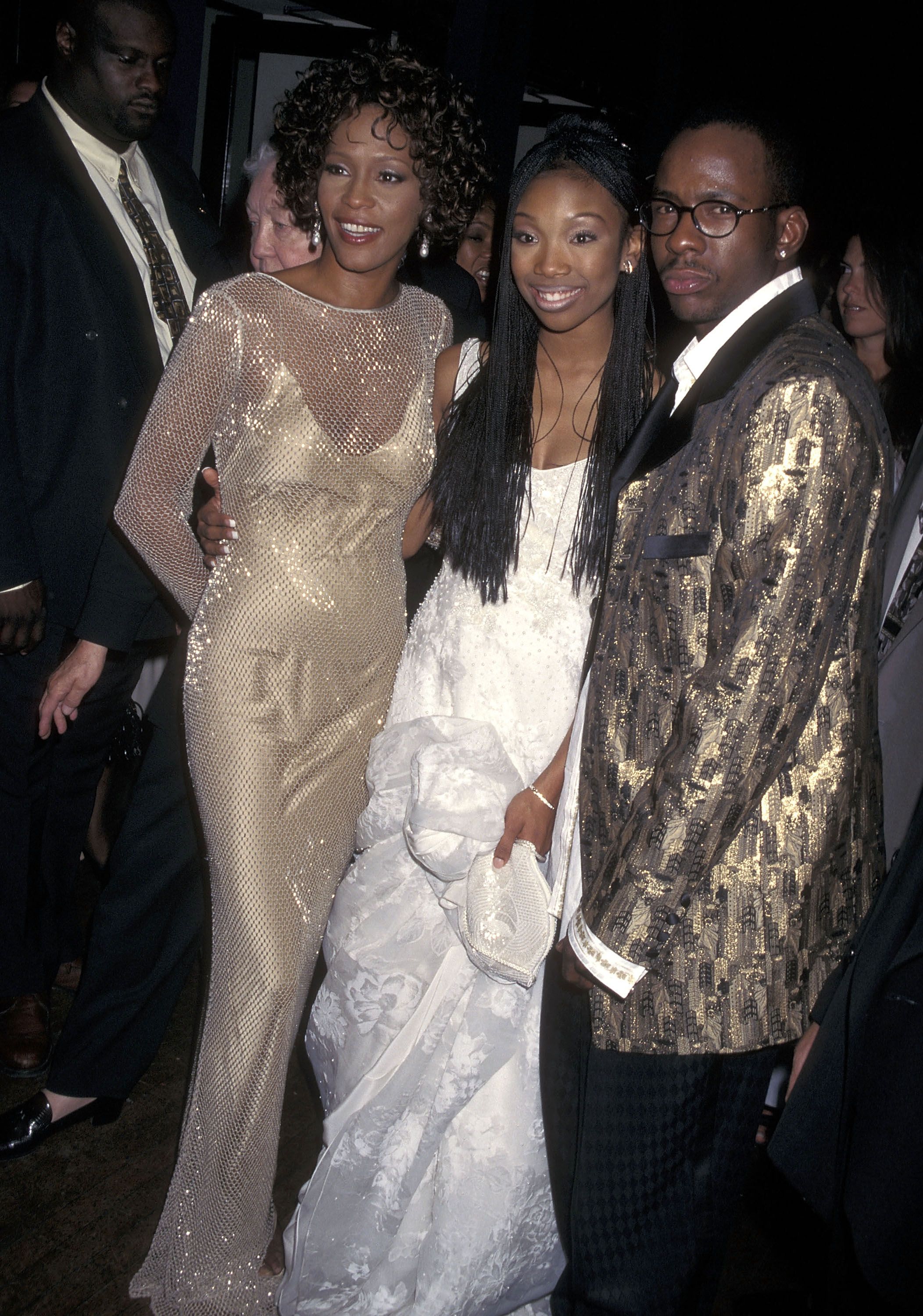
To understand the periods of intoxication and public struggle associated with Bobby Brown and Whitney Houston, one must first look at the foundation of their union. When they met at the 1989 Soul Train Music Awards, they represented two different poles of the music industry. Whitney Houston was "America’s Sweetheart," a pristine pop vocalist with a squeaky-clean image carefully curated by Arista Records' Clive Davis. Bobby Brown was the "Bad Boy of R&B," a solo artist who had successfully transitioned from the boy band New Edition into a provocative, high-energy performer known for his edgy persona.
Their marriage in 1992 was seen by many as a mismatch, but for the couple, it was a genuine connection between two people facing the pressures of global superstardom. However, the pressures of fame, combined with existing personal vulnerabilities, created a volatile environment. While the public often blamed Brown for Houston's downward spiral, subsequent revelations—including admissions from Whitney’s brother, Michael Houston—confirmed that Whitney had been introduced to cocaine long before she met Bobby. This nuance is critical for understanding that their "highs" were not a one-sided influence but a shared, destructive lifestyle that intensified over a decade.
The Evolution of Substance Abuse Allegations
By the late 1990s, the facade of a perfect celebrity marriage began to crack. The "highs" were no longer just rumors within the industry; they were becoming visible to the public. In 2000, airport security in Hawaii discovered marijuana in the couple’s luggage, an incident that served as a precursor to more severe legal and health issues.
During this period, Houston's professional reliability plummeted. She famously missed a performance at the 2000 Academy Awards, with reports citing "vocal strain," though rumors of drug-induced incapacity circulated widely. The physical toll became undeniable during the 2001 Michael Jackson 30th Anniversary Special, where Houston appeared alarmingly thin. This appearance remains one of the most cited moments when fans realized the severity of the situation. The "high" was no longer a private recreational habit; it was a visible health crisis played out on a global stage.
The 2002 Diane Sawyer Interview: A Turning Point
One of the most significant cultural touchstones regarding the couple’s substance abuse was Whitney Houston’s 2002 interview with Diane Sawyer. Intended to clear the air and promote her new album, Just Whitney, the interview instead became a haunting look at the reality of addiction.
It was during this interview that Houston uttered the infamous line, "Crack is wack." While many took this as a denial of drug use, Houston was actually making a distinction based on socioeconomic status, claiming she made too much money to smoke crack, preferring instead "expensive" drugs like cocaine. This distinction did little to reassure the public or the industry. The interview highlighted a profound sense of denial and the isolation that often accompanies high-functioning addiction in the elite tiers of the entertainment world. For Bobby Brown, who was often in the background of these controversies, the "high" periods were frequently punctuated by legal trouble, including DUIs and parole violations that kept him in and out of the judicial system throughout the early 2000s.
Being Bobby Brown: Reality TV and the Unmasking of an Icon
If the Diane Sawyer interview was a crack in the door, the 2005 Bravo reality series Being Bobby Brown threw the door wide open. The show is often cited by cultural historians as a pivotal moment in reality television—not for its glamour, but for its raw, often uncomfortable depiction of a crumbling marriage fueled by erratic behavior.
Viewers witnessed the couple in various states of agitation, frequently appearing to be under the influence or recovering from recent use. The show stripped away the last vestiges of Whitney Houston’s "princess" image, replacing it with the reality of a woman struggling with her temper and her sobriety. For Bobby Brown, the show was meant to be a comeback vehicle, but it instead cemented his reputation as a chaotic influence. The series only lasted one season, primarily because Houston refused to sign on for a second, but its impact on their legacy was permanent. It provided a visual archive of the "Bobby and Whitney high" narrative that would follow them for the rest of their lives.
A Chronological Timeline of Major Events
The following table outlines the key milestones that defined the public perception of the couple's struggles and their eventual attempts at recovery.
| Year | Event | Public/Industry Impact |
|---|---|---|
| 1992 | Marriage of Bobby Brown and Whitney Houston | Seen as a merger of pop royalty and R&B "bad boy" energy. |
| 2000 | Hawaii Airport Incident | First major legal confirmation of substance involvement (marijuana). |
| 2001 | Michael Jackson Tribute | Public alarm over Houston's frail physical appearance. |
| 2002 | Diane Sawyer Interview | The "Crack is wack" quote; widespread concern for Houston's mental health. |
| 2003 | Domestic Violence Call | Police respond to a 911 call; visible injuries to Houston; Brown charged with battery. |
| 2005 | Being Bobby Brown Premieres | Reality TV show exposes the couple's chaotic lifestyle to a global audience. |
| 2007 | Divorce Finalized | Houston gains custody of Bobbi Kristina; attempts a professional comeback. |
| 2012 | Whitney Houston's Death | Accidental drowning with heart disease and cocaine use listed as factors. |
| 2015 | Bobbi Kristina Brown's Death | Tragic parallel to her mother's death, highlighting generational trauma. |
Analyzing the Cultural Impact and Media Scrutiny
The obsession with "Bobby and Whitney high" was not just about the drugs; it was about the fall of a titan. Whitney Houston was one of the most awarded female artists of all time. Seeing her succumb to the same pitfalls as "lesser" stars created a morbid fascination in the media. This era coincided with the rise of celebrity gossip blogs, which thrived on paparazzi photos of the couple looking disheveled or appearing in "crack houses," as some tabloids controversially claimed.
The media scrutiny often took a racialized tone, with many outlets portraying Brown as the "corruptor" of a "pure" black woman who had been successfully marketed to white audiences. This narrative ignored the complexities of addiction and the fact that both individuals were grown adults dealing with immense psychological burdens. In hindsight, looking back from 2026, many modern analysts view the media's treatment of the couple as predatory, lacking the empathy that is now more commonly extended to celebrities facing mental health and substance abuse challenges.
The Tragic Legacy: Bobbi Kristina and the Generational Cycle
Perhaps the most heartbreaking aspect of the "high" years was the impact on their daughter, Bobbi Kristina Brown. Growing up in the household depicted in Being Bobby Brown, Bobbi Kristina was exposed to the instability of her parents' lifestyle from a young age.
The tragic cycle of addiction and domestic instability seemed to repeat itself when Bobbi Kristina was found unresponsive in a bathtub in 2015, under circumstances eerily similar to her mother’s passing three years prior. Her death at the age of 22 served as a grim reminder of the high stakes involved in untreated addiction. For Bobby Brown, losing his daughter was a catalyst for a more permanent shift toward sobriety and advocacy. In the years following her death, he established the Bobbi Kristina Serenity House, a non-profit aimed at helping victims of domestic violence and substance abuse, attempting to turn the "highs" of his past into a platform for healing others.
Reflecting on Their Legacy in 2026
As of 2026, the narrative surrounding Bobby and Whitney has shifted from one of tabloid mockery to one of cautionary reflection and musical appreciation. The 2022 biopic I Wanna Dance with Somebody and various documentaries have attempted to humanize the couple, showing the depth of their love alongside the depth of their struggle.
Bobby Brown has remained a visible figure, often speaking openly about his regrets and his journey to sobriety. He has frequently pushed back against the narrative that he was the sole cause of Houston's downfall, emphasizing that they were two people who loved each other but were caught in a cycle they didn't know how to break. For Whitney Houston, her musical legacy remains untarnished in terms of technical brilliance; she is still cited as "The Voice," a benchmark for every vocalist who followed. However, the "high" years remain an inseparable part of her biography—a reminder that even the most celestial talent is not immune to the very human struggle of dependency.
Common Questions Regarding Bobby and Whitney's Struggles
Did Bobby Brown introduce Whitney Houston to drugs? No, this is a common misconception. While their marriage certainly exacerbated their shared substance use, Whitney’s brother Michael Houston admitted in a 2013 interview with Oprah Winfrey that he was the one who first introduced Whitney to cocaine in the 1980s. Bobby Brown has maintained that while they did drugs together, the habit existed for both parties prior to their union.
What was the primary drug used by the couple during their "high" years? Based on police reports, autopsy results, and personal admissions, the couple primarily struggled with cocaine (both in powder and base form), marijuana, and alcohol. Prescription medication misuse was also cited in the toxicology reports following Whitney Houston's passing in 2012.
How did substance abuse affect Whitney Houston's voice? Chronic drug use, particularly smoking, had a devastating effect on Houston’s vocal cords. It led to a loss of her upper register, a raspier tone, and decreased breath control. By her 2010 Nothing but Love world tour, her difficulty hitting the notes that made her famous was evident to both critics and fans.
Is Bobby Brown currently sober in 2026? Bobby Brown has publicly stated in various interviews leading up to 2026 that he has moved away from the hard substances that defined his earlier years. While he has struggled with alcohol in the past, he has dedicated much of his later life to fitness, his new family, and managing the legacy of his late daughter through charitable work.
What is the Bobbi Kristina Serenity House? Founded by Bobby Brown, this organization provides 24-hour crisis intervention, transitional housing, and resources for victims of domestic violence. It was created to honor the memory of his daughter and to provide the kind of support system that might have helped his family during their most turbulent years.
Final Recommendation for Further Research
For those seeking to understand the complexities of addiction within the context of the music industry, it is recommended to view the documentary Whitney (2018), directed by Kevin Macdonald. This film provides a balanced, estate-authorized look at the factors—including childhood trauma and industry pressure—that contributed to the "highs" and lows of her life. Additionally, Bobby Brown's memoir, Every Little Step, offers his firsthand perspective on the relationship. If you or someone you know is struggling with substance abuse, contact the Substance Abuse and Mental Health Services Administration (SAMHSA) at 1-800-662-HELP for confidential support and treatment referrals.
Image Gallery