Hiring an Exterminator in Buffalo NY: A Comprehensive Local Guide
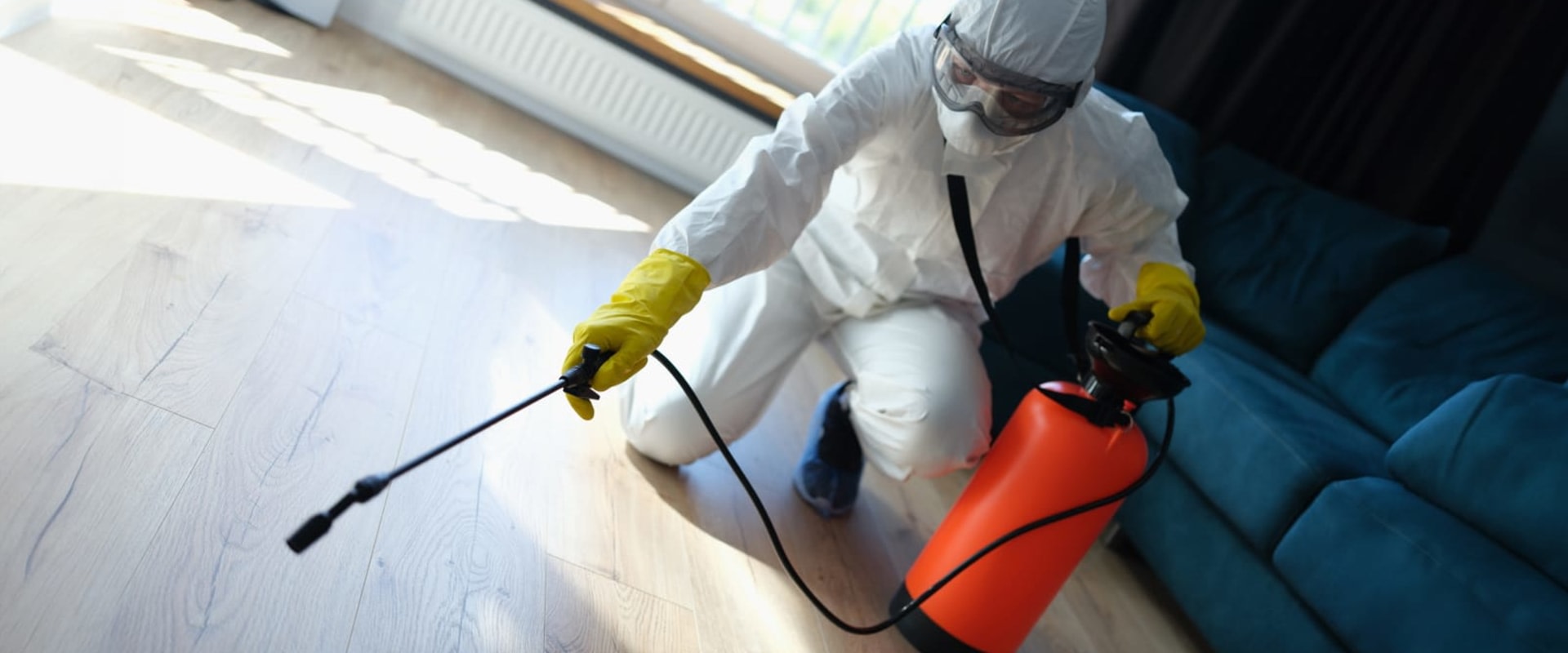
Hiring an exterminator in Buffalo, NY requires understanding local pest pressures driven by humid continental winters, older housing stock, and dense urban layouts. Effective pest management depends on identifying specific local infest...
Hiring an exterminator in Buffalo, NY requires understanding local pest pressures driven by humid continental winters, older housing stock, and dense urban layouts. Effective pest management depends on identifying specific local infestations, verifying technician licensing through the New York State Department of Environmental Conservation (NYSDEC), and evaluating treatment methods tailored to Western New York properties.
Contents
Understanding Buffalo’s Unique Pest Pressures
Western New York features a distinct climate characterized by heavy lake-effect snows, cold winters, and warm, humid summers. These environmental swings heavily influence pest behaviors and dictate the types of services property owners require. Pests in Erie County often seek shelter inside structures long before temperatures drop below freezing, making seasonal prevention a critical part of home maintenance.
Furthermore, Buffalo contains a high concentration of historic and turn-of-the-century homes, particularly in neighborhoods like the West Side, Allentown, and Parkside. Older construction often includes stone foundations, shared walls in double homes or duplexes, and aging woodwork. These structural characteristics provide ideal entry points and harborages for rodents, carpenter ants, and termites. Understanding these structural vulnerabilities helps homeowners select appropriate pest control interventions rather than relying on generic, ineffective consumer sprays.
Common Pests Targeted by Buffalo Exterminators
Different seasons and building types attract specific nuisance and destructive species across the Queen City. Recognizing the target organism dictates the choice of professional intervention.
Bed Bugs
Bed bugs remain a persistent urban challenge in Buffalo, affecting single-family dwellings, multi-unit apartment complexes, and student housing near local universities. These parasitic insects thrive in temperature-controlled environments regardless of season. Professional remediation typically involves either thermal heat remediation—which raises indoor temperatures to lethal levels for all life stages—or targeted chemical applications combined with mattress encasements and rigorous follow-up inspections.
Rodents (House Mice and Norway Rats)
As winter approaches, house mice and Norway rats actively seek warmth and food sources inside residential and commercial properties. Buffalo's older infrastructure, with gaps in fieldstone foundations and deteriorated utility penetrations, offers easy pathways. Professional rodent control utilizes integrated pest management (IPM) protocols, focusing first on exclusion (sealing entry points) followed by trapping and baiting strategies rather than relying solely on secondary poisons.
Wood-Destroying Organisms (Termites and Carpenter Ants)
Subterranean termites are active throughout Western New York, feeding on structural lumber, joists, and subflooring. Because freezing winters do not eliminate subterranean colonies safely tucked below the frost line, annual inspections are vital. Carpenter ants are also common, particularly in heavily treed neighborhoods or homes with moisture-damaged wood resulting from ice damming or roof leaks.
Licensing, Certification, and Regulations in New York State
Before hiring any pest control operator in New York, property owners must verify that the individual and company hold proper credentials issued by the state. The pest control industry is strictly regulated to protect public health, safety, and the environment.
Under NYSDEC guidelines, commercial pesticide applicators must be certified in specific categories depending on the type of work performed (such as structural and rodent control or wood-destroying organisms). Homeowners can request proof of certification and check active business registrations directly through the NYSDEC registry. Certified applicators carry commercial liability insurance, protecting property owners from liability in the event of accidental property damage or chemical misapplication during treatment.
| Credential Type | Issuing Body | Purpose and Verification |
|---|---|---|
| Commercial Pesticide Business Registration | NYSDEC | Authorizes the company to offer pest control services commercially within New York State. |
| Certified Commercial Applicator License | NYSDEC | Proves individual technicians have passed rigorous exams regarding safety, handling, and application techniques. |
| Structural Pest Control Certification | NYSDEC (Category 7A) | Specifically qualifies technicians to manage household, institutional, and industrial structural pests. |
Evaluating Pest Control Service Agreements
When hiring a professional, scrutinizing the service agreement prevents unexpected costs and ensures accountability. Legitimate pest control providers in the Buffalo area offer clear, transparent contracts outlining the scope of work.
One-Time Treatments vs. Ongoing Maintenance Plans
Pest problems fall into two distinct operational categories. Acute issues, such as a localized yellow jacket nest or an isolated wasp infestation, often require a single treatment with a service warranty. Conversely, chronic issues like mice, ants, or multi-unit bed bug pressures necessitate ongoing preventative maintenance agreements. Homeowners should evaluate whether a quarterly or bi-monthly service contract aligns with their property's risk profile.
Service Guarantees and Warranties
Reputable companies stand by their work with clear warranty terms. A standard guarantee outlines what happens if pests return between scheduled visits. Homeowners must read the fine print regarding exclusion requirements; if a pest control company recommends sealing foundation cracks as part of the treatment, failure by the homeowner to complete those repairs may void the service warranty.
Cost Factors for Pest Control in Buffalo
Pricing for pest control services in Erie County varies based on several objective operational factors. Understanding these variables helps property owners budget accurately and assess contractor estimates.
- Infestation Severity: Mild, early-stage infestations require fewer materials and less labor time than severe, entrenched colonies that have spread across multiple rooms or structural bays.
- Property Size and Type: Detached single-family homes require different treatment scopes than multi-family complexes, commercial warehouses, or historic properties with complex framing.
- Treatment Methodology: Advanced techniques, such as whole-house thermal remediation for bed bugs or comprehensive soil trenching and baiting for subterranean termites, carry higher upfront costs than standard liquid perimeter sprays.
- Accessibility: Crawlspaces, finished basements, high ceilings, and dense urban row houses can increase the labor time required to safely deliver treatments.
Questions to Ask Before Signing a Contract
Engaging a service provider requires direct questioning to ensure alignment on expectations, safety, and results. Property owners should consider asking the following questions during the initial consultation:
- Are your technicians fully certified by the New York State Department of Environmental Conservation in Category 7A (Structural and Rodent)?
- Can you provide proof of current commercial general liability insurance?
- Do you perform an initial, comprehensive inspection before quoting a flat rate, or do you quote sight-unseen over the phone?
- What preparation steps must my household take prior to the technician's arrival (e.g., laundering linens, pulling furniture away from walls)?
- What specific follow-up protocols or warranties are included if the target pests reappear within thirty days of the initial service?
Frequently Asked Questions
How do I know if a Buffalo exterminator is licensed by the state?
You can request the company's NYSDEC registration number and verify it directly through the New York State Department of Environmental Conservation online database. Legitimate companies readily display these credentials on service vehicles and paperwork.
Are eco-friendly or green pest control options available in Buffalo?
Yes. Many local providers offer Integrated Pest Management (IPM) strategies, botanical-based treatments, and mechanical traps that minimize synthetic chemical usage while maintaining high efficacy against target pests.
Should I hire a local independent exterminator or a national chain?
Both options have merits. Local Buffalo-based exterminators often possess deep familiarity with regional microclimates, historic housing quirks, and specific neighborhood pest trends. National chains may offer standardized corporate protocols, extensive digital customer portals, and nationwide guarantees.
What should I do to prepare my home before the exterminator arrives?
Preparation depends entirely on the target pest. For general crawling insects, clearing baseboards and keeping pets secured is standard. For bed bug treatments, technicians typically require bagging clothing, laundering textiles on high heat, and moving furniture away from perimeter walls to ensure unobstructed access.
Do I need a continuous pest control contract for my home?
Not every property requires ongoing service. If your home is sealed tightly against entry and you live in a low-risk environment, a targeted one-time treatment may suffice. However, properties surrounded by heavy vegetation, historic foundations, or attached multi-unit housing benefit significantly from quarterly preventive service plans.
Next Actions for Buffalo Property Owners
If you have identified active pest activity or suspect a structural infestation in your Buffalo property, begin by documenting the issue with clear photographs and noting the locations where pests appear. Next, contact at least two licensed local pest control operators to schedule a physical on-site inspection and detailed estimate. Verify their NYSDEC credentials and insurance coverage before signing any service agreements or authorizing chemical applications.
Image Gallery