Understanding Whole Life Insurance in Hong Kong
Whole life insurance in Hong Kong is a permanent life insurance contract that provides lifelong protection combined with a savings component known as cash value. Unlike term insurance, it remains in force for the insured's entire lifet...
Whole life insurance in Hong Kong is a permanent life insurance contract that provides lifelong protection combined with a savings component known as cash value. Unlike term insurance, it remains in force for the insured's entire lifetime as long as premiums are paid, offering a guaranteed death benefit and potential wealth accumulation through dividends and bonuses.
Contents
What is Whole Life Insurance?
Whole life insurance serves as a foundational pillar of financial planning for many residents in Hong Kong. It is a form of permanent life insurance, meaning it does not expire after a set number of years, provided the policyholder continues to meet the premium requirements. In the context of the Hong Kong financial market, these policies are often viewed not just as protection against premature death, but also as long-term savings or legacy planning vehicles.
The structure of a whole life policy consists of two main parts: the death benefit and the cash value. The death benefit is the amount paid to beneficiaries upon the death of the insured. The cash value is a living benefit—a portion of the premium that accumulates over time, growing on a tax-deferred basis (though Hong Kong currently does not tax capital gains or life insurance proceeds). This cash value can be accessed by the policyholder through loans or partial surrenders, or it can be received in full if the policy is surrendered entirely.
In 2026, the Hong Kong insurance market remains one of the most sophisticated in the world, regulated strictly by the Insurance Authority (IA). Whole life products here are frequently "participating" policies, meaning policyholders are eligible to share in the profits of the insurance company’s participating fund through dividends or bonuses.
How Whole Life Insurance Works in Hong Kong
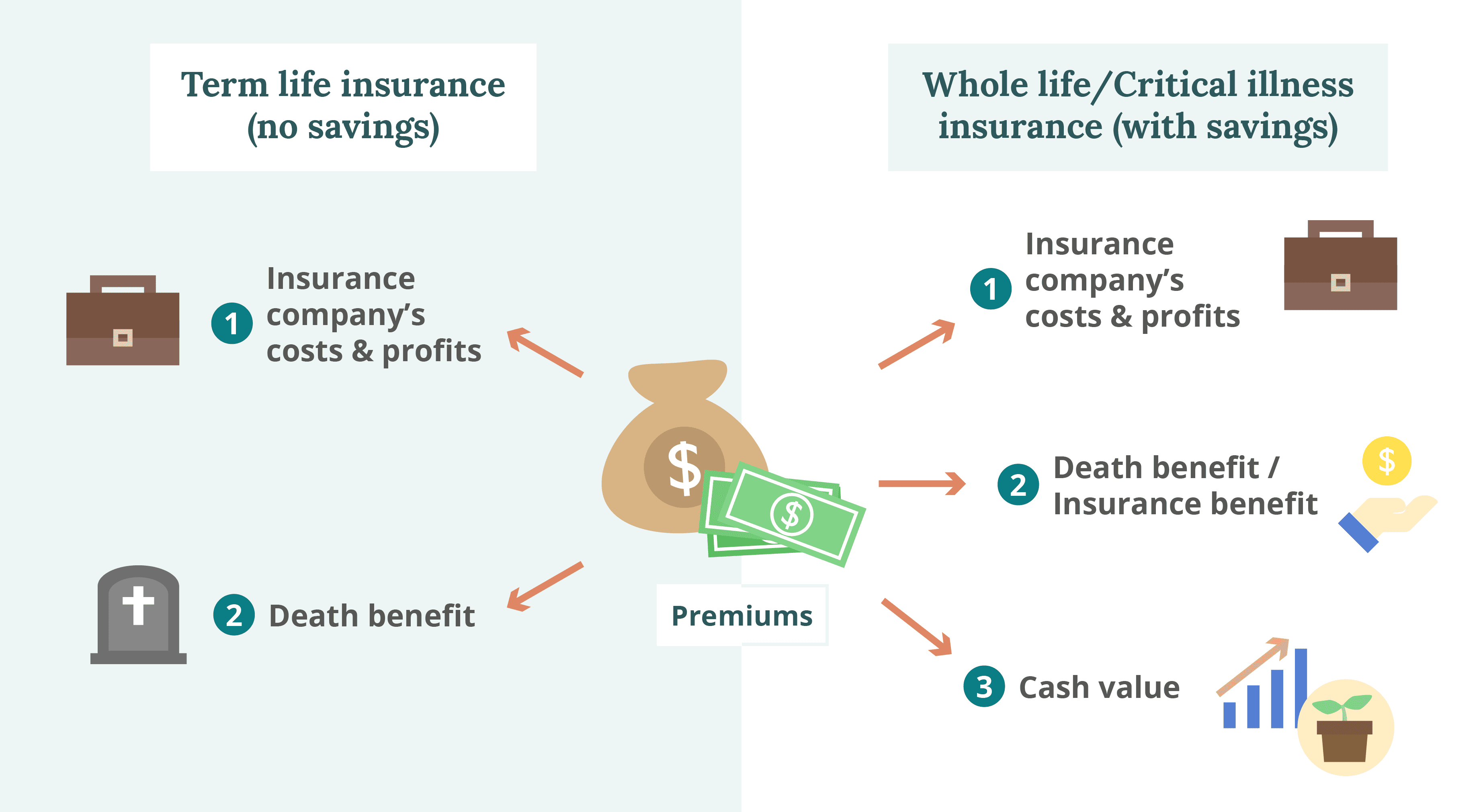
When you purchase a whole life policy in Hong Kong, your premium is generally split into three directions: the cost of insurance (the risk portion), administrative fees, and the savings component. Because the insurer is committing to a lifelong payout, premiums are significantly higher than those for term insurance, especially in the early years of the policy.
The Role of the Insurance Authority (IA)
The Hong Kong Insurance Authority oversees all insurers to ensure they maintain adequate solvency margins and treat customers fairly. One of the most important regulatory features for whole life insurance is Guidance Note 16 (GN16) on Underwriting Long Term Insurance Business. This requires insurers to publish "fulfillment ratios," which show how actual dividend payouts compare to the illustrated amounts shown at the time of sale. This transparency is vital for consumers evaluating the historical performance of different whole life products.
Guaranteed vs. Non-Guaranteed Benefits
Whole life policies in Hong Kong typically feature a mix of guaranteed and non-guaranteed benefits.
- Guaranteed Cash Value: This is the amount the insurer is legally obligated to pay if you surrender the policy. It is defined in the policy contract and does not fluctuate with market conditions.
- Non-Guaranteed Dividends/Bonuses: These are based on the insurer's investment performance, claims experience, and expenses. In Hong Kong, these usually take the form of Reversionary Bonuses (added to the sum assured) or Terminal Bonuses (paid out only upon death or surrender).
Key Features and Benefits
To understand whole life insurance in Hong Kong, one must look at the specific mechanisms that differentiate it from other financial products.
Lifelong Protection
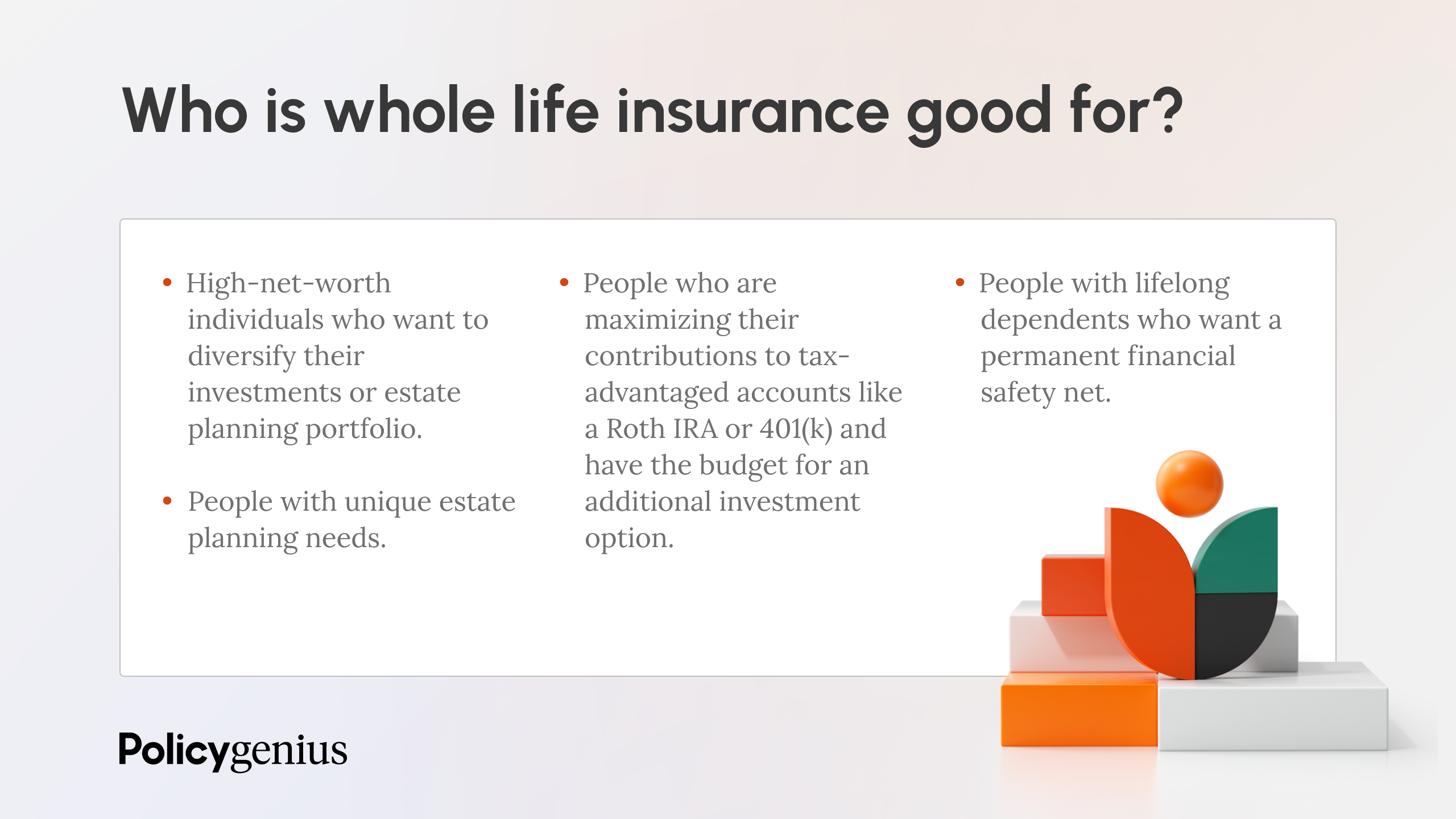
The primary purpose is the death benefit. Whether the insured passes away at age 40 or 100, the policy pays out to the beneficiaries. This provides peace of mind for those with lifelong dependents, such as children with special needs or a spouse who relies on the insured’s income.
Cash Value Accumulation
Over decades, the cash value in a Hong Kong whole life policy can grow substantially. By 2026, many policies utilize diversified global investment portfolios, including equities, fixed income, and real estate, to drive the non-guaranteed portion of the growth. This makes whole life an attractive option for "forced savings," where individuals commit to a long-term premium plan.
Policy Loans and Liquidity
If a policyholder faces a financial emergency, they can often borrow against the cash value of their whole life policy. These loans usually have lower interest rates than unsecured personal loans and do not require credit checks. However, any unpaid loan balance is deducted from the death benefit if the insured passes away.
Legacy Planning and Wealth Transfer
In Hong Kong's high-net-worth environment, whole life insurance is a preferred tool for wealth transfer. Because the payout is usually fast and bypasses the lengthy probate process, it provides immediate liquidity to heirs to pay for funeral expenses, outstanding debts, or to maintain their lifestyle.
Types of Whole Life Insurance in Hong Kong
The market offers several variations of whole life insurance to suit different financial goals and stages of life.
| Feature | Traditional Whole Life | Limited-Pay Whole Life | Wealth Accumulation Whole Life |
|---|---|---|---|
| Premium Period | For the insured's entire life. | Fixed term (e.g., 5, 10, or 20 years). | Often short-pay (1-5 years). |
| Primary Goal | Steady protection and growth. | Finishing payments before retirement. | Maximizing cash value/dividends. |
| Death Benefit | High initial protection. | High initial protection. | Lower initial protection, grows later. |
| Best For | Young families on a budget. | Professionals in peak earning years. | Legacy planning and retirement. |
Traditional Whole Life
Premiums are paid until the death of the insured. This results in the lowest annual premium but the highest total cost over a lifetime. It is less common in modern Hong Kong as consumers prefer to finish their financial obligations before they retire.
Limited-Pay Whole Life
This is the most popular choice in 2026. Policyholders pay premiums for a set period—such as 10 or 20 years—after which the policy is "paid up" and remains in force forever without further payments. This aligns well with the typical career span of a Hong Kong professional.
Participating vs. Non-Participating
Almost all whole life policies sold by major insurers like AIA, Prudential, and Manulife in Hong Kong are participating. Non-participating policies offer only guaranteed amounts and no dividends, which are rare because they offer no protection against inflation.
Comparing Whole Life vs. Term Life Insurance
The choice between whole life and term life is a classic debate in personal finance. In Hong Kong, where the cost of living is high, the choice often depends on the balance between "protection" and "investment."
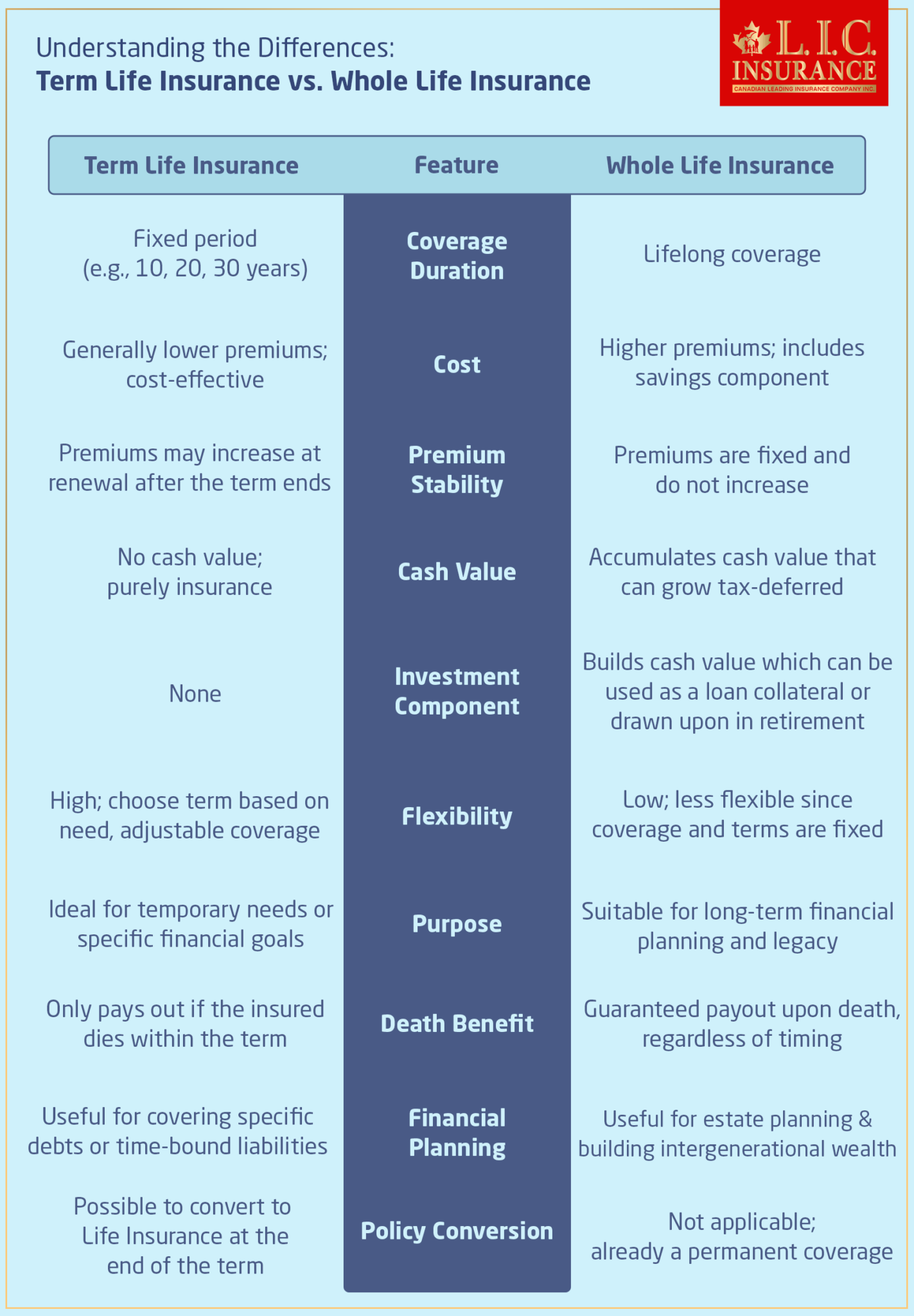
Term Life Insurance is pure protection. You pay a premium for a specific period (e.g., 20 years). If you die during that term, the policy pays out. If you survive, the policy ends with no value. It is significantly cheaper than whole life, making it ideal for young families who need large amounts of coverage for a low cost.
Whole Life Insurance is more expensive because it covers a certainty (death will eventually happen) rather than a possibility. It acts as an asset on your balance sheet. For many Hong Kongers, the psychological benefit of "getting their money back" through the cash value makes whole life more appealing than term insurance, which is often viewed as a "sunk cost."
Factors Influencing Premiums
When applying for a whole life policy in 2026, several factors will determine your premium:
- Age at Entry: The younger you are, the lower the premium. This is why many parents in Hong Kong buy whole life policies for their children to lock in extremely low rates.
- Health Status: Hong Kong insurers use rigorous medical underwriting. Pre-existing conditions may lead to higher premiums (loading) or exclusions.
- Smoking Status: Smokers in Hong Kong typically pay 30% to 50% more for the same level of coverage compared to non-smokers.
- Sum Assured: The higher the death benefit you choose, the higher the premium.
- Premium Payment Term: Short-pay options (e.g., 5 years) have much higher annual premiums than long-pay options (e.g., 20 years).
Common Mistakes and Considerations
Buying whole life insurance is a multi-decade commitment. Before signing a contract, consider these common pitfalls:
- Surrendering Early: If you cancel a whole life policy in the first few years, the surrender value is often zero or very low. You will likely lose most of the premiums you paid.
- Over-reliance on Non-Guaranteed Projections: While GN16 fulfillment ratios provide transparency, past performance does not guarantee future results. Ensure that the guaranteed portion of the policy meets your minimum needs.
- Under-insurance: Because whole life is expensive, some people buy a small whole life policy when they actually need a much larger term policy to protect their family's mortgage and lifestyle.
- Ignoring the Inflation Risk: Ensure the death benefit and potential growth are sufficient to combat the rising cost of living in Hong Kong over the next 30 to 50 years.
How to Choose the Right Policy in Hong Kong
Choosing a policy requires evaluating both the insurer and the product. Start by checking the Insurance Authority's register of authorized insurers to ensure the company is in good standing.
Next, look at the fulfillment ratios of the specific product. This data is usually available on the insurer's website under "Regulatory Disclosures" or "Dividend Philosophy." A ratio close to 100% indicates the insurer has historically met its dividend promises.
Finally, consider the flexibility of the policy. Does it allow for "premium holidays" if you lose your job? Can you add riders (additional benefits) for critical illness or total disability? In 2026, many Hong Kong policies offer "multi-currency" options, allowing you to change the policy currency later in life, which is a valuable feature for those planning to retire abroad.
Frequently Asked Questions
Is whole life insurance better than term insurance in Hong Kong?
Neither is objectively "better"; they serve different needs. Term insurance is best for high-coverage needs at a low cost during your working years. Whole life is better for long-term savings, legacy planning, and lifelong protection. Many financial advisors recommend a "laddered" approach using both.
Can I withdraw money from my whole life policy?
Yes, you can access funds through a policy loan, a partial surrender of the cash value, or by withdrawing accumulated dividends. However, these actions will reduce the total death benefit and the future growth potential of the policy.
What happens if I stop paying premiums?
If your policy has accumulated enough cash value, the insurer may initiate an "Automatic Premium Loan" (APL) to cover the missed payments, keeping the policy in force. If there is no cash value, the policy will lapse. Some policies also offer a "Reduced Paid-Up" option, where you stop paying and the death benefit is lowered but remains in force.
Are dividends in Hong Kong whole life policies guaranteed?
No. Dividends (also called bonuses) are non-guaranteed. They depend on the insurer's investment performance and other factors. However, once a "Reversionary Bonus" is declared and added to your policy, that specific amount usually becomes guaranteed and cannot be taken back.
Is the death benefit taxable in Hong Kong?
As of 2026, Hong Kong does not impose estate duty (inheritance tax), nor does it tax the proceeds of life insurance policies paid to beneficiaries. This makes life insurance a highly tax-efficient way to pass wealth to the next generation.
Next Actions for Prospective Buyers
If you are considering whole life insurance in Hong Kong, your first step should be a thorough needs analysis. Calculate your total liabilities (mortgage, debts) and your family's future needs (education, living expenses).
- Request Multiple Illustrations: Ask for "standard" and "pessimistic" scenarios to see how the policy performs if dividends are lower than expected.
- Verify the Fulfillment Ratios: Check the insurer's track record for the specific product series.
- Consult an Independent Broker: Unlike tied agents who represent one company, brokers can compare products across multiple insurers like AIA, AXA, and HSBC Life to find the best fit for your budget and goals.
Image Gallery