Does Noom Work for Weight Loss? A 2026 Analysis of Science, Psychology, and Results
Noom is effective for weight loss for individuals who engage consistently with its psychology-based curriculum. Unlike restrictive diets, Noom utilizes Cognitive Behavioral Therapy (CBT) to modify eating habits and address the emotiona...
Noom is effective for weight loss for individuals who engage consistently with its psychology-based curriculum. Unlike restrictive diets, Noom utilizes Cognitive Behavioral Therapy (CBT) to modify eating habits and address the emotional triggers of overeating. Clinical data suggests that users who log meals and complete daily lessons achieve sustainable, long-term weight reduction.
Contents
Understanding the Noom Philosophy: Psychology-Based Weight Loss
By 2026, the weight loss industry has shifted significantly away from "crash dieting" toward sustainable behavioral change. Noom has remained a leader in this space by prioritizing the "why" behind eating rather than just the "what." At its core, Noom is a mobile health platform that applies Cognitive Behavioral Therapy (CBT) principles to weight management.
CBT is a psycho-social intervention that aims to improve mental health by focusing on challenging and changing unhelpful cognitive distortions and behaviors. In the context of Noom, this means identifying "thought loops" that lead to emotional eating, social pressure indulgence, or "all-or-nothing" thinking. Instead of banning specific food groups, Noom teaches users how to recognize these triggers and develop healthier coping mechanisms. This approach is designed to create a permanent shift in mindset, making it more likely for the user to maintain weight loss once the initial program concludes.
The program also integrates the concept of Volumetrics, a nutritional strategy that focuses on the energy density of foods. By prioritizing foods with high water and fiber content, users can feel full while consuming fewer calories. This scientific foundation helps mitigate the hunger pangs that often lead to the failure of traditional low-calorie diets.
The Core Mechanics: How Noom Functions Daily
Navigating Noom involves more than just a calorie tracker; it is an interactive educational experience. As of 2026, the app's interface has become increasingly streamlined, focusing on three primary pillars: daily lessons, food logging, and coaching support.
The Color-Coded Food Logging System
Noom categorizes foods into a color-coded system—Green, Yellow, and Orange (formerly Red)—based on caloric density. This system is designed to guide users toward nutrient-dense options without forbidding any specific item.
- Green Foods: These have the lowest caloric density and the highest concentration of nutrients. They include vegetables, fruits, whole grains, and non-fat dairy. Users are encouraged to make these the bulk of their diet.
- Yellow Foods: These contain more calories and less fiber/water than green foods. Examples include lean meats, legumes, and low-fat dairy. They should be consumed in moderate portions.
- Orange Foods: These are the most calorie-dense and often contain higher amounts of fat or sugar. This category includes oils, nuts, red meats, and desserts. Noom does not label these as "bad," but recommends smaller portions.
Daily Lessons and CBT Skills
Every day, users are presented with a series of short, 5-to-10-minute lessons. These modules cover topics ranging from the biology of metabolism to the psychology of stress management. By 2026, these lessons have been refined using AI-driven personalization to address the specific challenges a user reports, such as late-night snacking or "stress-baking." These lessons are the "secret sauce" of the app, providing the technical knowledge required to navigate real-world food environments.
Scientific Evidence: Does It Actually Work?
The efficacy of Noom is supported by various peer-reviewed studies. One of the most cited studies, published in Scientific Reports, analyzed data from over 35,000 Noom users. The researchers found that approximately 78% of participants lost weight while using the app over an 18-month period. Notably, the study highlighted that those who logged their dinner more frequently experienced more significant weight loss.
Further research published in the Journal of Health Communications emphasized the role of the digital coach and the community group in maintaining motivation. By 2026, longitudinal data continues to suggest that Noom’s emphasis on habit formation leads to better weight maintenance than traditional calorie-counting apps alone.
However, it is important to note that Noom is a tool, not a cure. Its success is heavily dependent on user adherence. Those who stop logging or skip the psychological lessons are significantly more likely to regain weight, as they haven't fully internalized the behavioral changes the program promotes.
Noom Med and the Integration of GLP-1 Support
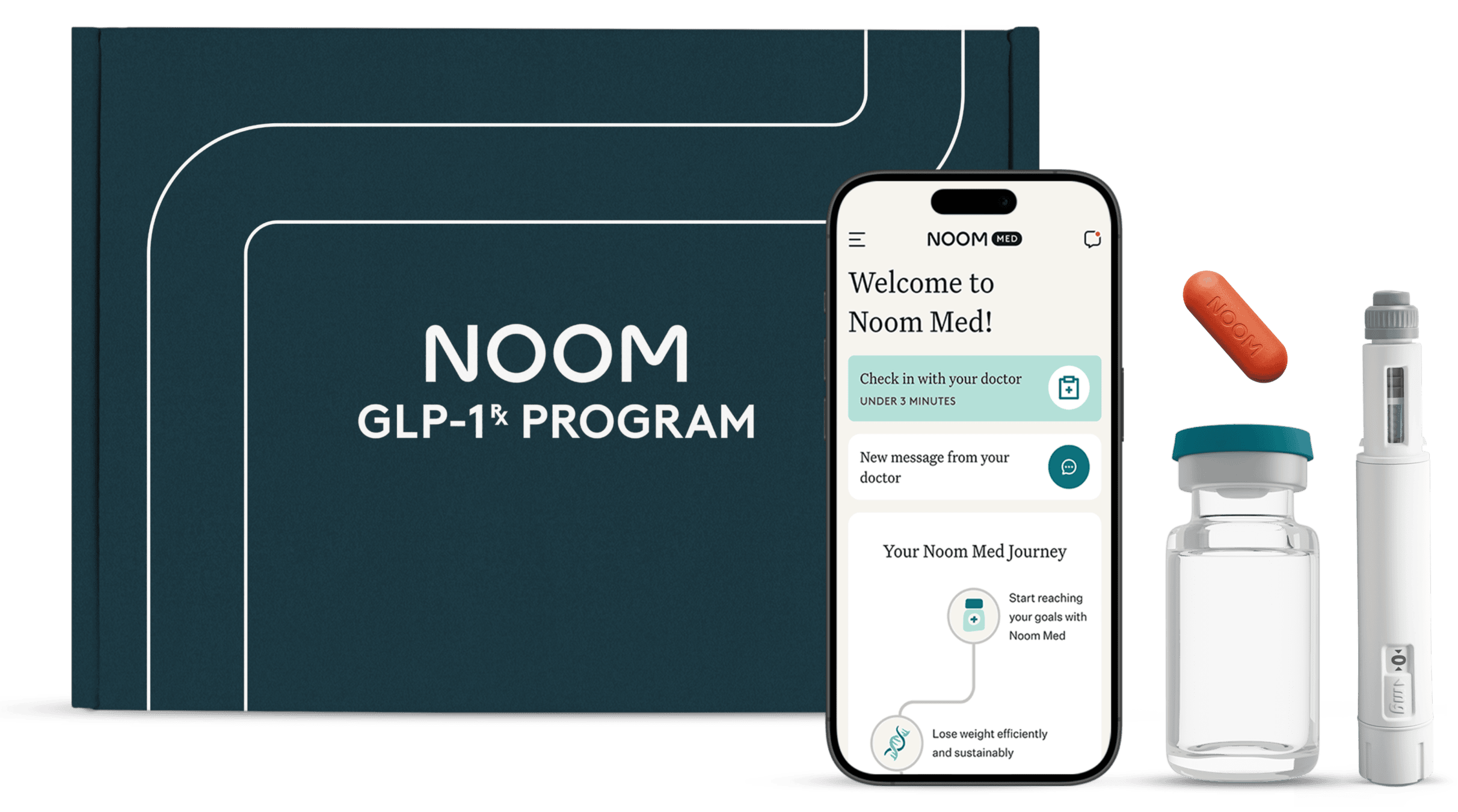
A major evolution in the Noom ecosystem leading into 2026 is Noom Med. Recognizing the biological components of obesity, Noom launched a clinical program that combines its psychological curriculum with medical weight loss interventions, including GLP-1 receptor agonists (such as semaglutide).
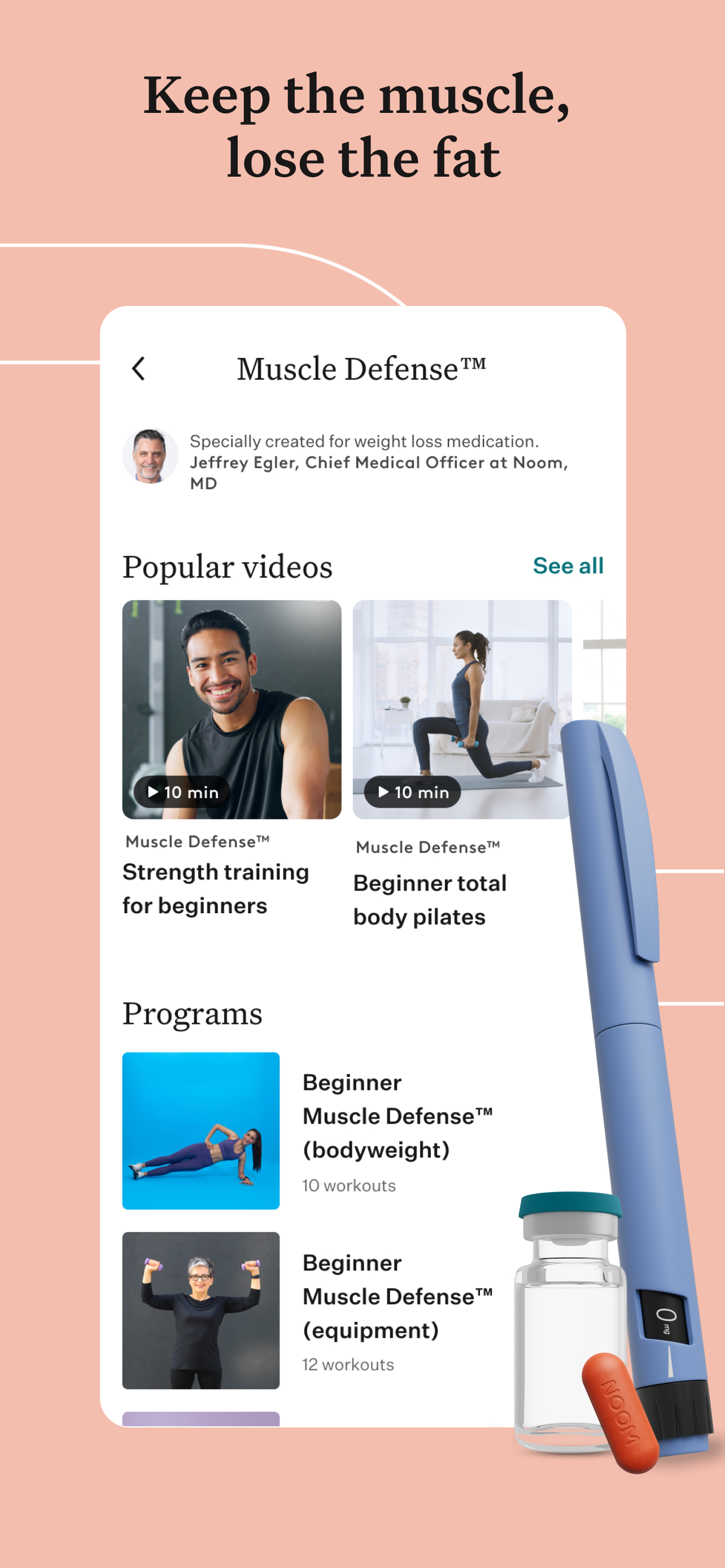
For users with significant metabolic hurdles, Noom Med provides access to board-certified physicians who can prescribe medication when clinically appropriate. This hybrid approach acknowledges that while psychology is vital, some individuals require pharmacological assistance to manage hunger hormones like ghrelin and GLP-1. The "Noom GLP-1 Companion" program specifically focuses on protein intake and muscle preservation, addressing common side effects of these medications while ensuring the user still learns the behavioral skills necessary for long-term health.
Comparing Noom to Traditional Alternatives
When deciding if Noom is the right choice, it is helpful to compare it against other industry leaders like WeightWatchers (WW) or standard tracking apps like MyFitnessPal.
| Feature | Noom | WeightWatchers (WW) | MyFitnessPal |
|---|---|---|---|
| Primary Method | CBT Psychology & Volumetrics | Points System (Nutrient-based) | Calorie & Macro Tracking |
| Food Categorization | Green/Yellow/Orange (Density) | Points (Complexity-based) | No categories (User-defined) |
| Daily Commitment | 10-15 mins of lessons + logging | Logging and weekly meetings | Logging only |
| Coaching | Digital/On-demand AI + Human | Group workshops & 1-on-1 | Primarily community forums |
| Scientific Focus | Behavioral Change | Portion Control/Nutrition | Quantitative Tracking |
| Cost (Approx. 2026) | $70/mo or $200/year | $25-$45/mo | Free or $20/mo (Premium) |
Cost, Subscriptions, and Value for Money in 2026
Noom is positioned as a premium health service rather than a simple utility app. In 2026, pricing typically follows a tiered subscription model. While monthly plans exist at approximately $70, most users opt for multi-month bundles (e.g., 4 to 12 months) which significantly reduce the monthly cost to roughly $17–$30.
The value proposition of Noom lies in its "all-in-one" nature. Users are paying for:
- A comprehensive nutritional database.
- A daily psychological curriculum.
- Access to a personal health coach or support group.
- Exercise and water tracking tools.
For many, the cost is a "commitment device"—a financial investment that increases the likelihood of sticking with the program. However, for budget-conscious individuals who only require a calorie counter, the high price tag may be a deterrent compared to free alternatives.
Potential Drawbacks and Limitations
Despite its success, Noom is not suitable for everyone. There are several technical and psychological limitations to consider:
- Calorie Counting Fatigue: Despite the color-coding, Noom still requires manual food logging. For some, this can become tedious or lead to obsessive behaviors regarding food.
- History of Eating Disorders: The constant focus on weight and caloric tracking can be triggering for individuals with a history of disordered eating. Noom explicitly advises such individuals to consult a medical professional before joining.
- Coaching Variability: While Noom uses human coaches, the level of interaction can vary. Some users find the coaching to be too automated or "scripted," especially in the lower-tier subscription levels.
- App Dependency: There is a risk that users become dependent on the app's feedback loop rather than developing an intuitive sense of hunger and fullness.
Expert Guidance: How to Maximize Results on Noom
To get the most out of the Noom platform in 2026, experts recommend the following strategies:
- Prioritize the Lessons over the Scale: Weight fluctuates daily due to water retention and glycogen. The lessons provide the long-term skills; focus on completing those even if the scale doesn't move for a few days.
- Be Honest with Logging: The "Orange" category is not a failure. Accurately logging high-calorie foods allows the algorithm to provide better feedback and helps you identify your actual caloric intake.
- Use the Community Wisely: Engaging with your assigned group can provide social accountability. Sharing successes and failures helps normalize the "ups and downs" of the weight loss journey.
- Integrate with Wearables: In 2026, Noom syncs seamlessly with most smartwatches and health platforms (Apple Health, Google Fit). Automating your step count and exercise tracking reduces the manual burden of the app.
FAQs
Is Noom just a glorified calorie counter?
No. While it includes calorie tracking, the core of the program is the daily educational curriculum based on Cognitive Behavioral Therapy. The goal is to change your relationship with food, whereas a standard calorie counter only tracks what you have already eaten without providing the "how-to" for changing future behavior.
Can I eat whatever I want on Noom?
Technically, yes. There are no "forbidden" foods. However, the color-coded system incentivizes you to choose foods that are lower in caloric density so that you can eat more volume while staying within your calorie budget. If you choose to eat only "Orange" foods, you will likely find yourself hungry and over your daily limit.
How much weight can I expect to lose?
According to Noom, a safe and sustainable rate is 1-2 pounds per week. While some users may see a rapid initial drop (often due to water weight), the program is designed for gradual, long-term loss through habit modification.
Does Noom work for people with diabetes?
Noom offers a specific Diabetes Management program. This version focuses on blood glucose management and carbohydrate awareness in addition to the standard CBT curriculum. However, anyone with a medical condition should consult their doctor before starting a new nutritional program.
Can I cancel Noom at any time?
Yes, but the refund policy usually depends on the type of subscription purchased. Most users can cancel through the app settings or the website, but it is important to check the terms if you have signed up for a long-term, discounted bundle.
Final Recommendation
Noom is a highly effective tool for those who are ready to commit to a psychological overhaul of their lifestyle. It is particularly well-suited for individuals who have tried "fad diets" in the past and failed because they didn't address the underlying behavioral reasons for their eating habits. If you are looking for a quick fix or a hands-off approach, the daily lesson requirements may feel burdensome. However, for those seeking a science-backed, comprehensive guide to sustainable health in 2026, Noom remains a premier choice.
Image Gallery