Famous Donnas: From the Disco Queen to Modern Influencers
The name "Donna" has served as a cultural touchstone for decades, evolving from the 1970s disco dominance of Donna Summer to the fashion-forward entrepreneurship of Donna Karan and the modern industry leadership of Donna Langley. These...
The name "Donna" has served as a cultural touchstone for decades, evolving from the 1970s disco dominance of Donna Summer to the fashion-forward entrepreneurship of Donna Karan and the modern industry leadership of Donna Langley. These women transitioned the name from a traditional label into a symbol of multi-generational influence, artistic innovation, and digital-age leadership.
Contents
The Architect of the Dance Floor: Donna Summer
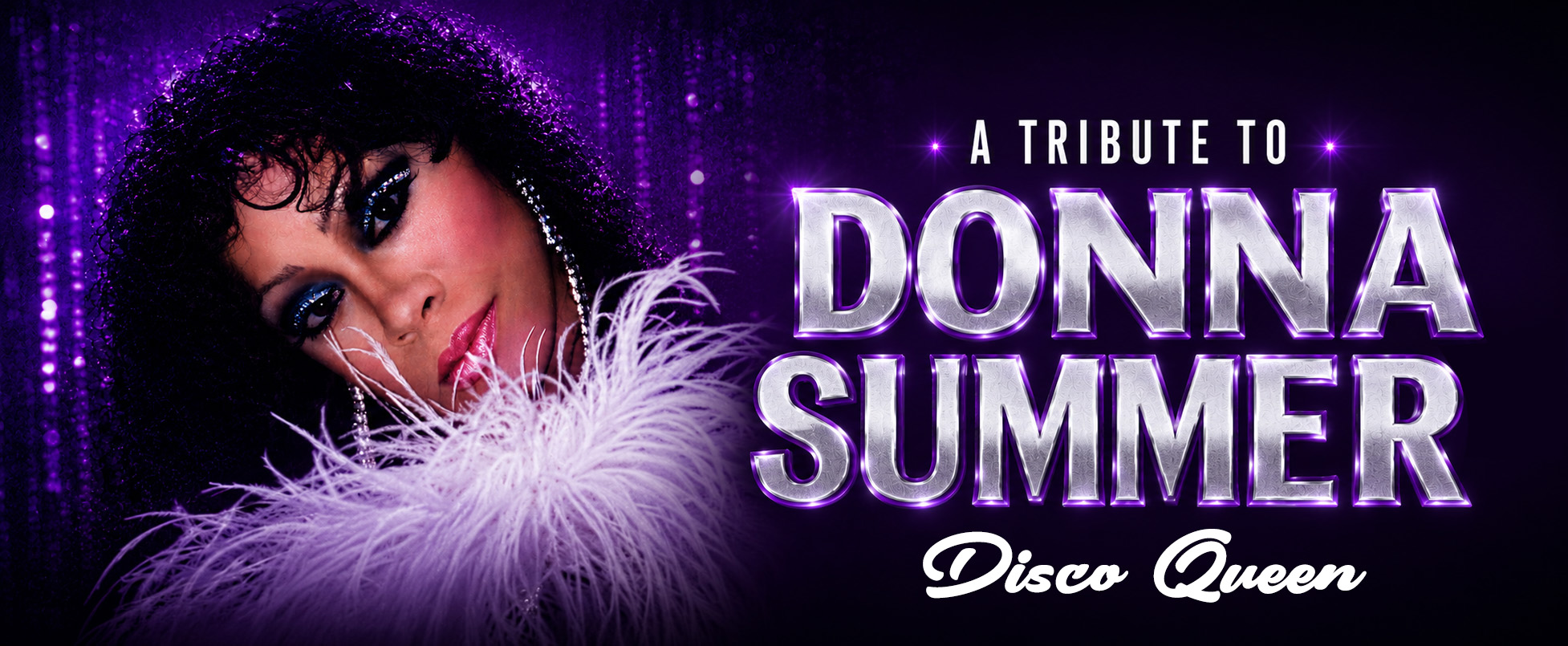
No discussion of the name "Donna" can begin without the definitive "Disco Queen," Donna Summer. Rising to prominence in the mid-1970s, Summer was not merely a singer; she was a pioneer of electronic music and a visual icon who defined the aesthetics of an entire era. Her collaboration with producer Giorgio Moroder on tracks like "I Feel Love" in 1977 introduced the world to the Moog synthesizer, effectively laying the groundwork for the modern Electronic Dance Music (EDM) movement that continues to dominate charts in 2026.
Summer’s influence was rooted in her ability to blend gospel-trained vocals with the futuristic, mechanical beats of the Munich sound. This juxtaposition created a blueprint for the modern pop star: a persona that is both humanly vulnerable and technologically advanced. Throughout the late 70s, Summer achieved a string of hits including "Last Dance," "Hot Stuff," and "Bad Girls," becoming the first artist to have three consecutive double albums reach number one on the Billboard charts.
Her legacy in 2026 is viewed through the lens of intersectionality and genre-blurring. Summer broke racial and gender barriers in a genre that was often dismissed as superficial. By the time of her induction into the Rock & Roll Hall of Fame, it was clear that her "Donna" was a brand of resilience and constant reinvention, moving from disco to rock, and eventually to inspirational music.
Redefining the Professional Woman: Donna Karan
As the disco era faded, a new "Donna" rose to define the 1980s and 90s: Donna Karan. If Summer provided the soundtrack for the night, Karan provided the wardrobe for the day. Karan launched her namesake brand in 1984, introducing the revolutionary concept of "Seven Easy Pieces." This was a modular wardrobe system designed for the working woman, centered around the bodysuit.
Karan’s philosophy was radical for its time. She understood that as women entered the executive workforce in record numbers, they needed clothing that offered both authority and comfort. Her designs moved away from the rigid, male-imitating "power suits" of the early 80s toward draped fabrics and feminine silhouettes that did not sacrifice professionalism.
The expansion into DKNY (Donna Karan New York) in 1989 further solidified her influence, capturing the energy of urban life and making high fashion accessible to a younger, more diverse audience. In the retrospective view of 2026, Karan is celebrated as an early architect of the "lifestyle brand." She didn't just sell clothes; she sold a New York state of mind. Her departure from her company in 2015 did not diminish her impact, as her "Seven Easy Pieces" philosophy remains a cornerstone of sustainable, minimalist fashion movements today.
The Screen Icon: Donna Mills and the Power of the Persona
In the realm of television, Donna Mills became the face of the primetime soap opera boom. Playing the manipulative yet mesmerizing Abby Cunningham on Knots Landing from 1980 to 1989, Mills redefined the "femme fatale" for the television age. Unlike the one-dimensional villains of previous eras, Mills’ portrayal was nuanced—a woman navigating power dynamics in a male-dominated corporate and social landscape.
Mills’ influence extended beyond her acting. She was a pioneer in celebrity beauty branding. Her signature eye makeup became a national trend, leading her to release a hugely successful instructional video, The Eyes Have It, in 1986. This move was a precursor to the modern influencer's transition from talent to product mogul. In 2026, Mills is often cited as an early example of how a television personality could leverage "screen time" into a lucrative personal brand, a strategy now ubiquitous among social media stars.
The Literary Force: Donna Tartt
The "Donna" legacy is not limited to the visual and performing arts; it holds significant weight in contemporary literature through Donna Tartt. Winning the Pulitzer Prize for Fiction for The Goldfinch in 2014, Tartt became a symbol of "slow culture." Known for publishing only one novel every decade—The Secret History (1992), The Little Friend (2002), and The Goldfinch (2013)—she represents an antithesis to the rapid-fire content consumption of the digital age.
Tartt’s influence on modern influencers is particularly fascinating. The Secret History is credited with spawning the "Dark Academia" aesthetic, a massive subculture on platforms like TikTok and Instagram. Influencers in 2026 continue to draw inspiration from her descriptions of Greek tragedies, collegiate aesthetics, and intellectual isolation. Tartt proves that a "Donna" can be a quiet, mysterious force, wielding influence through depth and meticulous craft rather than constant public presence.
Modern Power Players and Digital Influencers
As we navigate 2026, the name Donna has transitioned into the upper echelons of corporate media and the decentralized world of social media.
Donna Langley: The Hollywood Titan
Donna Langley, the Chairman of NBCUniversal Studio Group and Chief Content Officer, represents the modern evolution of the name. Langley has been instrumental in steering major franchises like Fast & Furious, Jurassic World, and Oppenheimer. Her influence is felt in the strategic shift toward global theatrical releases and the integration of streaming platforms. She represents the "Donna" of the boardroom—a figure who shapes what the world watches, moving from the front of the camera to the power behind the screen.
The Rise of the Micro-Donna
In the influencer sphere, we see a shift toward "Micro-Donnas"—specialists in niche fields such as wellness, interior design, and financial literacy. These creators often use the name to evoke a sense of reliability and classic wisdom, even as they utilize cutting-edge AI tools to engage with their audiences. Whether it is Donna Farhi in the world of professional yoga or tech influencers focusing on ethical AI, the name continues to carry a weight of established expertise.
Comparative Impact of Iconic Donnas
The following table summarizes the different spheres of influence occupied by these prominent figures, illustrating how the "Donna" brand has shifted over time.
| Name | Primary Era | Primary Industry | Key Cultural Contribution |
|---|---|---|---|
| Donna Summer | 1970s - 1980s | Music / Entertainment | Pioneer of EDM and "Disco Queen" status. |
| Donna Karan | 1980s - 2000s | Fashion / Retail | Created the "Seven Easy Pieces" for working women. |
| Donna Mills | 1980s | Television | Redefined the TV antagonist; early beauty influencer. |
| Donna Tartt | 1990s - 2020s | Literature | Architect of the "Dark Academia" aesthetic. |
| Donna Langley | 2010s - 2026 | Film / Corporate | Modern Hollywood powerhouse and studio executive. |
The Evolution of Influence: From Stage to Smartphone
The transition from Donna Summer’s stage presence to the digital presence of modern influencers highlights a fundamental change in how fame is cultivated. In the 1970s, influence was top-down; it required a record label, a film studio, or a major publisher. Donna Summer needed the machinery of Casablanca Records to reach the masses.
In contrast, the "Donnas" of the 2020s and 2026 operate in a landscape where influence is earned through direct engagement. However, the core attributes remain the same:
- Innovation: Like Summer’s use of the synthesizer, modern influencers must adopt new technologies (such as VR and AI-driven content) to stay relevant.
- Utility: Like Karan’s wardrobe, modern influence must solve a problem for the follower—whether that is "what to wear" or "how to think" about a complex issue.
- Aesthetic Branding: Like Donna Tartt’s literary worlds, modern creators must build a recognizable "vibe" that followers can inhabit.
Frequently Asked Questions
Why is Donna Summer considered a "Disco Queen" even in 2026?
Donna Summer holds this title because she didn't just sing disco; she innovated the genre. By incorporating electronic elements and gospel-style power, she created a sound that outlasted the disco craze. Her music remains a staple in clubs and is frequently sampled by modern pop and house artists, ensuring her relevance decades after her peak.
How did Donna Karan influence modern "capsule wardrobes"?
Karan’s "Seven Easy Pieces" was the original capsule wardrobe. She taught consumers that a small number of high-quality, interchangeable items was superior to a closet full of disparate pieces. This philosophy is the direct ancestor of today's sustainable fashion movement, which emphasizes "buying less but better."
Is the "Dark Academia" trend really linked to Donna Tartt?
Yes. While the aesthetic draws from many sources, Tartt’s The Secret History is widely considered the foundational text of Dark Academia. Its themes of elite education, classic literature, and aestheticized tragedy are the primary inspirations for the visual style and "intellectual" persona adopted by millions of students and influencers online.
Who is the most influential Donna in business today?
As of 2026, Donna Langley is arguably the most influential. As a top executive at NBCUniversal, she controls vast budgets and dictates the production and distribution of global media. Her decisions influence cultural trends, fashion through film, and the technological direction of the entertainment industry.
Are there any prominent influencers named Donna today?
While the name "Donna" is currently more associated with established industry leaders, many modern influencers use it as part of their branding to signal "classic" or "trusted" advice. Furthermore, the name is seeing a resurgence among "Gen Alpha" as a vintage-chic name, suggesting a new wave of influencers named Donna may emerge by the end of the decade.
Practical Recommendation for Aspiring Influencers
If you are looking to build a brand with the longevity of these iconic figures, focus on foundational innovation rather than chasing fleeting trends.
- Identify Your "Seven Pieces": Define the core pillars of your content that provide actual utility to your audience.
- Embrace Technological Shifts: Don't fear new tools; use them to enhance your "human" voice, much like Donna Summer used the Moog synthesizer to enhance her vocals.
- Build a Narrative World: Whether through writing, fashion, or video, create an aesthetic that is uniquely yours and that others want to emulate.
The history of famous Donnas shows that the most successful women are those who bridge the gap between their unique talent and the evolving needs of their audience.
Image Gallery