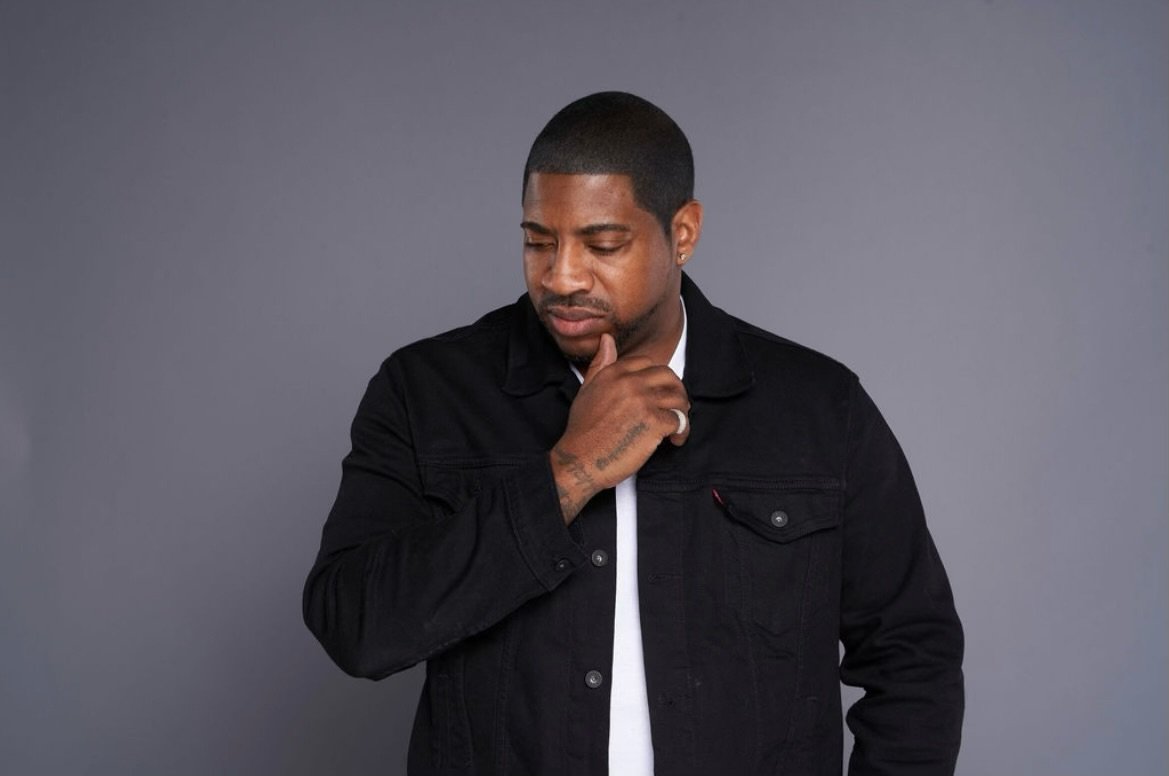
The DJ Holiday Net Worth Explained: A Deep Dive into His Financial Landscape
DJ Holiday’s financial standing is the result of a multifaceted career as an influential mixtape disc jockey, radio personality, and producer, with estimates of his net worth typically falling in the range of $1 million to $3 million a...
DJ Holiday’s financial standing is the result of a multifaceted career as an influential mixtape disc jockey, radio personality, and producer, with estimates of his net worth typically falling in the range of $1 million to $3 million as of 2026. This valuation reflects decades of industry work, brand partnerships, and steady income streams from both independent projects and major media collaborations.
Contents
The business of being a prominent hip-hop DJ has evolved significantly since the early 2000s, shifting from physical mixtape sales to digital dominance and personality-based brand building. To understand how figures like DJ Holiday accumulate wealth, one must look past simple performance fees and consider the broader ecosystem of revenue streams available to high-profile radio and club personalities.
The Foundation of DJ Holiday’s Career
Born in Germany and raised in the United States, DJ Holiday gained significant traction in the Atlanta music scene, which has long served as a global epicenter for hip-hop and trap music. His rise to prominence was cemented through the "Holiday Season" mixtape series, a brand that became synonymous with the street-level promotion of major artists.
Unlike DJs who focus solely on live performance, Holiday utilized the mixtape medium to act as an A&R (Artist and Repertoire) scout and a marketing channel. By breaking records for artists like Gucci Mane and Waka Flocka Flame, he established himself as a kingmaker. In the music industry, this level of influence translates directly into higher booking fees, premium endorsement potential, and a platform that commands respect from label executives.
Primary Revenue Streams for Professional DJs
A DJ's net worth is rarely the result of a single salary. Instead, it is the accumulation of multiple active and passive income streams. For an artist at DJ Holiday’s level, these streams typically break down into the following categories:
- Event and Club Bookings: This remains the bread and butter of the industry. Fees can range from a few thousand dollars to tens of thousands per night depending on the venue, city, and the DJ's current relevance.
- Radio Personality Income: Long-standing tenures at stations like Streetz 94.5 in Atlanta provide a consistent base salary. Radio affords the DJ visibility, which in turn drives higher-paying club appearances.
- Digital Distribution and Streaming: While the era of selling physical CDs at gas stations has passed, revenue today comes from platform-based monetization. DJs earn royalties through digital service providers (DSPs) when they host or curate projects that reach significant streaming numbers.
- Brand Sponsorships and Endorsements: High-profile DJs are effectively influencers. Alcohol brands, footwear companies, and audio equipment manufacturers often partner with DJs for product placement or regional campaigns.
- Touring and Festival Circuit: Performing as the designated DJ for a major touring artist provides a different economic model. Rather than single-night club fees, these roles often pay a weekly salary or a flat rate per tour leg, providing greater financial stability.
The Business of Mixtapes and Curation
The "mixtape DJ" business model underwent a massive transformation with the advent of platforms like DatPiff, SoundCloud, and later, the dominance of Spotify and Apple Music. In the 2000s, a DJ's net worth was heavily tied to their ability to distribute physical media. Today, the value lies in their "ear" and their database of contacts.
DJ Holiday’s reputation for having his finger on the pulse of Atlanta’s underground scene allowed him to pivot from a pure distributor to a curator. When a DJ of his stature puts a stamp of approval on a track, it increases the likelihood of that song becoming a hit. This "curator power" is monetized through sync licensing deals, consulting for record labels, and securing production credits on albums.
Comparative Financial Context in the DJ Industry
To better understand the scale of professional DJ earnings, it is helpful to look at the different tiers of the profession. While superstar EDM DJs often command eight-figure incomes, urban radio and club DJs operate on a scale that emphasizes longevity and local influence.
| DJ Tier | Primary Revenue Source | Estimated Annual Earning Potential |
|---|---|---|
| Local/Club DJ | Door cover split, drink specials | $20,000 – $50,000 |
| Regional/Radio DJ | Salary, event bookings, hosting | $100,000 – $300,000 |
| National/Influential DJ | Multi-city tours, brand deals, media | $500,000 – $2,000,000+ |
| Global Superstar (EDM/Pop) | Global festival headlining, residencies | $10,000,000+ |
DJ Holiday occupies the "National/Influential" tier. His net worth is insulated by his ability to maintain relevance across multiple decades, moving from mixtape culture to radio, and now into digital content creation and podcasting.
Factors Affecting Net Worth Volatility
The net worth of an artist like DJ Holiday is not a static number. It is subject to market fluctuations, changes in the music industry's fiscal landscape, and personal business ventures.
- Market Demand: A DJ’s value is intrinsically tied to the popularity of the genre they represent. Because trap music has remained a dominant force in popular culture for over a decade, those closely associated with the sound (like Holiday) have seen sustained demand for their services.
- Business Overhead: High-profile DJs carry significant expenses. This includes costs for tour managers, travel, specialized equipment, insurance, and public relations. A DJ’s "net" worth is calculated after these operational costs are deducted from their gross income.
- Asset Diversification: Many successful DJs reinvest their earnings into other sectors, such as real estate, apparel lines, or starting their own entertainment management agencies. Diversifying revenue prevents an over-reliance on the inherently volatile music industry.
Frequently Asked Questions
How does DJ Holiday make money from his mixtapes? While modern mixtapes are often free for the listener, they serve as high-level marketing assets. DJs are paid by labels and artists to "host" these projects. The fee is effectively a marketing budget expense for the label, intended to ensure the project gets traction in clubs and on the radio.
Is DJ Holiday still active on the radio? Yes, DJ Holiday has maintained a consistent presence in the Atlanta radio market. His work at stations like Streetz 94.5 is a cornerstone of his brand and provides both a steady income and a platform to continue his work as a curator.
How does a DJ's fame translate to dollar value? Fame acts as a multiplier. When a DJ is a known entity, they can command a premium for hosting events or clubs. A local DJ might charge $500 for a night, whereas a DJ with national radio presence and a recognized brand like "Holiday Season" might command $5,000 to $10,000 or more per event.
What is the difference between a mixtape DJ and a producer? A mixtape DJ is primarily responsible for selecting, sequencing, and branding tracks to create a cohesive listening experience. A producer is involved in the actual creation and engineering of the musical beat. Many individuals, including DJ Holiday, perform both roles to maximize their earning potential.
Are net worth reports for DJs generally accurate? Public net worth estimates for entertainers are often speculative and based on public records, estimated booking fees, and reported income from known business ventures. They rarely account for private debts, tax liabilities, or undisclosed investments, and should be viewed as estimates rather than audited financial statements.
Moving Forward
For those looking to build a career in the music industry similar to the path DJ Holiday has carved, the focus should not merely be on performance, but on the cultivation of a personal brand. In 2026, the barrier to entry for content creation is lower than ever, but the challenge of standing out remains high. Success for a modern DJ is defined by the ability to remain a tastemaker across multiple platforms—radio, digital streaming, and live events—simultaneously. Establishing a niche, maintaining professional relationships within the industry, and treating one’s name as a business entity are the primary steps toward long-term financial stability.
Image Gallery