Understanding Withdrawals from Account Value Life Insurance: A Comprehensive Guide
Withdrawals from account value life insurance allow policyholders to access the accumulated cash within a permanent life insurance policy. Unlike loans, withdrawals permanently reduce the death benefit and are generally tax-free up to...
Withdrawals from account value life insurance allow policyholders to access the accumulated cash within a permanent life insurance policy. Unlike loans, withdrawals permanently reduce the death benefit and are generally tax-free up to the policy’s "cost basis" (total premiums paid). However, amounts exceeding the basis are taxed as ordinary income and may incur surrender charges.
Contents
The Fundamentals of Account Value in Permanent Life Insurance
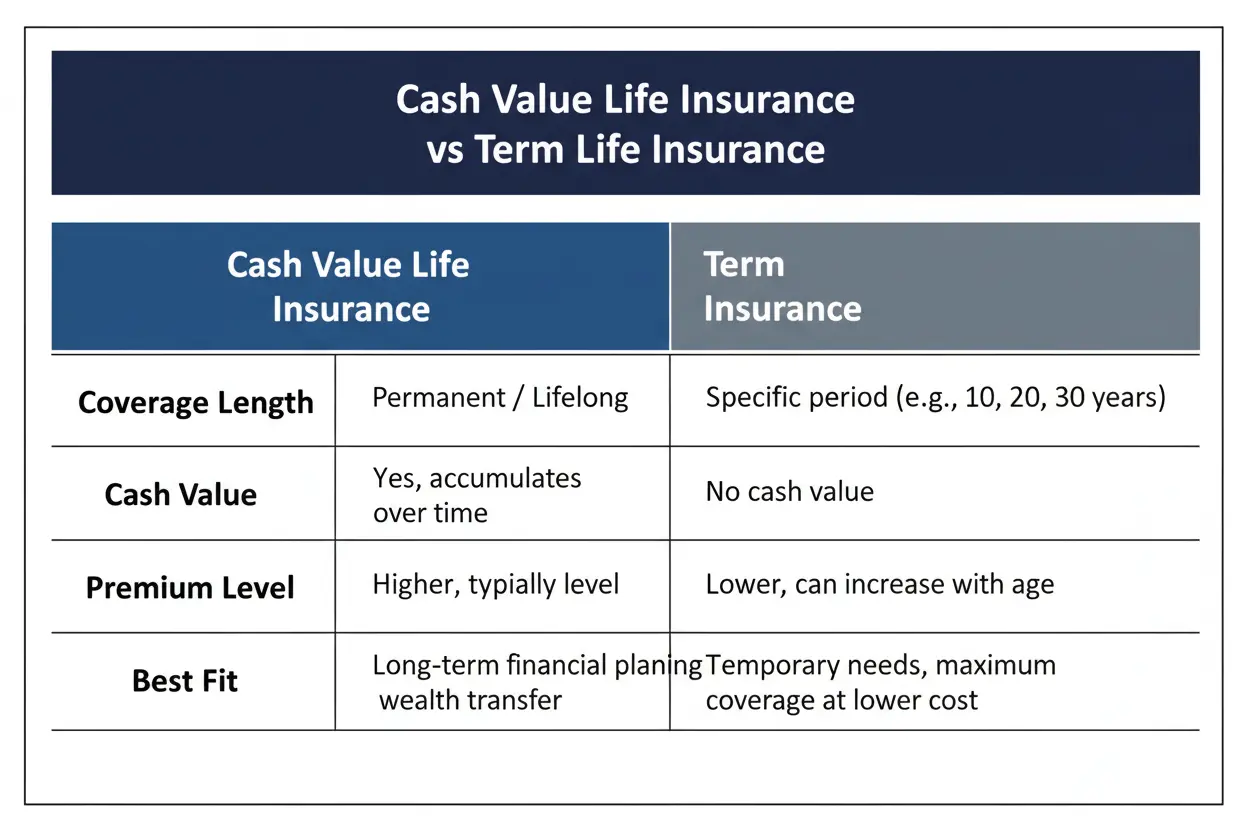
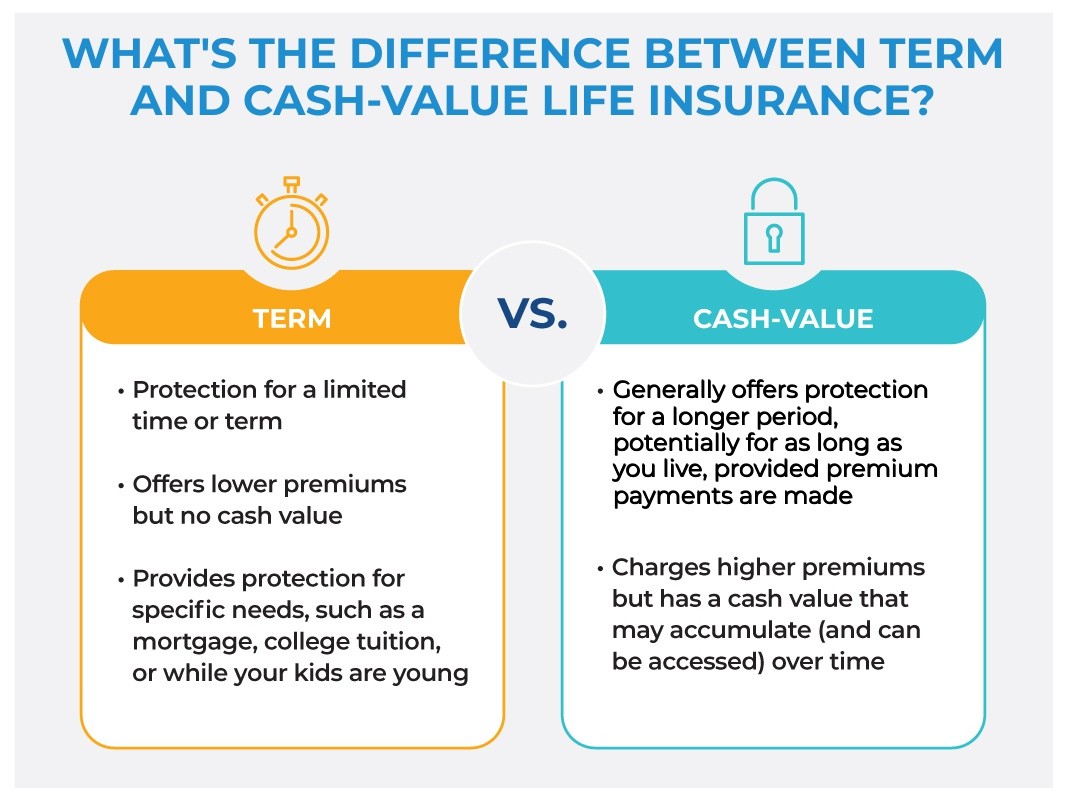
To understand how withdrawals work, one must first distinguish between the two primary components of a permanent life insurance policy: the death benefit and the account value (often referred to as the cash value). While the death benefit is the amount paid to beneficiaries upon the insured's passing, the account value is a living benefit—a pool of equity that builds over time as a portion of your premium payments is set aside and earns interest or market-linked returns.
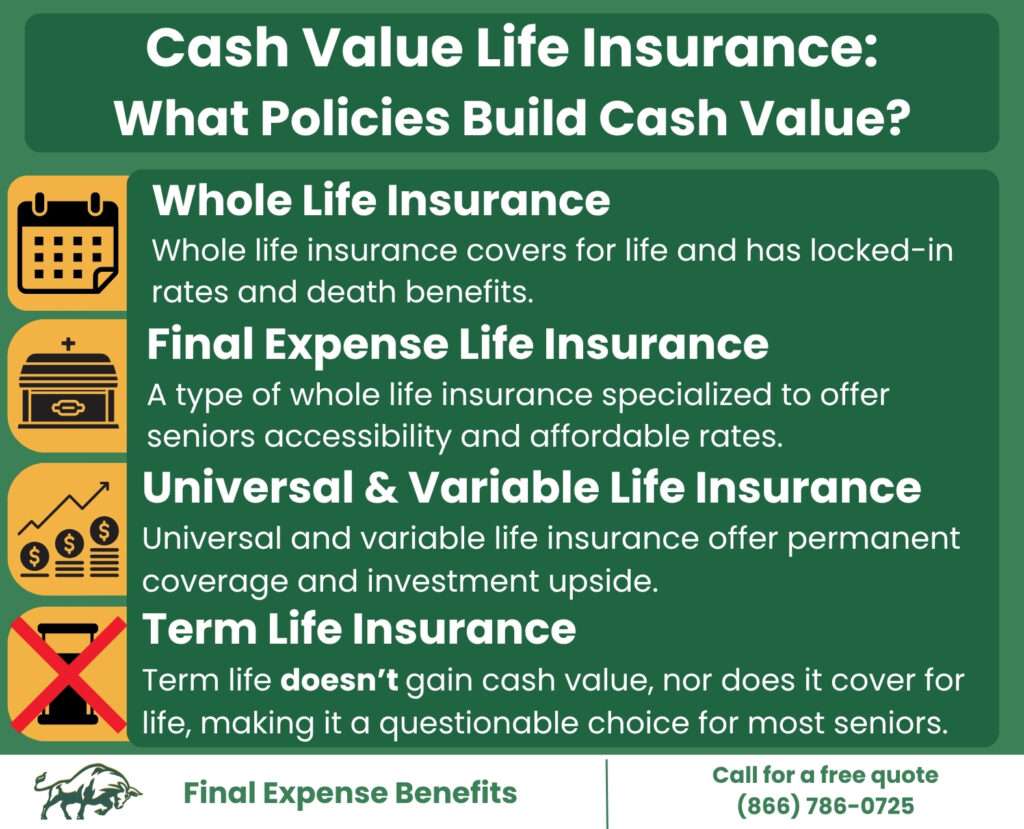
As of 2026, several types of policies offer this feature, including Whole Life, Universal Life (UL), Indexed Universal Life (IUL), and Variable Universal Life (VUL). Each handles the growth of the account value differently. Whole life offers a guaranteed rate of return and potential dividends, while IUL and VUL allow for growth based on market indices or sub-account performance. Regardless of the growth mechanism, the account value serves as a private reserve that the policyholder can access during their lifetime.
Accessing this money via a withdrawal is distinct from taking a policy loan or surrendering the policy entirely. A withdrawal is a partial surrender of the policy’s value. You are essentially asking the insurance company to cut you a check for a portion of the equity you have built, which in turn reduces the net amount the insurer is "at risk" for, thereby lowering the ultimate death benefit.
Tax Treatment: The "First-In, First-Out" Rule
One of the most significant advantages of life insurance account values is their favorable tax treatment. Under current 2026 federal tax guidelines in the United States, withdrawals from a standard life insurance policy are generally treated on a First-In, First-Out (FIFO) basis. This means that when you take money out, the IRS considers the first dollars removed to be your "cost basis"—the total amount of premiums you have paid into the policy.
Because you have already paid taxes on the income used to pay those premiums, withdrawals up to the cost basis are distributed tax-free. Only after you have withdrawn an amount equal to your total premium payments do the withdrawals become taxable. At that point, any additional funds are considered "earnings" and are taxed at your ordinary income tax rate.
However, there is a critical exception: the Modified Endowment Contract (MEC). If a policy is funded too quickly—exceeding the "7-pay test" limits set by the Internal Revenue Service—it loses its FIFO status. Withdrawals from an MEC are treated on a Last-In, First-Out (LIFO) basis, meaning earnings are withdrawn first and taxed immediately. Furthermore, if you are under age 59½, MEC withdrawals may be subject to a 10% additional tax penalty.
Comparing Access Methods: Withdrawals vs. Loans
Before proceeding with a withdrawal, it is essential to compare it against a policy loan. While both provide access to cash, their long-term impact on the policy's health and the policyholder's tax liability differs significantly.
| Feature | Withdrawal | Policy Loan | Full Surrender |
|---|---|---|---|
| Repayment | Not required/Not allowed | Optional but recommended | N/A (Policy ends) |
| Taxability | Tax-free up to cost basis | Generally tax-free | Taxable above basis |
| Death Benefit Impact | Permanent dollar-for-dollar reduction | Reduced by outstanding balance | Benefit is eliminated |
| Interest Charged | No | Yes (Variable or Fixed) | No |
| Credit Check | No | No | No |
| Surrender Charges | May apply in early years | Typically none | Likely in early years |
A withdrawal is often preferred by those who do not intend to "repay" themselves and who are comfortable with a smaller death benefit for their heirs. Conversely, a policy loan is often the better choice for those who want to keep the full death benefit intact and avoid any immediate tax consequences, even if they have already exhausted their cost basis.
The Impact on Death Benefits and Policy Sustainability
A withdrawal is not a "free" source of cash; it has a direct and often permanent impact on the policy's structure. The most immediate effect is the reduction of the death benefit. In most Universal Life designs, if you have a $500,000 death benefit and take a $50,000 withdrawal, your heirs will now only receive $450,000.
Furthermore, withdrawals can affect the sustainability of the policy. Permanent life insurance relies on the account value to help offset the rising "cost of insurance" (COI) as the insured ages. If the account value is significantly depleted through withdrawals, there may not be enough remaining capital to generate the interest or returns needed to cover these internal fees.
In a worst-case scenario, particularly with Universal Life or Variable Universal Life policies, a large withdrawal could cause the policy to become underfunded. If the account value hits zero, the policy will lapse, meaning the insurance coverage ends. If the policy lapses while there is an outstanding gain (more value than premiums paid), the IRS may treat the entire gain as taxable income in the year of the lapse, creating a "tax bomb" for the policyholder.
Step-by-Step Process for Accessing Your Account Value
If you have determined that a withdrawal is the best path forward, the process generally involves the following steps:
- Request an In-Force Illustration: Before taking money out, ask your insurance carrier for an "in-force illustration." This document projects how the withdrawal will affect your death benefit and the policy’s longevity based on current interest rates and fees.
- Verify the Cost Basis: Confirm with the carrier exactly how much you have paid in premiums. This ensures you know the threshold at which the withdrawal becomes taxable.
- Check for Surrender Charges: Most policies have a surrender charge period (often the first 10 to 15 years). If you are still within this period, the "surrender value" (the amount you can actually take) will be lower than the "account value."
- Submit the Withdrawal Form: You must complete a specific withdrawal request form. This form will ask whether you want to withhold federal and state taxes. Since life insurance companies are required by the Tax Equity and Fiscal Responsibility Act (TEFRA) to report these distributions, clear communication on tax withholding is vital.
- Direct Deposit or Check: Once approved, funds are typically distributed within 5 to 10 business days via electronic transfer or a physical check.
Strategic Uses for Account Value Withdrawals
Strategic financial planning often utilizes account value withdrawals as a supplemental tool rather than a primary one. Common use cases in 2026 include:
- Retirement Income Supplement: Many retirees use tax-free withdrawals up to their cost basis to stay in a lower tax bracket during the early years of retirement, preserving their 401(k) or IRA funds for later.
- Emergency Liquidity: Because life insurance companies do not require credit checks or lengthy applications for withdrawals, the account value acts as a reliable emergency fund.
- Paying Policy Premiums: If you have a significant account value, you can perform a withdrawal (or use the "surrender to pay" feature) to cover the annual premium, effectively making the policy "self-pay" for a period.
- Education Funding: Some parents use the cash value of a policy to pay for a child’s college tuition, as life insurance values are often excluded from federal student aid (FAFSA) calculations.
Potential Pitfalls: What to Avoid
While accessing your account value provides flexibility, several pitfalls can derail a financial plan. One major risk is the reduction of riders. Some policies have Long-Term Care (LTC) or Chronic Illness riders that are tied to the death benefit. If a withdrawal reduces the death benefit, it may proportionally reduce the pool of money available for long-term care needs.
Another common mistake is failing to account for the surrender charge. If you see an "Account Value" of $20,000 but a "Cash Surrender Value" of $15,000, that $5,000 difference is a penalty for accessing the funds too early in the policy's life. It is usually wise to wait until the surrender charge period has expired before taking significant withdrawals.
Lastly, be wary of the "Type A" vs. "Type B" death benefit options in Universal Life policies. In Option A (Level Death Benefit), the death benefit remains the same while the cash value grows, meaning the insurer's risk decreases. In Option B (Increasing Death Benefit), the death benefit equals the face amount plus the cash value. A withdrawal in an Option A policy lowers the death benefit directly; in Option B, it lowers the total payout but keeps the "face amount" intact.
FAQ
Can I put the money back after a withdrawal?
No. Unlike a policy loan, which can be repaid to restore the death benefit and account value, a withdrawal is a permanent transaction. Once you take the money out, it is considered a partial surrender of the contract. To get more money back into the policy, you would have to pay additional premiums, which may be subject to policy limits and "7-pay" testing.
Is there a minimum or maximum withdrawal amount?
Most insurance companies have a minimum withdrawal amount, often ranging from $250 to $500. The maximum is typically limited to a percentage of the surrender value (e.g., 90%) to ensure enough money remains in the account to keep the policy active and cover the next few months of internal insurance costs.
Does a withdrawal affect my credit score?
No. Withdrawals from a life insurance policy are not reported to credit bureaus. Since you are accessing your own equity rather than borrowing from a third party, there is no debt obligation or impact on your credit history.
Will I owe the 10% early withdrawal penalty if I am under 59 1/2?
For a standard, non-MEC life insurance policy, there is no 10% IRS penalty for withdrawals before age 59½. This makes life insurance a unique vehicle compared to 401(k)s or IRAs. However, if your policy is classified as a Modified Endowment Contract (MEC), the 10% penalty will apply to the earnings portion of the withdrawal.
How long does it take to receive the funds?
Under most state regulations and NAIC standards, insurance companies are generally required to process withdrawal requests within 30 days, but most major carriers in 2026 complete the process within 5 to 7 business days if the request is submitted digitally.
Practical Recommendation
Before executing a withdrawal from your account value life insurance, consult with both your financial advisor and a tax professional. Ask for a lapse projection to ensure that taking the withdrawal won't cause the policy to fail in your later years when the cost of insurance is highest. If your primary goal is temporary liquidity, a policy loan may be a safer alternative that preserves the integrity of your death benefit. However, if you need a permanent source of tax-free cash and no longer require a high death benefit, a withdrawal up to the cost basis is one of the most efficient ways to access your policy's growth.
Image Gallery