Understanding Red Skin Complexion and Its Causes
A red skin complexion often results from increased blood flow to the surface of the skin, triggered by internal physiological responses or external environmental factors. While frequently associated with benign conditions like flushing...
A red skin complexion often results from increased blood flow to the surface of the skin, triggered by internal physiological responses or external environmental factors. While frequently associated with benign conditions like flushing or mild irritation, persistent redness may indicate underlying dermatological issues such as rosacea, contact dermatitis, or localized inflammation requiring targeted intervention.
Contents
The Biological Basis of Skin Redness
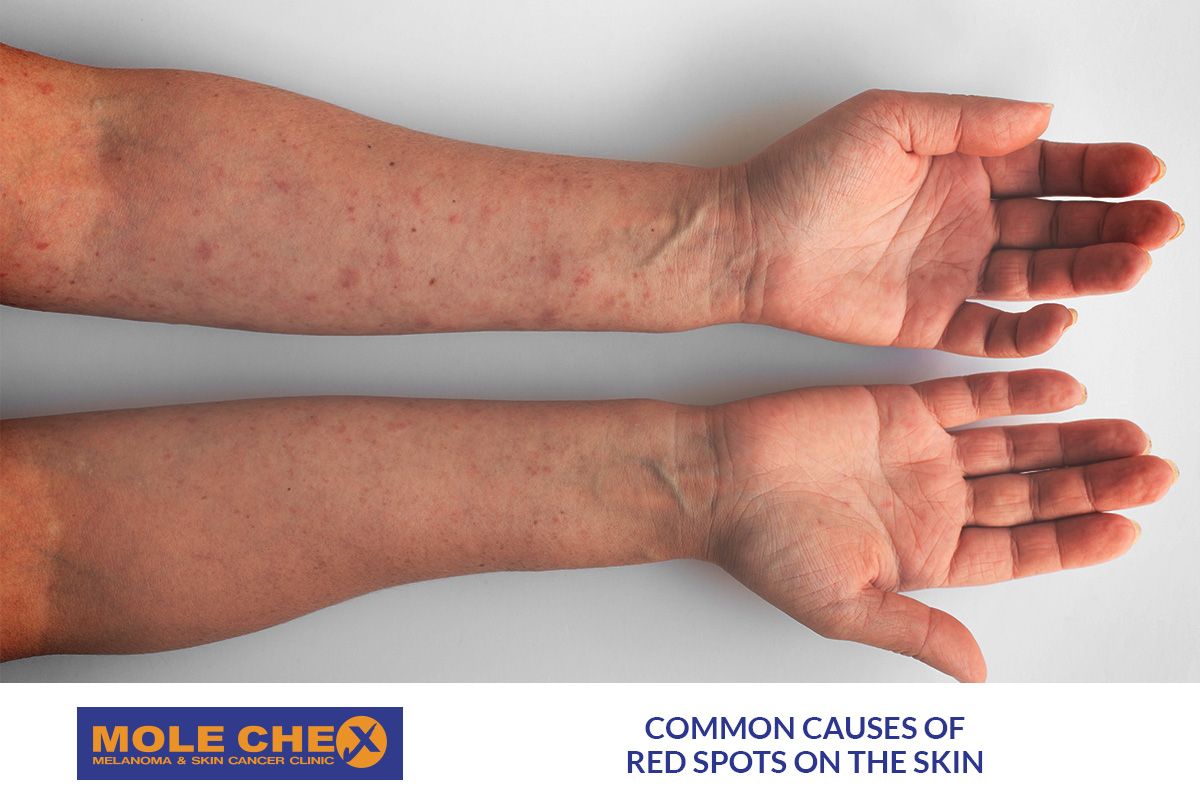
At its most fundamental level, skin redness—medically referred to as erythema—occurs when the tiny blood vessels (capillaries) in the dermis dilate, allowing more blood to flow through the skin’s surface. This physiological response is part of the body’s vascular network's ability to regulate temperature and respond to stimuli.
When the autonomic nervous system signals these vessels to expand, the skin takes on a flushed or ruddy appearance. This is a normal, transient reaction during exercise, embarrassment, or exposure to high temperatures. However, when redness becomes chronic, it suggests that the vascular response has become dysregulated. Understanding whether your redness is episodic (temporary) or chronic (sustained) is the first step in identifying the root cause and determining if professional dermatological evaluation is necessary.
Common Clinical Causes of Redness
Chronic red skin complexion is rarely a single-symptom condition; it is almost always linked to a specific underlying trigger. Categorizing these causes helps in narrowing down the appropriate management strategy.
1. Rosacea
Rosacea is a chronic inflammatory skin condition characterized by persistent redness, visible blood vessels (telangiectasia), and sometimes acne-like bumps. It typically affects the central part of the face. While the exact cause remains unknown, it is believed to involve a combination of immune system dysfunction, neurovascular dysregulation, and environmental triggers such as ultraviolet (UV) radiation or certain gut bacteria.
2. Contact Dermatitis
This occurs when the skin reacts to a specific substance. It is divided into two types: irritant contact dermatitis, caused by harsh chemicals or frequent washing that strips the skin’s protective barrier; and allergic contact dermatitis, caused by an immune response to specific allergens like fragrances, preservatives, or metals (e.g., nickel).
3. Seborrheic Dermatitis
Often mistaken for dry skin, this condition presents as red, inflamed skin with yellow, greasy scales. It frequently affects oil-rich areas such as the sides of the nose, eyebrows, and scalp. It is linked to an overgrowth of Malassezia yeast, which is naturally present on the skin.
4. Post-Inflammatory Erythema (PIE)
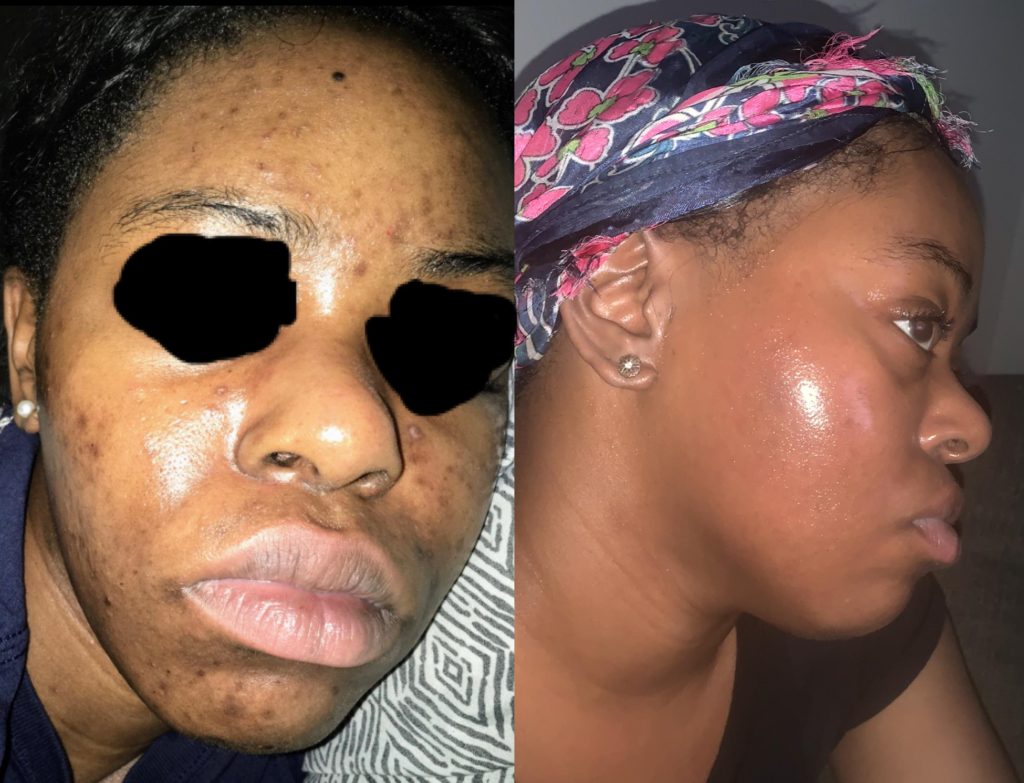
If you have recently dealt with acne, you may notice red or pink marks left behind after the lesion has healed. Unlike hyperpigmentation (which is brown), PIE is vascular in nature, representing damaged capillaries that have remained dilated after the inflammation of the acne has subsided.
Environmental and Lifestyle Triggers
Beyond chronic conditions, your daily environment plays a massive role in skin redness. Recognizing these triggers is essential for managing the complexion.
- UV Exposure: Chronic sun damage weakens the skin's structural integrity, leading to permanent dilation of blood vessels.
- Temperature Extremes: Rapid changes from cold to hot environments force blood vessels to constrict and expand quickly, which can eventually lead to loss of vessel elasticity.
- Dietary Irritants: For some, spicy foods, caffeine, and alcohol act as vasodilators, causing an immediate, albeit temporary, surge in blood flow to the facial skin.
- Skincare Overload: The use of overly aggressive exfoliants, retinoids, or high concentrations of active ingredients (like vitamin C or AHAs) can compromise the skin’s moisture barrier, leading to secondary redness and sensitivity.
Comparative Guide to Redness Indicators
Distinguishing between types of redness is critical for determining the next steps. The following table provides a breakdown of common characteristics.
| Condition | Primary Trigger | Key Physical Characteristic | Typical Duration |
|---|---|---|---|
| Flushing | Emotion/Temperature | Uniform heat and color | Temporary |
| Rosacea | Chronic inflammation | Central facial redness/vessels | Persistent |
| Contact Dermatitis | External irritants | Itchy, red, potentially weeping | Acute |
| Seborrheic Dermatitis | Yeast/Oil imbalance | Red skin with yellowish scales | Chronic/Recurrent |
| Sun Damage | UV radiation | Spider veins/persistent ruddiness | Permanent |
Establishing a Diagnostic Path
If you are concerned about persistent redness, the most reliable path is a consultation with a board-certified dermatologist. Because red skin can mimic other issues (such as lupus-related rashes or systemic allergies), self-diagnosis can often lead to the use of inappropriate treatments that may exacerbate the condition.
During a professional evaluation, a dermatologist will assess the pattern of your redness. They will look for:
- Distribution: Is it on the cheeks, nose, or forehead?
- Surface Texture: Is the skin smooth, scaly, or bumpy?
- Associated Symptoms: Do you experience burning, stinging, or intense itching?
In 2026, dermatological tools for assessing skin include dermoscopy—a handheld microscope that allows the physician to look at the vascular patterns beneath the surface—and standardized skin-barrier assessment tests to check for trans-epidermal water loss (TEWL).
Management and Next Actions
Managing a red skin complexion requires a shift toward gentle, protective care rather than "corrective" or abrasive treatments.
- Simplify the Routine: Remove all high-potency acids and physical scrubs for 14 days to see if the redness subsides. Use a mild, pH-balanced cleanser and a fragrance-free moisturizer that supports the skin barrier (look for ingredients like ceramides, niacinamide, and panthenol).
- Sun Protection: This is non-negotiable. Use a mineral-based sunscreen (zinc oxide or titanium dioxide), as these are less likely to cause irritation compared to certain chemical filters.
- Identify and Eliminate: Keep a "trigger diary" for two weeks. Log what you eat, the products you use, and the weather conditions when your redness is at its worst. This is often the most effective way to identify personal triggers.
- Medical Intervention: If OTC measures fail, a dermatologist may prescribe topical creams (such as brimonidine or oxymetazoline) to constrict blood vessels or oral medications if systemic inflammation is present.
Frequently Asked Questions
Does a red complexion always mean I have rosacea? No. While rosacea is a common cause, persistent redness can also stem from contact dermatitis, sun damage, or even chronic skin barrier disruption. A dermatologist must perform a physical examination to provide an accurate diagnosis.
Can drinking cold water help reduce facial redness? Drinking water is essential for overall health, but it does not significantly change the vascularity of your facial skin. If your redness is heat-induced, cooling the skin externally with a cold compress is more effective than internal hydration for immediate relief.
Are there specific skincare ingredients I should avoid? If your skin is prone to redness, you should generally avoid harsh fragrances, denatured alcohol, essential oils (like peppermint or eucalyptus), and high-strength chemical exfoliants, which can strip the skin and cause inflammatory responses.
Can lasers fix red skin? Yes. Laser treatments, specifically pulsed dye lasers (PDL) or intense pulsed light (IPL) therapy, are highly effective at targeting and collapsing visible dilated capillaries. These procedures should only be performed by a qualified medical professional to avoid skin burns or pigment changes.
Is red skin hereditary? Yes, there is a genetic component to how reactive your blood vessels are and how sensitive your skin barrier is. If family members have a history of rosacea or sensitive, fair skin, you may be genetically predisposed to developing a red complexion.
Next Steps for Your Skin
If your redness is accompanied by pain, swelling, or sudden changes in skin texture, consult a medical professional immediately. For chronic, stable redness, begin by stripping your current skincare routine back to basics: cleanse, moisturize, and protect. Track your symptoms for at least two weeks to identify environmental or dietary correlations. By methodically eliminating irritants, you can often significantly reduce the appearance of redness and restore your skin’s comfort.
Image Gallery