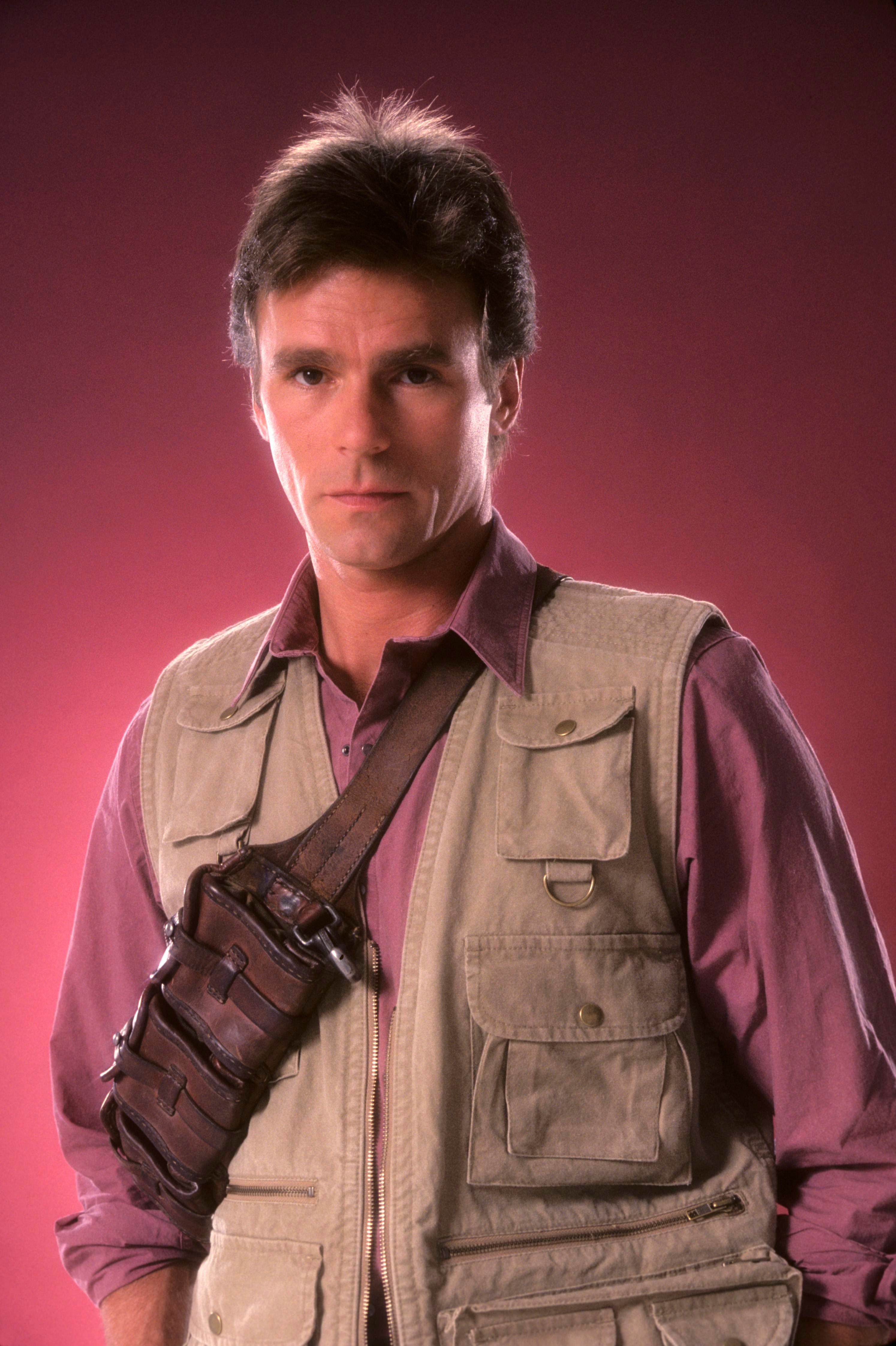
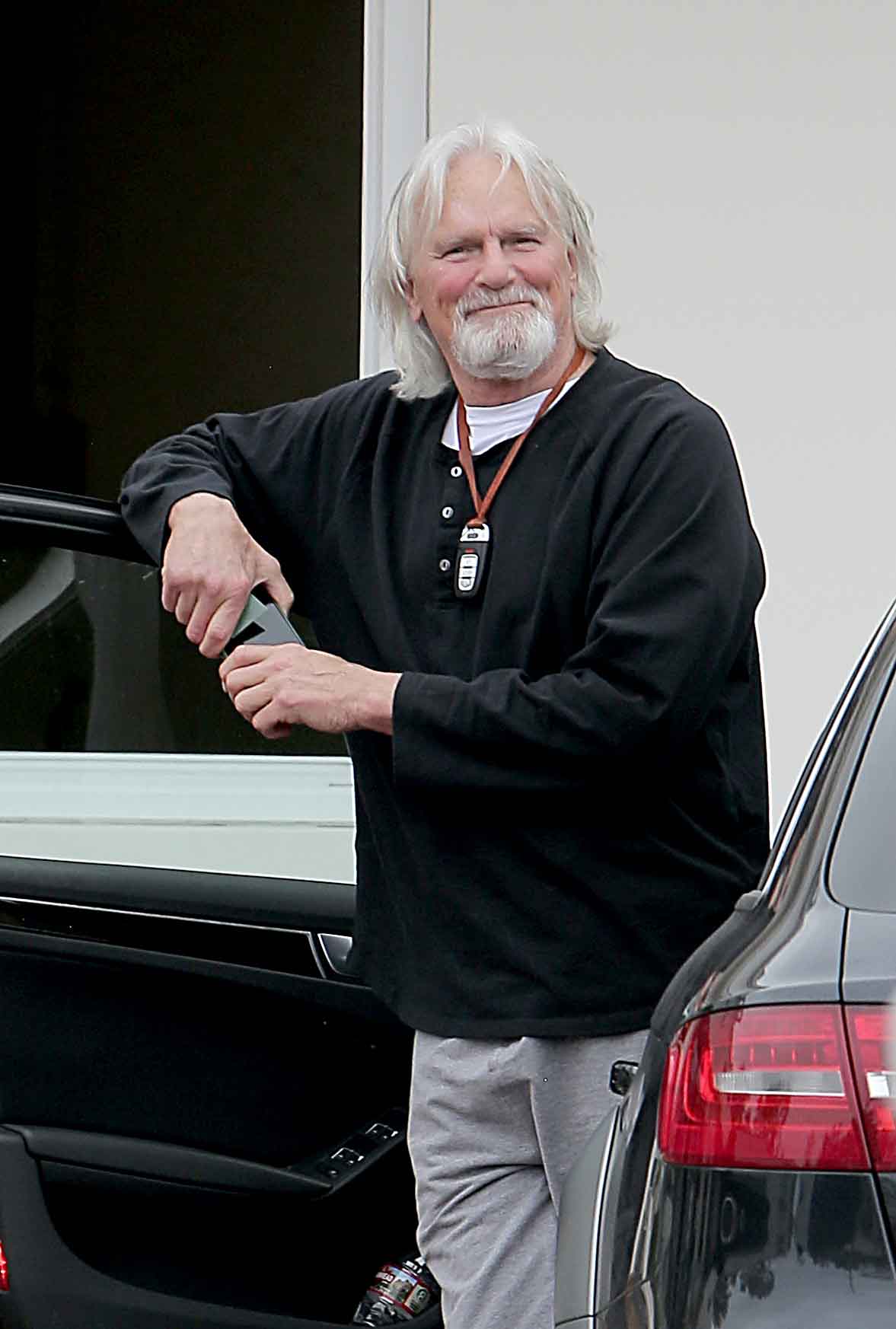
Richard Dean Anderson Net Worth: How 'MacGyver' and 'Stargate' Built His Fortune
As of 2026, actor and executive producer Richard Dean Anderson has an estimated net worth of approximately $30 million. The primary foundations of his long-term wealth stem from his starring role in the classic action series MacGyver,...
As of 2026, actor and executive producer Richard Dean Anderson has an estimated net worth of approximately $30 million. The primary foundations of his long-term wealth stem from his starring role in the classic action series MacGyver, substantial backend profits and producer equity from Stargate SG-1, and lucrative long-term television syndication royalties alongside prime real estate assets.
Contents
Financial Overview: Richard Dean Anderson's Wealth Profile
Richard Dean Anderson remains one of American television's most recognizable faces from the late 20th and early 21st centuries. Across a career spanning over four decades, Anderson transitioned successfully from daytime soap opera regular to prime-time international action icon and ultimately to sci-fi franchise lead and executive producer.
- Daytime TV: General Hospital
- Prime-Time Icon: MacGyver (1985–1992)
- Producer & Lead: Stargate SG-1 (1997–2007)
- Real Estate & Global Syndication Residuals
Unlike many actors who rely solely on front-end per-episode salaries, Anderson amplified his wealth accumulation through structural production partnerships. By establishing Gekko Film Corp in the mid-1990s, he secured executive producer credits and profit participation points on major network and cable projects. This structural position, combined with steady real estate holdings in California and Minnesota, enabled him to build a stable net worth that has sustained long into his semi-retirement.
The MacGyver Legacy: Salary, Syndication, and Global Royalties
Breaking Through on Network Television
Before launching MacGyver, Anderson gained steady industry exposure playing Dr. Jeff Webber on the ABC daytime drama General Hospital from 1976 to 1981, followed by short-lived prime-time series like Seven Brides for Seven Brothers (1982) and Emerald Point N.A.S. (1983). While these early roles established his reliability as a leading man, his baseline compensation remained within standard Screen Actors Guild (SAG) contract parameters for working television actors of that era.
In 1985, Anderson was cast as Angus MacGyver in the ABC action-adventure series produced by Paramount Television and executive produced by Henry Winkler and John Rich. Over seven seasons and 139 episodes airing through 1992, MacGyver became a worldwide pop-culture phenomenon.
Escalating Per-Episode Compensation
During the early seasons of MacGyver, network television compensation for prime-time leads generally ranged between $25,000 and $50,000 per episode. As the show turned into a rating anchor for ABC and expanded into global distribution, Anderson negotiated significant salary increases.
By the final seasons (Seasons 6 and 7), his per-episode fee reached an estimated $100,000 to $150,000, positioning him among the higher-paid drama leads on network television during the early 1990s.
Long-Term Syndication and International Residuals
The true financial windfall of MacGyver materialized after the series concluded principal production. Because Paramount heavily syndicated the show domestically and licensed it to broadcasters across more than 70 international markets, MacGyver entered continuous global re-runs.
Under SAG residual guidelines and package syndication structures established during the late 1980s, primary lead actors retained ongoing royalty streams from off-network rebroadcasts, international cable sales, home video distribution (VHS and DVD), and subsequent digital streaming licensing agreements. These recurring residual payments provided a steady baseline income for decades after the show stopped filming.
Television Movies and Special Rights
Following the cancellation of the ongoing series in 1992, Anderson retained significant affinity rights to the character. In 1994, he starred in and executive-produced two made-for-television movies through ABC:
- MacGyver: Lost Treasure of Atlantis (1994)
- MacGyver: Trail to Doomsday (1994)
These projects served as a operational bridge toward his transition into full-time television production.
The Stargate SG-1 Era: Executive Equity and Sci-Fi Stardom
Launching a Cable Blockbuster
In 1997, Metro-Goldwyn-Mayer (MGM) sought to adapt the 1994 feature film Stargate into a continuous television franchise. MGM recruited Anderson to star as Colonel Jack O'Neill. Leveraging his established star power from MacGyver, Anderson negotiated terms that went far beyond typical acting compensation.
Through his production enterprise, Gekko Film Corp (co-founded with producer Michael Greenburg), Anderson secured dual roles on Stargate SG-1: principal lead actor and executive producer.
- Richard Dean Anderson Equity
- Acting Contract (Per-Episode)
- Guaranteed Salary ($100k-$150k+/ep)
- Gekko Film Corp (Producer Points)
- Syndication & Royalties + Streaming Revenue
- Acting Contract (Per-Episode)
Dual Revenue Streams: Acting Fee + Executive Points
Stargate SG-1 ran for 10 seasons (214 episodes) between 1997 and 2007, initially on Showtime (Seasons 1–5) before transitioning to the Sci-Fi Channel (Seasons 6–10). Anderson served as the main series lead for the first eight seasons before stepping down to a recurring/guest capacity to spend more time with his family.
His financial structure on Stargate SG-1 included two primary layers:
- Acting Salary: Reports indicate Anderson commanded between $100,000 and $200,000 per episode during peak seasons, accumulating tens of millions in direct acting fees over his 173 regular episode appearances.
- Executive Producer Ownership: As an executive producer via Gekko Film Corp, Anderson shared in profit-participation pools generated by worldwide television distribution, home video (DVD box sets generated massive revenue throughout the early 2000s), and franchise merchandise.
This dual-compensation model made Stargate SG-1 the most lucrative endeavor of Anderson's career, out-earning his total income from MacGyver.
Business Ventures, Production Companies, and Real Estate
Gekko Film Corp
Formed in partnership with Michael Greenburg in 1994, Gekko Film Corp acted as the primary vehicle for Anderson's backend production deals. Gekko co-produced:
- MacGyver TV Movies (1994)
- Legend (1995 UP-TV series starring Anderson and John de Lancie)
- Stargate SG-1 (1997–2007)
By producing through Gekko, Anderson retained copyright ownership rights, distribution equity, and development fees that buffered him against traditional acting income fluctuations.
Commercial Endorsements and Brand Campaigns
While Anderson generally avoided excessive commercial pitch work, he selectively monetized his MacGyver persona for major advertising campaigns. Most notably, during Super Bowl XL in 2006, Anderson starred in a high-profile MasterCard commercial that parodied his MacGyver ingenuity. Commercial engagements of this scale during Super Bowl broadcasts typically command mid-to-high six-figure endorsement fees.
Southern California Real Estate Holdings
A key component of Anderson's overall net worth involves strategic real estate acquisitions in California.
- Malibu Estate: Anderson owned a prime multi-acre parcel in Malibu, California, where he custom-designed and constructed an environmentally conscious timber timber-frame ranch home spanning over 8,000 square feet. The property featured custom woodwork, extensive gardens, and ocean views. Anderson listed the property for sale in 2011 for approximately $9.1 million before eventually liquidating portions of his coastal land holdings.
- Minnesota Properties: Raised in Minnesota, Anderson has retained residential properties in his home state, providing a lower-tax base outside of California for personal retreats.
Career Compensation & Milestone Breakdown
The following table outlines the key eras of Richard Dean Anderson's career, detailing primary roles, financial mechanisms, and earnings structures:
| Era / Project | Years Active | Primary Roles | Revenue Structure & Financial Model | Overall Impact on Net Worth |
|---|---|---|---|---|
| General Hospital | 1976–1981 | Actor (Dr. Jeff Webber) | Standard SAG contract, weekly daytime soap operational pay | Base working capital; established career foundation |
| MacGyver (Series) | 1985–1992 | Lead Actor (Angus MacGyver) | Escalating per-episode fees ($25k–$150k/ep) + global SAG residual packages | Major earnings milestone; created long-term passive royalty revenue |
| MacGyver TV Movies | 1994 | Lead Actor / Executive Producer | Producer fee + upfront broadcast rights fees via Gekko Film Corp | Operational bridge to executive production ownership |
| Legend | 1995 | Lead Actor / Executive Producer | Network license fee sharing + primary acting salary | Moderate income; established production pipeline |
| Stargate SG-1 | 1997–2007 | Lead Actor / Executive Producer | Primary salary ($100k–$200k/ep) + Gekko Film Corp profit participation | Peak wealth generation era; multi-million dollar backend payouts |
| Real Estate & Residuals | 2008–2026 | Property Investor / Rights Holder | Asset appreciation, streaming residuals, conventions, and merchandise | Asset preservation and capital growth in semi-retirement |
Semi-Retirement, Philanthropy, and Asset Management
After stepping back from full-time television production around 2007, Anderson intentionally shifted focus away from Hollywood acting to raise his daughter, Wylie Quinn Annarose Anderson, born in 1998.
Environmental and Charitable Commitments
Rather than pouring capital into speculative commercial ventures, Anderson allocated considerable personal resources and time toward environmental and non-profit organizations:
- Sea Shepherd Conservation Society: Anderson served on the Board of Directors for the marine conservation organization, directly funding research vessels and ocean protection campaigns.
- Waterkeeper Alliance: Supported environmental initiatives aimed at preserving clean water ecosystems.
- Special Olympics / Challenge Games: Long-time supporter and corporate contributor to adaptive sports programs, frequently participating in celebrity fundraising events.
Wealth Preservation Strategy
By limiting lifestyle inflation, managing capital through real estate holdings, and relying on passive income generated by two global television franchises (MacGyver and Stargate), Anderson maintained financial security without needing active studio employment throughout his 60s and 70s.
Frequently Asked Questions
What is Richard Dean Anderson's estimated net worth in 2026?
Richard Dean Anderson's net worth is estimated at approximately $30 million. This total reflects cumulative earnings from seven seasons of MacGyver, ten seasons of Stargate SG-1, producer equity via Gekko Film Corp, ongoing streaming royalties, and Southern California real estate investments.
How much did Richard Dean Anderson make per episode on MacGyver?
During the early seasons of MacGyver, Anderson earned standard prime-time rates of approximately $25,000 to $50,000 per episode. By the sixth and seventh seasons, his per-episode compensation climbed to an estimated $100,000 to $150,000, making him one of network television's top-earning drama leads of the era.
Did Richard Dean Anderson make more money from MacGyver or Stargate SG-1?
Financially, Anderson earned significantly more from Stargate SG-1. While MacGyver established his stardom, Stargate SG-1 provided both a high acting salary over 173 episodes and executive producer ownership points through Gekko Film Corp, granting him a share in global backend revenue, DVD sales, and digital syndication.
Does Richard Dean Anderson still receive royalties from MacGyver and Stargate?
Yes. As the principal star of MacGyver and both star and executive producer of Stargate SG-1, Anderson receives ongoing SAG residual payments and producer royalties whenever these programs air on cable networks, international channels, or stream on digital platforms like Amazon Prime Video, Pluto TV, or Netflix.
What was Gekko Film Corp's role in building his net worth?
Gekko Film Corp was the production company co-founded by Anderson and Michael Greenburg. By co-producing Stargate SG-1 and MacGyver television movies through Gekko, Anderson gained producer credits and profit participation points, allowing him to collect equity profits above and beyond standard acting fees.
Final Takeaway: The Structural Wealth of TV Franchises
Richard Dean Anderson's financial trajectory offers a blueprint for long-term career stability in the television industry. By converting front-end acting success on MacGyver into executive producer equity on Stargate SG-1, he secured financial independence.
For performers and industry observers, Anderson's financial model underscores the importance of ownership and backend participation. Front-end salaries build immediate wealth, but retaining producer equity and syndication rights ensures long-term financial security across decades of retirement.
Image Gallery