Kelsey Grammer on Cheers and His Enduring Impact on Television Comedy
Kelsey Grammer’s portrayal of Dr. Frasier Crane on the long-running sitcom Cheers transformed the character from a temporary romantic foil into a cornerstone of American television history. Joining the ensemble in 1984, Grammer provide...
Kelsey Grammer’s portrayal of Dr. Frasier Crane on the long-running sitcom Cheers transformed the character from a temporary romantic foil into a cornerstone of American television history. Joining the ensemble in 1984, Grammer provided a sophisticated, neurotic counterpoint to the show’s blue-collar ethos, ultimately securing a rare, decade-spanning evolution that redefined the possibilities of the television spin-off.
Contents
The Arrival of Dr. Frasier Crane
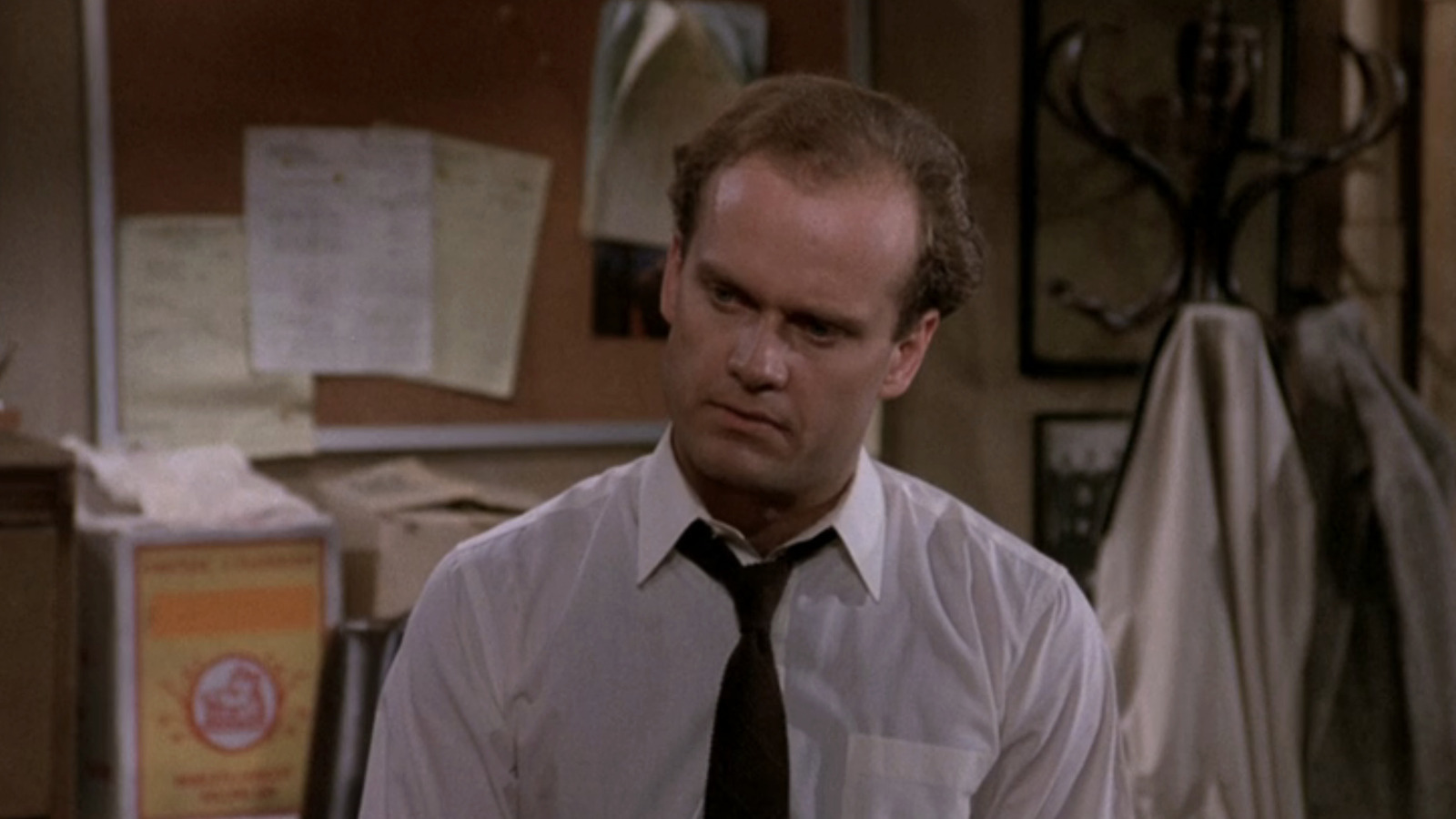
When Kelsey Grammer first stepped onto the set of Cheers for the third season, the creative intent was modest. Introduced as a psychiatrist and a new romantic interest for Diane Chambers (Shelley Long), Frasier Crane was initially scripted as an outsider—an antagonist of sorts to the established chemistry between Sam Malone and Diane. In the landscape of 1980s sitcoms, the role of the "intellectual snob" was often relegated to brief, punchline-heavy appearances.
Grammer, however, approached the character with a vulnerability that defied the trope of the elitist academic. By infusing Frasier with a tangible need for belonging and a series of hilarious, deeply human insecurities, he forced the writers to reconsider the character’s shelf life. What was originally intended to be a recurring role turned into a permanent residency at the bar, as audiences proved they were invested in the trajectory of the "arrogant" doctor struggling to navigate the complexities of life among Boston’s working class.
Evolution Within the Ensemble
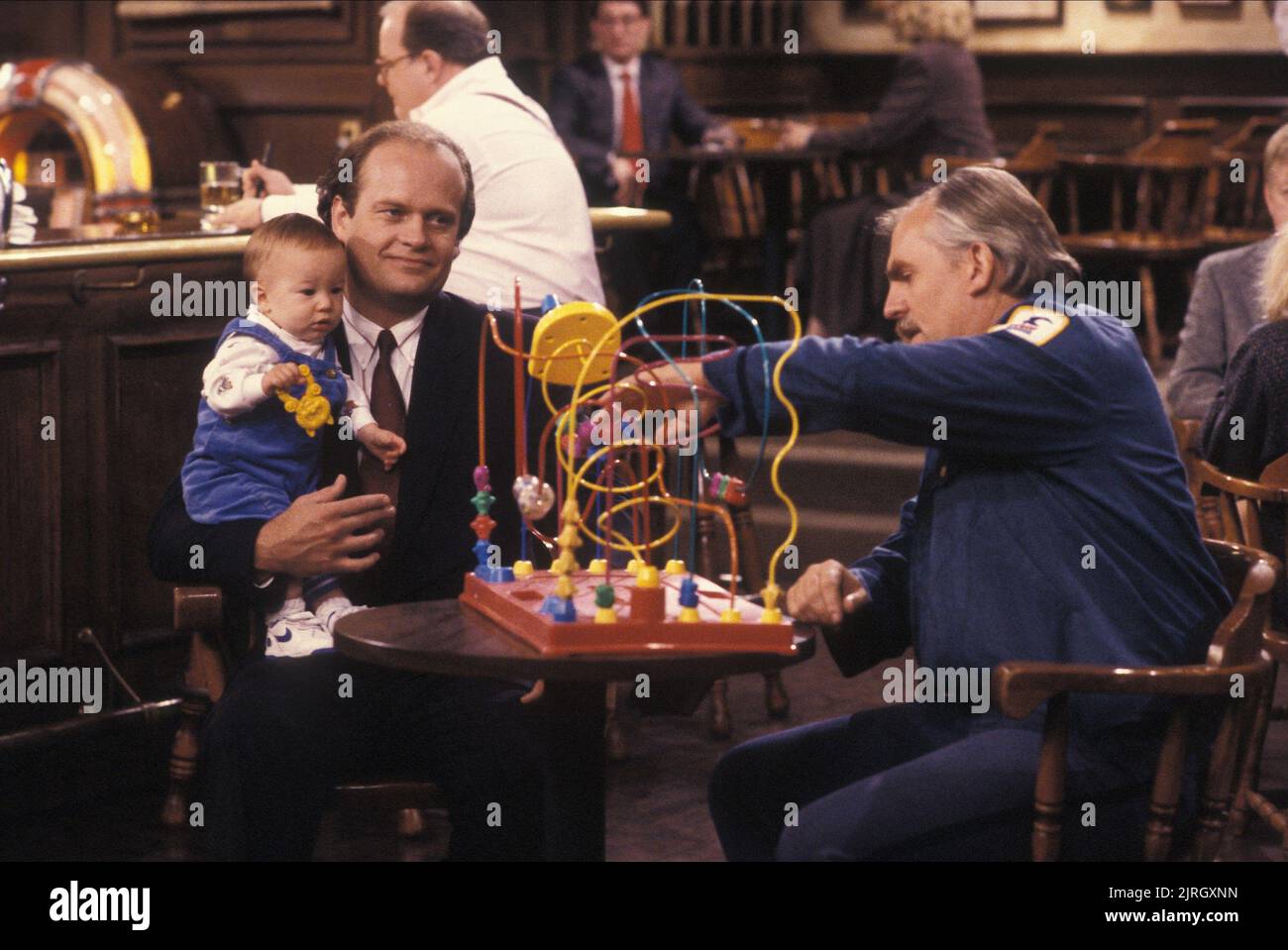
The dynamic between Frasier and the regulars at the bar—specifically Norm Peterson, Cliff Clavin, and Carla Tortelli—served as the primary engine for his development. As Frasier integrated into the group, he transitioned from a man who treated the bar as a social experiment to a man who relied on it for emotional stability.
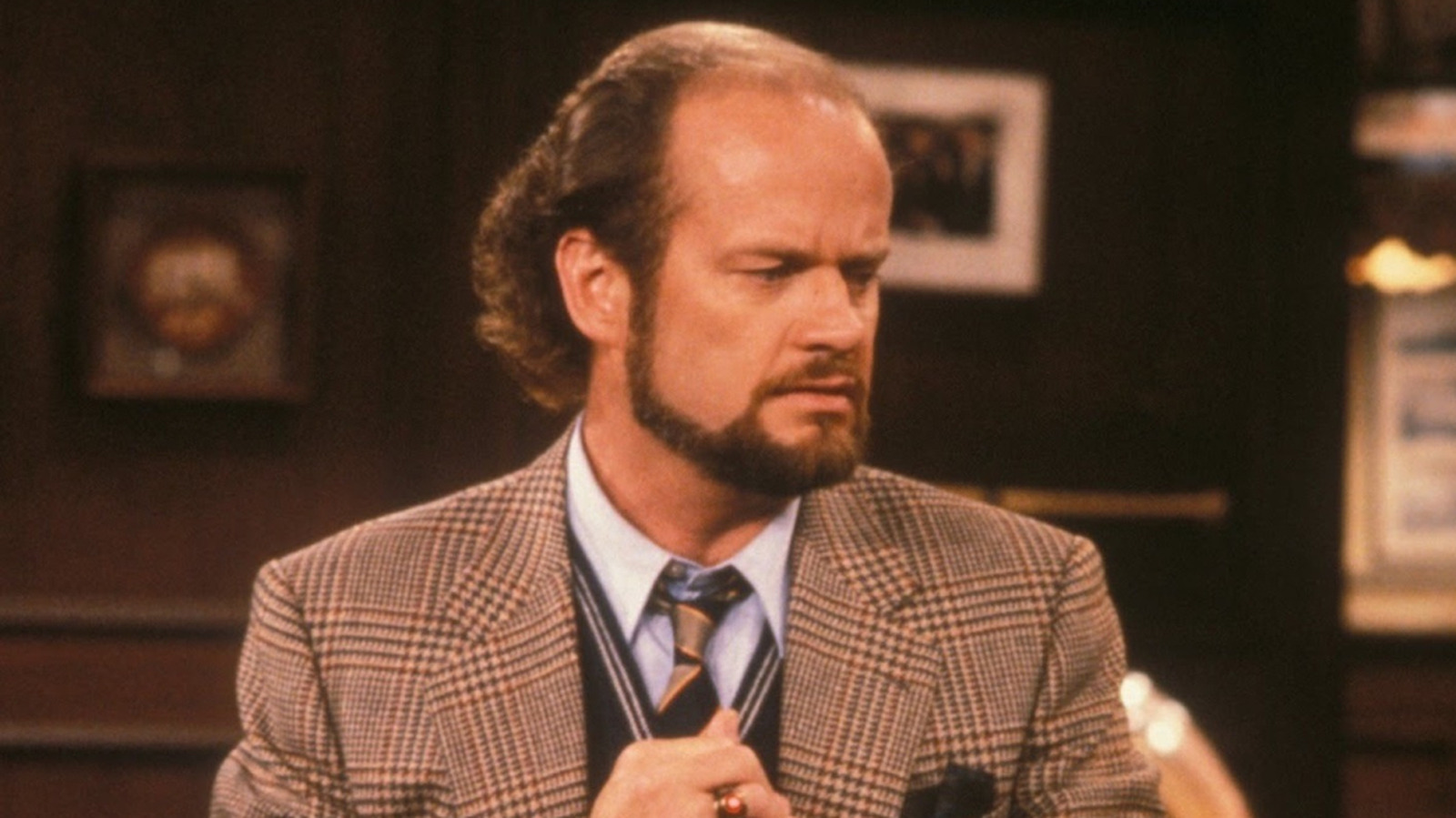
Grammer’s performance required a delicate balance. He had to remain pompous enough to be the target of jokes, yet likable enough to warrant the friendship of characters who were his intellectual or social opposites. This tension became one of the most reliable sources of comedy on the show. His interaction with Lilith Sternin, played by Bebe Neuwirth, further expanded his character, introducing a domestic layer that highlighted the absurdity of Frasier’s attempts to live a conventional life despite his deeply unconventional personality.
Historical Context: From Cheers to Frasier
To understand the impact of Kelsey Grammer on Cheers, one must look at the unprecedented success of the subsequent spin-off, Frasier. In the history of television, very few characters have successfully transitioned from a hit ensemble show to a lead role in another hit series.
The success of Frasier (1993–2004) was directly predicated on the foundation Grammer built during his nine seasons on Cheers. By the time the final episode of Cheers aired in 1993, Frasier Crane had become one of the most fully realized characters in the medium. The audience knew his neuroses, his history with Diane, his marriage to Lilith, and his specific brand of pretension. This allowed the spin-off to bypass the typical "getting to know you" phase that plagues many new shows and dive immediately into the complexities of his life in Seattle.
Comparative Timeline of Character Development
| Phase | Years | Context | Primary Function |
|---|---|---|---|
| Introduction | 1984–1985 | Cheers Season 3 | Romantic obstacle for Diane |
| Integration | 1985–1989 | Cheers Seasons 4–7 | Comedic peer to bar patrons |
| Maturation | 1989–1993 | Cheers Seasons 8–11 | Source of stability and absurdity |
| Spin-off Launch | 1993–2004 | Frasier Series | Lead protagonist/architect |
Crafting the Archetype: The "Smart" Sitcom Character
Grammer’s influence on the landscape of television comedy cannot be overstated. He popularized the "learned fool"—a character who possesses vast intellectual resources but lacks the common sense required to navigate daily life effectively. Before Frasier, sitcom characters were often either the "straight man" or the "buffoon." Grammer synthesized these, creating a character who could simultaneously offer profound psychological insight and make a complete mess of his own dinner party.
This archetype paved the way for a generation of sitcom characters who were defined by their intellectual baggage rather than their working-class struggles. Programs like The Big Bang Theory or even more contemporary satirical comedies owe a debt to the structural work Grammer performed on Cheers. He demonstrated that audiences were willing to follow a character who was consistently "wrong" in his social assessments, provided he remained consistently "right" in his commitment to his own ideals.
The Technical Mastery of the Performance
Grammer’s background in classical theater, particularly his work with the Old Globe Theatre, informed his approach to the sitcom format. He treated the writing of Cheers with a reverence that elevated the material. His command of timing—specifically the "pause" before a reaction—became a signature of the character.
In television production, the rhythm of the delivery determines the success of a joke. Grammer’s ability to deliver long, polysyllabic sentences followed by a sharp, staccato physical reaction created a rhythmic signature that directors and editors leaned on heavily. By the final seasons of Cheers, the writers were intentionally crafting scripts that played to Grammer’s specific cadence, effectively turning his performance style into a structural element of the show’s voice.
FAQs: Kelsey Grammer and His Cheers Legacy
Was Kelsey Grammer always intended to be a main character on Cheers? No. He was originally hired for a brief arc in the third season. The chemistry he developed with the cast and the positive audience reception led to his status being upgraded to a permanent role by the following season.
How did his time on Cheers influence the tone of the show Frasier? The tone of Frasier was a direct extension of the character’s evolution on Cheers. While Cheers relied on the ensemble dynamics of the bar, Frasier moved the character into a higher socioeconomic bracket, allowing the writers to explore the "high-brow" comedy that was only hinted at during his time in Boston.
Did Kelsey Grammer win awards for his performance on Cheers? While the bulk of his major industry recognition—including his four Emmy wins for Outstanding Lead Actor in a Comedy Series—occurred during his tenure on Frasier, his work on Cheers established the character and earned him multiple Emmy nominations, laying the groundwork for his future accolades.
What was the most important relationship for Frasier Crane on Cheers? While his romance with Diane Chambers defined his early arc, his eventual marriage to Lilith Sternin and his contentious yet loyal friendships with Cliff and Norm were arguably more influential in shaping the character's long-term identity as a man struggling to bridge his intellectual life with his social environment.
Conclusion and Lasting Influence
Kelsey Grammer’s work on Cheers remains a masterclass in character longevity. By evolving a temporary plot device into an iconic figure, he not only sustained the quality of Cheers as it aged but also set the standard for character development in the modern era of the spin-off. Today, as we look back at the history of television, Frasier Crane stands as a testament to the idea that a character's "impact" is found not in the jokes they deliver, but in the depth of their contradictions.
For students of television history and aspiring performers, the study of Grammer’s work on the show is essential. It highlights the importance of collaboration between performer and writer, the value of commitment to character-driven comedy, and the enduring appeal of the flawed, yet aspirational, intellectual.
Image Gallery