How the Workers Compensation ADL Questionnaire Works
The workers' compensation ADL questionnaire is a specialized assessment tool used to evaluate an injured employee's functional limitations in performing Activities of Daily Living, helping claims administrators, medical providers, and...
The workers' compensation ADL questionnaire is a specialized assessment tool used to evaluate an injured employee's functional limitations in performing Activities of Daily Living, helping claims administrators, medical providers, and legal professionals determine the true impact of a workplace injury on an individual's independence and earning capacity.
Contents
Understanding the Role of ADLs in Workers' Compensation
When an employee sustains a severe injury on the job, the immediate focus centers on emergency medical stabilization and specialized clinical treatment. However, as the recovery timeline extends, stakeholders must address how the physiological impairment translates into functional reality. This is where Activities of Daily Living (ADLs) enter the framework of workers' compensation claims management.
ADLs represent the fundamental skills required for an individual to manage basic physical needs independently. In the context of occupational injuries, assessing ADLs bridges the gap between raw clinical diagnoses (such as a lumbar herniation or a rotator cuff tear) and practical disability. Insurers, independent medical examiners (IMEs), and state boards do not evaluate claims based solely on a diagnostic label; they evaluate them based on what the worker can and cannot do in their daily routine.
The workers' compensation ADL questionnaire functions as a structured metric to quantify these limitations. By systematically recording how an injury affects personal care, mobility, and household management, the questionnaire provides objective data points. This data ultimately influences benefit calculations, vocational rehabilitation planning, and settlement negotiations, making it a critical administrative and legal instrument throughout the lifecycle of an injury claim.
Core Components and Categories of the ADL Questionnaire
Standardized ADL questionnaires are generally divided into two main tiers: basic ADLs (BADLs) and instrumental ADLs (IADLs). Understanding these categories clarifies why specific questions are asked and how different types of injuries trigger different sections of the assessment tool.
Basic Activities of Daily Living (BADLs)
Basic ADLs focus on fundamental self-care tasks necessary for daily survival and personal hygiene. If an injured worker cannot perform these functions without assistance, the claim typically involves a high degree of physical impairment. Key areas evaluated include:
- Bathing and Showering: Assessing whether the worker can enter and exit a tub, wash their body, and maintain personal hygiene safely without losing balance or aggravating an injury.
- Dressing: Evaluating the ability to select appropriate clothing, pull garments over the head, fasten buttons or zippers, and put on shoes or socks, which heavily tests upper and lower extremity flexibility.
- Toileting: Examining the mechanics of getting on and off the toilet, cleaning oneself, and managing clothing adjustments independently.
- Transferring: Measuring the capacity to move from a bed to a chair, or sit down and stand up from various seating surfaces, which is critical for back and lower-limb trauma.
- Continence: Monitoring bowel and bladder management, particularly relevant in severe spinal cord or neurological injury claims.
- Feeding: Determining whether the worker can bring food from a plate to their mouth, chew, and swallow safely, though this is less common unless there are severe neurological or upper-extremity deficits.
Instrumental Activities of Daily Living (IADLs)
Instrumental ADLs are more complex tasks that require greater cognitive and physical organization, enabling an individual to live independently within a community. While BADLs assess direct self-care, IADLs evaluate integration into daily domestic and social life:
- Meal Preparation: Checking if the worker can plan, cook, and clean up after meals safely, accounting for standing tolerance and lifting pans.
- Housekeeping: Reviewing heavy and light chores, such as vacuuming, doing laundry, and taking out the trash, which often exposes limitations in twisting, bending, and lifting capacity.
- Medication Management: Verifying the ability to administer prescribed medications correctly in terms of dosage and timing.
- Managing Finances: Assessing competence in paying bills, writing checks, and handling monetary transactions.
- Shopping: Evaluating the capability to travel to a store, select grocery or household items, and carry bags home.
- Transportation: Determining whether the worker can drive a vehicle or safely utilize public transit options.
Step-by-Step Mechanism: How the Assessment Is Administered
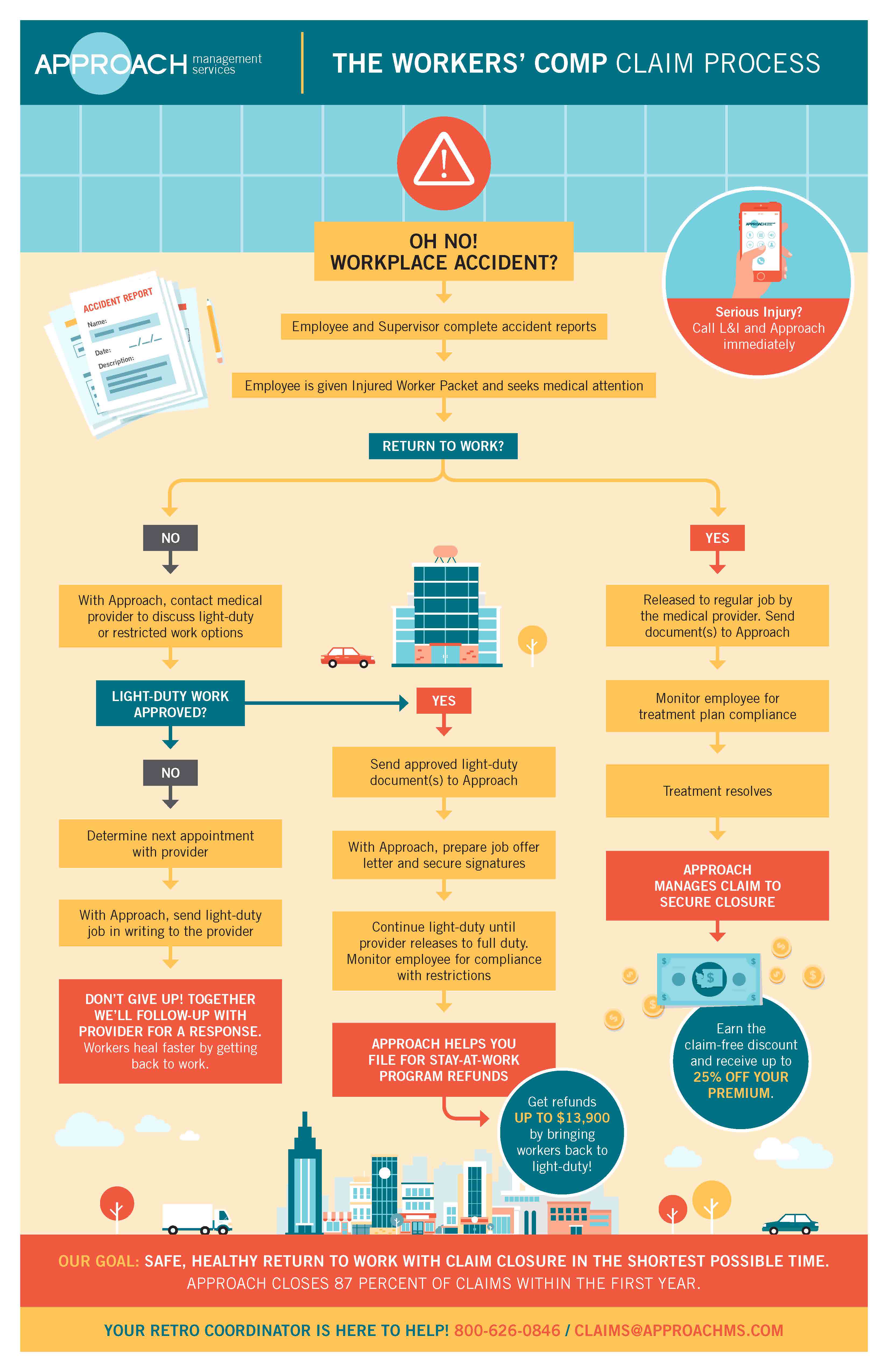
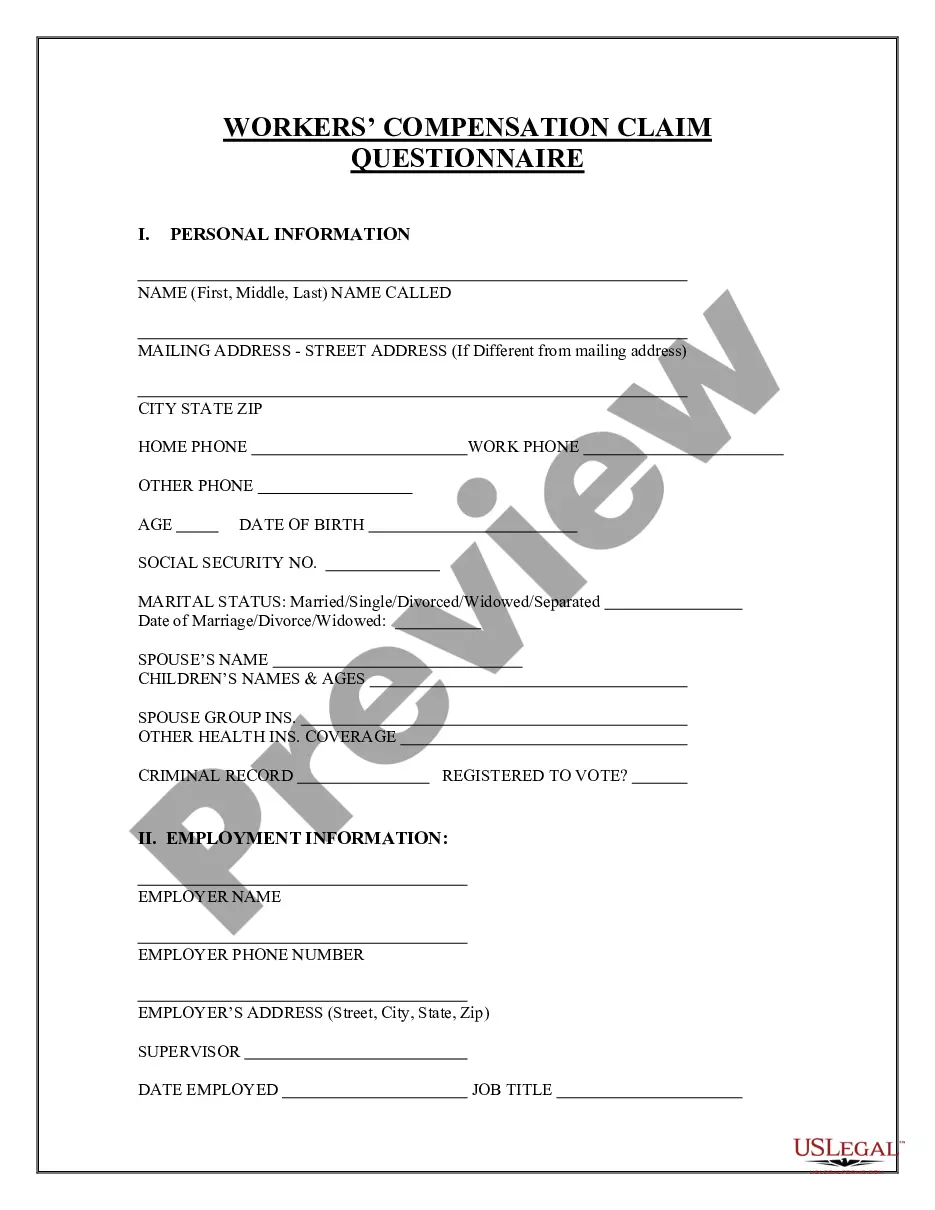
The administration of a workers' compensation ADL questionnaire follows a deliberate procedure to ensure accuracy, accountability, and legal validity. While specific forms vary by jurisdiction, insurance carrier, and medical provider, the operational workflow typically follows a consistent path.
- Injury Occurs & Treatment Begins
- Claim Adjustment / Functional Plateau
- Questionnaire Issued to Injured Worker
- Self-Report or Clinician-Assisted Completion
- Cross-Verification with Medical Records & IMEs
- Integration into Disability Rating & Benefit Determination
1. Identification of Need and Form Distribution
The questionnaire is usually introduced when an injured worker reaches a medical milestone known as Maximum Medical Improvement (MMI), or when evaluating ongoing temporary total disability benefits. The claims adjuster, case manager, or defense attorney may request the evaluation, or treating physicians may administer it as part of a functional capacity evaluation (FCE).
2. Completion of the Questionnaire
The worker generally completes the document in one of two ways:
- Self-Report: The worker reads and answers the prompts independently, checking boxes or grading their difficulty level on a Likert scale (e.g., 0 for no difficulty to 4 for total inability).
- Clinician-Assisted: An occupational therapist, physical therapist, or independent medical examiner administers the questionnaire in person, observing physical movements during clinical testing to corroborate the self-reported answers.
3. Scoring and Quantification
Once completed, the administrator tallies the responses. Higher cumulative scores indicate greater functional dependency and more severe impairment. This numerical output provides an objective baseline that insurance adjusters use to weigh against job descriptions and physical demand requirements.
4. Verification and Adjudication
Because workers' compensation claims involve financial incentives, the submitted ADL questionnaire undergoes strict scrutiny. Adjusters and defense teams cross-reference the reported limitations against medical imaging, physician notes, and sometimes surveillance footage to ensure consistency. Discrepancies between what a worker claims on an ADL form and what they can actually perform can lead to claim disputes, delays, or fraud investigations.
Key Metrics and Comparative Evaluation
To understand how different levels of functional loss impact a workers' compensation case, it is helpful to look at how various impairments translate into scoring categories and subsequent legal standing.
| Impairment Level | Typical ADL Impact | Claim Status & Benefits Implication |
|---|---|---|
| Mild | Difficulty with heavy IADLs (e.g., heavy lifting, roof maintenance, deep cleaning); BADLs fully intact. | Return to modified duty or light work; lower permanent partial disability rating. |
| Moderate | Challenges with standard IADLs (shopping, meal prep, laundry) and occasional strain during complex BADLs (dressing lower body). | Extended temporary disability; vocational retraining may be required. |
| Severe | Significant dependence for multiple BADLs (bathing, transferring, toileting) alongside total inability to perform IADLs. | Permanent total disability consideration; potential need for home health aide assistance. |
| Catastrophic | Total dependency across nearly all BADLs and IADLs (e.g., severe spinal cord or traumatic brain injuries). | Lifetime medical benefits, institutional or round-the-clock home care allocation. |
Common Challenges, Disputes, and Troubleshooting
Disputes surrounding workers' compensation ADL questionnaires are frequent because the results directly dictate financial compensation and medical approvals. Recognizing common pain points helps stakeholders navigate potential roadblocks effectively.
Subjectivity vs. Objectivity
The primary critique of ADL questionnaires is their reliance on self-reporting. An injured worker experiencing high pain levels or anxiety may overstate their limitations, while a stoic worker trying to return to work quickly might underreport them. To counteract this, modern evaluations pair questionnaires with physical performance tests that measure grip strength, range of motion, and lifting mechanics independently.
Inconsistencies with Medical Records
A frequent pitfall occurs when an ADL questionnaire claims total inability to perform basic tasks, yet clinical notes from the treating physician describe steady improvement, full range of motion, or an active lifestyle. Legal and insurance frameworks rely heavily on medical records as the source of truth; therefore, alignment between clinical findings and questionnaire answers is paramount.
Language and Literacy Barriers
Workers' compensation systems serve diverse populations. If an ADL questionnaire is provided only in English to a worker whose primary language is Spanish or Vietnamese, the resulting data is legally and clinically invalid. Reputable administrators ensure translated forms or certified interpreters are utilized to prevent misinterpretation of complex functional questions.
Practical Guidance and Best Practices for Workers
For an injured employee navigating this process, approaching the ADL questionnaire with accuracy and transparency is vital for ensuring a fair evaluation.
- Be Honest and Consistent: Answer every question based on your worst days balanced with your average days, but never exaggerate limitations or omit genuine capabilities. Consistency between forms, doctor visits, and daily actions protects the credibility of the claim.
- Distinguish Between Pain and Ability: When a questionnaire asks if you can perform a task, it usually asks about the physical capability, not just whether it causes discomfort. However, if a task causes sharp pain or risk of reinjury, note those safety limitations clearly in the comments section if provided.
- Seek Professional Legal or Medical Advice: Because the legal implications of a functional disability rating can impact financial security for years, injured workers often consult with a qualified workers' compensation attorney or advocate before submitting formal functional documents to insurance carriers.
Image Gallery