The Lottery Shirley Jackson PDF: Access, Literary Analysis, and Cultural Impact
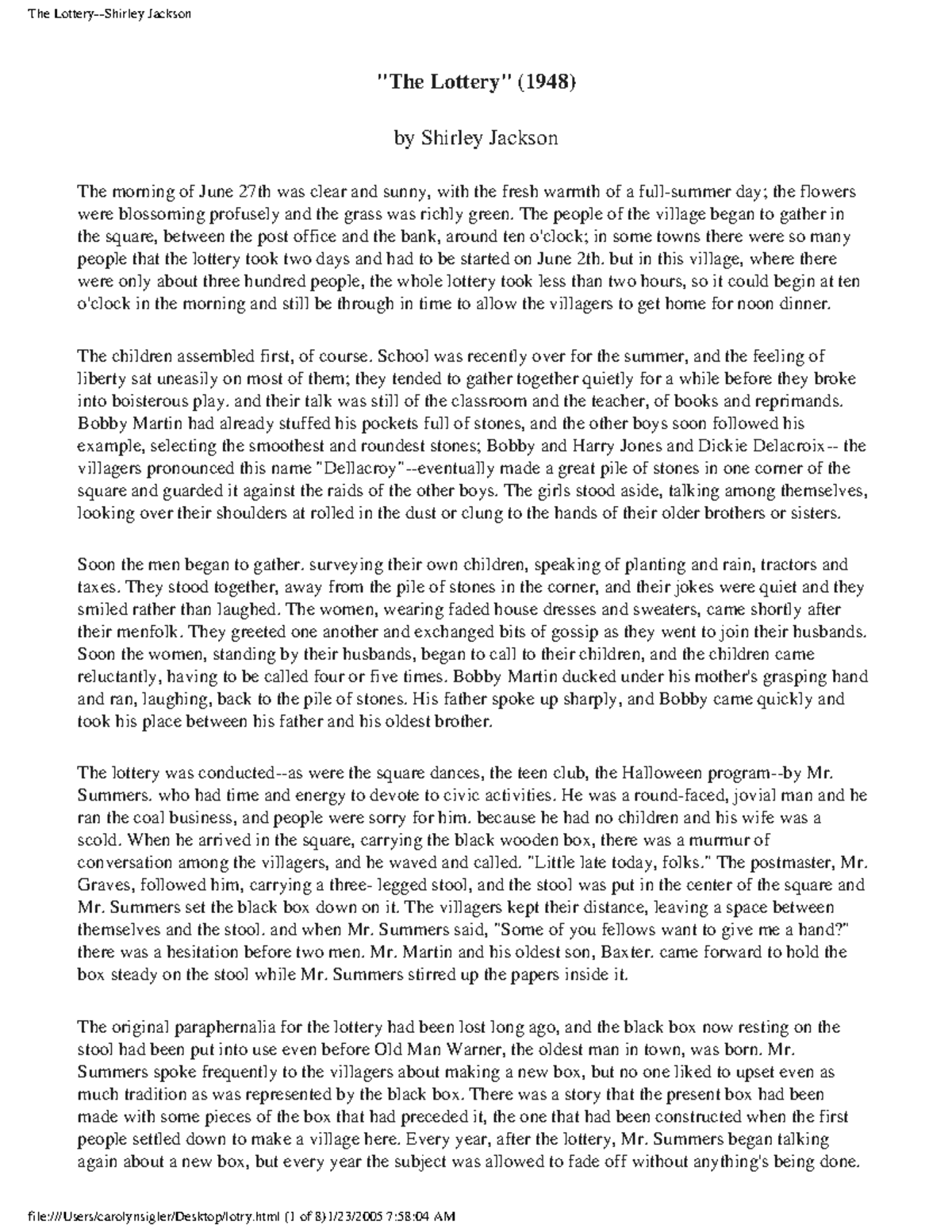
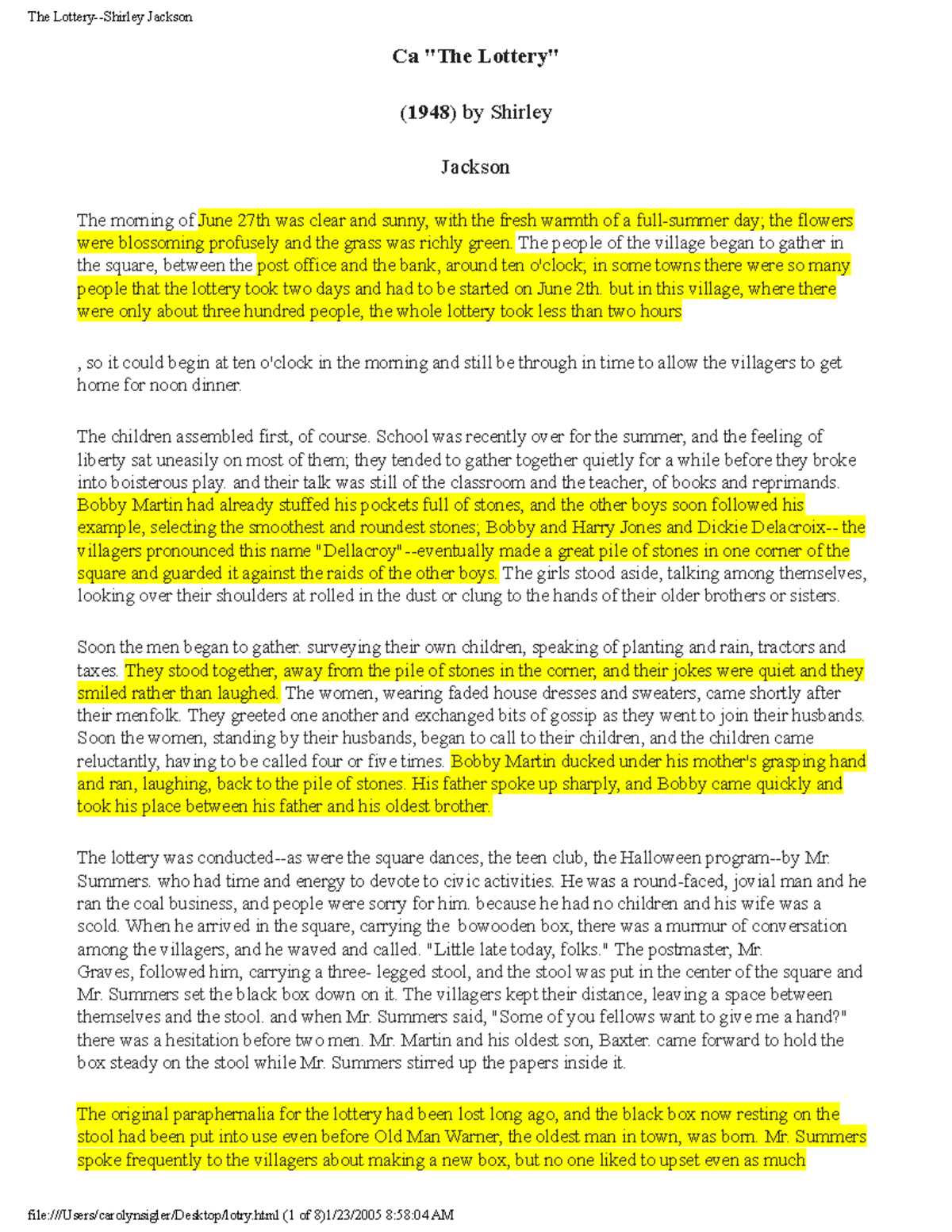
Shirley Jackson’s short story "The Lottery" remains one of the most widely anthologized and discussed pieces of American fiction. Readers, students, and educators frequently search for a "the lottery shirley jackson pdf" to examine its...
Shirley Jackson’s short story "The Lottery" remains one of the most widely anthologized and discussed pieces of American fiction. Readers, students, and educators frequently search for a "the lottery shirley jackson pdf" to examine its text, study its chilling social critique, and analyze its masterclass pacing. Published originally in The New Yorker on June 26, 1948, the story shocked readers with its depiction of a seemingly idyllic American village engaging in a brutal, ritualistic stoning.
Contents
Finding and utilizing a digital text of this work requires an understanding of copyright status, academic resources, and the critical context necessary to fully appreciate Jackson’s literary achievement.
Understanding Copyright and Legal Access to "The Lottery" PDF
Before downloading or distributing any digital text online, it is essential to recognize the legal and institutional framework governing Shirley Jackson’s literary estate.
Copyright Status
"The Lottery" is protected by copyright law. Shirley Jackson published the work in 1948, and under United States copyright laws, works published during that era maintain copyright protection for 95 years from their publication date when properly registered and renewed. Consequently, the story is not in the public domain.
Where to Legally Find the Text Online
Because the story remains under copyright, independent websites hosting free PDF downloads often do so without authorization from the copyright holder, Farrar, Straus and Giroux, or Jackson’s literary agents. Readers seeking legitimate digital access should look to:
- University and School Library Portals: Academic databases like JSTOR, Gale, or ProQuest often provide licensed access to course reserves and literary journals containing the story.
- Authorized Anthologies: Digital textbook platforms such as VitalSource or RedShelf offer legally purchased electronic versions of standard anthologies (e.g., The Norton Anthology of American Literature) that include the story.
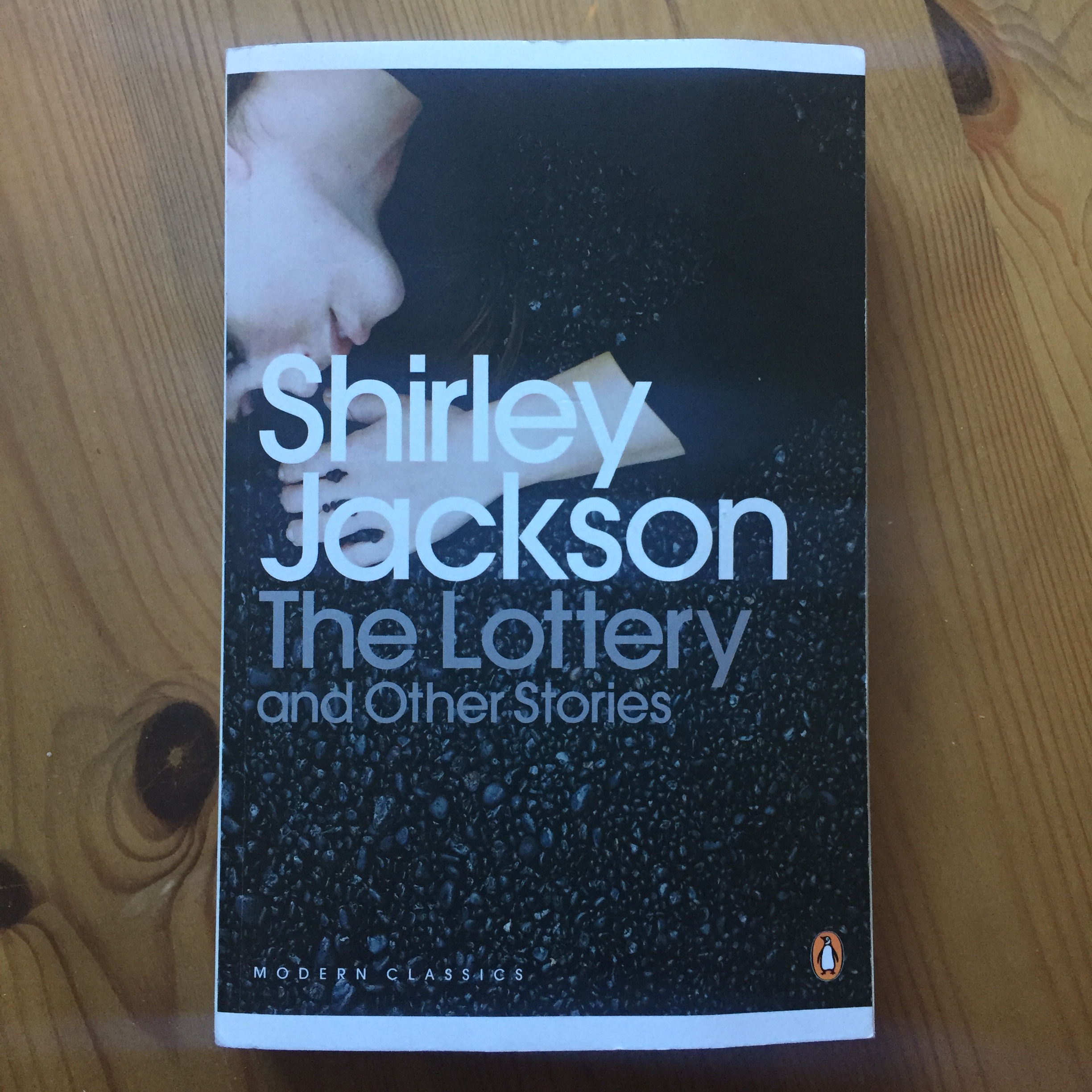
- Public Libraries: Many municipal and county library systems provide free access to e-books and audiobook platforms like Libby or OverDrive, where collections of Shirley Jackson's short stories—such as The Lottery and Other Stories—are available to borrow digitally.
Literary Analysis and Themes in Shirley Jackson’s Work
A digital copy of the text serves as the foundation for examining the sophisticated literary techniques Jackson employs. The story’s enduring power stems from its stark contrast between a mundane, sunlit summer day and the horrific violence at its core.
| Literary Element | Manifestation in "The Lottery" |
|---|---|
| Setting | A clear, sunny June 27th morning in a small farming village. |
| Tone | Detached, objective, and matter-of-fact. |
| Symbolism | The black wooden box, slips of paper, stones, and names. |
| Primary Theme | The inherent cruelty of blindly followed tradition. |
| Climax | Tessie Hutchinson draws the slip marked with the black spot. |
The Banality of Evil and Blind Tradition
Jackson’s central narrative argument is that ordinary people can participate in horrific acts simply because "there's always been a lottery." The villagers do not bear personal malice toward the victim; they execute the ritual with the mechanical indifference of clearing brush or attending a town meeting. The black box—battered, splintered, and faded—represents the unyielding weight of history and custom over human empathy and critical thought.
The Role of Scapegoating
Anthropological subtexts run deep throughout the narrative. The lottery functions as an annual ritual sacrifice, historically believed by agrarian communities to ensure a good harvest ("Lottery in June, corn be heavy soon"). Jackson exposes how societies manufacture scapegoats to release collective tension, maintain social cohesion, and project anxieties onto a single, defenseless individual.
Subversion of the American Pastoral
When The New Yorker published the story in 1948, the magazine received a record volume of canceled subscriptions and anxious letters. Readers were deeply unsettled because Jackson set the horror not in a distant, dystopian wasteland, but in a recognizable, small-town American setting among ordinary neighbors gossiping about tractors and household chores.
Practical Applications for Students and Educators
For high school and university literature classrooms, studying the text via digital or physical copies involves specific pedagogical strategies designed to maximize student engagement and critical thinking.
Pre-Reading Strategies
- Historical Context: Introduce post-World War II American culture, the rising anxieties of the Cold War era, and the psychological studies on conformity (such as the later Milgram experiment) that mirror Jackson's themes.
- Predictive Analysis: Have students analyze the title and opening paragraphs without revealing the twist ending, discussing how mood and atmosphere are established through mundane details.
Close Reading and Discussion Points
- The Black Box: Examine the history of the box mentioned in the text. Why do the villagers refuse to make a new one, yet hesitate to touch the splintered wood?
- Character Reactions: Track the shift in tone from the jovial gathering of children pocketing stones to the tense silence of the adult drawing.
- Tessie Hutchinson’s Protest: Analyze Tessie’s late arrival and her eventual outcry ("It isn't fair, it isn't right") compared to her compliance earlier in the conversation when her family was not selected.
Frequently Asked Questions
Is "The Lottery" available as a free public domain PDF?
No. Because the story was published in 1948, it remains protected under United States copyright law. Websites offering free direct PDF downloads of the standalone story are typically operating without authorization from the copyright holder.
Which book collections contain "The Lottery"?
The story is anthologized in several major collections, most notably The Lottery and Other Stories, originally published by Farrar, Straus and Company in 1949, as well as numerous college-level literature textbooks and anthologies of American short fiction.
Why did The New Yorker experience backlash when the story was published?
In 1948, readers were accustomed to more conventional narrative structures. The graphic, unpunished violence occurring in a realistic, cheerful American village shocked subscribers, leading to numerous letters demanding explanations and cancellations.
How does Shirley Jackson use foreshadowing in the story?
Jackson embeds subtle clues throughout the opening paragraphs, most notably the children gathering smooth stones into piles and the uneasy, guarded glances exchanged by the adult villagers as they gather around the black box.
Next Steps for Researchers and Readers
To deepen your study of Shirley Jackson’s work, consider borrowing The Lottery and Other Stories from your local public library or accessing a verified academic database through an institutional subscription. Examining related critical essays on post-war American literature will provide additional context regarding how Jackson’s masterpiece influenced generations of horror, suspense, and speculative fiction writers.
Image Gallery