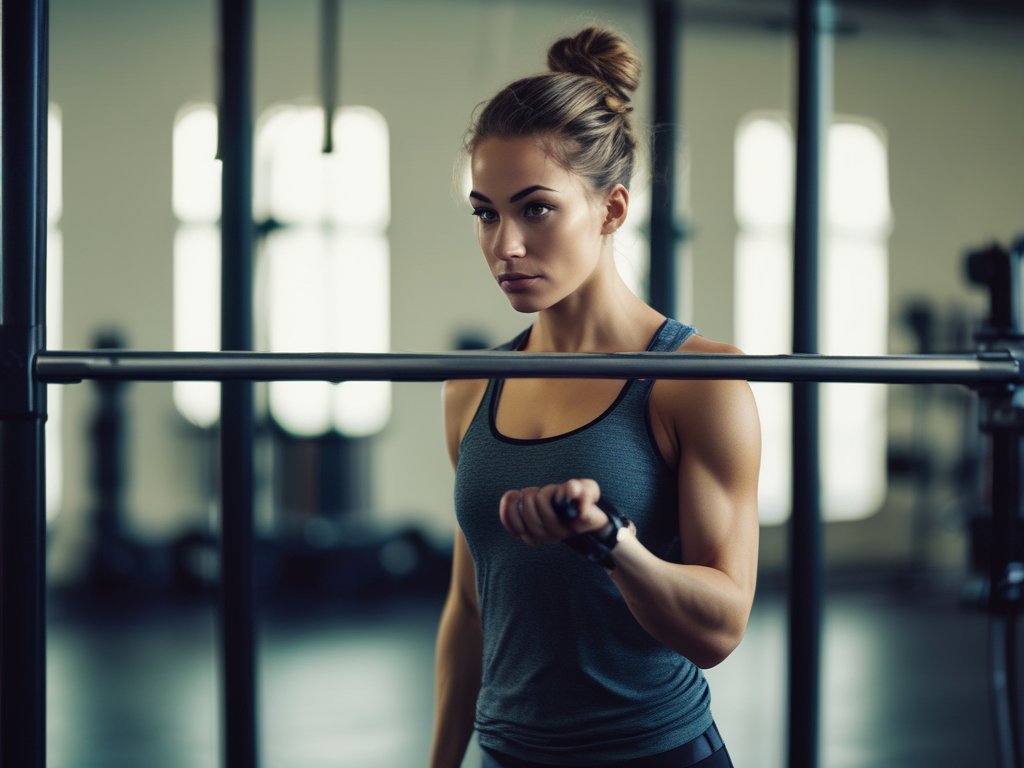
Scarlett Johansson Exercise Routine Myth vs Fact
The Scarlett Johansson exercise routine is a high-performance athletic program centered on functional strength, heavy resistance training, and metabolic conditioning. Contrary to popular belief, her physique was not achieved through li...
The Scarlett Johansson exercise routine is a high-performance athletic program centered on functional strength, heavy resistance training, and metabolic conditioning. Contrary to popular belief, her physique was not achieved through light weights or long-duration cardio, but through a rigorous, multi-phase approach designed by professional coaches to build real-world power and durability.
Contents
The public perception of how Hollywood stars achieve "superhero" bodies is often clouded by marketing fluff and oversimplified fitness advice. In the case of Scarlett Johansson—particularly during her decade-long tenure as Natasha Romanoff in the Marvel Cinematic Universe—the reality of her training was far more demanding than the "toning" workouts often attributed to her in lifestyle magazines. As we evaluate these methods in 2026, the data behind her transformation remains a gold standard for functional hypertrophy and female strength athletics.
The Myth of the "Toning" Workout vs. Functional Hypertrophy
One of the most persistent myths surrounding Scarlett Johansson’s exercise routine is that she relied on high-repetition, low-weight exercises to "tone" her muscles without adding bulk. In the fitness industry, the term "toning" is often a misnomer for the simultaneous process of muscle hypertrophy and fat loss.
The Fact: Johansson’s trainer, Eric Johnson (co-founder of Homage), has documented that her routine was built on foundational strength movements. She did not shy away from heavy weights. In fact, her sessions frequently included compound lifts such as deadlifts, back squats, and military presses. The goal was functional hypertrophy—increasing the size and efficiency of muscle fibers to ensure she could perform her own stunts and move naturally under the weight of a heavy tactical suit.
Heavy lifting is essential for the "superhero" look because it creates muscle density. By lifting near her one-repetition maximum (1RM) in phases, Johansson was able to stimulate the central nervous system and promote a metabolic rate that burned calories long after the workout ended. This is a stark contrast to the myth that she spent hours on a treadmill or elliptical.
Training Phases: From Foundation to Peak Performance
To understand the Scarlett Johansson exercise routine, one must view it as a series of planned cycles rather than a static daily list of moves. Her preparation for major roles typically spanned 12 to 15 weeks, divided into specific blocks.
Phase 1: The Foundational Block
This phase focused on "waking up" the mind-muscle connection. It involved stability work, mobility exercises, and correcting any imbalances. Many observers wrongly assume celebrities jump straight into explosive stunts; however, Johansson spent significant time on foundational movement patterns. This included lateral lunges, planks, and basic bodyweight rows to ensure her joints were prepared for the heavier loads to come.
Phase 2: The Strength and Hypertrophy Block
This is where the "heavy lifting" fact replaces the "light weights" myth. During this block, Johansson focused on pushing her physical limits. Key exercises included:
- Deadlifts: Often cited as her favorite move for building a strong posterior chain.
- Pull-ups: She progressed from assisted pull-ups to strict, unassisted repetitions, which is a significant feat of upper-body strength.
- Pistol Squats: Single-leg strength was prioritized to improve balance and explosive power for fight choreography.
Phase 3: The Power and Conditioning Block
As filming approached, the routine shifted toward plyometrics and "metabolic finishers." This phase involved box jumps, kettlebell swings, and battle ropes. The intent was to sharpen her reflexes and ensure she had the cardiovascular endurance to handle 15-hour filming days involving repetitive action sequences.
The Myth of Extreme Caloric Restriction
A common misconception is that Johansson maintained her physique through a "starvation diet" or by cutting out entire food groups like carbohydrates or fats.
The Fact: Her nutritional strategy was highly calculated, utilizing carb cycling and intermittent fasting. Instead of mindless restriction, she timed her nutrient intake to match the intensity of her training. On heavy lifting days, her carbohydrate intake was increased to fuel muscle recovery and provide glycogen for explosive movements. On rest days or light cardio days, carbs were lowered to encourage the body to utilize stored fat for energy.
Intermittent fasting, typically following a 12-hour or 14-hour window, was used to manage inflammation and maintain insulin sensitivity. This approach allowed her to maintain muscle mass while dropping body fat percentage—a feat that is nearly impossible on a chronic low-calorie diet, which often leads to muscle wasting and a slowed metabolism.
Comparison: Popular Myths vs. Professional Realities
To better visualize the differences between what is often reported and what actually occurred in the gym, the following table breaks down the core components of the Scarlett Johansson exercise routine.
| Feature | The Popular Myth | The Training Fact |
|---|---|---|
| Primary Goal | Weight loss and "slimness" | Functional strength and stunt durability |
| Weight Selection | Light dumbbells (2–5 lbs) | Heavy compound lifts (Deadlifts, Squats) |
| Cardio Style | Steady-state jogging for 60+ mins | Sprints, plyometrics, and circuit training |
| Dietary Approach | Low-carb, low-calorie restriction | Carb cycling and timed nutrient intake |
| Frequency | Daily "maintenance" workouts | 4–5 days of intense, 90-minute sessions |
| Core Training | Hundreds of sit-ups and crunches | Compound stabilization and heavy carries |
The Integration of Martial Arts and Stunt Work
While the gym provided the physical "armor," the Scarlett Johansson exercise routine also had to account for the technical requirements of her roles. Many people believe that stunt doubles perform 100% of the action, rendering the actor's training purely aesthetic.
The Fact: Johansson performed a significant portion of her own choreography, which required integrated training. Her routine included elements of Brazilian Jiu-Jitsu, Muay Thai, and Wushu. This wasn't just for show; the "fight feel" required her to have the core strength to hold complex poses and the flexibility to execute high kicks.
This integration is why her gym work focused so heavily on "odd-object" lifting and rotational strength. Exercises like the Turkish Get-Up were staples because they bridge the gap between pure strength and fluid, athletic movement. If her routine had been the "mythical" version—stiff machines and isolation curls—she would have lacked the mobility required for the fluid, acrobatic fighting style seen on screen.
Recovery and Mental Resilience
In 2026, we recognize that recovery is just as important as the stimulus. A myth often pushed by "hustle culture" is that Johansson never took a day off. However, her coaches emphasized that muscle growth and fat loss occur during rest, not during the workout itself.
She utilized various recovery modalities, including infrared saunas, cold plunges, and professional massage therapy. More importantly, her routine was sustainable because it was periodized. She wasn't training at 100% intensity year-round. Instead, she would peak for a role and then transition into a "maintenance" phase that allowed her body to heal from the high-impact nature of stunt work.
Common Pitfalls When Mimicking This Routine
Many fitness enthusiasts attempt to replicate the Scarlett Johansson exercise routine and fail because they ignore the prerequisites.
- Skipping the Foundation: Jumping into heavy deadlifts without mastering hip-hinge mechanics leads to injury.
- Ignoring the "Why": Her routine was built for her specific biomechanics and goals. A person with a desk job might need more postural correction than a professional actor who is active all day.
- Inconsistent Nutrition: You cannot train like an elite athlete while eating like a sedentary person—or vice versa. The carb cycling was the "secret sauce" that made the heavy lifting visible.
Frequently Asked Questions
Did Scarlett Johansson use supplements to achieve her results?
While specific brand endorsements vary, her routine relied primarily on whole-food nutrition. However, standard professional supplements like high-quality whey protein (for recovery), creatine monohydrate (for ATP production during heavy lifts), and magnesium (for sleep and muscle relaxation) were likely utilized under professional supervision.
How many hours a day did she work out?
During peak preparation, her sessions typically lasted 90 minutes, 4 to 5 days a week. The myth that she worked out for 4-5 hours a day is largely false; such a volume would lead to overtraining and a decline in muscle quality. The focus was on intensity and efficiency rather than duration.
Can a beginner follow the Scarlett Johansson exercise routine?
A beginner should not jump into the "Phase 3" power routine. However, the principles—focusing on compound lifts, prioritizing strength over "toning," and using carb cycling—are applicable to everyone. Beginners should start with bodyweight versions of her lifts (like goblet squats instead of back squats) to build the necessary movement patterns.
Is the routine different for different movies?
Yes. Her training for Black Widow (2021) was different from her earlier appearances in the MCU. As her character evolved, the training became more focused on "veteran" strength—meaning more focus on joint longevity and explosive power rather than just building a specific silhouette.
Did she do a lot of traditional cardio?
No. Traditional steady-state cardio (like long-distance running) was kept to a minimum. Instead, her "cardio" came from high-intensity interval training (HIIT) and metabolic conditioning circuits, which are more effective at preserving muscle mass while burning fat.
Final Recommendation
For those looking to adopt the principles of the Scarlett Johansson exercise routine, the most effective path is to prioritize strength and performance over the scale. Start by mastering the "Big Three" movements—squats, deadlifts, and presses—and implement a structured nutritional plan like carb cycling. Remember that her results were the product of consistency over years, not a "30-day challenge." If you focus on becoming stronger and more capable, the aesthetic changes will follow as a natural byproduct of your increased athletic capacity.
Image Gallery