How Solar Panel Installation in Fort Lauderdale Works: A Complete 2026 Guide
Solar panel installation in Fort Lauderdale works through a structured process of site evaluation, hurricane-resilient engineering, city permitting, and utility interconnection. Homeowners transition to solar by securing structural app...
Solar panel installation in Fort Lauderdale works through a structured process of site evaluation, hurricane-resilient engineering, city permitting, and utility interconnection. Homeowners transition to solar by securing structural approval for High-Velocity Hurricane Zones (HVHZ), installing photovoltaic hardware, and connecting to Florida Power & Light’s (FPL) grid to utilize net metering programs.
Contents
As of 2026, Fort Lauderdale remains one of the most proactive cities in Florida for renewable energy adoption. The combination of high solar irradiance and state-level tax incentives has made solar a standard consideration for property owners looking to mitigate rising energy costs. However, the process in South Florida is uniquely rigorous due to stringent building codes designed to withstand tropical cyclones. Understanding the technical and regulatory milestones is essential for a successful transition to clean energy.
The Initial Consultation and Solar Site Assessment
The journey begins with a comprehensive site assessment. Unlike other regions where a simple satellite view might suffice, Fort Lauderdale’s dense coastal environment requires a physical or advanced drone-based inspection.
A solar technician evaluates the structural integrity of the roof. In Florida, roofs are subject to intense UV radiation and heat, which can degrade shingles or tiles faster than in northern climates. Most reputable installers will not proceed if the roof has less than 10 to 15 years of remaining life, as removing and reinstalling panels for a roof replacement is cost-prohibitive.
The assessment also includes a shading analysis. While Florida is the "Sunshine State," Fort Lauderdale’s mature canopy of palm trees and oaks, along with neighboring multi-story structures, can significantly impact energy yields. Technicians use tools like the Solmetric SunEye or digital 3D modeling to calculate the Solar Access Value (SAV). This data determines if the roof receives enough unobstructed sunlight—typically at least six hours of peak sun—to make the investment financially viable.
Engineering for South Florida: Hurricane Resilience
Fort Lauderdale is located within the High-Velocity Hurricane Zone (HVHZ). This designation means that any solar installation must meet the strictest wind-load requirements in the United States.
Engineering firms must draft site-specific plans that account for wind speeds exceeding 170 mph. This involves:
- Stature Calculations: Ensuring the rafters or trusses can support the dead weight of the panels plus the uplift forces of a hurricane.
- Racking Systems: Using heavy-duty, anodized aluminum or stainless steel rails that are corrosion-resistant to the salty Atlantic air.
- Fastening Methods: Utilizing high-grade flashing and standoffs that create a water-tight seal while anchoring the system directly into the home’s structural skeleton.
In 2026, most local installations favor microinverters or power optimizers. These devices allow each panel to operate independently. In the event that one panel is obscured by debris or damaged during a storm, the rest of the array continues to produce power at maximum efficiency.
Navigating the Permitting Process in Fort Lauderdale
Permitting is often the most time-consuming phase of the installation. In Fort Lauderdale, solar projects require approval from the City of Fort Lauderdale Development Services Department.
The permit application must include the engineered structural plans, an electrical three-line diagram, and specifications for all components (panels, inverters, and mounting hardware). The city verifies that the system complies with the Florida Building Code (8th Edition) and the National Electrical Code (NEC).
Recent streamlining efforts in 2026 have digitized much of this process, but homeowners should still expect a 3-to-6-week window for approval. The city specifically looks for "rapid shutdown" capabilities, a safety feature that allows first responders to de-energize the solar array instantly in the event of a fire or emergency.
Financing and Incentives Available in 2026
The financial framework for solar in Fort Lauderdale is supported by federal and state-level policies that remain robust in 2026.
- Federal Investment Tax Credit (ITC): Under current legislation, homeowners can claim a 30% tax credit on the total cost of their solar system, including battery storage. This is a dollar-for-dollar reduction in federal income tax liability.
- Florida Sales Tax Exemption: Solar energy systems are 100% exempt from Florida’s 6% sales tax.
- Property Tax Exclusion: Adding solar panels increases your home’s value, but Florida law prohibits the value added by a solar installation from being included in your property tax assessment.
- PACE Financing: The Property Assessed Clean Energy (PACE) program allows some Fort Lauderdale residents to finance solar through a special assessment on their property taxes, eliminating the need for high upfront costs or credit-based bank loans.
The Physical Installation Process
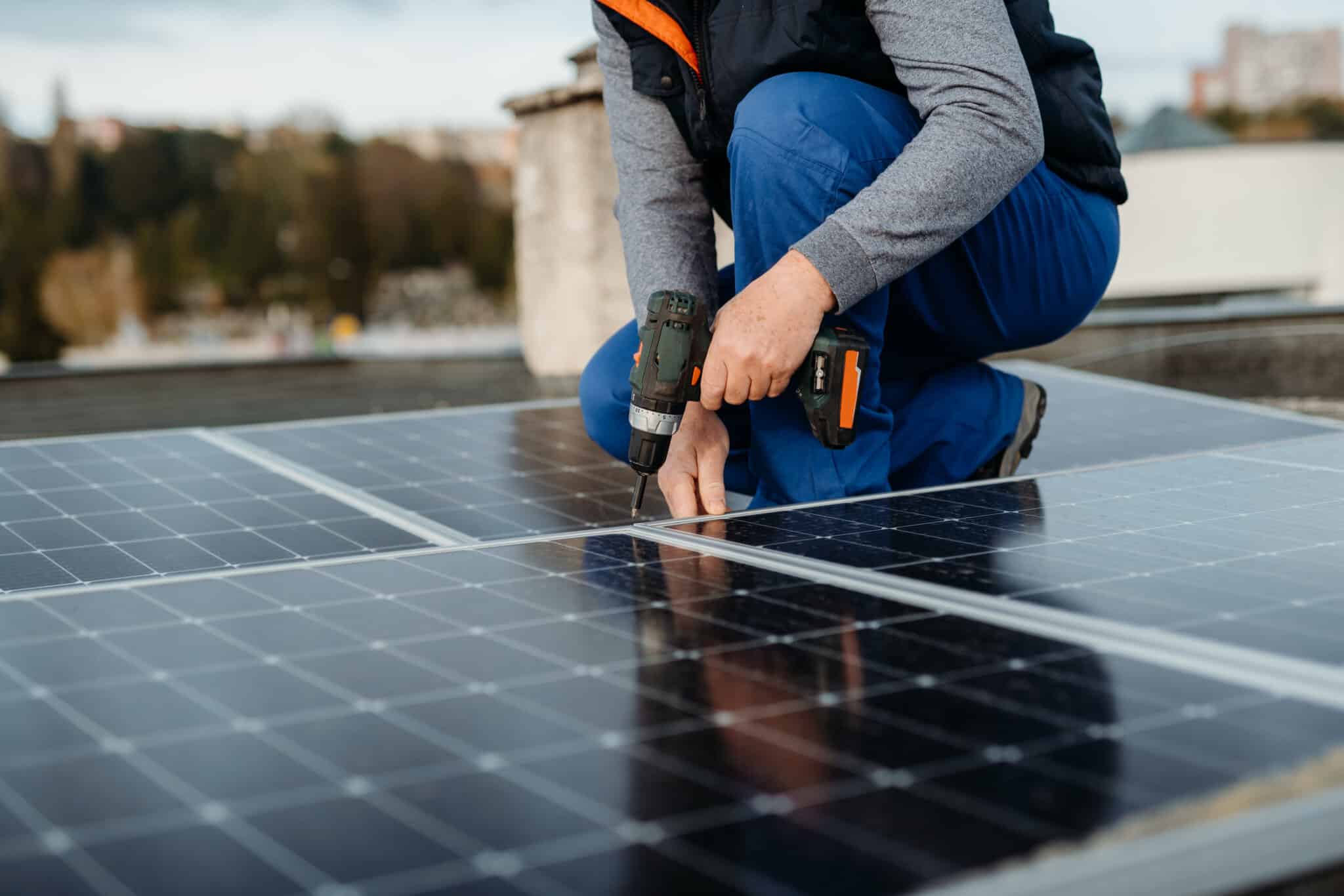
Once permits are issued, the actual installation typically takes only one to three days. The process follows a logical sequence to ensure safety and system longevity:
- Staging: The crew secures the perimeter and delivers the panels, inverters, and racking to the site.
- Racking and Flashing: Installers mark the rafters and install the mounting points. In Fort Lauderdale’s climate, high-quality sealants are applied to every roof penetration to prevent leaks during torrential summer rains.
- Electrical Wiring: Electricians install the conduit and wire the system from the roof down to the main service panel. This often involves installing a new "solar sub-panel" or upgrading the existing bus bar.
- Panel Mounting: The photovoltaic (PV) modules are secured to the racks.
- Commissioning: The system is powered on briefly to verify that all strings are producing the expected voltage before being shut down to await final inspection.
Inspection and Utility Interconnection
After the physical work is complete, the system cannot be permanently turned on until it passes two final hurdles.
First, a City of Fort Lauderdale inspector visits the property to verify that the installation matches the approved plans and meets all safety codes. They check the torque on the bolts, the grounding of the electrical system, and the labeling of all disconnects.
Second, the installer submits an interconnection application to Florida Power & Light (FPL). FPL will replace the standard utility meter with a bi-directional meter. This meter tracks both the electricity you pull from the grid and the excess energy your panels send back to the grid. This process, known as Net Metering, allows you to receive credits on your bill for the surplus power you produce during the day, which offsets the cost of the power you use at night. Detailed information on current interconnection standards can be found via FPL's Solar Programs.
Comparing Solar Equipment for the Fort Lauderdale Climate
When selecting hardware, the coastal environment of South Florida dictates specific requirements for durability and heat tolerance.
| Feature | Monocrystalline Panels | Thin-Film Panels | Lead-Acid Batteries | Lithium-Iron Phosphate (LFP) |
|---|---|---|---|---|
| Efficiency | High (19-23%) | Low (11-13%) | N/A | High |
| Heat Tolerance | Excellent | Moderate | Poor | Excellent |
| Salt Air Resistance | High (if frame is treated) | Variable | Low | High (sealed units) |
| Standard Warranty | 25 Years | 10-15 Years | 5-7 Years | 10-15 Years |
| Best Use Case | Residential Rooftops | Large Commercial | Emergency Backup Only | Daily Cycling/Storage |
Costs and ROI for Fort Lauderdale Homeowners
In 2026, the average cost of a solar installation in Fort Lauderdale ranges from $2.40 to $3.10 per watt. For a standard 8kW system, the gross cost is approximately $19,200 to $24,800. After the 30% Federal Tax Credit, the net cost drops to between $13,440 and $17,360.
The Return on Investment (ROI) is driven by Fort Lauderdale’s electricity rates. With FPL’s tiered rate structures, a solar system typically pays for itself within 7 to 9 years. Given that the systems are warranted for 25 years, homeowners can expect 15+ years of virtually free electricity. Furthermore, properties with solar in South Florida often sell faster and at a premium compared to non-solar homes, as energy independence becomes a more desirable asset in the real estate market.
Frequently Asked Questions
Will solar panels protect my roof during a hurricane?
While solar panels are not designed as roof protection, the racking system and the panels themselves add a layer of rigid material over the roof deck. Because they are bolted into the structural trusses, they often remain intact even when surrounding shingles are stripped away, provided the installation meets HVHZ standards.
What happens to my solar power during a grid outage?
Standard grid-tied solar systems automatically shut down during a power outage to prevent "islanding," which could injure utility workers. To have power during an outage, you must install a battery backup system (like a Tesla Powerwall or Enphase 5P) or a specialized inverter with "sunlight backup" capabilities.
How do I maintain solar panels in Fort Lauderdale’s environment?
Maintenance is minimal but necessary. The most significant factor is salt film and bird droppings, which can reduce efficiency by 5-10%. Rinsing the panels with a garden hose (never a pressure washer) twice a year is usually sufficient. Most rain events in Fort Lauderdale are heavy enough to naturally clean the panels.
Does the city allow solar panels on the front of the house?
Florida Statute 163.04 (the "Solar Rights Act") prohibits homeowners' associations (HOAs) and local governments from preventing the installation of solar panels. While they can request that panels be placed on the rear of the house, they cannot enforce this if it significantly impairs the system's performance or increases the cost.
How long do solar panels actually last?
Most modern panels installed in 2026 come with a 25-year performance warranty, guaranteeing they will still produce at least 85% of their original rated power at the end of the term. The physical lifespan of the panels can often exceed 35 to 40 years.
Final Recommendation
For Fort Lauderdale residents, the most critical step is selecting a contractor with specific experience in High-Velocity Hurricane Zone (HVHZ) installations. Ensure your chosen provider handles the entire "turn-key" process—including structural engineering and FPL interconnection paperwork—to avoid delays. Before signing a contract, request a shading report and a detailed breakdown of the projected net metering credits to ensure the system is sized correctly for your annual kilowatt-hour consumption.
Image Gallery