Terry Francona and the Strategy Behind the 2004 Red Sox World Series Victory
Terry Francona served as the manager of the 2004 Boston Red Sox, leading the franchise to its first World Series championship in 86 years. Appointed in late 2003, Francona’s leadership style and tactical management were instrumental in...
Terry Francona served as the manager of the 2004 Boston Red Sox, leading the franchise to its first World Series championship in 86 years. Appointed in late 2003, Francona’s leadership style and tactical management were instrumental in overcoming a 3-0 deficit against the New York Yankees and breaking the "Curse of the Bambino."
Contents
The 2004 Boston Red Sox season remains one of the most culturally significant moments in professional sports history. At the heart of this transformation was Terry Francona, a man whose previous managerial stint with the Philadelphia Phillies had been largely unremarkable. However, under the guidance of General Manager Theo Epstein and the Red Sox front office, Francona became the facilitator of a "player-centric" culture that balanced high-level analytics with a relaxed, clubhouse-friendly atmosphere.
The Path to Fenway: Why Terry Francona?
The search for a new manager following the 2003 season was fraught with tension. The Red Sox had just suffered a heart-wrenching loss in Game 7 of the American League Championship Series (ALCS) against the New York Yankees. The previous manager, Grady Little, was widely criticized for leaving starting pitcher Pedro Martinez in the game for too long, a decision that led to a blown lead and an eventual walk-off home run by Aaron Boone.
When the Red Sox hired Terry Francona in December 2003, the move was met with cautious optimism. Francona, often referred to as "Tito," had managed the Phillies from 1997 to 2000 without a winning season. However, Theo Epstein and the ownership group, led by John Henry and Tom Werner, saw something in Francona that others missed: an ego-free communicator who could bridge the gap between a modern, data-driven front office and a veteran-heavy clubhouse.
Francona’s primary task was to manage a roster filled with massive personalities—players like Pedro Martinez, Manny Ramirez, Curt Schilling, and David Ortiz. His ability to handle these "superstars" while maintaining a cohesive unit earned the team the nickname "The Idiots," a moniker they embraced as a sign of their loose, resilient nature.
Strategic Philosophy and the Shift in Culture
Francona’s approach in 2004 was a departure from the traditional, authoritarian style of managing. He prioritized communication and player autonomy, which allowed the team to remain calm during high-pressure situations.
Embracing the "Bullpen by Committee" and Sabermetrics
While the Red Sox had a traditional closer in Keith Foulke, Francona was highly adaptable with his relief corps. He worked closely with the analytics department to understand matchups, often deploying middle relievers like Mike Timlin and Alan Embree in unconventional but high-leverage situations. Unlike his predecessor, Francona was disciplined about pitch counts and rest cycles, ensuring his arms were fresh for the October stretch.
The Trade That Defined a Season
One of the most pivotal moments of the 2004 season occurred on July 31, the trade deadline. The Red Sox traded away franchise icon Nomar Garciaparra in a four-team deal that brought in shortstop Orlando Cabrera and first baseman Doug Mientkiewicz. While the manager doesn't pull the trigger on trades, Francona was essential in managing the clubhouse fallout. He successfully integrated the new defensive specialists, which drastically improved the team's run prevention in the second half of the season.
Managing the Impossible: The 2004 ALCS Comeback
The defining moment of Terry Francona’s career—and arguably the history of the Red Sox—was the 2004 ALCS. Down 3-0 in the series against the New York Yankees, no team in Major League Baseball history had ever come back to win.
Game 4: The Strategic Pinch Run
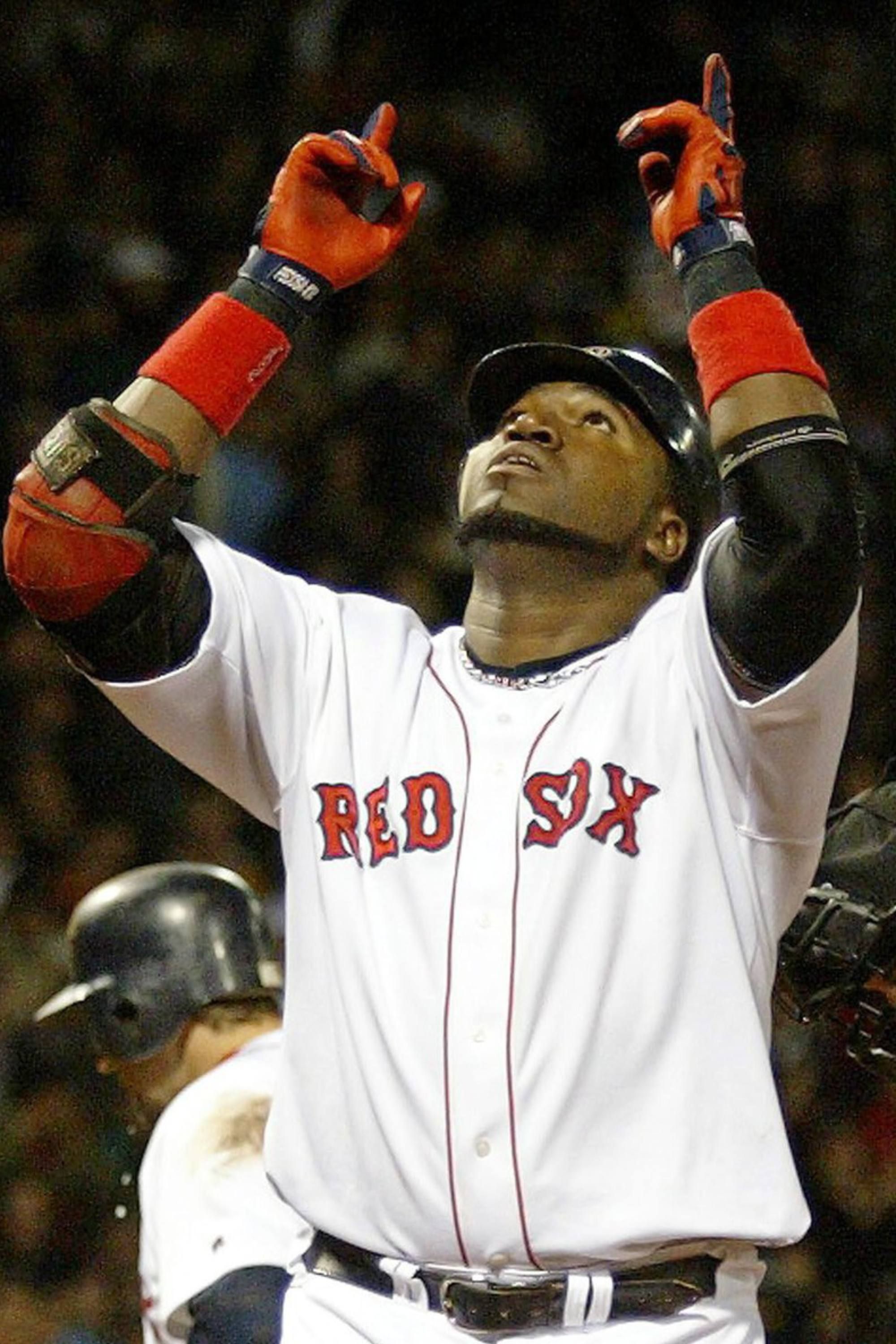
In the bottom of the ninth inning of Game 4, trailing by a run, Francona made the tactical decision to pinch-run Dave Roberts for Kevin Millar after a walk. This was not a random choice; it was a calculated move based on Roberts’ elite speed and the specific tendencies of Yankees closer Mariano Rivera. Roberts’ subsequent steal of second base allowed Bill Mueller to drive him in, tying the game and setting the stage for David Ortiz’s walk-off home run in the 12th.
The "Bloody Sock" and Bullpen Management
In Game 6, Francona had to manage the logistics of Curt Schilling pitching with a ruptured tendon sheath in his ankle, which was held together by a temporary surgical procedure. Francona’s trust in Schilling, combined with a quick hook if things went south, allowed the veteran to pitch seven masterful innings. Throughout the final four games of the ALCS, Francona’s use of the bullpen—specifically leaning on Foulke for multi-inning saves—showcased a "win now" mentality that ignored regular-season constraints.
Comparison of Red Sox Management: 2003 vs. 2004
The following table illustrates the key differences in management style and outcomes between the 2003 season (Grady Little) and the 2004 championship season (Terry Francona).
| Feature | 2003 (Grady Little) | 2004 (Terry Francona) |
|---|---|---|
| Managerial Philosophy | Traditional / Intuition-based | Hybrid / Analytic-friendly |
| Bullpen Usage | Static roles; high reliance on starters | Flexible; high-leverage matching |
| Clubhouse Atmosphere | Professional / Reserved | Loose / "The Idiots" |
| Key Postseason Moment | Leaving Pedro Martinez in (Loss) | Pinch-running Dave Roberts (Win) |
| Regular Season Record | 95-67 | 98-64 |
| Postseason Result | Lost ALCS | Won World Series |
The World Series Sweep and the End of the Curse
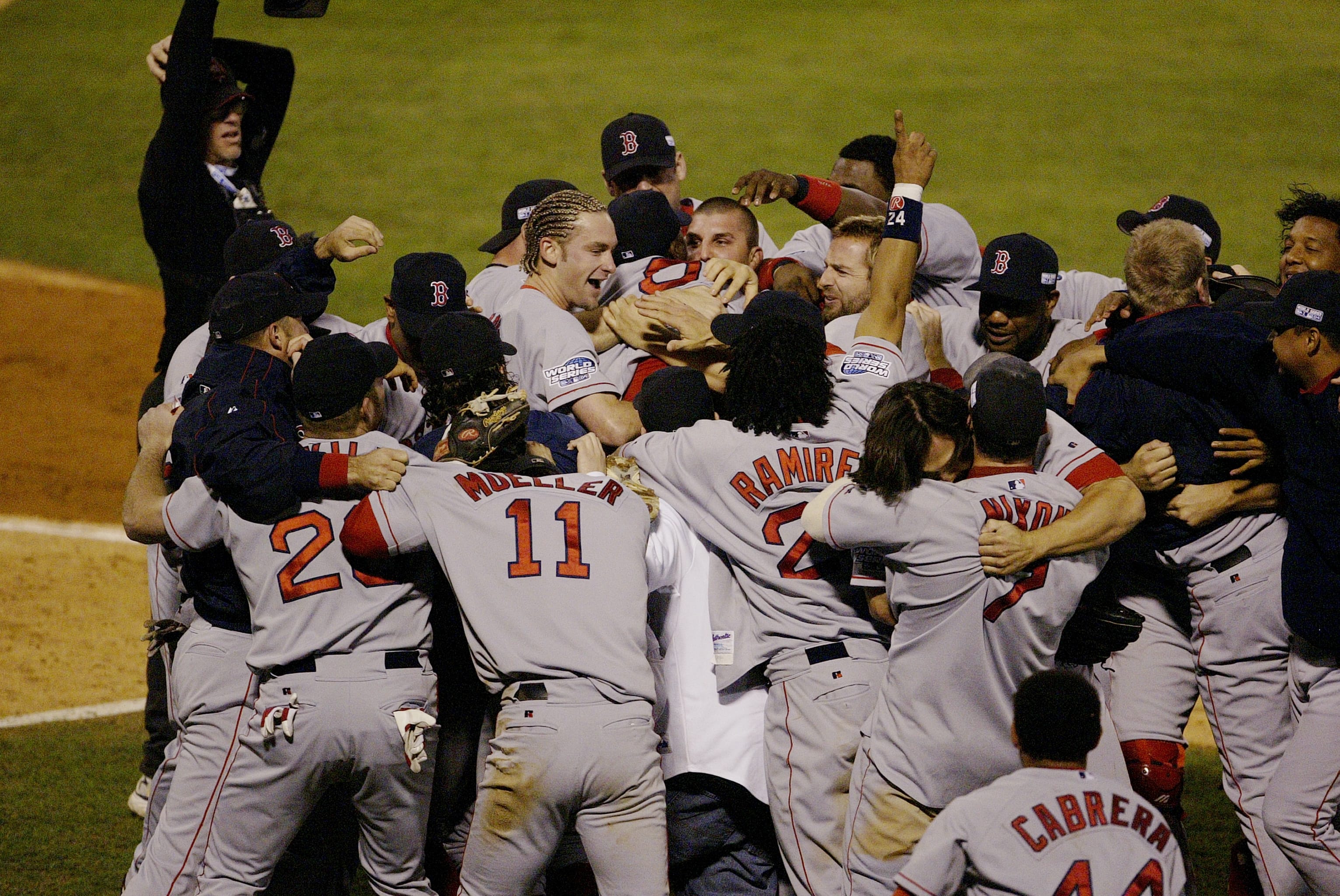
After the emotional exhaustion of the ALCS, many feared the Red Sox would have nothing left for the St. Louis Cardinals in the World Series. However, Francona’s ability to keep the team focused proved decisive. The Red Sox swept the Cardinals in four games, outscoring them 24-12.
Francona’s management of the World Series was characterized by a lack of "panic moves." Even when the Cardinals threatened in Game 1, Francona stuck to his rotation and his relief plan. By Game 4, when Derek Lowe took the mound on short rest, Francona had instilled enough confidence in the roster that the outcome felt inevitable. When the final out was recorded—a ground ball to pitcher Keith Foulke—Francona became the first manager since 1918 to bring a title to Boston.
Legacy and Impact on the Franchise
Terry Francona would go on to manage the Red Sox until 2011, winning another World Series in 2007. However, the 2004 season remains his masterpiece. As of 2026, Francona is widely regarded as the greatest manager in the history of the Boston Red Sox, not just for the wins, but for transforming the organizational culture.
His success in 2004 proved that a manager could be "player-friendly" without losing authority. It also validated the "Moneyball" approach championed by the Red Sox front office, showing that data and human management are not mutually exclusive. Francona’s tenure ended the era of "The Curse" and ushered in a period of sustained excellence for the Red Sox that lasted for two decades.
Frequently Asked Questions
Who was the manager before Terry Francona in 2004?
Grady Little was the manager of the Red Sox in 2002 and 2003. He was dismissed after the 2003 ALCS, largely due to his decision-making regarding starting pitcher Pedro Martinez in Game 7. According to MLB.com, the change to Francona was seen as a pivot toward a more modern, collaborative leadership style.
How many World Series did Terry Francona win with the Red Sox?
Terry Francona won two World Series championships with the Boston Red Sox, the first in 2004 and the second in 2007. Both victories were four-game sweeps, meaning Francona actually held an 8-0 record in World Series games during his time in Boston.
Why was the 2004 team called "The Idiots"?
The nickname was coined by outfielder Kevin Millar. It referred to the team's loose, carefree, and often irreverent attitude in the clubhouse. Francona’s willingness to allow this culture to flourish was a key component of his managerial success, as it helped the players stay relaxed under the intense pressure of the Boston media.
What happened to Terry Francona after he left the Red Sox?
After leaving Boston following the 2011 season, Francona took a year off to work in broadcasting. In 2013, he became the manager of the Cleveland Indians (now Guardians), where he led them to the 2016 World Series and became the winningest manager in that franchise's history before his eventual retirement. His career is detailed extensively at Baseball-Reference.
Was the 2004 manager involved in the decision to trade Nomar Garciaparra?
While General Manager Theo Epstein made the final decision, Terry Francona was consulted extensively. The trade was designed to improve team defense and clubhouse chemistry, both of which fell under Francona's daily purview. The success of the move solidified the trust between the manager and the front office.
Final Recommendation for Students of the Game
For those looking to understand the mechanics of the 2004 season, it is recommended to study the transcripts of post-game interviews from the 2004 ALCS. They reveal a manager who never panicked, even when facing historical odds. The 2004 Red Sox were not just a team of talented players; they were a meticulously managed group that utilized every tactical advantage available. Whether you are a fan or a student of leadership, Francona’s 2004 campaign serves as a blueprint for managing high-stakes environments through composure and collaboration.
Image Gallery