Does Life Insurance From Your Job Cover You Off-Duty? Understanding Group Policy Limits
Most standard employer-provided life insurance policies provide 24/7 coverage, protecting you whether you are at your workplace or off-duty. However, confusion often arises because employees frequently mistake Accidental Death and Dism...
Most standard employer-provided life insurance policies provide 24/7 coverage, protecting you whether you are at your workplace or off-duty. However, confusion often arises because employees frequently mistake Accidental Death and Dismemberment (AD&D) or Workers’ Compensation—which are strictly tied to work-related incidents—for their primary group life insurance benefit.
Contents
Life insurance is a foundational component of most corporate benefits packages in 2026. While the short answer is that group term life insurance usually covers you regardless of where a death occurs, the technical nuances of these policies create significant "off-duty" risks that many employees overlook. To truly understand if you are protected, you must distinguish between different types of workplace coverage and recognize the legal and contractual limitations that can leave your family vulnerable.
The Mechanics of Group Term Life Insurance (GTL)
Group Term Life Insurance is the most common form of life insurance offered by employers. In 2026, many companies provide a "Basic Life" benefit (often one or two times your annual salary) at no cost to the employee. This coverage is generally active the moment your employment begins or after a short probationary period.
Unlike Workers' Compensation, which is a state-mandated insurance program designed specifically for on-the-job injuries, Group Term Life is a private contract between the employer and an insurance carrier. The policy is designed to pay a death benefit to your beneficiaries regardless of the cause of death (barring specific exclusions) or the time of day. Whether you are commuting, sleeping at home, or on an international vacation, the core life insurance benefit remains in force as long as you remain an active employee.
However, "active employee" is a legal status that carries its own set of risks. If you are off-duty due to a long-term disability, a leave of absence, or a layoff, your coverage may be suspended or terminated. This is the primary reason people mistakenly believe they aren't covered "off-duty"—they confuse a daily clock-out with a change in employment status.
Why People Think Workplace Insurance Only Covers On-Duty Incidents
The misconception that life insurance from your job doesn't cover you off-duty often stems from the inclusion of Accidental Death and Dismemberment (AD&D) insurance in many benefits bundles. AD&D is not the same as life insurance, though they are often sold together.
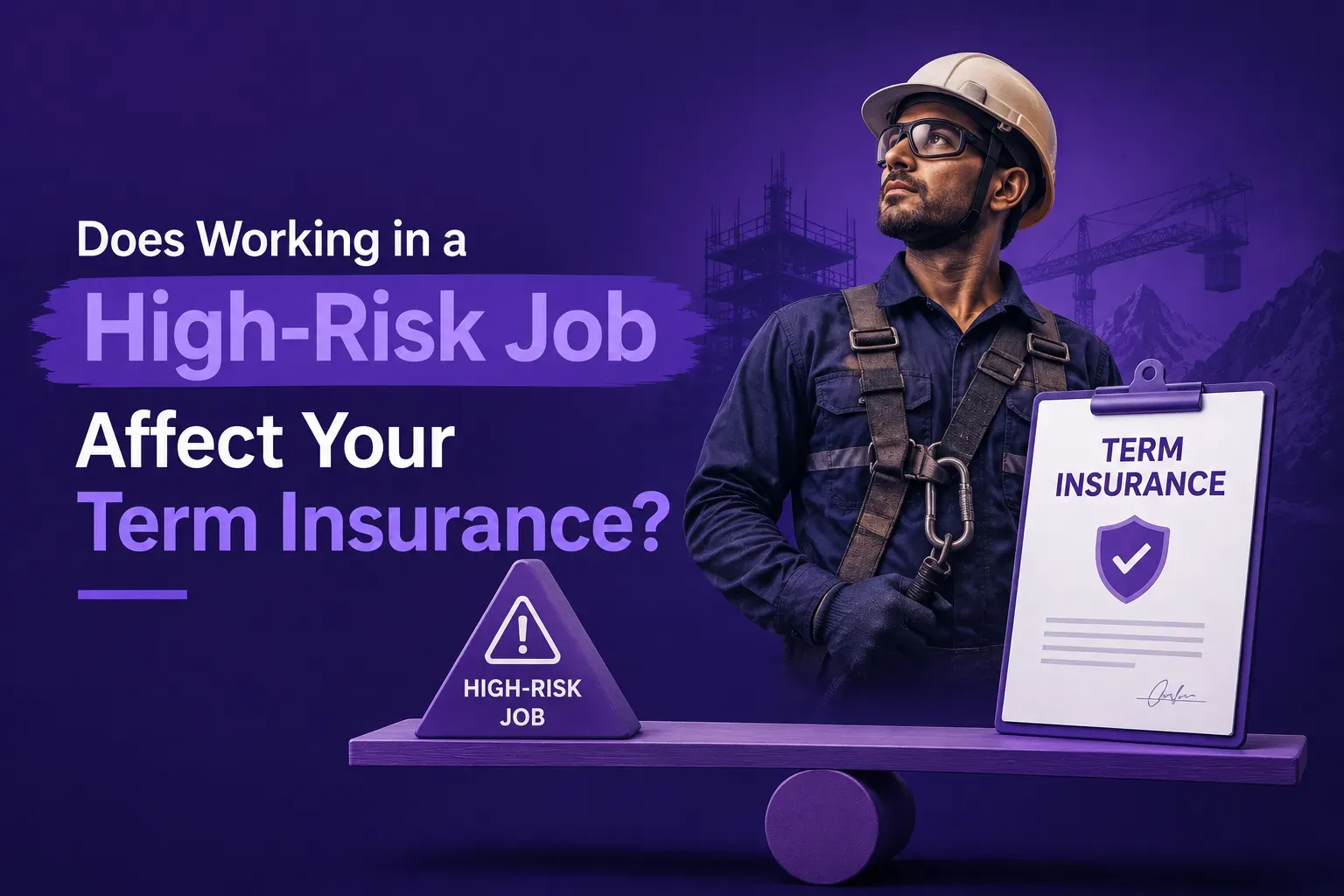
AD&D policies are much more restrictive. They only pay out if the death or injury is the direct result of a covered accident. In some corporate structures, especially for high-risk industries like construction or law enforcement, employers may provide a specific "Business Travel Accident" or "Occupational Accident" policy. These policies only trigger if the incident occurs while performing work duties or traveling for the company.
If an employee's primary coverage is actually a specialized occupational policy rather than a general group term life policy, they would indeed be unprotected while off-duty. It is vital to check your Summary Plan Description (SPD) to see if your "life insurance" is labeled as "Basic Life" or "Occupational/AD&D."
Critical Exclusions: When Off-Duty Behavior Voids the Policy
Even if your policy covers you 24/7, certain "off-duty" activities can trigger exclusions that prevent a payout. In 2026, insurance carriers have refined these exclusions to manage risk more aggressively. Common exclusions include:
- Illegal Acts: If a death occurs while the insured is committing a felony or participating in an illegal activity (such as street racing or driving under the influence), the carrier may deny the claim.
- High-Risk Hobbies: Some group policies contain "hazardous activity" exclusions. If you are an avid skydiver, SCUBA diver, or private pilot, your off-duty hobby might not be covered under a standard group plan without a specific rider.
- Suicide Clauses: Most group policies include a suicide exclusion for the first two years of coverage. If an employee is hired and a death by suicide occurs within that timeframe, the benefit is usually denied.
- Acts of War or Terrorism: While rare for civilian office workers, those working in volatile regions may find that their off-duty coverage is voided if they are caught in a conflict zone.
The Portability Trap: Being "Off-Duty" Permanently
The most significant danger of relying on life insurance from your job is not what happens when you clock out for the night, but what happens when you leave the company. This is known as the portability and conversion risk.
Group life insurance is "rented" coverage. You do not own the policy; your employer does. If you lose your job, resign, or retire, your coverage typically ends on your last day of employment or at the end of that calendar month. At this point, you are "off-duty" permanently in the eyes of the insurer.
While many policies offer a conversion privilege, allowing you to turn your group coverage into an individual permanent policy, the premiums for these converted policies are often prohibitively expensive. Furthermore, you usually only have a 31-day window to make this transition. If you are between jobs and fail to secure an individual policy, you have a total gap in coverage—a risk that 24/7 group coverage cannot mitigate.
Comparing Workplace Coverage vs. Individual Policies
To determine if your job-based insurance is sufficient, it helps to compare the standard features of group plans versus private individual plans.
| Feature | Group Life Insurance (Job-Based) | Individual Term Life Insurance |
|---|---|---|
| Coverage Period | While employed (ends at termination) | Fixed term (e.g., 10, 20, 30 years) |
| Off-Duty Coverage | Generally yes, during active employment | Yes, 24/7/365 |
| Portability | Limited (must convert to expensive plan) | Fully portable (independent of job) |
| Cost | Often free or very low cost | Based on age, health, and coverage amount |
| Medical Exam | Usually not required (Simplified Issue) | Often required (unless No-Exam policy) |
| Ownership | Employer owns the master policy | You own the policy |
| Customization | Standardized for all employees | Highly customizable with riders |
How to Verify Your Specific Coverage Limits
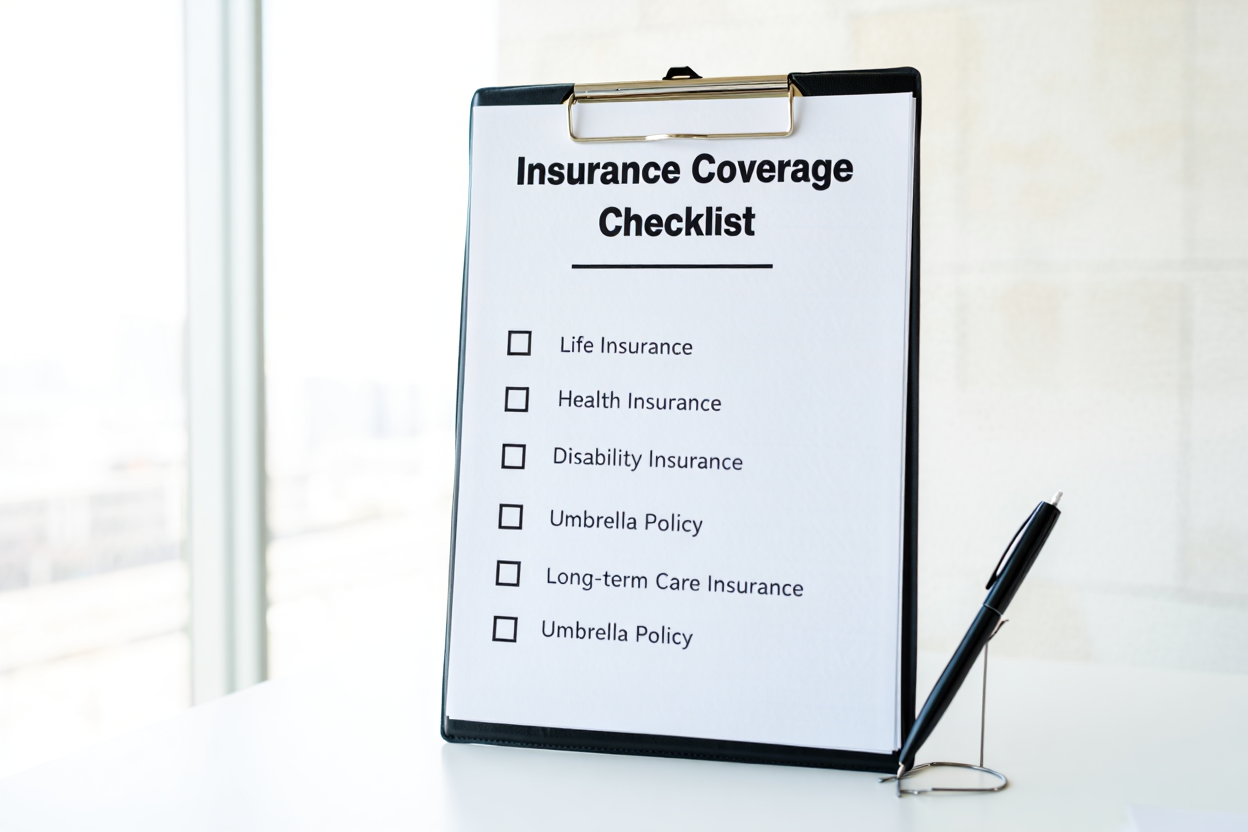
Relying on assumptions about your life insurance can be a multi-million dollar mistake for your beneficiaries. In 2026, most employees can access their benefits portal to find the exact terms of their coverage. Follow these steps to verify your "off-duty" protection:
- Request the Summary Plan Description (SPD): This document is legally required under the Employee Retirement Income Security Act (ERISA). It outlines exactly what is covered and what is excluded.
- Distinguish Basic Life from AD&D: Look for two separate line items. If you only see AD&D, you are likely only covered for specific accidental deaths, which may have "at-work" requirements.
- Check for "Active at Work" Requirements: Most policies require you to be "active at work" to be eligible for the benefit. If you are on an extended medical leave, verify how long the life insurance stays in effect.
- Identify Supplemental Limits: If you have purchased "Supplemental" or "Voluntary" life insurance through your job, check if those policies have different exclusions than the "Basic" free coverage. Supplemental plans often have stricter underwriting and exclusion clauses.
The Financial Planning Perspective: The "Job-Lock" Risk
Financial advisors in 2026 generally recommend that workplace life insurance should be treated as a "bonus" rather than a primary safety net. This is due to the phenomenon of "job-lock," where an employee feels they cannot leave a toxic or low-paying job because they have a pre-existing medical condition and cannot qualify for life insurance elsewhere.
If you rely solely on your employer, and you develop a chronic illness, you are stuck. If you leave the job, your coverage ends, and you may find it impossible to get a private policy at an affordable rate. By maintaining a private individual policy that covers you 24/7—regardless of your employment status—you ensure that your off-duty hours and your career transitions are fully protected.
FAQ
1. If I die in a car accident on the weekend, will my work life insurance pay out?
Yes, in almost all cases. Standard group term life insurance covers accidental deaths and natural causes 24 hours a day. The only exception would be if you only have AD&D insurance that specifically excludes non-work accidents, or if you were engaged in an excluded activity like street racing.
2. Does my employer-provided life insurance cover me during a leave of absence?
It depends on the policy language and the reason for the leave. Many policies maintain coverage during a FMLA (Family and Medical Leave Act) period, provided the premiums continue to be paid. However, for personal leaves or long-term disability, coverage may lapse after 30 to 90 days.
3. What is the difference between "Line of Duty" and "Off-Duty" coverage for first responders?
For police officers, firefighters, and EMTs, "Line of Duty" benefits are often government-funded or specialized supplements that pay out much higher amounts than standard life insurance. While these heroes usually have standard life insurance that covers them off-duty, the extra "Line of Duty" death benefits are strictly reserved for deaths occurring during professional service.
4. Can my employer cancel my life insurance without telling me?
Employers have the right to change or terminate benefit plans. However, under federal law (ERISA), they must provide notice of material modifications to the plan. In 2026, this is typically done via email or a digital HR portal.
5. Does off-duty life insurance cover international travel?
Most standard group policies cover you worldwide. However, if you are traveling to a country on a Department of State "Do Not Travel" list, or a zone with active military conflict, the "Act of War" exclusion might be triggered. Always check your policy before high-risk international travel.
Professional Advice Limitation
This article provides general information about life insurance trends and standard policy structures as of 2026. Insurance laws vary by jurisdiction (such as specific state regulations in the U.S.), and individual policy contracts always take precedence over general descriptions. For specific legal or financial advice regarding your estate plan, consult with a licensed insurance professional or ERISA attorney.
Practical Recommendation
Do not assume your workplace coverage is sufficient for your family's needs. Use your employer-provided life insurance as a secondary layer of protection. Your primary safety net should be an individually owned term life insurance policy that remains in force regardless of your job status, your location, or whether you are on or off the clock. Take five minutes today to download your Summary Plan Description from your company’s HR portal and confirm whether you have "Basic Term Life" or just "AD&D" coverage.
Image Gallery